Understanding steel conduit standards is vital for project supervisors managing electrical installations across industrial and construction sites. This guide outlines key compliance factors related to steel conduit, steel angle, steel girder, and steel tube specifications, helping you compare angle vs channel applications and ensure safety in infrastructure projects. As a structural steel manufacturer and exporter from China, Hongteng Fengda offers globally certified products—from steel square rod to steel roof sheet and steel rail—to support consistent quality, reliability, and seamless project execution.
Definition and Overview of Steel Conduit Standards
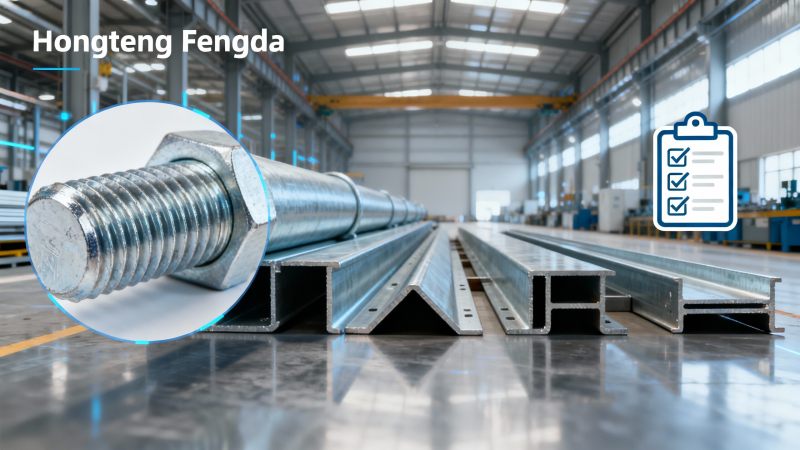
Steel conduit is an essential element in modern electrical systems, providing mechanical protection, grounding continuity, and fire resistance for wiring systems. For project supervisors, understanding how steel conduit integrates with other structural components—such as steel angle or steel girder—ensures the installation meets safety codes and engineering integrity. Basic types include rigid steel conduit (RSC), intermediate metal conduit (IMC), and electrical metallic tubing (EMT). Each is manufactured to meet specifications like UL 6, ASTM A513, or BS EN 61386 for electrical installations. Steel tube and steel square rod materials are often chosen according to tensile strength, corrosion protection, and ease of threading. In industrial environments or construction sites, conduit routing must consider environmental exposure, vibration, and load-bearing properties of adjacent components. For example, steel angle brackets and channel steel are used for support systems, while steel roof sheet and steel rail structures provide the primary envelope and framework. Choosing the right conduit profile also affects long-term maintenance and compliance audits conducted by inspectors. High-performance conduit not only safeguards electrical cables but also prevents hazards such as short circuits and electromagnetic interference. Therefore, standardized materials and verifiable compliance documentation become indispensable, serving as evidence of conformity with international codes like NEC Article 344 or IEC 61386. Project supervisors who understand these distinctions can ensure continuity of electrical performance during asset lifecycle and facility expansion.
Market Overview and Industrial Relevance
The global steel conduit market shows steady growth alongside the expansion of energy, infrastructure, and data center projects. Increasing investments in smart manufacturing and sustainable buildings are driving demand for components such as steel girder frameworks, steel conduit wiring routes, and steel roof sheet cladding. In this ecosystem, China has emerged as a leading supplier of both standard and customized steel components. Companies like Hongteng Fengda supply angle steel, channel steel, and customized steel profiles under ASTM, EN, JIS, and GB certification systems. These materials serve diverse markets—from North America and Europe to the Middle East and Southeast Asia—supporting long-term partnerships through consistent quality output. Moreover, the development of corrosion-resistant galvanization technologies has enhanced durability for marine and coastal infrastructure. Advanced coatings, such as zinc and aluminum-zinc layers, maintain protective integrity under demanding conditions. For instance, Galv Sheeting is widely recognized for its double-sided galvanized carbon steel surface, enabling continuous hot-dip protection between 60–275 g/m² per side. This not only complements conduit enclosures but also enhances building envelope performance. Engineers now compare angle vs channel specifications to optimize mechanical resistance while maintaining cost efficiency. In markets where electrification and automation intersect, conduit systems increasingly integrate with sensor assemblies and fire-rated junctions, which further raises the bar for compliance validation. Consequently, metal processors and project supervisors are aligning procurement strategies with international audit-ready standards to ensure traceability and project transparency.
Comparison Analysis: Angle vs Channel and Conduit Integration
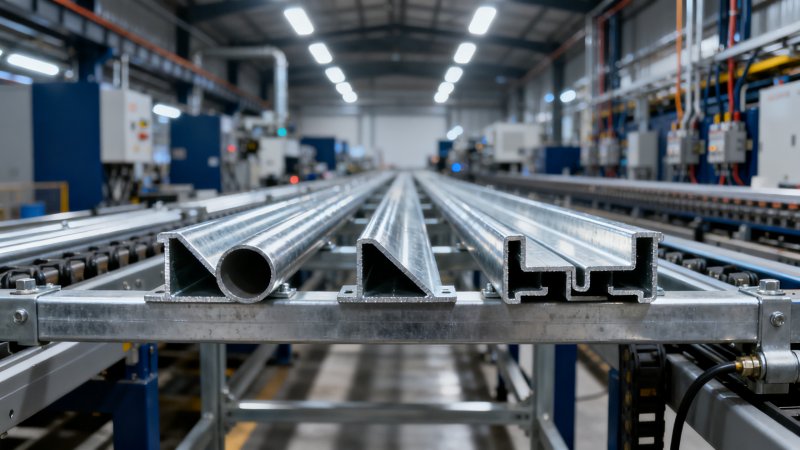
Project engineers frequently evaluate the angle vs channel debate when planning support systems for conduit and cable trays. Steel angle structures provide ideal L-shaped reinforcement for heavy loads, while channel sections offer modular adjustability for lighter electrical or HVAC runs. Steel conduit complements these profiles by enclosing cables within rigid metallic protection. Selecting between angle and channel often depends on dynamic load resistance and installation space constraints. For instance, an industrial plant may deploy steel tube conduits within angle-supported racks for vibration-prone machinery zones. Conversely, commercial complexes integrate electrical metallic tubing into channel-framed ceiling systems for aesthetic concealment. Steel girder and steel rail combinations extend robustness in transportation facilities where overhead wiring spans occur. When combining these components, compliance with mechanical standards such as ASTM A36 for structural steel and UL 797 for conduit ensures interoperability. Conducting compatibility tests between conduit coatings and galvanized supports reduces galvanic corrosion risks. Furthermore, engineers need to evaluate coating continuity, torque tolerance during connection tightening, and grounding reliability. Using hot-dip galvanized supports like Galv Sheeting or pre-galvanized profiles can maintain long-term resistance to rust. Besides mechanical benefits, standardized shapes simplify installation sequences and improve onsite efficiency, promoting consistent electrical safety performance. An optimized angle-channel-conduit arrangement balances structural economy with durable protection—essential for cost-sensitive, safety-driven projects where downtime minimization is key to operational success.
Standards, Certification, and Compliance Checklist
Compliance covers multiple dimensions—product conformity, installation procedure, and documentation. For steel conduit systems, supervisors must align their inspection checklist with international and regional standards. Critical references include:
- ASTM A513 or A1011 for conduit fabrication requirements;
- UL 6 and UL 797 for safety and testing procedures;
- IEC 61386 for conduit system performance and classification;
- EN 10255 and BS 4568 for European mechanical conduit standards;
- ISO 9001 or ISO 45001 for manufacturer quality and safety management verification.
Procurement and Selection Guide for Electrical Supervisors
Procurement decisions for steel conduit and associated structural materials involve balancing performance criteria, certification traceability, and supply consistency. Supervisors should consider supplier reliability first—sourcing from a structural steel manufacturer and exporter with recognized testing protocols ensures materials align with both local and international codes. Hongteng Fengda’s integrated production for steel tube, steel square rod, and steel girder components enables optimized design matching across product categories. Carefully matching conduit interior diameter to cable fill ratios prevents overheating and eases maintenance access. Selecting the right coating and surface finish also matters: hot-dip galvanized or electro-galvanized options extend long-term durability in corrosive settings. It is equally crucial to verify compatibility between conduit supports made from steel angle or channel and adjacent galvanized covers. Where customized solutions are needed, OEM production services can tailor shapes or thickness ranges according to mechanical load calculations or project-specific enclosure ratings. In procurement documentation, always specify coating type, steel grade, and standard code to maintain reference consistency. Collaborating directly with certified manufacturers allows pre-shipment inspection and test witness service, enabling smoother logistics for overseas deliveries. Additionally, aligning procurement schedules with fabrication cycle times ensures that structural and electrical phases proceed without interruption—a major time and cost advantage in large-scale infrastructure builds.
Technical Performance and Material Integration
Technical qualification underpins reliability in any electrical infrastructure. High-grade steel conduit offers mechanical impact resistance, dielectric integrity, and corrosion performance critical to safe design. In industrial plants, steel conduit is often combined with coated supports, such as channels or steel angle assemblies, to meet high vibration tolerance. Material combinations such as galvanized carbon steel conduit or pre-coated sections using specifications like DX51D+Z to DX57D+Z guarantee stable protection levels. The synergy becomes more evident when integrated with advanced cladding systems or roofing assemblies. For instance, using components like Galv Sheeting alongside conduit runs provides consistent visual and mechanical alignment since both utilize compatible galvanization layers and tensile ratings. Evaluating steel conduit systems also involves measuring tensile strength and elongation percentage for bending operations during installation. A typical conduit conforms to yield strength ≥ 235 MPa and elongation ≥ 20%, ensuring it withstands continuous flexing. Moreover, precision threading and coupling integrity directly contribute to grounding continuity, making it essential to specify manufacturing tolerance per ISO and ASTM benchmarks. The combination of steel roof sheet, girder framing, and conduit layouts must pass structural load simulations before field implementation to ensure compliance with safety design factors. Adopting an integrated material strategy, where all metallic elements share similar or complementary coatings, reduces galvanic potentials and enhances overall system life expectancy. Ultimately, project supervisors who understand these material interrelations can more confidently enforce compliance and extend operational safety margins across facilities.
Case Studies and Field Implementation Insights
Real-world examples highlight how compliance procedures transform complex electrical designs into reliable installations. In an energy storage plant located in Southeast Asia, steel conduit networks supported on channel frames underwent stress testing against seismic vibration frequency up to 2.5 Hz. Results validated that galvanization continuity under dynamic load prevented coating flake-off and maintained grounding efficiency. Another case involved a European manufacturing complex adopting galvanized steel tube and steel square rod assemblies from Hongteng Fengda. By aligning mechanical conduit supports with EN-certified structural frames, the facility achieved faster commissioning timelines due to pre-certified product documentation. Similarly, in an offshore chemical facility, project supervisors used hot-dip galvanized conduit with dual-seal couplings to counter saline exposure. Periodic corrosion measurements demonstrated lifespan improvement of over 30% compared to standard painted alternatives. These use cases confirm that standardized materials, combined with professional oversight, directly boost project ROI, safety scores, and client trust. Using digital documentation platforms, supervisors can standardize compliance audits with photo evidence, code tracking, and certificate verification in real time. Such digital integration complements quality assurance protocols and ensures that the supply chain—from steel girder to conduit coupling—remains transparent and accountable throughout the project lifecycle.
FAQ and Common Misconceptions
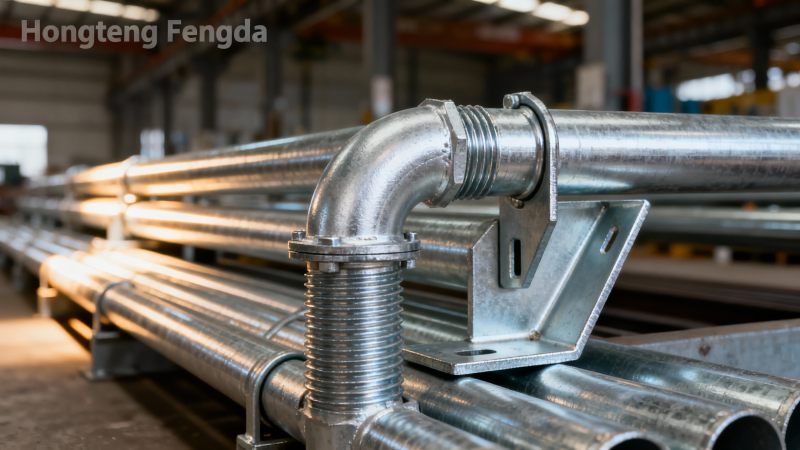
Many professionals raising questions about steel conduit selection often misunderstand key compatibility rules. One misconception is that all galvanized conduits are interchangeable regardless of coating weight or steel grade. In reality, factors like coating thickness, tensile capacity, and joining design directly affect service life. Another misconception is assuming non-metallic conduits can replace steel ones in heavy industrial zones without performance loss; yet only metal systems meet high fire-resistance and mechanical crush requirements. Project managers also inquire whether it is possible to mix steel angle and channel supports randomly—best practice dictates verifying mechanical load paths before cross-installation. Additionally, buyers sometimes overlook differences between hot-dip galvanized and pre-galvanized finishes. The former suits outdoor or corrosive conditions, while pre-galvanized types cater to indoor or low-moisture installations. Using certified materials aligned with international standards avoids these pitfalls. Finally, confusion arises regarding documentation scope: compliance is not limited to product certificates but includes installation inspection reports, torque test data, and environmental safety assessments. Recognizing these nuances prevents costly reinstallation and ensures smoother acceptance during final inspection audits.
Trend and Future Insights
The future of steel conduit systems is closely linked with smart construction and renewable energy infrastructure acceleration. Integration with IoT sensors, real-time monitoring, and advanced protective coatings is redefining steel product functionality. Manufacturers like Hongteng Fengda are transforming production lines through automation and digital quality traceability, allowing steel tube and conduit manufacturing to be hyper-precise and environmentally optimized. Additionally, global decarbonization efforts are driving the adoption of recyclable alloys and cleaner galvanizing processes that reduce emissions while maintaining high tensile strength. Intelligent logistics platforms now integrate direct material tracking, enabling project supervisors to validate every steel girder, steel angle, and conduit delivery in transit. Beyond traditional infrastructure, the market is shifting toward hybrid structures combining galvanized conduit with aluminum-clad panels to meet lightweight performance demands for aerospace and modular buildings. Electrical safety compliance will evolve further through predictive inspection systems analyzing field data for early anomaly detection. As regulatory frameworks tighten across regions, ensuring traceable compliance will become a project’s competitive differentiator. Proactive supervisors will integrate certification software tools and collaborate with certified Chinese exporters who combine technical depth, rapid response capacity, and stable delivery performance across global networks. This perspective positions compliant steel conduit implementation as both a safety requirement and a strategic sustainability objective.
Why Choose Hongteng Fengda
Selecting a long-term partner for structural and electrical steel solutions requires an organization with proven expertise, certified production systems, and global reliability. Hongteng Fengda distinguishes itself as a Structural Steel Manufacturer & Exporter from China, offering end-to-end support for design, manufacturing, and international logistics. Our catalog includes steel angle, steel girder, steel tube, steel square rod, steel roof sheet, and steel conduit that comply with ASTM, EN, JIS, and GB. Each product undergoes strict inspection, ensuring consistent coating adhesion, mechanical tolerance, and documentation completeness. With stable production capacity and customizable solutions, we help clients reduce sourcing risks and operational costs while meeting compliance frameworks effortlessly. Whether you are a technical evaluator, procurement specialist, or project manager, partnering with Hongteng Fengda provides assurance of quality and service continuity. To explore tailored galvanization options or advanced electrical supporting solutions, visit our product portfolio or click Galv Sheeting for additional specification insights. Together, we build safer, stronger, and more efficient engineering infrastructures worldwide.
- channel steel
- l angle
- angle steel
- galv sheeting
- DX51D
- hot-dip galvanized
- galvanized steel
- ASTM A36
- structural steel
- steel profiles
- Structural Steel
- Profile
- Galvanized
- carbon steel
- steel profile
- steel conduit
- steel roof sheet
- steel tube
- steel rail
- steel girder
- steel angle
- steel square rod
- angle vs channel
Related recommendations
 What is an H-Beam and How Does it Differ from an I-Beam?Discover what an H-beam is and how it differs from an I-beam. Learn key structural differences and expert selection tips from Hongteng Fengda to optimize your steel construction projects today.
 How to Select the Correct Steel Sheet Grade for Auto PartsSelect the ideal steel sheet for auto parts by balancing performance and cost. Discover expert sourcing strategies to avoid manufacturing traps and optimize procurement. Read our guide now!
 Hot Rolled vs. Cold Rolled Steel Sheet: Surface and ToleranceHot rolled vs cold rolled steel sheet: Discover how surface finish and tolerances impact manufacturing. Optimize material selection, reduce costs, and ensure quality. Read our expert guide today!
 Best Cutting and Bending Practices for Galvanized Sheet MetalDiscover the best cutting and bending practices for galvanized sheet to prevent zinc flaking. Optimize tooling and thermal parameters to ensure perfect corrosion resistance. Read the full guide!
Please give us a message


Please enter what you want to find