Before committing to large-scale purchases, understanding how to evaluate steel roof sheet durability is crucial for cost control and long-term performance. From comparing angle vs channel structures to selecting the right steel square rod, steel angle, girder, rail, tube, or conduit, proper assessment ensures product reliability and structural integrity. For manufacturers, engineers, and procurement managers, choosing high-quality steel roof sheets from trusted suppliers like Hongteng Fengda minimizes sourcing risks and guarantees lasting value in construction and industrial applications. Evaluating steel roof sheet quality means more than only considering the visual surface—it requires comprehensive inspection of mechanical strength, corrosion resistance, production tolerances, and material standards. Each element directly affects safety, maintenance cost, and service life of a building. Understanding these aspects helps decision-makers navigate the complex market of steel materials with confidence.
Definition and Core Concepts of Steel Roof Sheet Durability
Steel roof sheet durability refers to how well the material resists rust, weathering, and structural fatigue over time under various environmental conditions. When analyzing durability, experts examine protective coatings, base metal grade, galvanization thickness, and mechanical properties such as yield strength and elongation. Structural engineers often rely on the tensile strength of materials like Q235, Q345, or A36 to ensure consistent performance. Hongteng Fengda, a professional structural steel manufacturer and exporter from China, designs steel sheets and complementary profiles compliant with ASTM, EN, JIS, and GB standards. Evaluation involves laboratory testing, including salt spray resistance, bending tests, and hardness measurements. Procurement staff often use a checklist that includes coating uniformity, weldability, and flatness within ±1% tolerance to assess mechanical integrity. A high-quality steel roof sheet not only provides long service life but also simplifies installation in industrial, commercial, and residential roofing projects.
Market Overview and Industry Background
The global steel industry is evolving rapidly with the rising demand for sustainable and lightweight building materials. Steel roof sheet consumption has surged in North America, Europe, the Middle East, and Southeast Asia due to escalating infrastructure projects. Market analysts highlight that the choice between angle vs channel configurations significantly influences structural performance and procurement budgets. As global supply chains become increasingly competitive, selecting a reliable Chinese structural steel supplier like Hongteng Fengda offers procurement officers price stability and custom production options. The company provides an extensive product line including steel girder, steel rail, and steel conduit to complement roof sheet systems. Certification by CE, SGS, BV, and ISO helps reinforce trust among international clients. Modern architecture trends emphasize corrosion protection and reduced environmental footprint, leading to widespread adoption of galvanized and coated steel profiles. This shift encourages investors to prefer long-term partnerships with manufacturers capable of providing both standard and OEM solutions for various construction applications.
Technical Performance and Evaluation Criteria
When measuring steel roof sheet durability, technical parameters play a decisive role. Factors such as coating thickness, base metal type, weld compatibility, and structural form directly influence performance under harsh environments. Testing reports often include yield strength, ultimate tensile strength, and elongation percentages. For instance, Q195 and Q235 steel grades are preferred for moderate load applications, while Q345 or SS400 are chosen for high-stress industrial structures. The galvanization process provides reliable corrosion protection, and powder coating or black varnish options improve visual appeal and chemical resistance. In addition to tensile and fatigue tests, bending resistance and impact absorption tests verify the steel’s ability to retain shape and stability over time. Engineers often integrate detailed data charts comparing steel tube and steel angle materials to evaluate compatibility with existing framework systems. Precise manufacturing tolerances, typically within ±1%, ensure smooth assembly during construction. Professional suppliers like Hongteng Fengda maintain advanced rolling, punching, welding, and decoiling technologies to uphold consistent mechanical specifications across large batches.
Comparison Analysis: Angle vs Channel and Related Materials
An essential step in procurement evaluation is understanding how different steel profiles such as angle vs channel behave under load. Angle steel offers excellent resistance to twisting and is frequently used in reinforcement of corners and edges, while channel steel provides robust linear support for purlins, beams, and wall frameworks. When paired properly with steel square rod or steel tube reinforcements, the overall structural efficiency improves significantly. Selecting between these shapes depends on design requirements, weight distribution, and assembly techniques. Procurement experts often create comparison tables that outline mechanical advantages, cost, and installation flexibility. Below is an illustrative overview:
Procurement Guide and Evaluation Steps
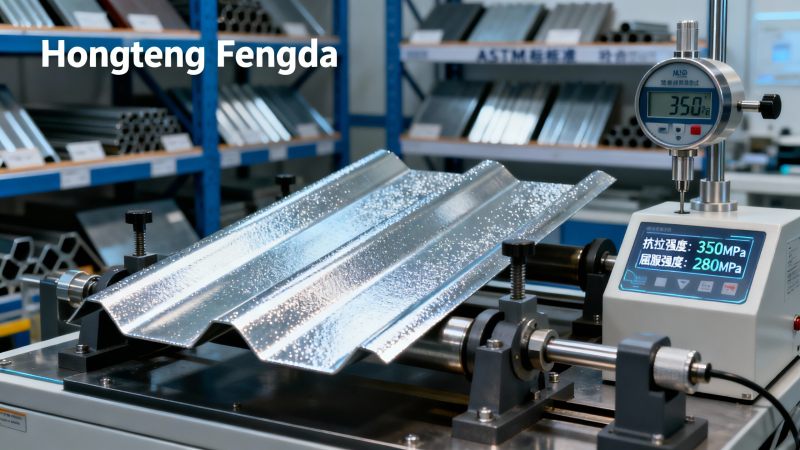
For large-scale procurement, durability evaluation begins with verifying compliance to international standards like ASTM and ISO. Buyers should demand mill test certificates, inspection reports, and third-party quality assurance affidavits. Cross-check galvanization thickness using coating gauges and ensure uniform distribution across the surface. For structural components such as C Sections Steel, it is essential to review details like shaping technology, surface finish, and processing services (bending, welding, decoiling, cutting) to confirm suitability for roofing applications. Engineers often perform sample installations to test actual load performance under simulated weather scenarios. Procurement teams must also evaluate logistics factors including batch traceability, delivery precision, and supplier production capacity. Establishing a long-term relationship with a reputable Chinese manufacturer like Hongteng Fengda ensures consistent quality control, competitive pricing, and customizable project-based support. Documentation transparency and after-sales technical consultation further enhance confidence during the procurement decision process.
Standards, Certification and Compliance Considerations
Durability assurance depends on adherence to recognized certifications such as CE, SGS, BV, and ISO. These standards define benchmark performance for mechanical properties, coating thickness, and environmental resistance. Buyers need to understand how each certification applies to their project specifications. CE certification, for example, demonstrates conformity to European safety directives, while ISO standards verify that manufacturing management systems comply with internationally accepted methodologies. Hongteng Fengda conducts full inspection routines throughout its production of steel angle, steel conduit, and roof sheet lines. By maintaining laboratory-grade quality management systems, the company guarantees consistency even for customized orders. International buyers often regard certified documentation as both a compliance requirement and a marketing advantage, especially when supplying government or industrial tenders. The implementation of environmentally safe production technologies, including recycled steel use and reduced emissions, increasingly becomes a vital parameter in procurement evaluations.
Cost Factors and Alternative Solutions
When assessing procurement strategy, price should be analyzed alongside durability and maintenance savings. While cheaper materials may initially reduce upfront costs, inferior corrosion performance often leads to higher long-term repair expenses. Alternative materials such as aluminum sheets may appear lighter, yet steel roof sheets remain dominant for their superior strength-to-weight ratio and thermal stability. Galvanized coatings offer cost-effective corrosion protection compared to stainless steel alternatives. By selecting quality steel girders and angles that match specified performance requirements, buyers can achieve optimum balance between cost and longevity. Financial officers should consider lifecycle budgeting—evaluating expenses over the projected 25 to 50 years of building service. Hongteng Fengda’s flexible production integrates both hot roll and cold roll technologies, allowing customers to choose between different coating thicknesses, lengths, and finishes. Such customization ensures appropriate cost-performance matching, improving return on investment for developers and industrial clients worldwide.
Application Scenarios and Case Insights
Durable steel roof sheets find extensive use across industrial plants, logistics warehouses, commercial complexes, and modular buildings. In mechanical light industry, materials like C Sections Steel are applied for purlins, wall beams, and lightweight roof trusses. Their customizable shapes and perforated design simplify installation and reduce structural deadweight while maintaining mechanical stability. Case studies from Southeast Asian industrial parks show that galvanization combined with powder coating increased corrosion resistance by 30% compared to uncoated profiles. Similarly, in European cold climates, projects using Hongteng Fengda steel roof sheets achieved over 20 years of maintenance-free service due to optimized coating selections and strict production standards. The company’s international track record spans numerous sectors—energy facilities, high-rise complexes, and bridge frameworks—all demanding reliable roof protection combined with efficiency and durability. These case examples reflect the tangible benefits of choosing certified, performance-tested steel solutions from a proven global exporter.
FAQ: Common Misconceptions About Durability Testing
One common misconception is that thicker steel automatically means better durability. In reality, factors such as microstructure, galvanization quality, and surface finish influence longevity more than thickness alone. Another misunderstanding is that all galvanized sheets perform equally; plating composition and uniformity matter greatly. Buyers should also note that laboratory tests cannot fully replicate site aging conditions, so combining both laboratory and field assessments gives a more accurate durability profile. Many assume that domestic and imported steel differ drastically in quality; however, reputable Chinese manufacturers like Hongteng Fengda consistently meet or exceed global standards. Quality is best guaranteed through compliance documents, not assumptions. Additionally, some procurement officers overlook edge protection or slot perforation quality—minor factors that can dramatically affect long-term corrosion performance. Clarifying these nuances prevents project delays, warranty claims, and undue maintenance costs. Understanding factual testing parameters helps all stakeholders—from engineers to end consumers—make scientifically sound purchasing decisions.
Trends and Future Insights
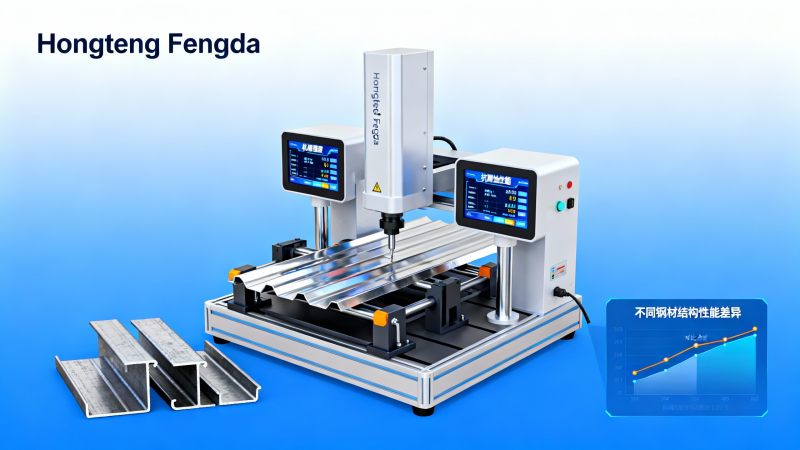
The evolution of steel roof sheet production aligns with global priorities for energy efficiency and sustainability. Emerging technologies include eco-friendly galvanization, advanced alloy development, and digital quality monitoring. Automated forming machines for C-shaped profiles can instantly adjust dimensions according to project inputs, improving material utilization and consistency. As smart construction expands, the demand for real-time data on steel component performance will rise. Suppliers integrating Industry 4.0 solutions in manufacturing will provide superior traceability, appealing to clients seeking transparent supply chains. Future steel roof sheet designs will focus on weight optimization, modular compatibility, and enhanced thermal reflection coatings. Procurement specialists should stay alert to changes in international regulations and green building certifications, as compliance will directly affect sourcing eligibility. Hongteng Fengda continues to invest in innovation and sustainable practice, ensuring its steel angle, steel rail, and roof sheet lines remain competitive and forward-looking.
Why Choose Hongteng Fengda as Your Steel Partner
Selecting the right partner determines the success of long-term construction strategies. Hongteng Fengda offers more than standardized steel products—it delivers engineering assurance backed by professional service. As a structural steel manufacturer and exporter from China, the company supports clients across continents with stable capacity, dependable lead times, and full-spectrum customization. Whether procuring steel conduit for industrial power housing or steel roof sheet for commercial roofing, buyers gain confidence through tested quality and transparent documentation processes. Hongteng Fengda’s adherence to CE, ASTM, EN, JIS, and GB standards reflects a commitment to durability excellence. The company’s support team assists in pre-purchase evaluation, logistic optimization, and ongoing technical solutions to minimize sourcing risks and maintenance costs. For project managers, distributors, and procurement officers seeking resilience and cost control, partnering with Hongteng Fengda ensures that every steel component contributes measurable value to the lifecycle of modern infrastructure projects.
- c sections steel
- channel steel
- steel i
- l angle
- angle steel
- galvanized sheet
- Q235 steel
- steel supplier
- structural steel
- steel profiles
- Structural Steel
- Profile
- Galvanized
- steel sheet
- steel profile
- steel conduit
- steel roof sheet
- steel tube
- steel rail
- steel girder
- steel angle
- steel square rod
- angle vs channel
Related recommendations
 What is an H-Beam and How Does it Differ from an I-Beam?Discover what an H-beam is and how it differs from an I-beam. Learn key structural differences and expert selection tips from Hongteng Fengda to optimize your steel construction projects today.
 How to Select the Correct Steel Sheet Grade for Auto PartsSelect the ideal steel sheet for auto parts by balancing performance and cost. Discover expert sourcing strategies to avoid manufacturing traps and optimize procurement. Read our guide now!
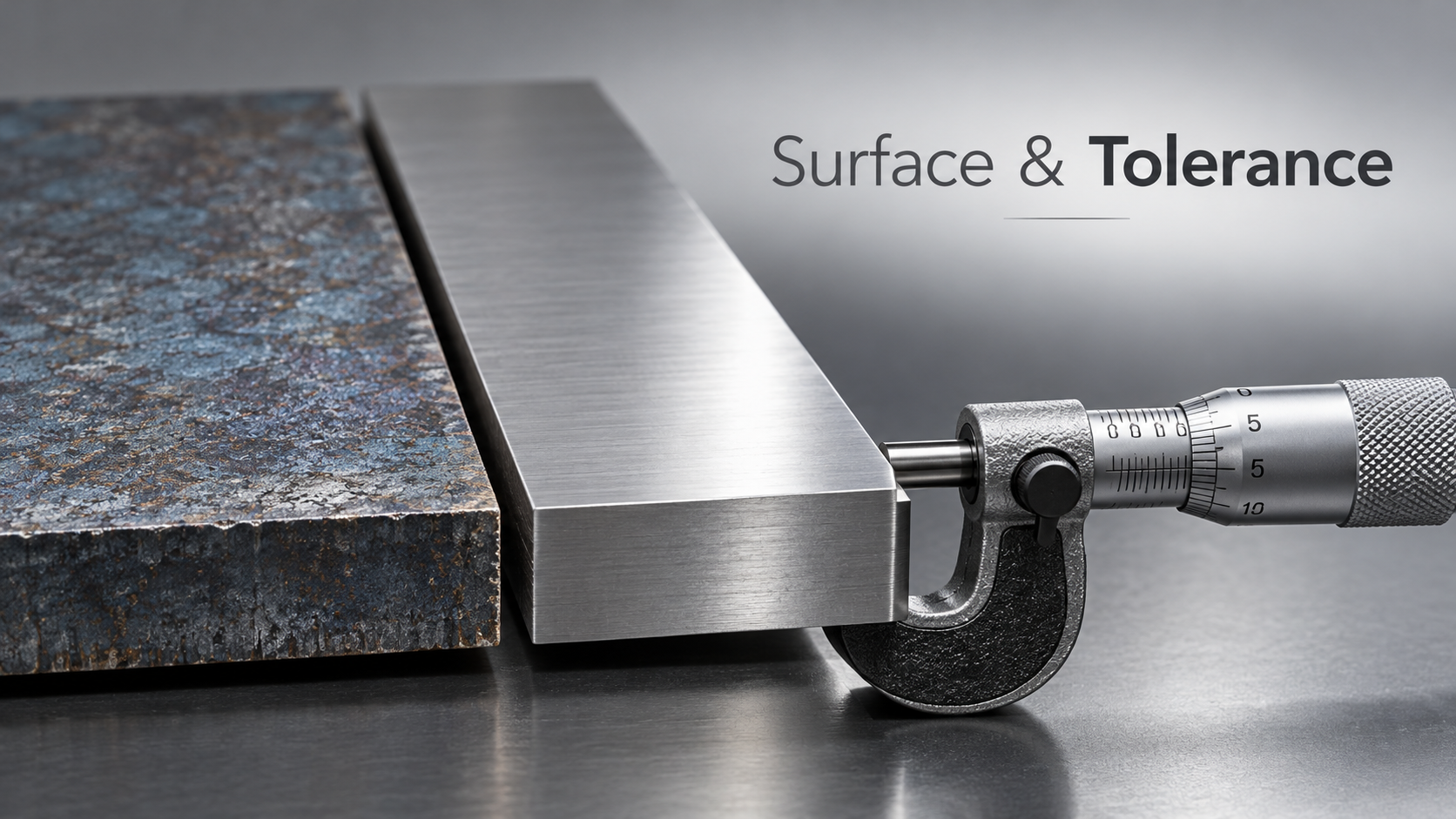
 Hot Rolled vs. Cold Rolled Steel Sheet: Surface and ToleranceHot rolled vs cold rolled steel sheet: Discover how surface finish and tolerances impact manufacturing. Optimize material selection, reduce costs, and ensure quality. Read our expert guide today!
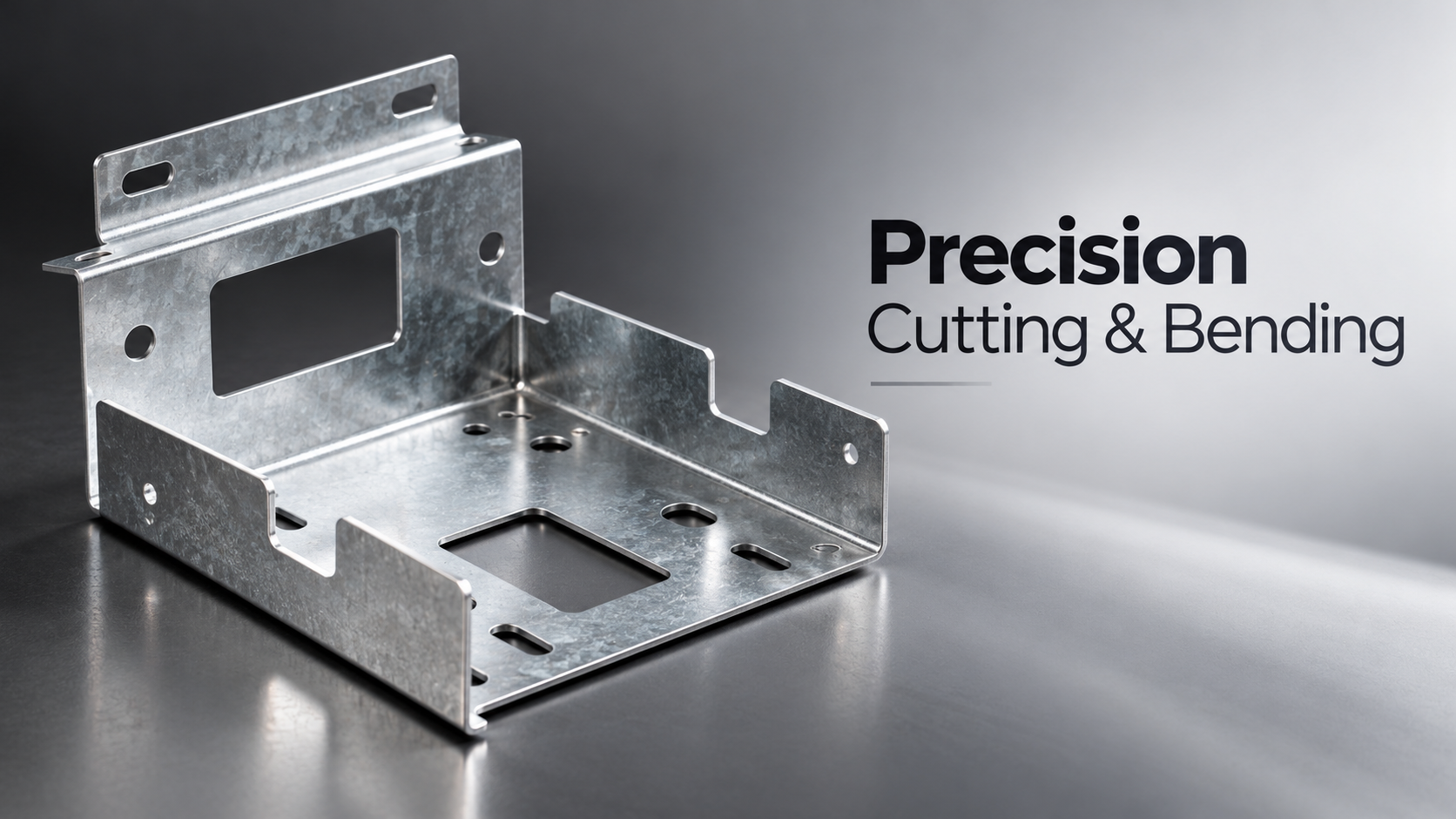
 Best Cutting and Bending Practices for Galvanized Sheet MetalDiscover the best cutting and bending practices for galvanized sheet to prevent zinc flaking. Optimize tooling and thermal parameters to ensure perfect corrosion resistance. Read the full guide!
Please give us a message


Please enter what you want to find