Looking to buy stainless steel pipe without inflating your project budget? From corrosion-resistant pipes and steel tube weight to 316 stainless steel plate and structural steel supplier selection, smart sourcing starts with understanding specifications, quality standards, and real market value. This guide helps buyers compare options, control costs, and choose reliable steel solutions with confidence.
How to Buy Stainless Steel Pipe Without Overpaying
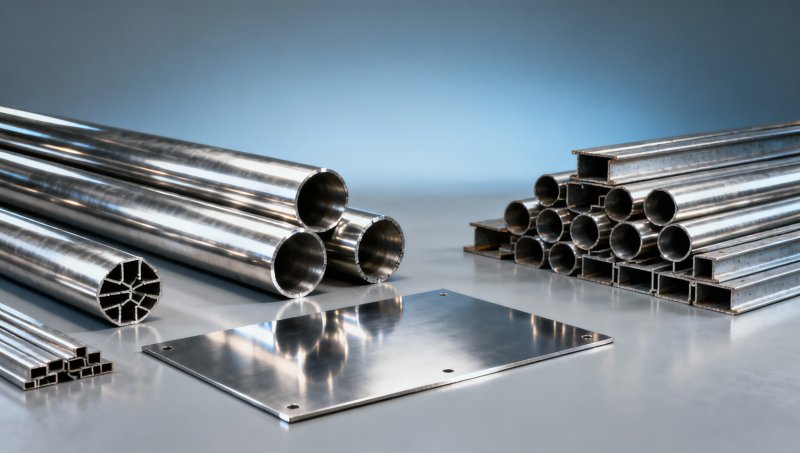
The fastest way to avoid overpaying is simple: match the pipe grade, size, finish, and testing requirements to the actual job instead of buying “higher spec” material by default. Many buyers spend too much not because stainless steel pipe is always expensive, but because they purchase the wrong specification, accept unclear quotations, or compare suppliers only by unit price instead of total landed cost and quality risk.
For procurement teams, project managers, engineers, and distributors, the real goal is not just finding a low price. It is buying stainless steel pipe that meets corrosion, pressure, fabrication, and compliance needs at the lowest practical total cost. That includes material price, processing, freight, customs, lead time, reject rate, and service reliability.
What Actually Drives Stainless Steel Pipe Cost
If you want a fair quote, you need to understand what suppliers are pricing. The most important cost drivers usually include:
- Material grade: 201, 304, 304L, 316, and 316L have very different alloy content and corrosion performance. Higher nickel and molybdenum content usually means higher cost.
- Pipe type: Seamless stainless steel pipe usually costs more than welded pipe due to production complexity and application demands.
- Size and wall thickness: Larger diameters and heavier walls increase raw material consumption. Steel tube weight directly affects both product price and freight cost.
- Surface finish and tolerances: Polished, pickled, bright annealed, or precision tolerance products are priced differently.
- Testing and certification: Requirements such as PMI, hydrostatic testing, UT, third-party inspection, EN 10204 3.1, or ASTM compliance can add cost but may reduce project risk.
- Order volume and customization: Standard stock sizes are usually cheaper than custom lengths, special end treatment, or mixed small-batch orders.
Understanding these factors helps buyers identify where cost is necessary and where it is simply excess specification.
Choose the Right Grade Instead of the Most Expensive Grade
One of the most common reasons for overpayment is selecting a stainless steel grade that exceeds service requirements. For example:
- 304 stainless steel pipe is often sufficient for indoor use, general industrial systems, water handling, food equipment, and many architectural applications.
- 316 stainless steel pipe is more suitable for chloride exposure, marine environments, chemical processing, and more aggressive corrosion conditions.
- 304L or 316L may be preferred when welding is required and lower carbon content helps reduce sensitization risk.
If the service environment does not require 316 or 316L, upgrading automatically can inflate the budget significantly. The same logic applies when buyers compare related products such as 316 stainless steel plate for tanks, supports, or fabricated systems. Better corrosion resistance is valuable only when the environment justifies the additional material cost.
Ask these questions before finalizing grade selection:
- Will the pipe be exposed to salt, chemicals, high humidity, or frequent cleaning agents?
- Is welding involved?
- What temperature and pressure will it handle?
- Which standard is required by the project, customer, or local code?
Welded vs. Seamless: Don’t Pay for Performance You Don’t Need
Many buyers assume seamless is always the safer choice. In reality, welded stainless steel pipe can be entirely appropriate for many structural, decorative, low- to medium-pressure, and general industrial applications, often at a lower cost. Seamless pipe is typically selected for higher pressure, more demanding mechanical requirements, or certain regulated systems.
To avoid overspending, align the manufacturing method with the application. If your project specification allows welded pipe and the service conditions are suitable, there may be no reason to pay the premium for seamless material.
How to Compare Quotes Correctly
A low headline price can still be expensive in practice. When comparing offers from stainless steel pipe suppliers, check these points line by line:
- Grade and standard: ASTM, EN, JIS, or GB requirements should be clearly listed.
- Outer diameter, wall thickness, and length: Confirm exact dimensions and tolerances.
- Unit basis: Is the quote by meter, piece, ton, or theoretical weight?
- Included documents: Mill test certificate, inspection report, origin, packing list, invoice.
- Surface condition: Annealed, pickled, polished, or custom finish.
- Packaging: Export seaworthy packing matters for damage prevention.
- Trade term: EXW, FOB, CFR, or CIF changes the real total cost.
- Lead time: A cheaper quote is not cheaper if project delay causes larger losses.
For procurement and commercial evaluation teams, this is where many hidden costs appear. A complete and transparent quote is often more valuable than a vague low-price offer.
Calculate Weight and Yield Before You Buy
Steel tube weight is not just a logistics detail. It directly affects material cost, transport, lifting, installation, and sometimes support structure design. Buyers who do not verify actual weight can misjudge total project cost, especially on large-volume orders.
Before placing an order, confirm:
- Theoretical weight per meter
- Total order weight
- Freight basis and container loading efficiency
- Usable yield after cutting, welding, and installation losses
This is especially important when stainless steel pipe is sourced together with structural steel products for industrial projects. In many cases, optimizing the entire material package lowers overall spending more than squeezing a few dollars from the pipe price alone.
For example, projects that combine piping systems with industrial support structures may also require sections such as I-beam products. For industrial structure applications, buyers often compare grades such as Q195-Q235, Q345, SS355JR, SS400, A36, ST37-2, S235J0, S235J2, and St52, along with dimensions like 4.5mm-15.8mm thickness, 6-12m length, flange width from 100mm-400mm, and web width from 100mm-900mm. When sourced from a qualified structural steel supplier with JIS, ASTM, DIN, GB, and EN compliance, coordinated procurement can improve cost control, fabrication compatibility, and delivery planning.
How to Spot a Reliable Supplier and Reduce Sourcing Risk
Buying cheaply from the wrong supplier often becomes the most expensive option. Quality inconsistency, off-spec wall thickness, delayed shipment, poor documentation, or weak export packing can cause rejection, downtime, and claims.
A reliable supplier should offer:
- Clear production and quality control procedures
- Compliance with international standards such as ASTM, EN, JIS, and GB
- Stable production capacity and predictable lead times
- Export experience for your target market
- Support for customized sizes or OEM requirements where needed
- Traceable documentation and responsive communication
For global buyers, this is where working with an experienced Chinese steel manufacturer and exporter can make commercial sense. A supplier with modern facilities, strict QC, and broad export experience can help reduce sourcing risk while maintaining competitive pricing.
Questions Buyers Should Ask Before Placing the Order
To protect budget and project performance, ask these practical questions:
- Is this grade truly necessary for the service environment?
- Can welded pipe meet the requirement instead of seamless?
- Are dimensions and tolerances aligned with installation needs?
- What tests are included, and which are optional extras?
- What is the total delivered cost, not just the ex-factory price?
- What is the reject or claim handling process if quality issues occur?
- Can the supplier support related steel items for the same project?
These questions help technical evaluators, QC personnel, purchasing teams, and decision-makers move from price comparison to value-based buying.
Final Takeaway: Lowest Price Is Not the Same as Lowest Cost
To buy stainless steel pipe without overpaying, focus on fit-for-purpose specification, honest quote comparison, weight and logistics calculation, and supplier reliability. The smartest buyers do not automatically choose the cheapest offer or the highest-grade material. They choose the option that meets project requirements with the best balance of quality, compliance, lead time, and total cost.
If you source stainless steel pipe as part of a wider industrial or construction package, working with a dependable structural steel manufacturer and exporter can also improve procurement efficiency, reduce coordination issues, and support more stable project delivery. In the end, controlling cost is not about cutting corners. It is about buying exactly what the job needs, from a supplier you can trust.
Please give us a message


Please enter what you want to find