In modern bridge construction, the adoption of high-strength steel girder systems plays a key role in enhancing safety, durability, and cost efficiency. This case study explores how Hongteng Fengda, a leading structural steel manufacturer and exporter from China, applies advanced technologies in steel girder design and production. Through insights on steel angle, steel square rod, steel tube, and related materials like steel roof sheet and steel conduit, we reveal how optimized material selection improves bridge performance while meeting international standards. Hongteng Fengda combines engineering precision, reliable sourcing, and compliance with ASTM, EN, JIS, and GB standards to ensure that every steel girder system contributes to structural safety and longevity. As infrastructure demands increasingly focus on sustainability and reduced lifecycle costs, the integration of robust steel components has become essential for both new builds and rehabilitation projects.
Definition and Technical Overview of High-Strength Steel Girder Systems
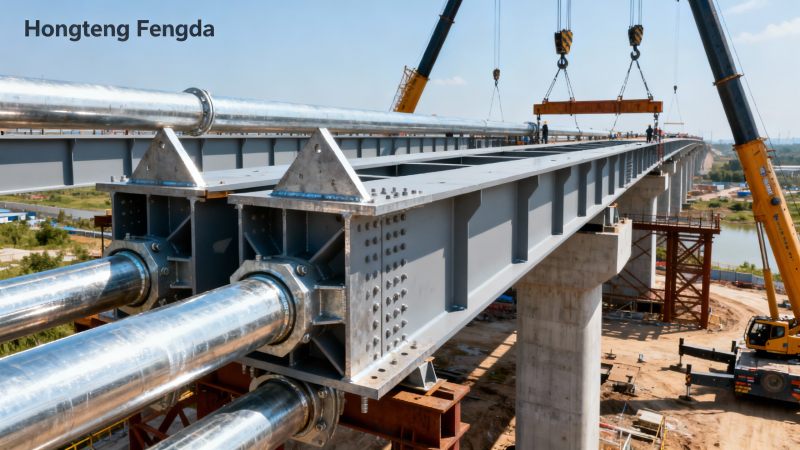
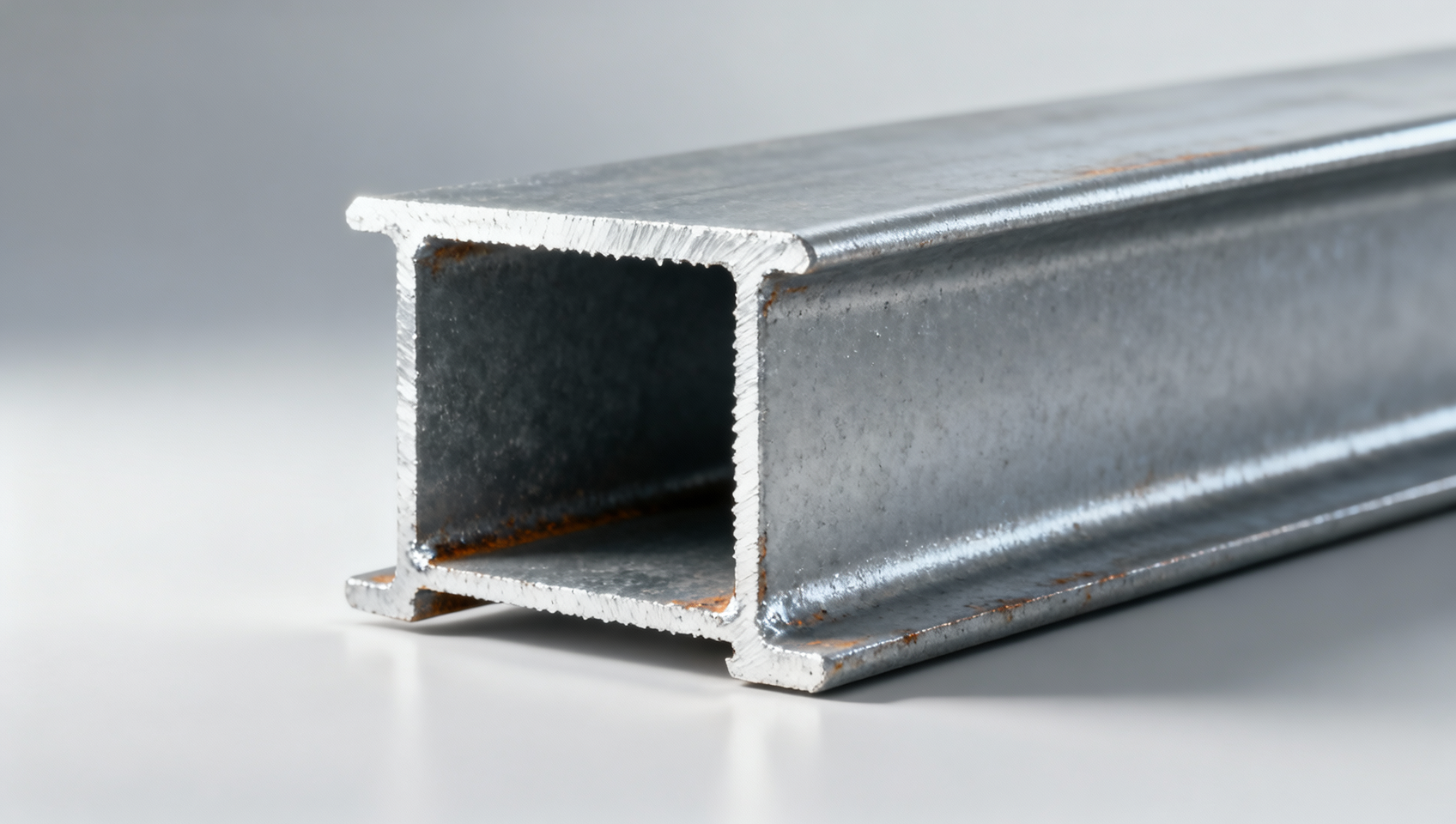
High-strength steel girder systems represent an evolution in bridge engineering, offering exceptional strength-to-weight ratios that allow longer spans and reduced material costs without compromising safety. A girder system consists typically of steel beams, steel angles, steel channels, and complementary components like steel rail or steel conduit for auxiliary structures. The selection between angle vs channel profiles depends on specific load distribution requirements, span lengths, and environmental conditions. Steel square rod reinforcements are used to enhance torsional rigidity, while steel tubes provide excellent compressive strength for secondary members. The Galv Steel Tube plays a crucial role in anti-corrosion applications, expanding its utility across various bridge segments. In modern practice, design optimization considers not only static loads but also fatigue resistance, vibration control, and seismic performance. Each steel girder system is tailored through advanced modeling and finite element analysis to predict long-term structural behavior accurately, ensuring resilience under both extreme environmental and dynamic loading conditions.
Market Overview and Industry Background
The global demand for structural steel in infrastructure is projected to maintain steady growth, fueled by emerging economies, urbanization, and the replacement of aging bridges. The steel industry, particularly in the Asia-Pacific region, continues to lead production output, with China representing a major hub for bridge steel exports. For decision-makers, quality assurance and certification alignment remain pivotal factors in procurement. Hongteng Fengda has built its reputation by supplying internationally certified steel beams, channels, and tubes that meet rigorous European and American standards. The company’s products—such as steel angle, steel square rod, and steel tube—are widely adopted across North America and the Middle East for highway bridge construction and maintenance programs. Increasingly, sustainability measures, including the use of recycled materials and environmentally-friendly coatings, define buyer preferences. As governments promote green construction policies, steel structures are favored for their recyclability and low embodied carbon footprint. This trend enhances the demand for coated steel solutions like galvanized profiles that resist corrosion and enable longer maintenance cycles, directly influencing total ownership costs.
Application Scenarios and Practical Benefits
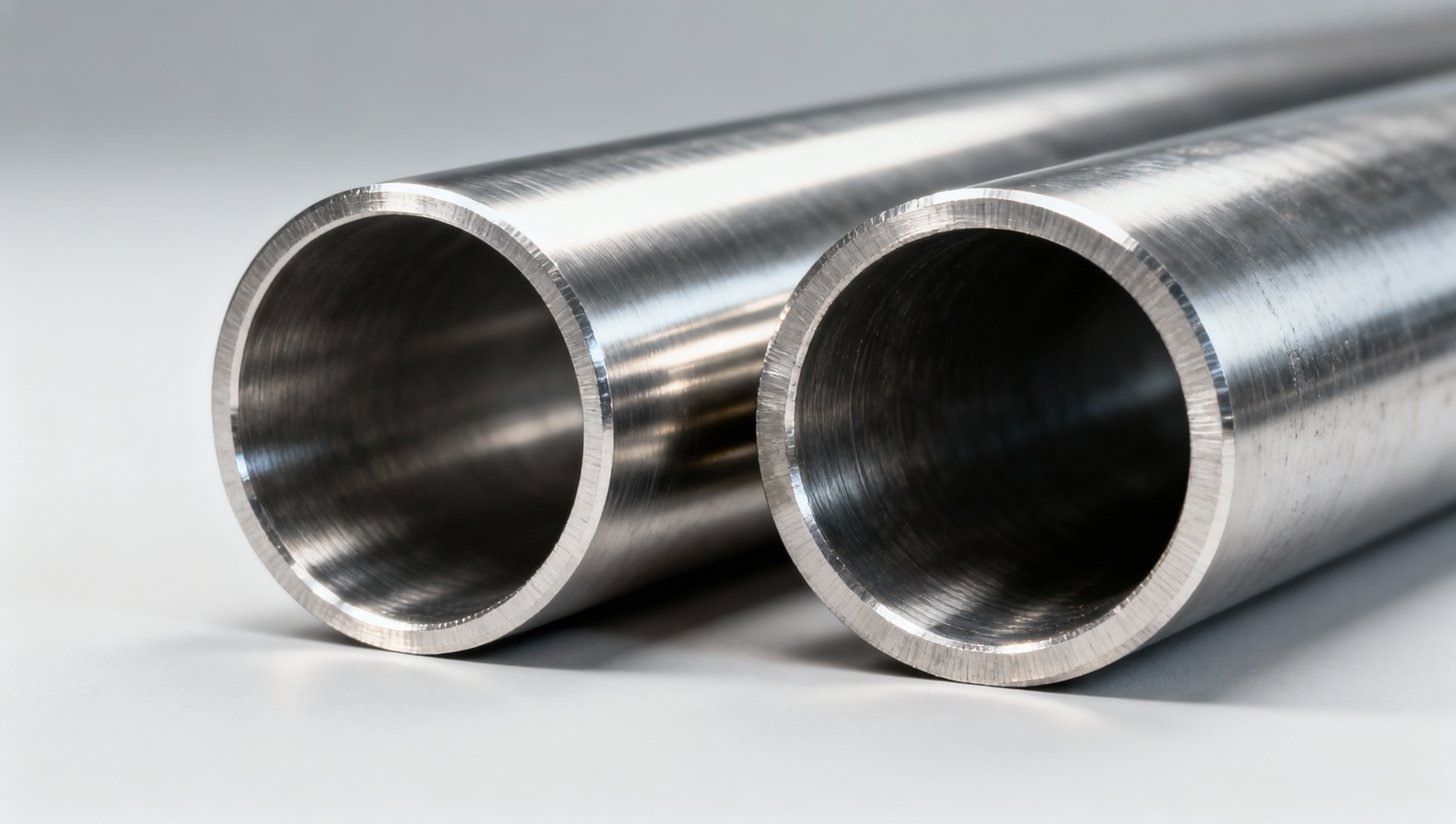
Bridge engineers and project managers select high-strength steel girder systems for numerous infrastructure scenarios, including cable-stayed bridges, pedestrian overpasses, railway viaducts, and highway flyovers. The preference for steel over conventional concrete stems from flexibility in fabrication, speed of assembly, and superior weight efficiency. When paired with materials like steel roof sheet for decking and corrosion-protected steel conduit for utility routing, the system gains both structural and service performance advantages. The Galv Steel Tube model DX52D is also used as a support frame pipe for trestle piles and mining pits, providing durability in high-moisture or chemical exposure environments. Its thickness tolerance of ±0.15mm and customizable length up to 12 meters make it ideal for precision structural integration. In bridge settings, such components support oil and gas pipelines, communication conduits, or water drain channels that must coexist with load-bearing girders. Hongteng Fengda’s custom fabrication capability further enhances the adaptability of each girder system. Through close collaboration with designers, they align product specifications—such as flange thickness, web depth, and coating layer composition—to local climate requirements and construction codes, ensuring ultimate performance consistency.
Technical Performance and Material Advantages
The performance of a steel girder system hinges on several parameters: yield strength, ductility, fatigue life, and corrosion resistance. Hongteng Fengda’s manufacturing process leverages advanced rolling, quenching, and galvanization techniques that improve microstructural uniformity and mechanical continuity. For example, using cold-formed steel profiles enhances dimensional accuracy and surface quality, while angle vs channel combinations allow flexible adaptation to cross-sectional stress flows. The inclusion of steel square rod reinforcements helps resist lateral buckling under concentrated loads, commonly observed in bridge decks and high-traffic sections. Steel tubes and steel rails complement these assemblies by delivering compressive and lateral restraint. Modern protective coatings—such as a top coat of 5-micron primer plus 20-micron color with a 7-micron back primer—extend service life and resist salt spray corrosion, particularly critical in coastal or deicing environments. Table 1 below summarizes typical technical parameters used in bridge-grade steel components supplied by Hongteng Fengda.
Comparison Analysis: Steel vs Other Materials
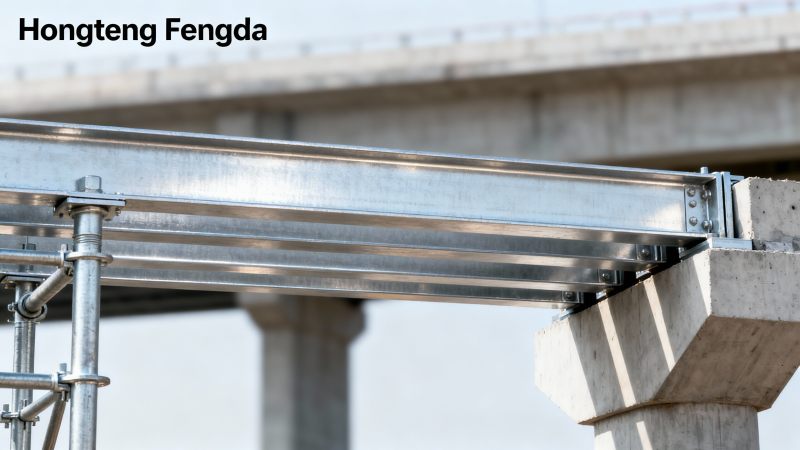
When assessing bridge materials, engineers often compare steel girder systems against alternatives such as pre-stressed concrete or composite materials. Steel girders stand out for their high strength-to-density ratio and superior fatigue performance. Unlike concrete, steel retains flexibility and can be prefabricated in factory settings, reducing onsite construction risks and time. The contrast between angle vs channel configurations enables optimized cost-performance balance. Channels distribute loads effectively across shorter spans, while angles provide versatile connection capacities for trusses and frames. Steel conduit and steel roof sheet components further improve system integration, allowing for complete prefabricated modular structures. Furthermore, maintenance efficiency is a significant factor: corrosion-resistant coatings and hot-dip galvanization substantially reduce lifecycle costs compared to frequent concrete repair cycles. In addition, the recyclability of steel creates sustainability benefits that align with modern environmental regulations and corporate ESG goals, supporting cross-border procurement and financing for public infrastructure investments.
Procurement Guide and Quality Assurance
For procurement specialists and project managers, selecting the right structural steel partner involves evaluating performance metrics, certifications, and logistical support. Hongteng Fengda ensures consistent quality through intensive ISO-aligned inspection and third-party laboratory verifications. Each product batch undergoes weld testing, dimensional verification, and coating adherence checks. Buyers should consider their bridge type, expected load cycles, and environmental conditions when choosing between steel tube, steel angle, or channel configurations. Technical documentation including CAD drawings, mill certificates, and ASTM-compliant mechanical data sheets are provided to ease approval processes. The company’s OEM customization capacity empowers engineering consultants to adapt specifications according to regional code requirements. Combined with robust export experience across Europe and the Middle East, Hongteng Fengda guarantees smooth shipping, traceability, and after-sales technical service. By integrating customized solutions such as hot-rolled or cold-formed beams, the enterprise supports clients in achieving structural optimization, material savings, and reduced overall procurement complexity.
Standards, Certification and Compliance
Bridges designed with high-strength steel girders must conform to strict international and national standards that define load capacities, material compositions, and inspection protocols. Hongteng Fengda ensures every product, including steel square rod, steel conduit, or steel rail, meets AISI, DIN, JIS, GB, and EN certifications. These standards specify mechanical thresholds such as minimum yield stress and impact toughness, ensuring compatibility across global design codes. The company’s steel manufacturing lines utilize real-time data monitoring and quality feedback systems that maintain compliance throughout the production cycle. Because bridge projects often extend over decades, traceable documentation and certification authenticity play vital roles in public safety accountability. As governments modernize their construction standards to integrate smart material monitoring and lifecycle assessment indexes, compliant suppliers like Hongteng Fengda deliver confidence for high-value infrastructure investments, minimizing engineering risks and regulatory delays throughout execution phases.
Trends and Future Insights
The future of bridge engineering is shifting toward intelligent, modular steel structures that integrate digital design tools, automated fabrication, and embedded sensors for long-term performance monitoring. Increasing emphasis on low-carbon production encourages the use of recycled steel and energy-efficient processing technologies. Material innovations like ultra-high-strength steels and hybrid composite girders will further enhance durability under harsh environments. For steel manufacturers, managing consistency at high production volumes becomes both a challenge and an opportunity for technological leadership. Decision-makers should anticipate stronger partnerships between manufacturers and design institutes for lifecycle optimization studies. Moreover, real-world projects demonstrate that bridges constructed with optimized steel girder systems show reduced maintenance costs and improved resilience against environmental degradation. As demand expands across emerging economies, reliable Chinese steel exporters with proven track records—such as Hongteng Fengda—will continue to provide the backbone for infrastructure growth worldwide, combining efficiency, adaptability, and sustainability in every project delivery.
Why Choose Hongteng Fengda
Choosing Hongteng Fengda means partnering with an experienced structural steel manufacturer and exporter from China that prioritizes engineering excellence, reliability, and customer-focused service. The company’s expertise spans angle steel, channel steel, steel beams, and tailor-made steel components. Clients benefit from stable production capacity, adherence to ASTM, EN, and JIS standards, and dependable logistics networks reaching North America, Europe, and Southeast Asia. From initial design consultation to after-sales technical support, Hongteng Fengda collaborates closely with project management teams to reduce sourcing risks and maintain consistent quality. Whether developing bridge girders, structural frames, or pipeline systems, the company offers value-oriented solutions that align with long-term performance requirements. For more information or customized steel solutions, industry professionals, procurement officers, and project owners are encouraged to contact the Hongteng Fengda technical team to explore partnership opportunities that advance safe, durable, and cost-effective infrastructure development worldwide.
- channel steel
- h girder
- steel i
- l angle
- angle steel
- galv steel tube
- structural steel
- steel beams
- steel profiles
- Steel Angles
- Structural Steel
- Steel Beams
- Profile
- Galvanized
- Steel Beam
- Steel Channel
- steel profile
- steel conduit
- steel roof sheet
- steel tube
- steel rail
- steel girder
- steel angle
- steel square rod
- angle vs channel
Related recommendations
 How long does acero prepintado retain gloss and color stability in direct desert sunlight?Acero prepintado gloss & color stability in desert sun? Discover real-world performance data, PVDF vs. polyester longevity, and spec-critical insights for GCC projects.
 Does acero pregalvanizado maintain coating integrity after cold bending to 90 degrees?Acero pregalvanizado maintains coating integrity after 90° cold bending — when engineered right. Discover how Hongteng Fengda guarantees real-world performance, adhesion & corrosion resistance.
 Do the advantages of galvanized steel include reduced fire risk compared to untreated carbon steel?Advantages of galvanized steel include measurable fire-risk reduction vs. untreated carbon steel—learn how zinc delays ignition, buys critical escape time, and enhances safety without false 'fireproof' claims.
 How much does 2 inch ss pipe price increase when upgrading from Schedule 40 to Schedule 80 for high-pressure systems?2 inch ss pipe price increases 18–35% when upgrading from Sch 40 to Sch 80—discover why, when it’s truly needed, and how to avoid overpaying.
Please give us a message


Please enter what you want to find