Introduction
Ensuring the stability and safety of railway tracks depends on choosing the right steel materials and manufacturing expertise. As a leading structural steel manufacturer and exporter from China, Hongteng Fengda provides high-performance steel bar for railway construction along with steel channel for mezzanine floors, carbon steel for pressure vessels, and other custom steel profiles. With strict quality standards and advanced production, we help global infrastructure projects achieve long-term durability, efficiency, and safety. For railway systems that require consistent performance under heavy load and dynamic stress, the right choice of steel determines both longevity and passenger security. Hongteng Fengda integrates metallurgy innovation, controlled composition, and enhanced finishing techniques to create resilient steel rebar for earthquake resistance and steel profile for architectural design. Our manufacturing lineup supports bridges, terminals, port facilities, and railway frameworks where structural reliability is essential. Customers worldwide rely on us for stable quality that conforms to ASTM, EN, JIS, and GB benchmarks, ensuring dependable results across varied construction needs.
Definition and Structural Role of Steel Bar in Railway Construction
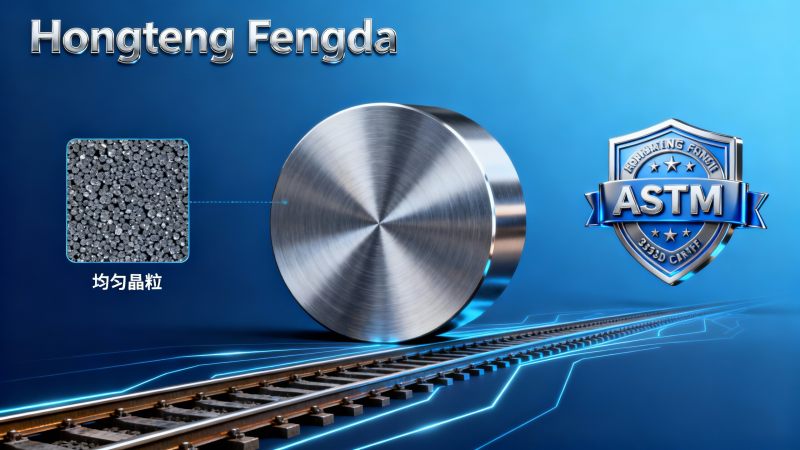
A steel bar for railway construction is a core structural component that reinforces track beds, anchor points, and load-bearing joints. It absorbs stress, minimizes deformation, and enhances the endurance of rail systems under temperature fluctuations and train movements. Unlike simple metal rods, these steel bars are engineered through controlled rolling processes that ensure high tensile strength and optimal ductility. In railway construction, they work in synergy with ballast, sleepers, and fasteners to maintain track alignment and prevent subsidence. The composition of steel bars frequently includes controlled percentages of carbon, manganese, silicon, and trace elements that improve fatigue performance. By contrast, inferior materials often lead to microcracks or premature corrosion, undermining long-term safety. Through continuous material testing and precise heat treatment, Hongteng Fengda guarantees consistency between bars, minimizing issues of uneven hardness or surface defects. This attention to material science enables our bars to perform reliably even under the vibrational loads common in high-speed and freight train systems. The synergy between steel beams, steel rebar for earthquake resistance, and structural steel components establishes a comprehensive framework for railway durability that resists both static pressure and cyclic stress.
Market Overview and Industry Background
The global railway construction market is expanding rapidly due to increasing demand for efficient mass transportation and logistics infrastructure. Governments and private developers are investing heavily in high-speed rail networks, urban transit, and freight corridors. This expansion fuels demand for steel bar for railway construction and complementary products like steel channel for structural support and steel pile for port construction. Advanced countries focus on upgrading existing systems, while developing regions emphasize connectivity and resiliency. As construction complexity rises, project managers prioritize steel products with certified quality, predictable mechanical performance, and reduced maintenance cycles. According to industry analysis, sustainable material sourcing, lower carbon footprints, and safety compliance are shaping procurement decisions. Hongteng Fengda’s adherence to international standards such as ASTM A615 and EN 10025 aligns well with these evolving expectations. Our carbon steel for automotive industry and pre-painted steel sheet offerings also reflect growing cross-industry synergy. The steel material market remains intensely competitive, where quality assurance and logistical reliability outweigh price alone. Hongteng Fengda’s integrated production chain, from billet casting to finished structural profiles, empowers buyers with transparent traceability and optimized lead time management.
Technical Performance and Material Specifications
The mechanical properties of steel bars determine their suitability for railway infrastructure. Key performance indicators include tensile strength, yield ratio, ductility, and fatigue resistance. Hongteng Fengda’s production follows strict metallurgical controls to optimize grain structure uniformity and minimize inclusions. The result is resilience against cracking under flexural stress and superior weldability during on-site assembly. Our advanced mills deploy controlled cooling processes that stabilize microstructure and achieve desired performance for both cold and hot-rolled variations. Complementary to our railway steel bar range, the Gi Coil product line—manufactured from high-quality galvanized steel with zinc coating weights between 60–275g/m²—delivers robust corrosion protection for construction environments. Its technical strength ranges include grades like DX51D+Z to S550GD+Z, each supporting applications that demand excellent tensile endurance and elongation balance. Specifications such as 0.12–3.5 mm thickness and up to 1500 mm width ensure flexible design compatibility. Whether used for protective casings, signal cabinets, or rail-side structures, these materials complement the railway’s steel backbone by offering superior surface protection and lifespan extension. Hongteng Fengda’s internal laboratory maintains full compliance with AISI, ASTM, DIN, JIS, and GB standards, guaranteeing traceable certification and performance validity.
Application Scenarios and Project Integration
Steel bar for railway construction has versatile applications across varied track types and geographical terrains. In ballast tracks, bars reinforce concrete sleepers to enhance compression capacity and resist longitudinal forces. Elevated tracks utilize structural steel beams in conjunction with cold formed steel profiles to reduce total weight while maintaining strength. Tunnel sections often adopt reinforced lattice bars treated for high humidity and corrosion-prone conditions. Seamless integration of steel materials ensures balanced distribution of operational loads and long-term dimensional stability. For earthquake-prone areas, the use of flexible steel rebar for earthquake resistance mitigates seismic risks by distributing energy shocks across uniformly bonded steel networks. Project managers and safety inspectors value predictable yield strength and elongation behavior that comply with global rail infrastructure codes. Additionally, components such as Gi Coil-coated barriers and corrugated steel sheet coverings safeguard peripheral elements from weathering. These installation examples demonstrate the importance of integrated steel material sourcing—from carbon steel for pressure vessels to architectural design steel profiles—each piece contributing to the entire transportation ecosystem. Hongteng Fengda supports clients from feasibility assessment through on-site delivery, leveraging production scheduling and precision logistics to keep time-sensitive railway projects on track.
Procurement and Selection Guide
Selecting the right steel bar and associated structural components for railway construction requires technical knowledge and clear procurement criteria. Buyers should evaluate chemical composition certificates, mechanical property reports, and testing data from reputable labs. Compliance with ASTM, EN, and GB grades ensures predictable interoperability across rail systems. Procurement officers should also assess corrosion resistance capabilities, especially in coastal or freeze-thaw environments. Hongteng Fengda provides detailed inspection documentation for every batch, along with ultrasonic and tensile testing verification. Customization options cover variable bar diameters, lengths, and surface finishes. Supply chain efficiency remains critical; delay in material procurement could cascade into higher project costs. Therefore, we maintain consistent stock capacity and can deliver bulk consignments without compromising traceability. Quality auditors and safety engineers frequently prefer suppliers that provide both raw performance data and after-sales support. Through collaborative consultation, we advise engineers to pair steel channel for mezzanine floors or steel channel for structural support with compatible rebar systems. The combination of strict dimensional control and certified production enables our international buyers to meet both technical and regulatory expectations efficiently.
Comparison and Cost Analysis
Comparing different steel grades and product categories reveals key cost-performance variables relevant to railway infrastructure. Carbon steel grades typically deliver superior load-bearing capacity at moderate price points, making them ideal for bulk applications such as sleepers and frame assemblies. Alloy-enhanced steels, while more costly, provide extended fatigue resistance and reduced lifecycle maintenance. Hongteng Fengda assists clients in balancing initial investment against operational longevity. Utilizing optimized rolling patterns and galvanic coatings cuts maintenance intervals and mitigates corrosion damage. When compared to concrete or composite alternatives, steel bars provide higher tensile adaptability and lower replacement costs. The inclusion of products such as corrugated steel sheet further extends structure usability by offering weather-shield benefits. For clients seeking economical alternatives, our technical teams provide detailed material substitution analysis. We evaluate both performance degradation rates and cost amortization models across diverse environmental conditions. The integration of Gi Coil components into railway station roofing or utilities contributes additional protective value with minimal economic impact. Ultimately, the most cost-efficient strategies are those focusing on measured performance-to-cost ratio validated by transparent supplier testing and third-party certification.
Standards and Certification Compliance
Railway construction safety depends on adherence to international and national standards governing steel properties, chemical limits, and mechanical thresholds. Hongteng Fengda executes production under the supervision of certified quality engineers ensuring that every steel bar conforms to ASTM A615, EN10025, and GB/T 1499 regulations. These certifications address tensile strength, elongation, and chemical composition. We also comply with internal ISO-based auditing, traceability matrix protocols, and heat-number identification procedures. Our laboratory instruments routinely calibrate for spectrographic analysis and metallographic assessment to ensure consistency across lots. For clients operating in multiple countries, multi-standard compliance simplifies documentation during import or tender processes. Products like Gi Coil and pre-painted steel sheet lines are simultaneously tested under ASTM and JIS conditions for coating adhesion and corrosion resistance. This cross-standard assurance mitigates risk during customs clearing and compliance verification. By maintaining an up-to-date certification portfolio, we demonstrate our accountability toward engineers, buyers, and safety regulators, ensuring total reliability from factory floor to field performance. Certification transparency fosters confidence among international railway development entities seeking dependable steel sourcing partnerships.
Case Studies and Success Practices
Hongteng Fengda has supplied structural steel components to several large-scale railway projects across Asia and the Middle East. In one recent high-speed rail development, our precision-engineered steel bar minimized vibration-induced wear over a five-year monitoring span. Engineers recorded reduced track alignment deviation compared with baseline averages from non-optimized steel. Another coastal freight terminal integrated galvanic steel channel systems and thermal-treated steel rebar to combat saline corrosion, resulting in maintenance cost reductions by over 20%. Our collaboration with European construction firms demonstrated how cross-standard verification streamlines multi-nation tender compliance. The client’s project incorporated carbon steel for pressure vessels and steel pile for port construction to ensure mechanical coherence across substructures. Beyond material supply, our technical advisory team supported stress modeling and fatigue analysis, enabling better predictive maintenance schedules. These cases highlight both material performance and holistic project partnership value. Hongteng Fengda’s capacity to deliver tailored OEM solutions—such as customized beam sizing, electrolytic coating, or cold formed steel profiles—has improved project efficiency, reduced rework, and elevated global client satisfaction indicators.
FAQ and Common Misconceptions
One frequent misconception about steel bar for railway construction is that all steel with equal tensile strength will perform the same. In reality, microstructural uniformity and ductility ratios critically influence fatigue resistance under cyclical stress. Buyers should therefore request both chemical and metallurgical data rather than relying solely on average strength figures. Another common question involves corrosion prevention: “Do galvanized coatings fully eliminate rust risk?” The answer lies in correct application and coating thickness. Solutions like Gi Coil galvanized layers provide moderate protection that significantly slows corrosion but must be complemented by maintenance procedures. Some buyers also assume that heavier steel sections automatically equate to higher stability; however, material balance and load distribution design often outperform simple mass addition. Lastly, many project engineers overlook post-installation quality monitoring. Regular ultrasonic testing and surface inspection prolong the life of steel bars while ensuring continued compliance with railway authority standards. Hongteng Fengda supports clients with clear guidance and technical bulletins that dispel such misconceptions, promoting informed decision-making throughout design and operation phases. By anticipating and addressing typical concerns, we enable stakeholders to achieve reliable, safe, and cost-effective railway infrastructure outcomes.
Trend and Future Outlook
As global infrastructure priorities shift toward sustainable transport systems, the steel industry is evolving toward low-carbon metallurgy and intelligent structural design. Future railway construction will increasingly adopt high-strength steel grades with reduced alloying content but improved mechanical tuning. Automated production technologies such as AI-based quality monitoring and predictive furnace control will standardize uniformity even further. In parallel, digital twins and embedded sensors may become standard within railway bars and channels, enabling real-time structural health monitoring. Hongteng Fengda invests in innovation to align with these developments, combining energy-efficient manufacturing and smarter process automation. Moreover, circular economy principles are integrating recyclability into material specification frameworks. Lightweight yet durable steel profiles will support expansion of urban transit networks while reducing environmental burdens. The convergence between architectural steel design, industrial manufacturing, and railway engineering continues to grow. This dynamic presents opportunities for collaborative advancement where Hongteng Fengda provides both technical insight and dependable product supply. By continuously upgrading our production and offering, including eco-optimized carbon steel and pre-painted steel sheet variants, we maintain a leadership position in global structural steel transformation.
Why Choose Us
Choosing Hongteng Fengda means sourcing from a structural steel manufacturer that embodies consistency, compliance, and customer-centric service. Our advanced facilities combine precise rolling, galvanizing, and cold forming technologies to achieve performance levels trusted by international clients. We cater to varied stakeholder groups—from project managers and procurement officers to quality inspectors and distributors—through robust communication and technical support. Our international export experience ensures smooth customs handling and stable delivery cycles. For railway infrastructure, we deliver complete steel solutions that include rebar systems, channels, beams, and protective coatings verified against ASTM, EN, JIS, and GB requirements. The combination of controlled production environment and professional logistics differentiates our brand in both performance and reliability. Partnering with us ensures minimized sourcing risks, cost stability, and lifecycle benefits across railway and architectural projects. Contact Hongteng Fengda today to explore how our steel bar for railway construction, structural steel profiles, and modern metallurgical expertise can help your organization build safer, stronger, and more sustainable transport infrastructure.
- steel i
- gi coil
- coil galvanized
- DX51D
- galvanized steel
- structural steel
- steel beams
- structural steel beams
- steel profiles
- Structural Steel
- Structural Steel Beams
- Steel Beams
- Profile
- Rebar
- Galvanized
- Steel Beam
- Steel Channel
- carbon steel
- steel sheet
- steel rebar
- steel profile
- steel pile
- steel bar
- corrugated steel sheet
- carbon steel for automotive industry
- Steel Channel for structural support
- steel bar for railway construction
- steel pile for port construction
- steel profile for architectural design
- steel rebar for earthquake resistance
- pre-painted steel sheet
- carbon steel for pressure vessels
- Steel Channel for mezzanine floors
Related recommendations
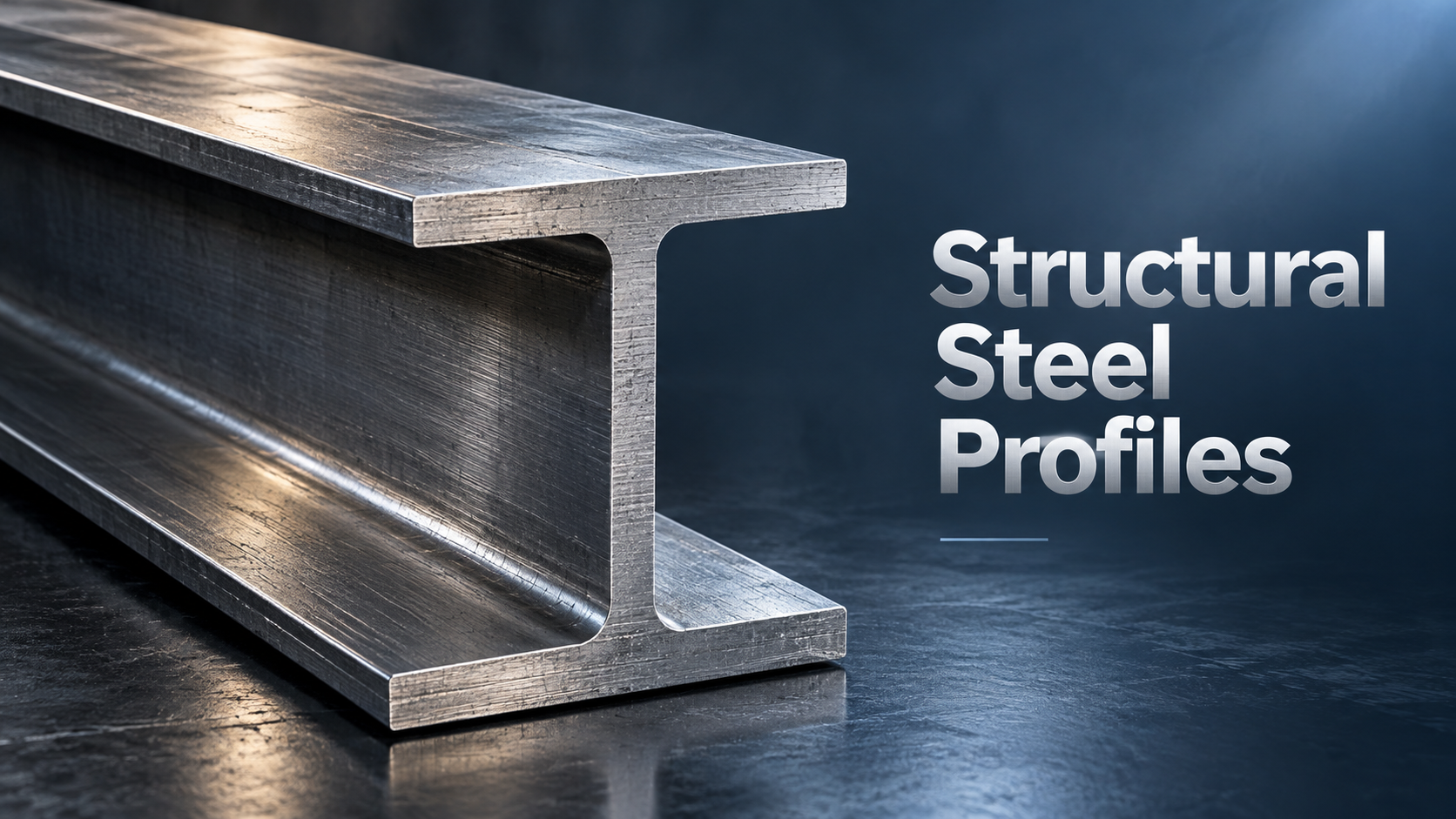
 What is an H-Beam and How Does it Differ from an I-Beam?Discover what an H-beam is and how it differs from an I-beam. Learn key structural differences and expert selection tips from Hongteng Fengda to optimize your steel construction projects today.
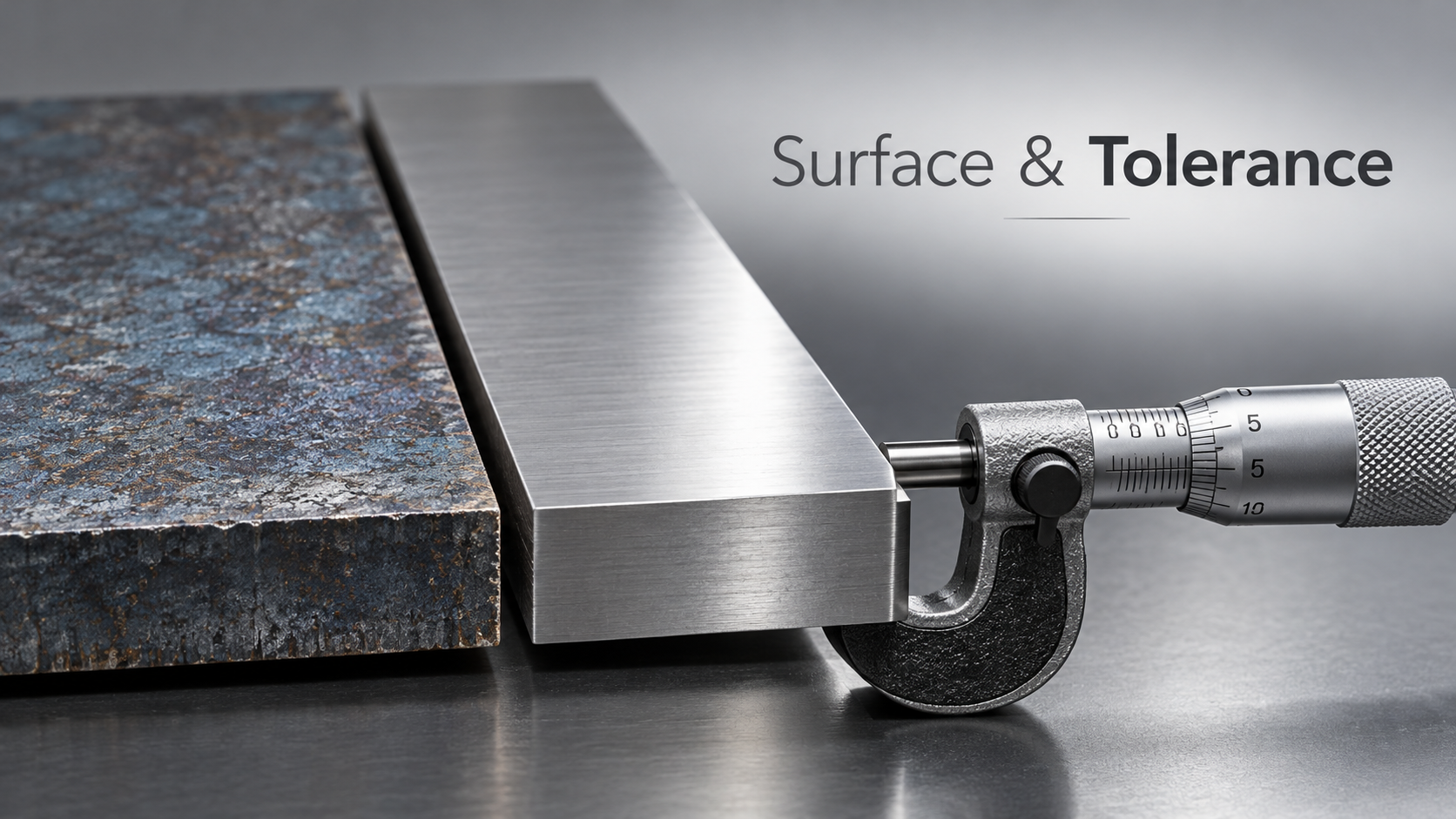
 Hot Rolled vs. Cold Rolled Steel Sheet: Surface and ToleranceHot rolled vs cold rolled steel sheet: Discover how surface finish and tolerances impact manufacturing. Optimize material selection, reduce costs, and ensure quality. Read our expert guide today!
 Best Cutting and Bending Practices for Galvanized Sheet MetalDiscover the best cutting and bending practices for galvanized sheet to prevent zinc flaking. Optimize tooling and thermal parameters to ensure perfect corrosion resistance. Read the full guide!
 What is Galvanized Sheet and How Does the Zinc Coating Work?Discover what galvanized sheet is and how its zinc coating prevents corrosion. Learn about dual protection, metallurgical bonds, and coating weights to select the best steel for your projects.
Please give us a message


Please enter what you want to find