In 2024, optimizing carbon steel for the automotive industry is reshaping material performance standards and innovation directions. As a leading structural steel manufacturer and exporter from China, Hongteng Fengda explores how advanced carbon steel for automotive industry applications—alongside steel channel for structural support, pre-painted steel sheet, and corrugated steel sheet—are meeting evolving demands in strength, sustainability, and precision manufacturing. This article reveals the latest trends driving efficiency, safety, and global competitiveness in automotive steel development.
Definition and Core Characteristics of Optimized Carbon Steel
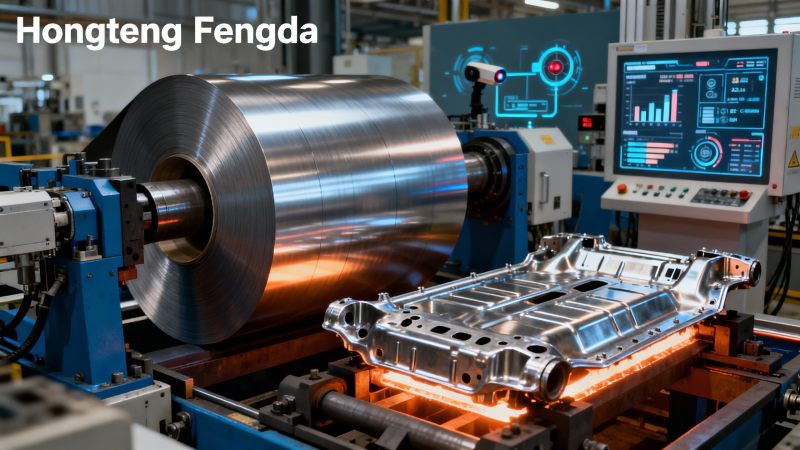
Carbon steel has long been a fundamental material in vehicle design due to its balance of strength, ductility, and cost efficiency. In the past decade, material engineers have refined carbon steel grades for the automotive industry, tailoring their microstructure through alloying elements and thermomechanical processes. Optimizing carbon steel for pressure vessels, chassis frames, and crash-resistant components involves improving yield strength and fatigue resistance without increasing weight. In particular, high-strength low-alloy (HSLA) steels and advanced ultra-high-strength steels (UHSS) are setting new benchmarks in automotive safety and performance. These materials ensure energy absorption during collisions while allowing designers to create lighter vehicle structures, contributing to fuel economy and reduced emissions. Hongteng Fengda leverages advanced rolling and heat treatment technologies aligned with international standards such as ASTM A36, EN S235JR, and JIS SS400. This ensures every ton of carbon steel produced meets tight tolerances, optimizing downstream manufacturing efficiency in stamping, welding, and coating lines.
Market Overview and Industry Trends in 2024
The automotive industry faces a transformative decade, propelled by electrification, intelligent vehicles, and stricter environmental standards. Steel suppliers must adapt quickly, providing carbon steel solutions that align with sustainability and circular economy goals. In 2024, the global market for automotive-grade carbon steel is seeing increasing investments in eco-friendly production processes, including electric arc furnace systems that reduce CO₂ emissions. Parallelly, innovations in pre-painted steel sheet and galvanized coatings are improving corrosion resistance—crucial for electric vehicles that require extended durability in diverse climates. Companies such as Hongteng Fengda integrate lean manufacturing and digital quality control to deliver carbon steel grades with traceable production data. Exporting to North America, Europe, and Southeast Asia, the company ensures consistency with certification frameworks like ISO and CE. The market’s future depends on balancing material availability, performance precision, and environmental accountability, where standardized yet customizable solutions like steel channel for mezzanine floors and carbon steel for automotive industry components are pivotal.
Application Scenarios and Product Integration
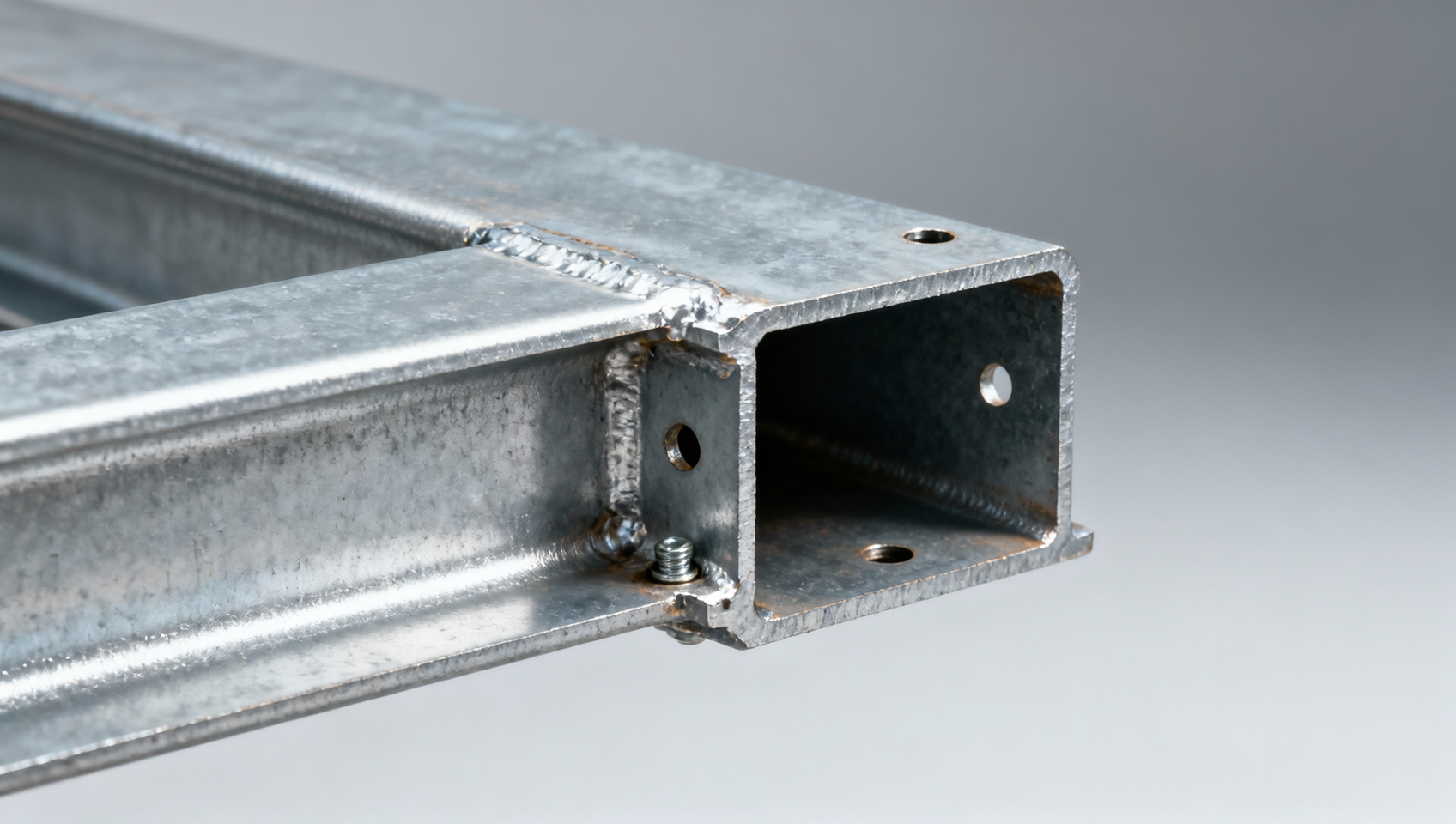
Optimized carbon steel finds use not only in car bodies and structural reinforcement but also across wider industrial applications. Modern vehicles require steels optimized for both lightweight structures and energy management under stress. Beyond automobiles, related materials like steel rebar for earthquake resistance and steel profile for architectural design share similar engineering principles, emphasizing resilience and structural integrity. Hongteng Fengda’s production of C Channel Beam demonstrates this versatility. The product is available in Q195, Q235, Q345, A36, SS400, and S235JR materials, processed through hot or cold rolling, with galvanized or powder-coated finishes for corrosion resistance. Its applications range from steel structure buildings to mechanical light industry manufacturing. Automatically formed by C-shaped steel forming machines, each section upholds standards such as AiSi, ASTM, BS, DIN, and GB. With lengths of 6m, 9m, or 12m and tolerance control within ±1%, these components are suited for assembly lines prioritizing weight reduction and material efficiency. The integration of such components enhances the adaptability of automotive production techniques, where similar structural performance requirements govern both mobility and infrastructure solutions.
Technical Performance and Manufacturing Standards
Advances in steel manufacturing technology allow for precise control over mechanical properties, ensuring consistent strength-to-weight ratios. At Hongteng Fengda, continuous casting, controlled cooling, and computer-aided forming technologies enhance microstructural uniformity. When producing carbon steel for automotive industry clients, parameters like tensile strength, elongation, and Charpy impact values are strictly monitored. Coating processes—such as galvanizing and black varnishing—offer additional protection for structural components under weather exposure. Each batch is verified under international certification systems, including CE, SGS, BV, and ISO, delivering products that meet safety and compliance standards required for global trade. Automotive engineers rely on these predictable qualities during design simulations, improving production planning and long-term maintenance cycles. The thickness range of 1mm–12mm provides flexibility for both reinforcement panels and body structures. When combined with welded or bolted joints, materials like steel pile for port construction or steel bar for railway construction demonstrate the scalability of industrial-grade carbon steel technology for complex infrastructure networks.
Procurement Guide and Quality Control Insights
Selecting the right steel grade demands understanding a project’s mechanical and environmental stresses. Procurement teams and quality managers often evaluate carbon steel for automotive industry applications based on surface treatment, elongation capacity, and corrosion resistance standards. For example, galvanized and powder-coated variants offer robust life cycles under fluctuating humidity, while cold-drawn steel profiles provide improved dimensional accuracy during robotic assembly. Hongteng Fengda’s approach simplifies the procurement experience through transparent documentation, test reports, and flexible trade terms (FOB, CFR, CIF). Typical delivery times range between 15–20 days after order confirmation, supported by modern logistics systems to ensure reliable supply chains. Buyers from construction and automotive sectors appreciate the company’s integrated quality control from raw material input to finished product packaging. By maintaining compliance with ASTM, JIS, and EN requirements, clients minimize rework and ensure conformity across global production facilities. Additionally, engineers benefit from the ability to request OEM solutions for unique design geometries or load-bearing conditions, supported by bending, welding, and punching services that accelerate project timetables.
Comparison Analysis: Carbon Steel vs. Alternative Materials
While aluminum alloys and composites have gained attention in vehicle weight reduction, carbon steel remains unmatched in balancing cost, manufacturability, and recyclability. Compared with these alternatives, steel provides superior fatigue resistance and more predictable deformation under high-impact conditions. Furthermore, the infrastructure for steel recycling is far more developed, giving it an edge in sustainability metrics. Pre-painted steel sheet and corrugated steel sheet options expand design possibilities, particularly for exterior panels and chassis protectors where aesthetic appeal meets function. Hongteng Fengda’s carbon steel portfolio maintains cost competitiveness because of optimized rolling schedules and low scrap wastage. In contrast, aluminum processing typically involves higher energy inputs and specialized equipment. Additionally, steel’s inherent magnetic properties make it favorable for hybrid and EV systems where electromagnetic compatibility must be managed. Automotive OEMs value this stability, ensuring that long-term performance aligns with both consumer safety standards and manufacturer warranties.
Trends and Insights for Future Development
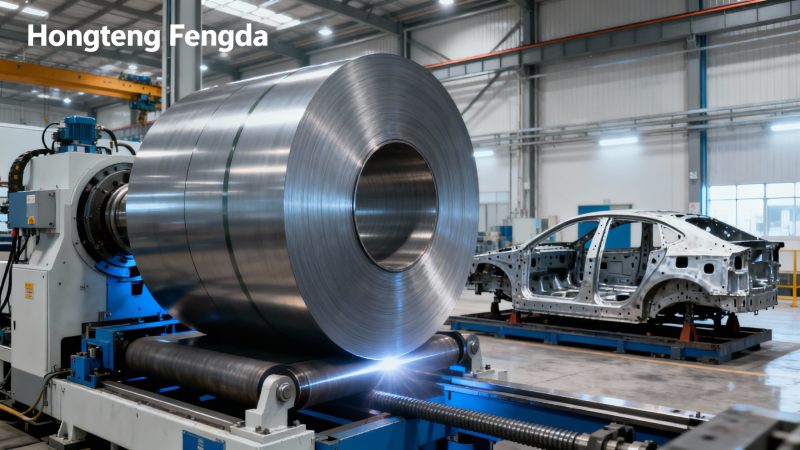
Looking forward to the next decade, digitalization and green production are redefining the steel value chain. Artificial intelligence in metallurgical control, IoT-based performance monitoring, and blockchain traceability systems are emerging as new industry benchmarks. Automotive manufacturers are increasingly specifying steel variants with verified carbon footprints to comply with ESG reporting frameworks. Hongteng Fengda actively invests in upgrading furnace efficiency, water recycling, and emission control systems, reinforcing its commitment to sustainable global trade. Meanwhile, trends show hybrid implementations—combining steel profiles with composite reinforcements—creating innovative modular structures. Demand for steel channel for structural support continues to grow, driven by prefabricated assembly methods across automotive and industrial sectors. Additionally, the evolution of ultra-thin sheet processing will improve formability, enabling complex shaping without compromising tensile strength. For clients pursuing integration between mobility platforms and construction ecosystems, such as modular station design or smart warehouse expansion, Hongteng Fengda’s adaptive manufacturing ensures readiness for custom engineering challenges.
Case Example: Implementing High-Performance Carbon Steel Solutions
A recent example involves an international automotive client seeking improved chassis stiffness and corrosion resistance for their electric SUV series. Hongteng Fengda supplied optimized carbon steel for structural b-pillars and underbody modules, integrating customized galvanizing and heat treatment sequences. Rigorous testing confirmed up to 15% improvement in crash performance and 12% reduction in component weight compared to conventional grades. Complementary use of components similar to the C Channel Beam enabled modular assembly and simplified maintenance scheduling. The success of this implementation demonstrated how advanced process control and real-time quality data support faster market rollouts. Beyond automotive, similar methods have been applied in steel pile for port construction projects, underlining the cross-sector synergy achievable through continuous innovation in steel engineering.
Why Choose Hongteng Fengda
Hongteng Fengda positions itself not just as a supplier but as a strategic partner, enabling global clients to optimize their sourcing and production strategies. Combining decades of expertise in angle steel, channel steel, and customized profiles, the company provides dependable solutions aligned with ASTM, EN, JIS, and GB standards. Its services cover design consultation, OEM manufacturing, and full logistics support. Customers across North America, Europe, the Middle East, and Southeast Asia rely on Hongteng Fengda for consistent quality and timely delivery. By investing in advanced equipment and certified processes, the company ensures traceable, sustainable, and competitive steel solutions tailored to the needs of modern automotive and construction projects. To learn more about tailored structural steel applications, or to request a quotation for high-performance carbon steel or steel channel for structural support, contact the Hongteng Fengda team today—your trusted structural steel manufacturer and exporter from China.
- c channel beam
- channel steel
- channel beam
- steel i
- angle steel
- steel supplier
- steel suppliers
- ASTM A36
- structural steel
- steel profiles
- C-shaped steel
- Structural Steel
- Profile
- Rebar
- Galvanized
- Steel Channel
- carbon steel
- steel sheet
- steel rebar
- steel profile
- steel pile
- steel bar
- corrugated steel sheet
- carbon steel for automotive industry
- Steel Channel for structural support
- steel bar for railway construction
- steel pile for port construction
- steel profile for architectural design
- steel rebar for earthquake resistance
- pre-painted steel sheet
- carbon steel for pressure vessels
- Steel Channel for mezzanine floors
Related recommendations
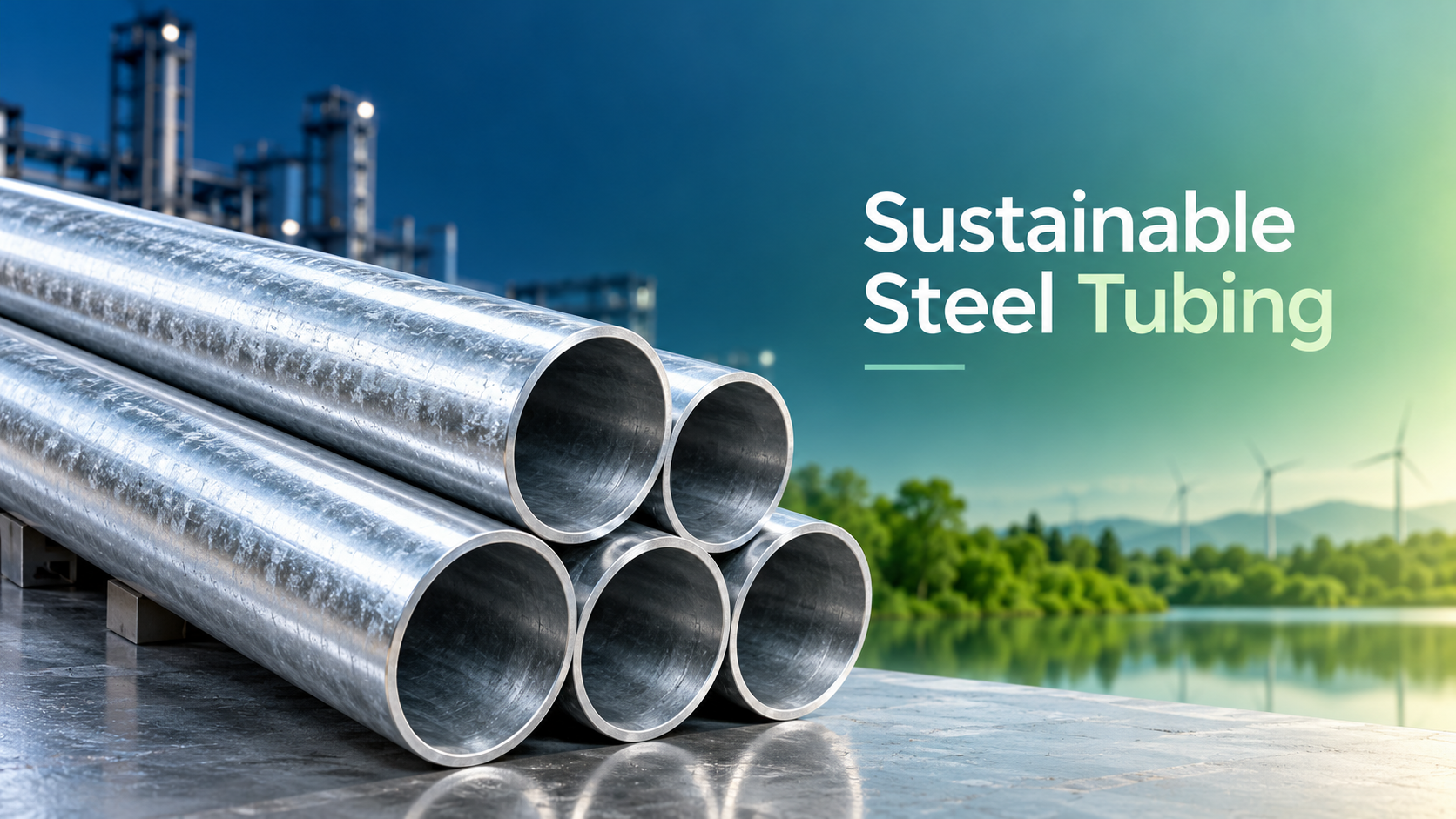
 Sustainability Trends in the Global Steel Tubing MarketsExplore sustainability trends in the global steel tubing market. Discover insights on carbon accounting, metallurgical limits, and lifecycle optimization to enhance procurement and reduce emissions.
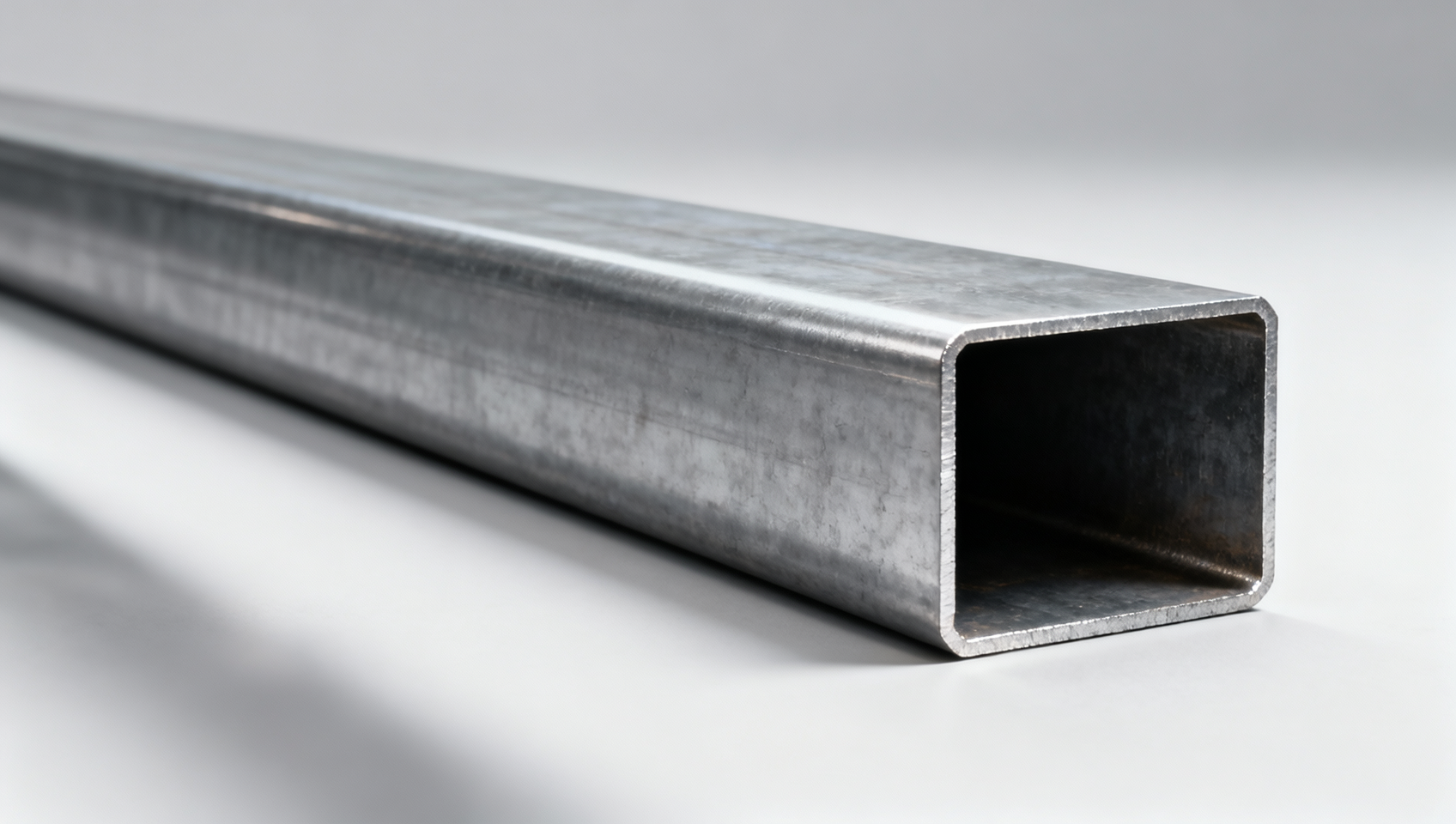
 Why do 20 feet square pipe prices vary significantly between inland and port-adjacent warehouses?20 feet square pipe price varies by location—discover why port-adjacent warehouses often deliver better total cost, speed & ROI. Get the finance-approved breakdown.
 Do the advantages of galvanized steel outweigh long-term maintenance costs in humid industrial zones?Advantages of galvanized steel in humid industrial zones? Yes—when engineered right. Discover how proper specification cuts long-term maintenance costs by 2–3×.
 How much longer does galvanized steel sheet for roofing last compared to painted steel in humid tropicsgalvanized steel sheet for roofing lasts 2–3× longer than painted steel in humid tropics—25–40 vs. 10–15 years. Proven durability, zero scheduled maintenance, and lower lifecycle cost.
Please give us a message


Please enter what you want to find