Selecting the right steel pile for port construction requires a careful balance of load-bearing capacity, corrosion resistance, and cost efficiency. As a leading structural steel manufacturer and exporter from China, Hongteng Fengda offers durable solutions including steel pile for port construction, steel channel for structural support, and carbon steel for pressure vessels. Understanding these performance factors helps engineers, project managers, and procurement specialists choose materials that ensure long-term stability, optimize budgets, and meet international construction standards. Ports are exposed to harsh saline environments and heavy mechanical loads; thus, selecting the proper steel grade and section design becomes critical to structural durability and life-cycle economy. The decision impacts not only the immediate construction schedule but also the maintenance intervals and overall sustainability targets of the harbor facility. Buyers from the marine engineering field often evaluate options such as pre-painted steel sheet for corrosion resistance or steel rebar for earthquake resistance depending on geographic and structural specifications.
Definition and Role of Steel Piles in Port Construction
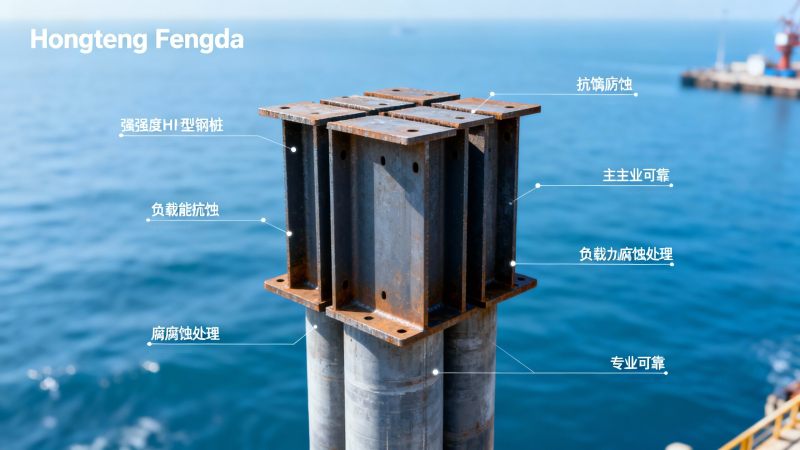
Steel piles form the skeleton of modern port infrastructure. They transfer loads from superstructures such as wharves, piers, and crane rails directly to the soil or bedrock. In simple terms, steel piles are long, cylindrical or H-shaped structural members driven into the ground to support heavy loads and resist horizontal forces. The choice between tubular piles, H piles, or composite systems largely depends on soil properties, expected loading, and design life goals. For instance, H-section piles with high strength-to-weight ratios—similar to the H Section Beam used in industrial framing—are valued for their excellent penetration ability and resistance to bending under offshore conditions. In port environments where structures are exposed to seawater, corrosion protection through coatings, galvanization, or cathodic systems becomes essential. The synergy between structural geometry, steel grade, and protective measures determines the overall efficiency and longevity of the foundation.
Market Overview and Industry Trends
Global port infrastructure development continues to grow rapidly, driven by trade expansion, energy transition, and logistics modernization. Steel remains the most reliable material for marine foundation work due to its predictable performance and cost-effectiveness compared to concrete or composite alternatives. Markets in North America and Southeast Asia are increasingly adopting carbon steel for pressure vessels and steel channels for mezzanine floors to complement the extensive use of steel piles in quay wall systems. Meanwhile, demand for recyclable materials strengthens the position of carbon and stainless steel in sustainable coastal development projects. Hongteng Fengda, as a structural steel manufacturer and exporter from China, leverages modern mills and strict quality controls to supply customized steel profile for architectural design and robust structural members like steel bar for railway construction. This capability helps international port authorities and EPC contractors secure reliable supply chains and minimize construction downtime.
Technical Performance and Material Parameters
From a technical standpoint, the mechanical performance of steel piles depends on yield strength, sectional modulus, and resilience under cyclic loading. Common materials such as Q235B, Q345B, SS400, or S355JR meet international standards like ASTM A572 and EN10025. Engineers assess stress distribution across the flange and web of the section, paying close attention to fatigue resistance, especially in wave-exposed foundations. Complementary elements like the H Section Beam follow parameters such as flange thickness (8–64mm) and web thickness (5–36.5mm), ensuring compatibility with pile cap connections and deck structures. Protective coatings including galvanized or painted layers significantly reduce marine corrosion. Moreover, hot-rolled or cold-formed manufacturing processes influence dimensional accuracy and microstructural integrity, with hot-rolled variants favored for large-diameter piles subject to dynamic impact loading. Table 1 illustrates comparative features of typical steel materials used in port foundations:
Application Scenarios and Engineering Considerations
Steel piles are key to diverse port and coastal engineering structures. They serve as foundation supports for container terminals, jetty platforms, oil and gas wharves, and ferry landings. Engineers must consider tidal fluctuations, soil mechanics, and seismic conditions during pile design. For earthquake-prone regions, combinations of steel rebar for earthquake resistance and steel piles improve lateral stability. In modern intermodal port systems, steel channels for structural support reinforce crane rail girders and mezzanine floors that host power and cargo management equipment. To reduce environmental impacts, designers often use corrugated steel sheet as temporary cofferdams, later integrated into a composite retaining wall. Hongteng Fengda’s commitment to project customization ensures that clients receive materials precisely aligned with engineering drawings and local codes. This minimizes rework risk and achieves consistent quality across entire port networks.
Comparison Analysis: Steel Piles vs. Alternative Materials
While concrete and composite piles have specific advantages, steel piles outperform them in many aspects of port construction. The high bending resistance and lighter weight of structural steel simplify transport and installation. Moreover, steel’s recyclability aligns with global low-carbon mandates. Compared with reinforced concrete, steel allows deeper penetration with less driving energy, leading to faster build schedules. When using calibrated grades of carbon steel for automotive industry or pressure-bearing vessels, the uniformity of metallurgical composition provides predictable responses under thermal and mechanical stress. On the cost side, while initial investment in marine-grade steel may appear higher, the total lifecycle cost is often lower due to reduced maintenance and faster assembly. Hongteng Fengda’s optimized cross-sectional product line, featuring economical sections like H-type profiles, proves ideal for balancing strength and efficiency in waterfront projects.
Procurement Guide and Cost Considerations
Procurement teams and project managers look for suppliers who combine technical reliability, international standard compliance, and competitive pricing. When purchasing steel pile for port construction, buyers should analyze not only the nominal price per ton but also logistics, surface treatment, and certification factors. For example, ensuring ASTM A992 or JIS G3101 conformity reduces design review delays. Evaluating suppliers with established export experience like Hongteng Fengda helps minimize communication and documentation risks. Key cost elements include fabrication accuracy, welding efficiency, and field coating performance. In some projects, pre-painted steel sheet can be used for extended corrosion defense along mooring fronts, extending inspection intervals and minimizing disruptions. Selecting the right specification from Q235 to marine-grade galvanized ensures the pile achieves target service life without excessive coating renewal cycles. Bulk procurement under strategic contracts can also enable price stability and predictable delivery schedules.
Standards and Certification
Compliance with international standards is crucial for gaining approval from classification societies and regulatory bodies. Most large port projects reference EN10025 for structural steel requirements and ASTM A36 or A572 for mechanical properties validation. Hongteng Fengda adheres to multiple system certifications covering material traceability, mechanical tests, and corrosion performance, ensuring each shipment meets both domestic GB norms and foreign approval criteria. Documentation, including mill certificates and third-party inspection reports, supports customs clearance and engineering acceptance across major global regions. Responsible sourcing practices and ongoing audits further strengthen supply chain transparency, enabling stakeholders such as quality control officers or safety managers to ensure risk-free procurement.
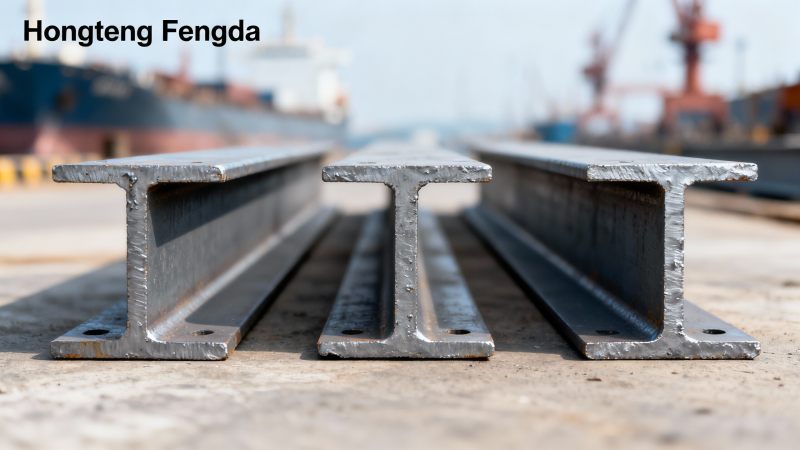
Case Studies and Successful Implementations
Over the last decade, numerous international ports have adopted structural solutions from Hongteng Fengda. For instance, in a Southeast Asian bulk terminal expansion, Q345B-grade piles and steel beams were combined to handle cargo loads exceeding design parameters while maintaining safety margins. The project team leveraged steel profile for architectural design to integrate utility corridors with minimal structural additions. Similarly, European inland ports upgraded crane platforms with carbon steel for pressure vessels-grade materials due to their high yield strength and weldability. These applications demonstrate the adaptability of customized fabrication—hot rolled or cold formed—to site-specific requirements and geotechnical environments. Client feedback highlighted the benefit of reduced lead times and consistent dimensional control resulting from Hongteng Fengda’s production and export coordination.
Frequently Asked Questions (FAQ)
Common questions arise during design and procurement stages. “Which steel grade performs best under saline water exposure?”—Typically, galvanized or stainless steel grades such as 304 or 316 offer superior corrosion resistance. “How do coatings affect welding?”—Protective treatments should be applied post-welding or with compatible primer types. “Can structural components like H-beams be combined with piles?”—Yes, integrated designs often employ beams as horizontal frames coupling multiple piles, enhancing rigidity. Another frequent concern involves the adaptability of steel channels for mezzanine floors in port warehouses; modular installations allow easy maintenance without affecting pile-supported decks. “What about cost volatility?”—Long-term partnerships with manufacturers ensure stable raw material sourcing and transparent pricing models, mitigating market fluctuations. Understanding these nuances ensures safe construction, compliance, and long-term structural performance.
Trends and Future Insights
Looking forward, the steel pile industry will increasingly focus on sustainable solutions—using low-carbon metallurgy, smart coating technology, and sensor-based corrosion monitoring systems. Digital twins and finite element simulations are redefining how engineers predict marine structure performance. Steel’s adaptability in hybrid applications—combining recycled reinforcing steel and high-strength plate for coastal resilience—will drive innovation. Hongteng Fengda invests in research partnerships aimed at developing lighter yet stronger steel beams and improved galvanization processes. As global trade volumes rise, port capacity expansion will rely heavily on standardized, modular steel components enabling rapid construction and retrofit. The integration of eco-friendly paints, corrosion inhibitors, and renewable energy-powered fabrication lines aligns the steel industry with future environmental goals, ensuring both structural reliability and ecological responsibility.
Why Choose Hongteng Fengda
Choosing Hongteng Fengda means securing a partner dedicated to precision manufacturing, technical support, and global logistics reliability. The company’s expertise in structural steel—ranging from angle steel to channel steel and customized cold formed profiles—allows clients from infrastructure, manufacturing, or shipbuilding sectors to acquire all essential materials in one supply chain. Supported by certifications under ASTM, EN, JIS, and GB, and backed by extensive export experience to North America, Europe, and the Middle East, Hongteng Fengda helps partners reduce sourcing risks while maintaining strict quality compliance. Whether your project involves steel pile for port construction or other heavy steel applications, Hongteng Fengda ensures optimized solutions and consistent performance. For further technical data or personalized consultation, contact our professional team to discuss customized fabrication, standards compliance, and efficient shipping options tailored to your project timeline.
- channel steel
- steel i
- h section beam
- angle steel
- ASTM A572
- ASTM A36
- structural steel
- steel beams
- Structural Steel
- Steel Beams
- Profile
- Rebar
- H-beam
- S355JR
- Galvanized
- Steel Beam
- Steel Channel
- carbon steel
- steel sheet
- steel rebar
- steel profile
- steel pile
- steel bar
- corrugated steel sheet
- carbon steel for automotive industry
- Steel Channel for structural support
- steel bar for railway construction
- steel pile for port construction
- steel profile for architectural design
- steel rebar for earthquake resistance
- pre-painted steel sheet
- carbon steel for pressure vessels
Related recommendations
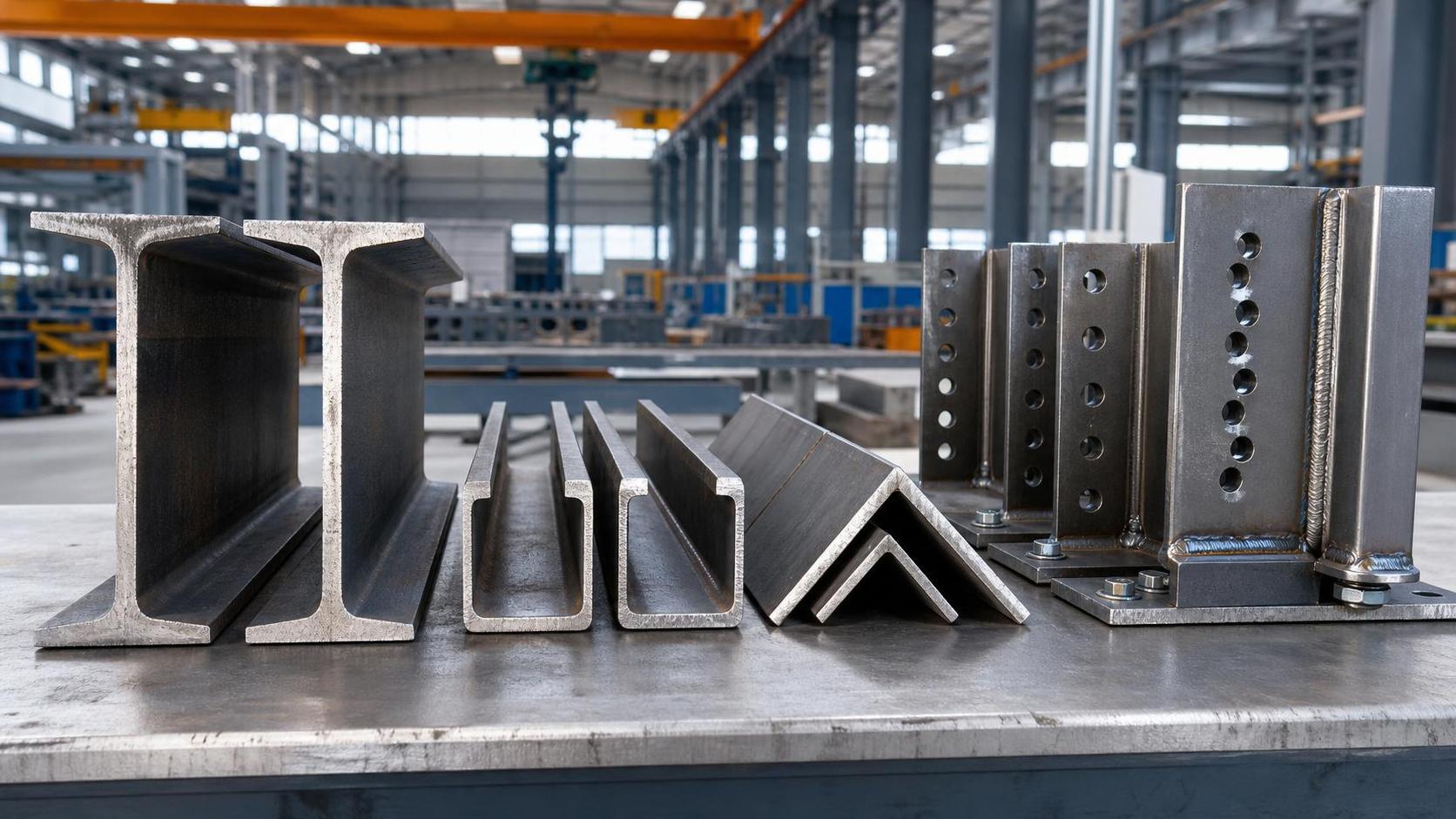
 How to Select a Steel Profile Based on Load, Span, and Fabrication NeedsProfile selection starts with load, span, and fabrication needs. Learn how to compare steel sections for strength, cost, workability, and sourcing efficiency.
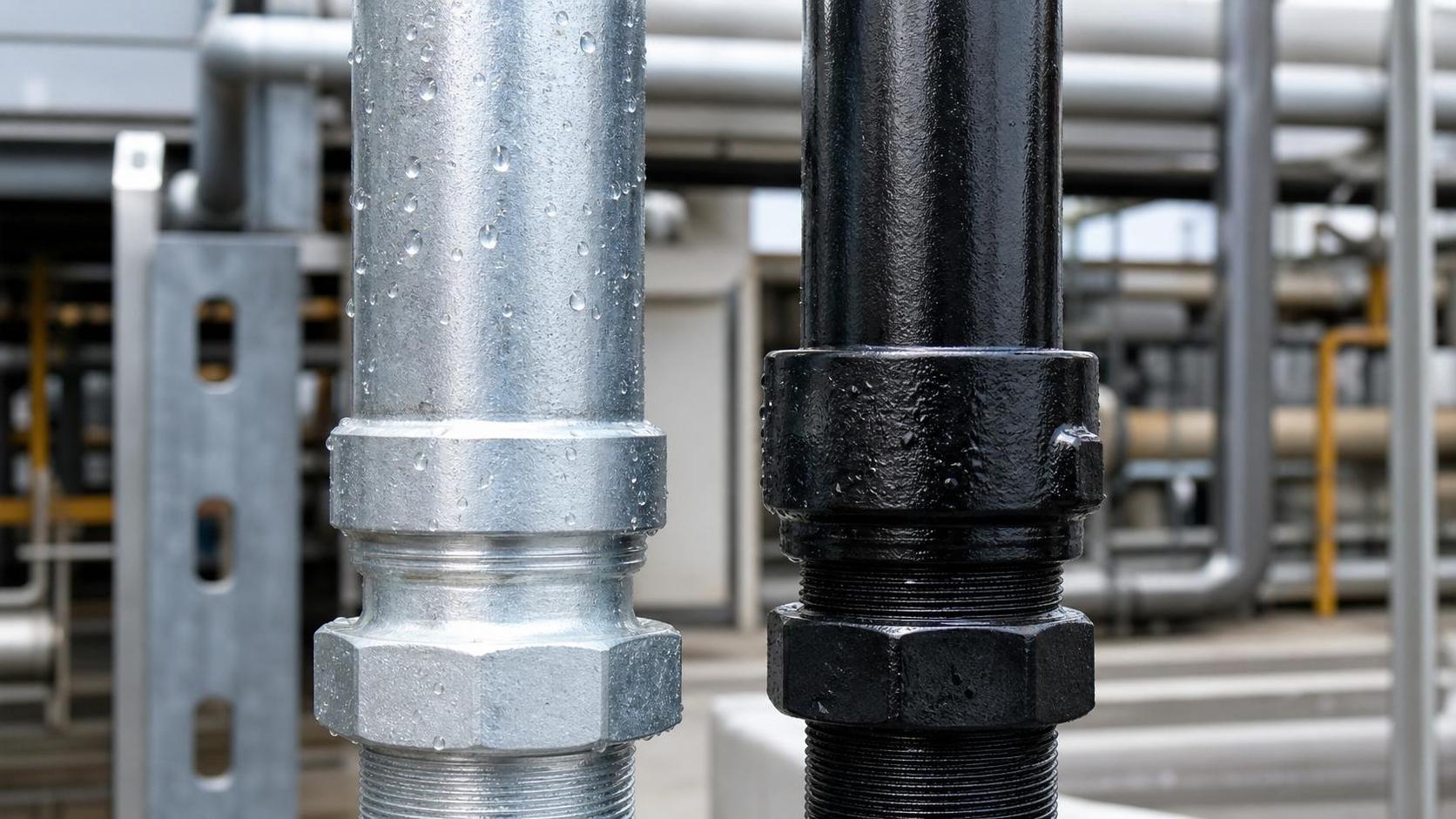
 Galvanized Pipe vs Black Pipe: Which One Fits Water, Gas, or Outdoor Lines?Galvanized pipe or black pipe? Compare the best choice for water, gas, and outdoor lines, with key insights on corrosion, codes, cost, and long-term performance.
 How to Choose Steel Roofing for Warehouses, Farms, and Residential BuildingsSteel Roofing selection depends on building type. Learn how warehouses, farms, and homes differ in corrosion, insulation, drainage, and cost for smarter roofing decisions.
 Hot-Dip Galvanized vs Pre-Galvanized Steel: Which Should You Specify?Hot-dip galvanized vs pre-galvanized steel: compare corrosion resistance, fabrication impact, cost, and standards to specify the right steel solution for durable, compliant projects.
Please give us a message


Please enter what you want to find