In the angle vs channel steel comparison, choosing the right section can directly affect structural stability, cost efficiency, and long-term performance. As a leading structural steel manufacturer in China, Hongteng Fengda provides insight into which profile delivers better value in 2024 across construction and industrial projects. From ASTM certified steel square rods to high strength steel round bars and steel tubes for industrial applications, our expert analysis helps decision-makers, engineers, and buyers select the most suitable and cost-effective option for their specific requirements. When evaluating components such as channel or angle sections, structural engineers focus on load-bearing capacity, resistance to torsional stress, and ease of fabrication. These considerations determine whether angle or channel steel provides the optimal solution in the context of bridges, mechanical supports, or lightweight steel roofs. Hongteng Fengda’s consistent supply of high-quality sections under ASTM, EN, JIS, and GB standards supports global buyers seeking both performance and reliability within competitive budgets.
Definition and Overview
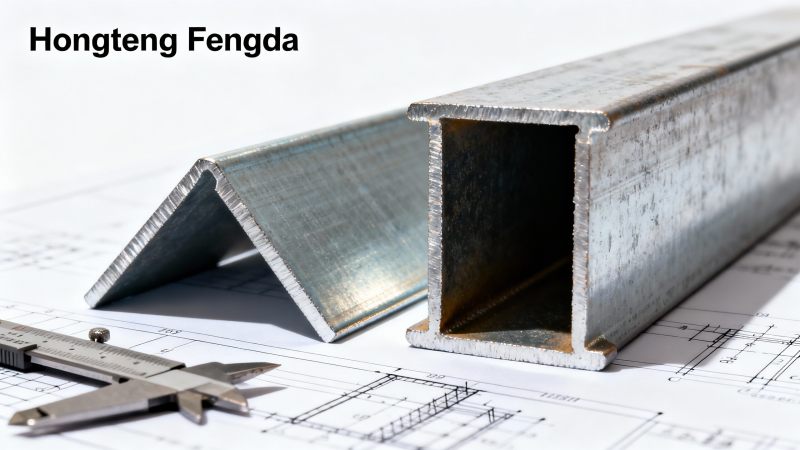
Angle steel, also known as L-section, features two legs forming a 90° angle. It is widely used for structural framing, brackets, and reinforcement components. Channel steel, meanwhile, has a C-shaped profile with flanges on its sides, offering excellent resistance to bending forces and torsional deformation. Understanding the geometry difference is the first step when considering the angle vs channel steel comparison. Angle sections usually handle axial or compressive stress effectively, while channel sections excel in applications requiring higher bending resistance or alignment stability. Modern structural steel manufacturing technologies such as continuous hot rolling, cold forming, and precision surface treatment enhance both materials’ mechanical consistency. For example, the Q235 and Q345 grades of carbon structural steel are popular choices in Asia, while ASTM A36 and ASTM A992 dominate the North American market. As a professional manufacturer and exporter, Hongteng Fengda offers these specifications globally, ensuring compatibility with international construction codes.
Market Overview and Application Trends
The global steel market has evolved rapidly due to infrastructure growth, industrial development, and the adoption of high-performance alloys. The demand for angle and channel steel is projected to increase steadily in 2024, driven by commercial construction and transportation infrastructure projects. In bridge construction, channel sections are often selected for girders and sub-frames due to their superior load distribution. In electrical systems, steel conduit for electrical wiring benefits from similar metal stability and durability characteristics. On the other hand, angle sections are dominant in general structural frames, towers, and light-gauge roof trusses. According to recent industry data, China remains the largest producer and exporter of structural steel worldwide. Companies like Hongteng Fengda play a crucial role by providing ASTM-certified, EN-compliant products with strict quality inspection, supporting distributors, engineers, and contractors in achieving consistent results. The market for Channel Steel Supplier products is also expanding in North America and the Middle East, reflecting the rising preference for cost-effective, standardized sections able to perform under diverse environmental conditions.
Technical Performance and Structural Properties
When comparing angle vs channel steel mechanically, several parameters define structural performance. Angle steel offers more flexibility during installation and can be easily welded or bolted, which is useful in frames requiring frequent adaptation. Channel sections, however, distribute load more evenly across their web and flanges, which enhances bending resistance and reduces deflection in long spans. The torsional rigidity of channel sections is superior compared to angles, making them ideal for applications like vehicle chassis or bridge supports. In terms of material selection, both carbon structural steel and stainless steel grades such as 201, 304, and 316 are frequently used depending on the required corrosion resistance. Advanced types like Duplex stainless steel combine strength and durability, suiting marine or chemical plant structures. Hongteng Fengda’s models—Q195, Q195L, Q235, Q235B, and Q345B—cover multiple grades ensuring tolerance of ±0.02mm in thickness and ±2mm in height, according to international manufacturing standards such as AISI, ASTM, DIN, JIS, BS, and GB/T. Channel dimensions typically range from 80 to 160mm in height and 1.5 to 25mm in thickness, with lengths customizable from 6 to 12 meters or more upon request.
Comparison Analysis: Angle vs Channel Steel
A direct comparison shows that angle steel is particularly suited for truss-type structures, cross-bracing, and frames where load distribution occurs along both axes. It provides good shear strength but may twist under eccentric loading. Channel steel, with its asymmetrical shape, resists lateral torsion and can bear higher bending moments when used upright. The choice often depends on whether vertical or lateral stiffness is prioritized. Engineers also review material cost versus performance; while angle sections are generally cheaper and easier to fabricate, channel sections provide longer service life in heavy-duty applications. For example, a steel girder for bridge construction might employ channel sections for durability, while light industrial racks could use angle sections due to their economy. When combined with modern coatings like hot-dip and hot-blown galvanization, both types demonstrate excellent anti-corrosion performance even in harsh weather or coastal conditions. A balanced comparison must consider lifecycle costs, including maintenance and fatigue resistance. In recent years, advancements in precision cutting and welding technology have minimized deformation risks, enhancing the usability of both profiles across different project scales.
Procurement Guide and Cost Considerations
Selecting the appropriate steel section involves more than technical specification review. Procurement officers must evaluate supplier reliability, availability of materials, and compliance with ASTM and ISO certifications. Hongteng Fengda supports clients through transparent pricing, stable stock levels, and timely delivery, ensuring that projects remain on schedule. When estimating cost, buyers should consider total expense per weight or per square meter, similar to the evaluation method for steel roof sheet price per square meter. Channel steel might present a slightly higher initial cost than angle steel due to material volume, but its reduced maintenance requirements and higher load capacity often mean better total project value. For global distributors and agent purchasers, regional price variations in raw materials like iron ore and energy affect procurement strategies. Our export experience across Europe, Southeast Asia, and the Middle East ensures flexible shipment options and documentation that meet local import standards. Additionally, integration of quality inspection systems and third-party certification (UL, CE, SGS, BV, BIS) guarantees the mechanical reliability of each produced batch.
Standards and Certification Compliance
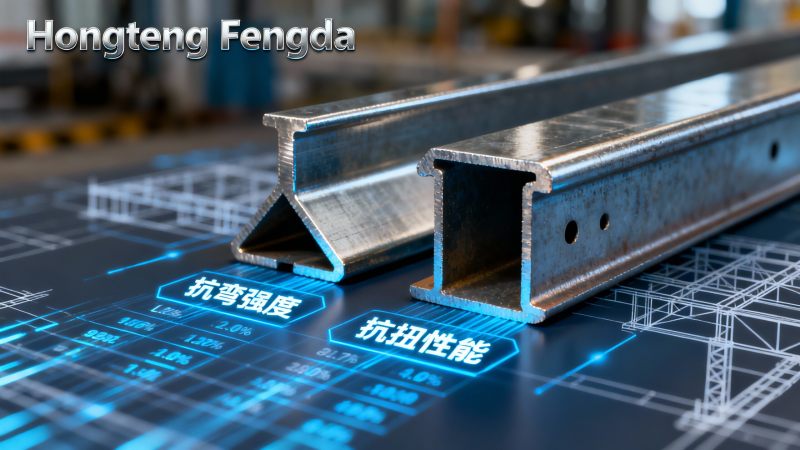
Compliance with international standards is essential for structural reliability and project approval. Hongteng Fengda adheres to ASTM, EN, JIS, and GB systems, ensuring all products, from steel tubes for industrial applications to ASTM certified steel square rods, meet strict dimensional accuracy and mechanical property demands. Certifications such as ISO, NEMA, UL, CE, and SGS reinforce trust among global clients. Each steel member undergoes mechanical testing, including tensile, impact, and yield strength assessments. The production includes hardness and chemical composition analysis to ensure consistency. For clients requiring specific performance parameters, OEM and customized design solutions are available, allowing optimization of wall thickness, height, and length according to construction load simulations. The variety of channel types—U channel steel or tailored configurations—gives engineers flexibility to select components that provide effective strength-to-weight ratios. Moreover, surface treatment such as hot-dip galvanization enhances corrosion resistance, extending the service life even under continuous humidity or chemical exposure.
Case Studies and Practical Performance
Several successful projects demonstrate the functional value of both types. In Southeast Asian manufacturing plants, Hongteng Fengda’s channel steel was used as mechanical columns and beams for light manufacturing arms, significantly improving production safety and structure stability. In contrast, North American distribution centers adopted angle steels for shelf frame structures, benefiting from lighter weight and easier assembly. Automotive manufacturers utilize channel and angle steel interchangeably for vehicle brackets and frame reinforcement. For instance, high strength steel round bar supplier data indicate that using Q345B-based channel materials in chassis design enhanced fatigue life by 12% compared to conventional sections. Likewise, in bridge retrofitting, substituting corroded angles with Duplex stainless channel sections offered superior resistance to environmental degradation. These examples highlight how understanding the angle vs channel steel comparison enables better design optimization, fulfilling diverse project requirements through smart material choices and precise manufacturing.
FAQ and Misconceptions
A common misconception is that angle steel is weaker than channel steel. In reality, both materials can achieve high load – bearing efficiency if properly supported and connected. Another question often asked is whether channel sections are necessary for light structures. The answer depends on design intent; for light roofing or purlins, angle sections might suffice, but for longer spans requiring bending resistance, channels are preferable. Additionally, many procurement teams assume that ASTM standard compliance automatically ensures equivalent mechanical performance under EN or JIS codes. While they share broad similarities, slight variations exist in yield and elongation values, so verifying the exact standard per project is essential. Lastly, questions arise about surface coatings—hot – dip versus hot – blown galvanized. Both methods protect against corrosion, yet hot-dip galvanization generally achieves thicker, more uniform coverage, extending lifespan in marine or industrial environments. Understanding these differences supports informed decisions and reduces financial risks during project execution.
Trend and Future Insights
Looking forward to 2024 and beyond, the steel industry emphasizes sustainability, automation, and lifecycle efficiency. Structural optimization through digital simulation allows precise selection between angle and channel sections. Global infrastructure growth—particularly in green buildings and modular industrial zones—drives more demand for high strength, corrosion-resistant steel profiles. As a Channel Steel Supplier and leading structural steel exporter, Hongteng Fengda continues to invest in intelligent fabrication lines, environmentally friendly galvanizing processes, and consistent quality control systems. Customers benefit from advanced materials that deliver better structural performance without increasing environmental footprint. By integrating digital quality tracking, remote inspection, and logistic transparency, Hongteng Fengda enhances collaboration with international buyers, helping engineers achieve both safety and sustainability in construction. Thus, the future comparison of angle vs channel steel is not only about shape or price but about comprehensive value—combining strength, efficiency, and environmental responsibility into every project.
Why Choose Hongteng Fengda
Hongteng Fengda positions itself as a reliable long-term partner for builders, contractors, and distributors worldwide. Our advantage lies in diversified product supply—angle steel, channel steel, beams, cold-formed profiles—paired with customized service and fast turnaround. We maintain abundant stock, provide reasonable pricing, and ensure timely global delivery. Each batch undergoes professional inspection under ISO and ASTM frameworks, guaranteeing both high strength and superior weldability. Our experienced technical team helps clients evaluate design loads, optimize selections, and align specifications with international standards. For buyers looking to reduce sourcing risk and control material cost without compromising structural safety, Hongteng Fengda remains the trusted name among steel manufacturers in China. Contact our technical sales department today to request a quotation or discuss tailored solutions for your upcoming industrial or construction projects.
- channel steel supplier
- channel steel
- steel i
- angle steel
- steel supplier
- ASTM standard
- ASTM A36
- structural steel
- steel profiles
- U channel steel
- Structural Steel
- Corrosion-resistant steel
- U Channel Steel
- Profile
- Galvanized
- steel profile
- steel conduit
- steel roof sheet
- steel tube
- steel girder
- steel round bar
- steel square rod
- angle vs channel
- high strength steel round bar supplier
- ASTM certified steel square rod
- steel roof sheet price per square meter
- steel girder for bridge construction
- steel conduit for electrical wiring
- angle vs channel steel comparison
Related recommendations
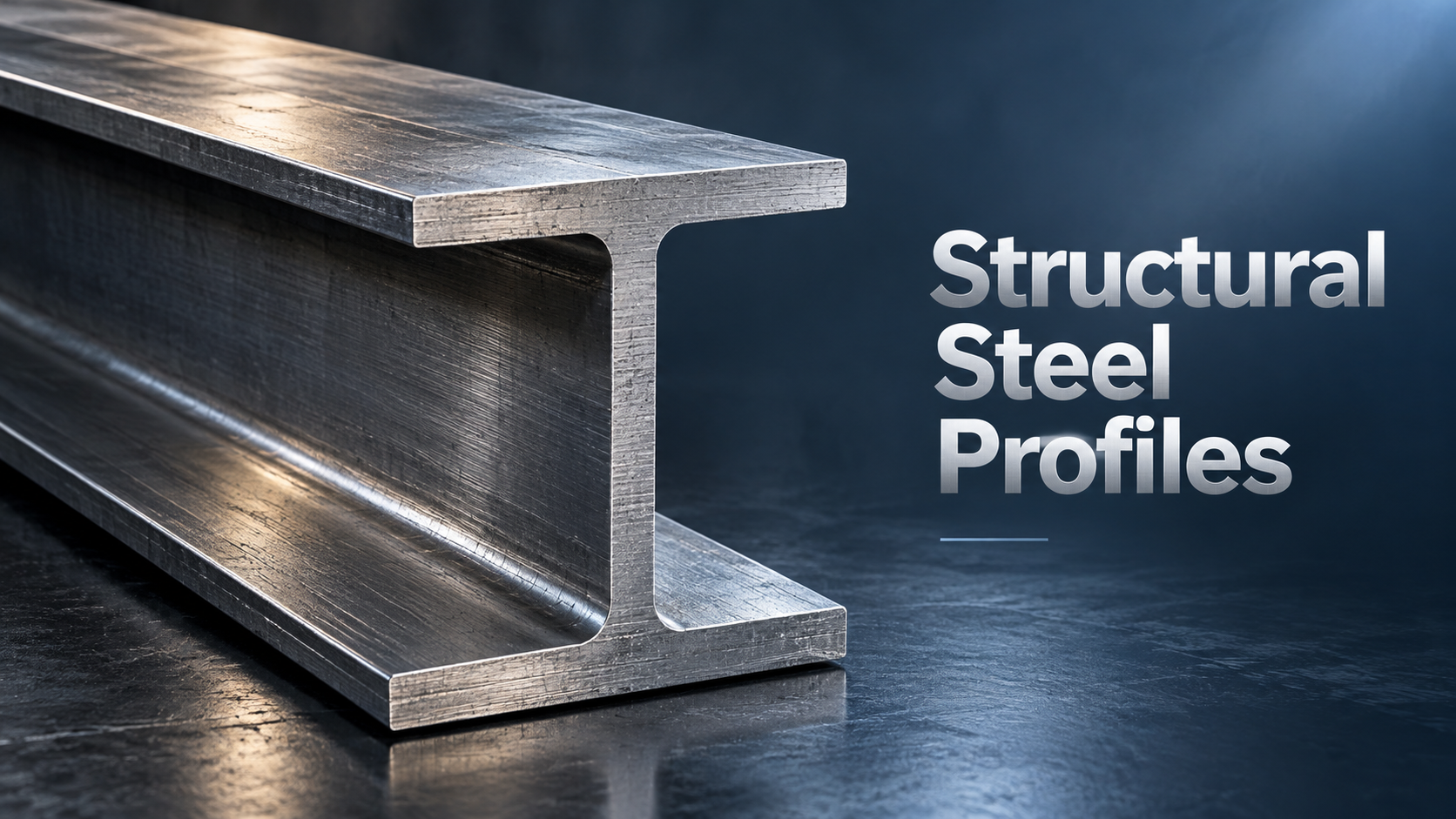
 What is an H-Beam and How Does it Differ from an I-Beam?Discover what an H-beam is and how it differs from an I-beam. Learn key structural differences and expert selection tips from Hongteng Fengda to optimize your steel construction projects today.
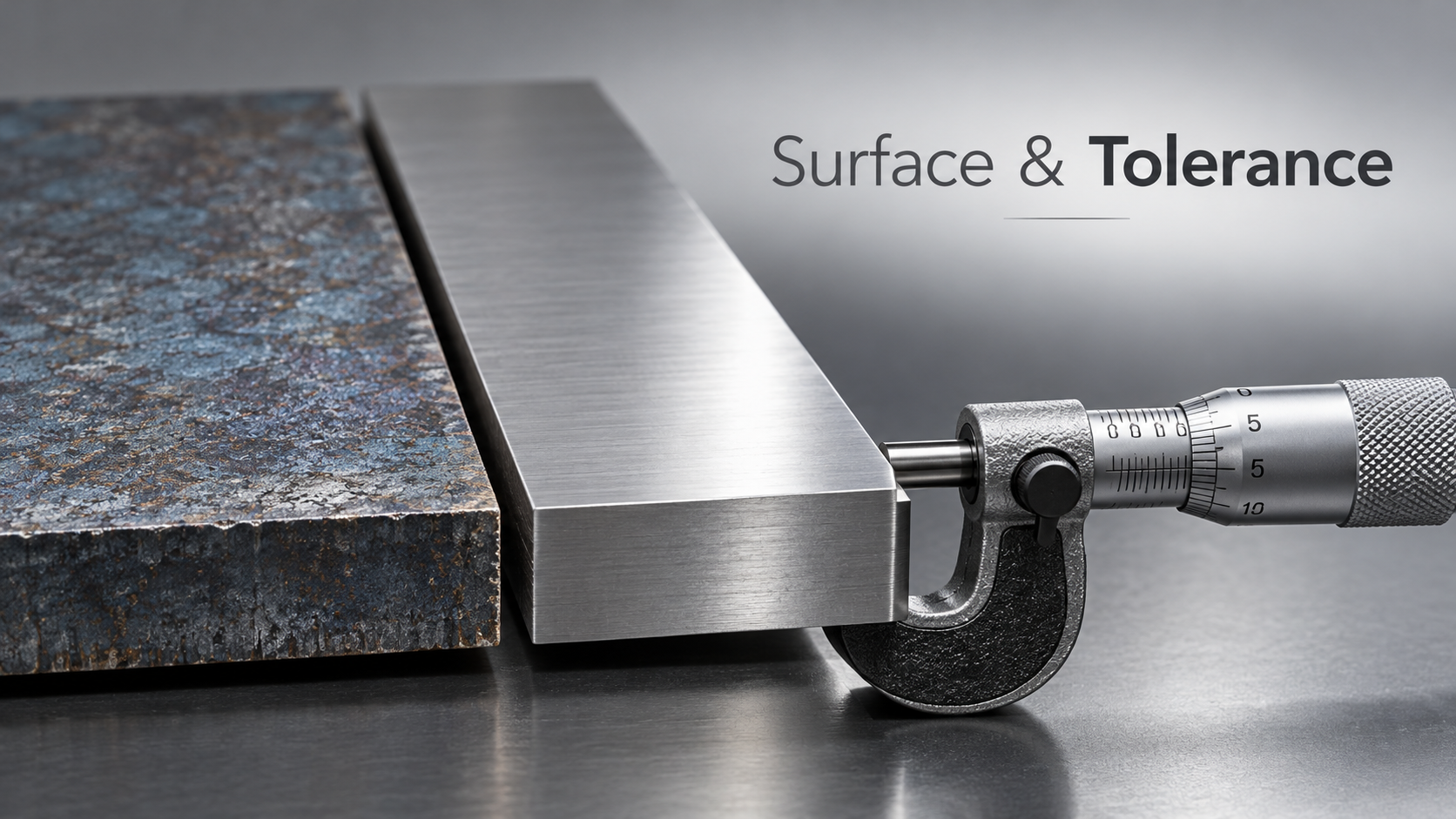
 Hot Rolled vs. Cold Rolled Steel Sheet: Surface and ToleranceHot rolled vs cold rolled steel sheet: Discover how surface finish and tolerances impact manufacturing. Optimize material selection, reduce costs, and ensure quality. Read our expert guide today!
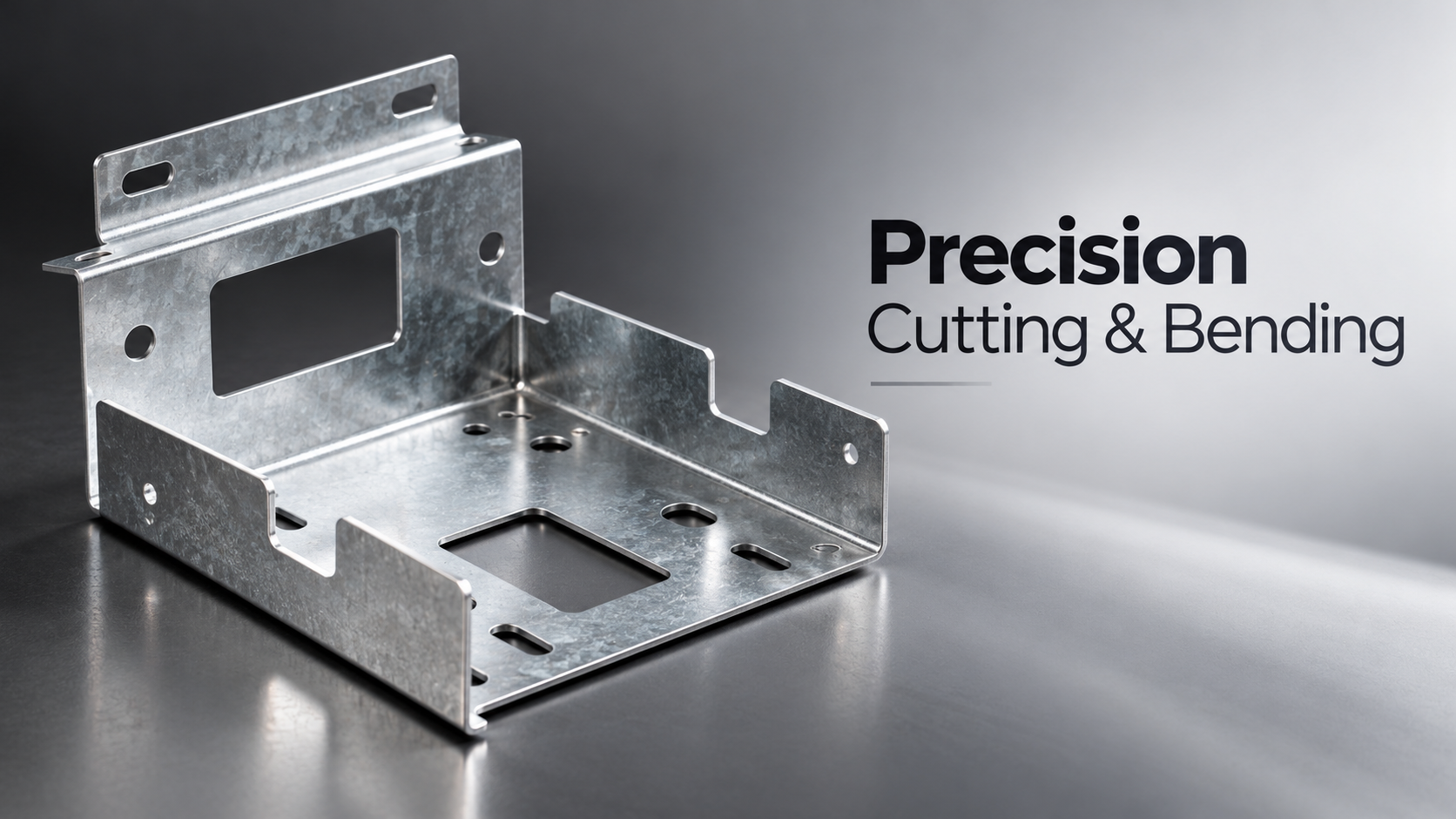
 Best Cutting and Bending Practices for Galvanized Sheet MetalDiscover the best cutting and bending practices for galvanized sheet to prevent zinc flaking. Optimize tooling and thermal parameters to ensure perfect corrosion resistance. Read the full guide!
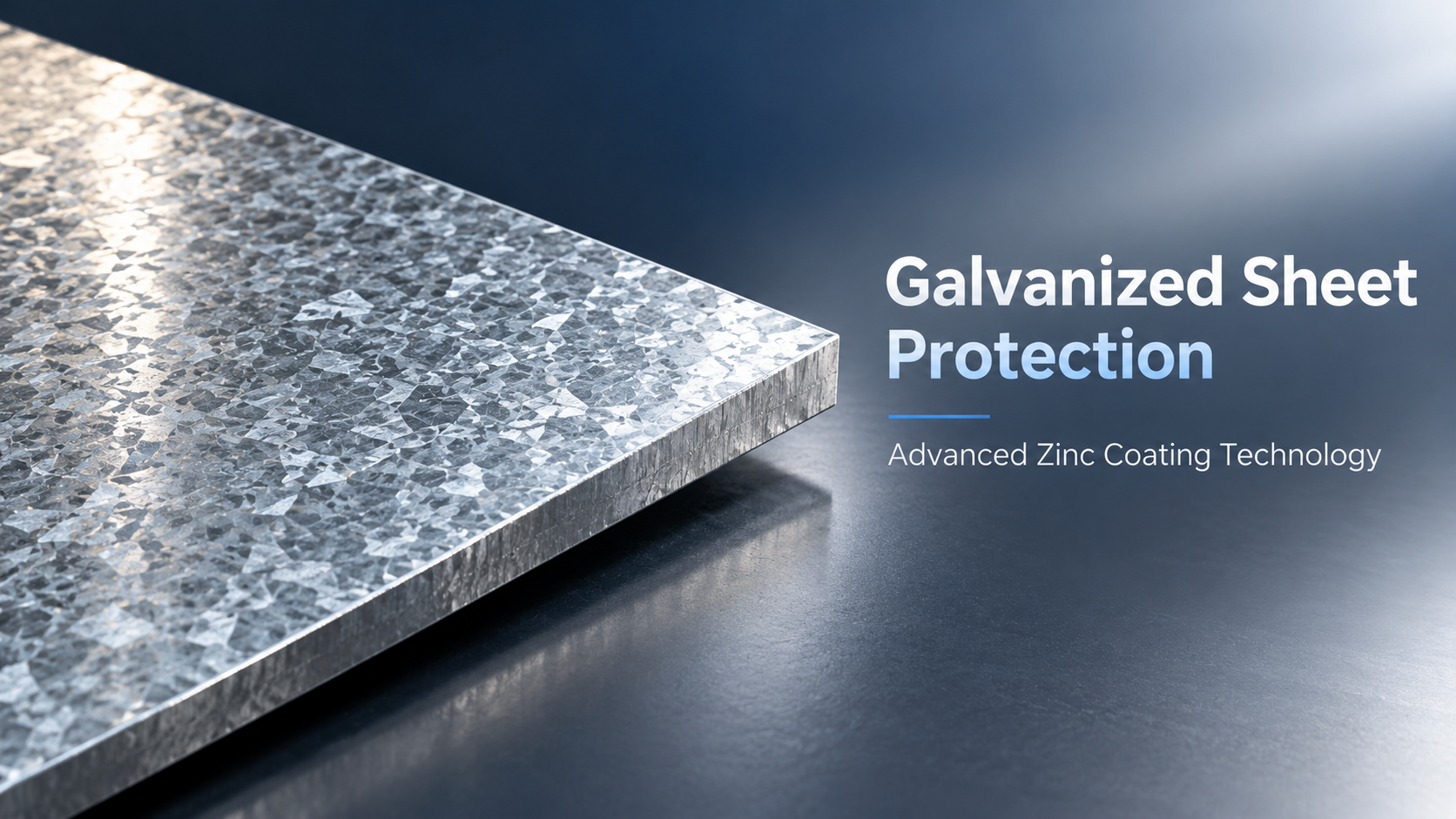
 What is Galvanized Sheet and How Does the Zinc Coating Work?Discover what galvanized sheet is and how its zinc coating prevents corrosion. Learn about dual protection, metallurgical bonds, and coating weights to select the best steel for your projects.
Please give us a message


Please enter what you want to find