Choosing the right steel rail manufacturer in China is crucial for ensuring quality, delivery reliability, and long-term project success. Whether you’re comparing angle vs channel steel options, sourcing high strength steel round bars, or evaluating steel tube for industrial applications, a trusted supplier like Hongteng Fengda can provide ASTM-certified solutions and competitive steel roof sheet price per square meter. This guide will help you assess production standards, material performance, and supplier credibility before making procurement decisions. In the structural steel market, consistency, traceability, and compliance with standards such as ASTM, EN, JIS, and GB form the foundation of quality evaluation. For procurement managers or engineering teams handling railway, bridge, or industrial plant projects, these criteria directly affect cost efficiency, project safety, and reputational reliability. As global supply chains become more demanding, Chinese manufacturers have enhanced their capability in material precision, metallurgical control, and export documentation, making the country one of the leading hubs for steel production and structural products export. Understanding how to identify the benchmarks that signify excellent suppliers can drastically minimize the risks associated with international sourcing.
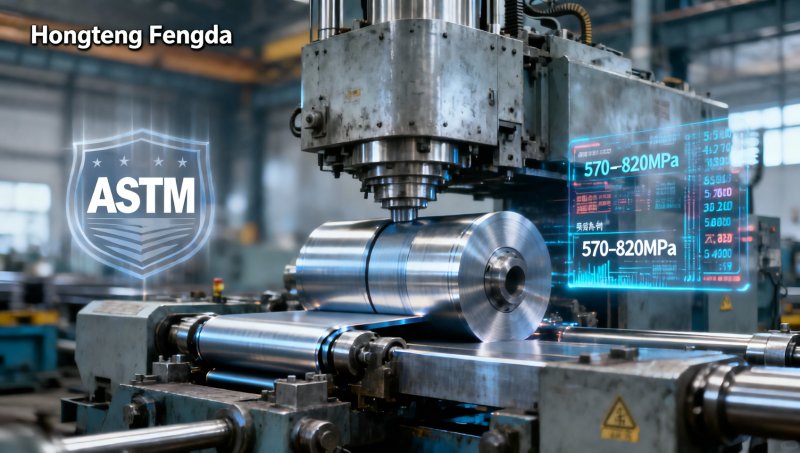
Definition and Overview of Steel Rail Manufacturing
Steel rail manufacturing refers to the process of producing steel profiles that support the movement of trains, cranes, and heavy machinery with high tensile strength and dimensional accuracy. Typically, manufacturers deploy sophisticated rolling mills, heat treatment furnaces, and non-destructive testing systems to ensure that each piece meets high mechanical standards. In China, the evolution of the manufacturing base over the past two decades has resulted in world-class plants capable of producing not only steel rails but also complementary products such as angle steel, channel steel, and structural beams. The differentiation between steel rails and other components lies particularly in the production tolerance, microstructure uniformity, and the requirement for surface smoothness. When evaluating a steel rail manufacturer in China, one should look beyond pricing—considering instead the company’s technical capabilities, certifications, and quality traceability systems. Hongteng Fengda, for instance, integrates automatic inspection equipment with data-driven quality control, ensuring that its output meets strict international expectations. For engineers comparing angle vs channel steel for construction frameworks, understanding these technical parameters provides context on how manufacturing disciplines in one area can mirror quality consistency in another.
Market Overview: Opportunities and Development Trends
The Chinese steel industry has solidified its status as the cornerstone of global infrastructure and engineering projects. Growing demand from railway expansion, renewable energy facilities, and industrial machinery requires a steady supply of structural and shaped steel. Market analysts forecast that exports of steel rails, steel girders for bridge construction, and steel conduit for electrical wiring will continue to rise as project investors seek cost-effective but compliant materials. Rising awareness of standards compliance like ASTM and EN indicates that overseas buyers increasingly inspect not only mill certificates but also supply chain management systems. Procurement teams are also diversifying their sourcing portfolios—mixing well-known large mills with flexible medium-sized manufacturers offering customizable design, faster turnaround, and OEM capacities. This competitive ecosystem pressures manufacturers to maintain advancement in process technology, welding integrity, and automated surface finishing. Hongteng Fengda, as a proactive player, has aligned its innovation with this market trajectory by offering customized structural solutions and global logistics networks for clients in North America and Europe. The supplier’s reliability extends to accurate lead time forecasting and precise order tracking, critical factors for engineering firms managing simultaneous multi-site projects.
Technical Performance and Parameters in Quality Evaluation
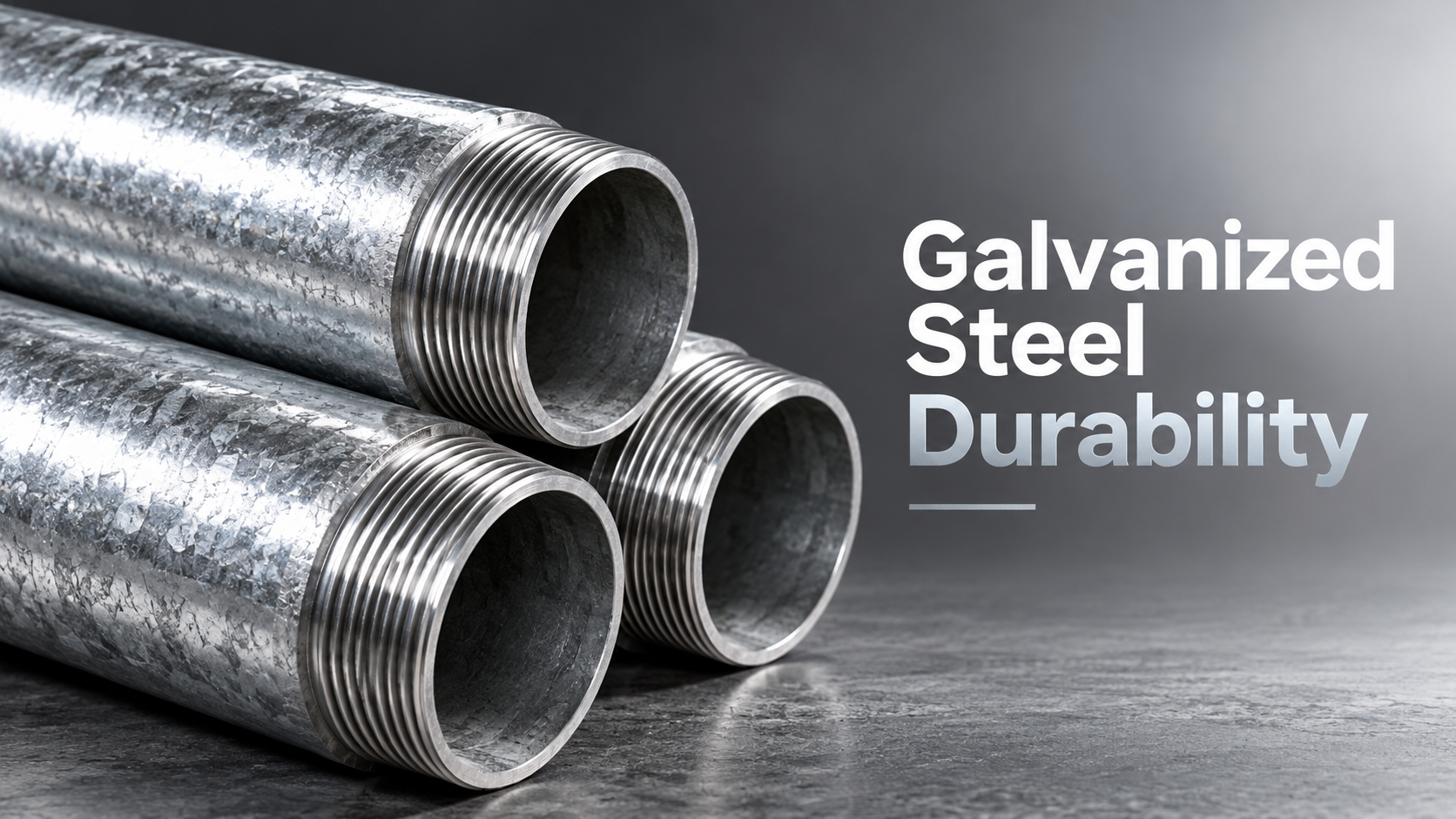
Determining the technical excellence of a steel rail or related structural product involves assessing attributes such as tensile strength, chemical composition, and dimensional control. For example, in the case of Galvanized Round Steel, tensile strength ranges between 570 to 820 MPa with diameter tolerance under ISO h8 to h9, a precision that ensures compatibility across various mechanical applications—from power towers to automotive components. The quality also depends on surface integrity, corrosion treatment, and heat-processing stability. Galvanization prevents oxidation in exposed environments such as bridges, highways, or coastal facilities. Many manufacturers apply advanced process sequences including annealing, normalizing, and controlled cooling to achieve uniform grain structures, which directly contribute to durability and stability. When verifying suppliers, buyers should request mill test certificates, ultrasonic test reports, and third-party inspection summaries. Understanding the certification trail helps maintain accountability and ensures that the steel complies with local or project-specific codes. Furthermore, instrument calibration and repeatability testing of rolling parameters demonstrate whether the manufacturer invests in consistent quality assurance. Hongteng Fengda’s adherence to ASTM, JIS, and GB standards reflects the company’s integrated approach to precision metallurgy, enabling end-users to receive structurally sound and internationally compliant materials.
Comparison Analysis: Angle vs Channel Steel and Beyond
In construction and industrial design, both angle steel and channel steel serve key roles, yet their performance characteristics differ. Angle steel—often used for frameworks and bracings—offers excellent resistance against torsional stress, while channel steel provides superior load distribution along flat planes, ideal for platforms and beams. Procurement specialists evaluating these materials face the challenge of balancing weight efficiency, load capacity, and assembly convenience. Manufacturers like Hongteng Fengda streamline this process by offering both types with standardized dimensions, optional galvanizing, and mechanical testing support. A close comparison between angle vs channel steel reveals that the choice depends heavily on the structural design intent. In lightweight fabrication, angle steel provides stability through geometric rigidity. In heavy-duty frames, channels offer better alignment under parallel forces. Both, however, benefit from the manufacturer’s precision control and compliance with ASTM certification protocols. Similarly, when selecting a steel girder for bridge construction or evaluating steel tube for industrial applications, the same analytical methodology should apply: understanding design stress factors, corrosion environments, and project lifespan expectations. As design engineers weigh these parameters, collaboration with a certified supplier ensures material synergy across assemblies.
Procurement Guide: Assessing Delivery Reliability and Supplier Credibility
Delivery reliability is one of the most decisive elements in evaluating a steel rail manufacturer in China. Procurement officers measure this through consistent lead times, transparent logistics updates, and contingency support for urgent orders. A trusted partner demonstrates not only product integrity but also process dependability. To assess this dimension thoroughly, buyers should review production capacity metrics, export track records, and testimonials from comparable industries. Stability in raw material sourcing and adherence to manufacturing schedules are critical for avoiding costly downtime in construction or infrastructure rollouts. For instance, Hongteng Fengda’s export operation exemplifies how coordinated supply management can reduce procurement risks. Clients across regions rely on consistent quality outputs substantiated by controlled workflows—from sample validation to full-scale shipment. In evaluating delivery terms, factors such as port proximity, trade documentation efficiency, and ERP-integrated communication channels play important roles. Decision-makers, including project managers and safety officers, benefit from pre-shipment inspections to confirm compliance. Furthermore, advanced traceability systems within factories facilitate monitoring of batch histories, offering peace of mind in cross-border projects. Ultimately, true reliability arises from a supplier’s ability to transform product excellence into logistical precision, bridging quality assurance with supply chain discipline.
Standards and Certification: Ensuring International Compliance
Compliance with global standards safeguards project integrity. Structural steel products must align with certification frameworks like ASTM International, EN European Standards, the Japanese JIS registry, and China’s GB protocols. Testing laboratories evaluate mechanical performance, weldability, and chemical balance of alloys to guarantee uniform safety. Enterprises that maintain these certifications continuously update process documentation and participate in third-party audits. In the example of Galvanized Round Steel, its adherence to AiSi, ASTM, BS, GB, JIS, and EN ensures global compatibility and market accessibility. Certified anti-corrosion processes, such as hot dip galvanization, prolong product life and minimize maintenance costs over decades of exposure. Reviewing these credentials before purchase not only validates technical reliability but also ensures that imported batches pass customs and local inspection seamlessly. Procurement leaders must develop a systematic vendor evaluation checklist: certification authenticity, audit frequency, quality control staffing, data documentation, and in-plant testing automation. By cross-verifying the conformity of these attributes, enterprises ensure that their infrastructure investments maintain international recognition. For Hongteng Fengda, such commitment translates into enduring client relationships and favorable project references in regions with stringent compliance policies.
Cost Structure and Alternative Considerations
Cost optimization in steel procurement involves balancing initial purchase price with lifecycle value. Rather than seeking the lowest bid, buyers should analyze conversion efficiency, defect ratios, and warranty coverage from suppliers. A slightly higher unit cost for ASTM-certified material often translates into reduced maintenance and downtime losses across a project’s lifetime. Notably, differences in steel roof sheet price per square meter across suppliers stem from metallurgical refinement, galvanization technique, and quality of raw billets. For manufacturers integrating steel conduit in electrical wiring systems or fabricating high strength steel round bars, durability directly correlates with welding and machining quality. Modern Chinese manufacturers now employ digital monitoring systems and predictive maintenance on production equipment to maintain efficiency while keeping costs stable. Comparing cost curves among leading steel rail producers in China reveals that those investing in sustainable energy usage and automated finishing lines achieve long-term cost advantages. Additionally, exploring alternatives like cold-formed steels and composite profiles may yield environmental benefits, supporting green building certifications. Buyers must also incorporate exchange-rate dynamics, logistics insurance, and customs duties into their total landed-cost calculations to form a holistic procurement plan.
Case Studies and Client Success Practices
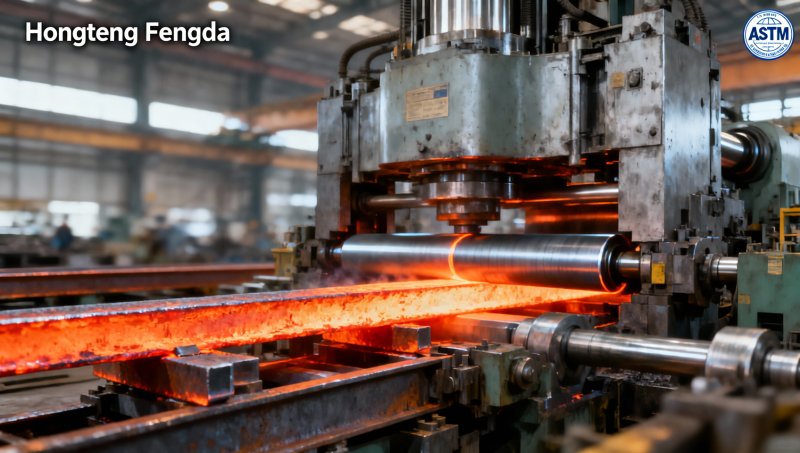
Several international projects highlight how choosing a capable structural steel exporter can impact results. In one example, a European railway contractor partnered with Hongteng Fengda for customized steel rails meeting EN13674 specification, achieving zero defect delivery over an 18-month deployment. Another case involved a Southeast Asian energy project that required corrosion-resistant structural beams. The manufacturer provided tailored galvanization thickness and ultrasonic-tested materials, reducing inspection time by 20%. Industrial clients using steel girder for bridge construction have noted smoother installation sequences due to dimensional precision and pre-machined fittings. These examples echo a consistent theme: a robust quality control framework paired with responsive customer service translates into measurable cost savings. Through collaboration between engineering consultants and factory technicians, project-specific adaptations—such as unique hole patterns or reinforcement adjustments—were executed without production delays. The continuous engagement between manufacturer and client underscores the importance of transparent communication, which ensures specifications are met while aligning with on-site requirements. Reliable supply chains, coupled with technical consultation, allow end-users to reinforce safety margins and operational efficiency simultaneously. This synergy demonstrates how investing in accredited Chinese suppliers delivers quantifiable performance benefits globally.
FAQ and Common Misconceptions in Steel Procurement
Potential buyers often misunderstand the relationship between material price and quality. One frequent misconception is that all steel rail manufacturers in China maintain identical performance levels. In reality, disparities in raw material consistency, reheating control, and inspection rigor lead to notable quality variations. Questioning whether all ASTM labels ensure equal results also deserves clarification: certification denotes compliance with test methods, but manufacturers differ in traceability and internal audit cycles. Another concern relates to corrosion prevention—galvanized coatings indeed extend service life; however, the effectiveness depends on coating adherence and surface finishing precision. Clients should request coating thickness reports and visual inspection records. A common question among procurement teams involves distinguishing between structural grades for bridge applications and those for industrial flooring or cranes. Understanding the intended stress profiles and environmental exposure determines correct selection. Lastly, project managers sometimes underestimate the importance of supplier communication. Timely technical documentation and flexibility in order adjustments are markers of a dependable manufacturer. Addressing these questions through preliminary audits and site visits minimizes uncertainties and enhances collaboration efficiency across the entire project life cycle.
Trend and Future Insights
Global steel manufacturing is transforming under the influence of digitalization, environmental regulations, and smarter infrastructure demands. Future-ready manufacturers employ predictive analytics to manage rolling temperatures and automate defect detection, enhancing both performance and sustainability. The shift toward eco-friendly production in China aligns with international green procurement initiatives, making high-quality steel accessible with lower carbon footprints. Additionally, the development of hybrid structural systems incorporating steel tubes for industrial applications reveals ongoing innovation in mechanical integration. As data connectivity grows within construction sectors, materials with embedded quality tags and digital certificates will reshape supply transparency. For industry decision-makers, this means that selecting manufacturers capable of digital traceability and continuous technical improvement forms a strategic advantage. Hongteng Fengda continues to invest in research and collaborative partnerships that refine cold-formed profiles, improve galvanization uniformity, and facilitate faster international support. Looking ahead, trends indicate increasing automation and cross-industry standard harmonization, fostering a marketplace where performance consistency and delivery reliability define brand trustworthiness across continents.
Why Choose Us
Hongteng Fengda distinguishes itself as a professional structural steel manufacturer and exporter dedicated to supplying reliable steel products and optimized supply solutions worldwide. Our expertise encompasses boiler frameworks, bridges, fabrication industries, and precision applications alike. By integrating standardized production with flexible customization, we deliver certified materials such as steel rails, angle steel, channel steel, and galvanized profiles that surpass rigorous inspection standards. Our advantages include full compliance with ASTM, EN, JIS, and GB regulations, modern manufacturing lines that ensure dimensional accuracy, and a comprehensive after-sales network that addresses client requirements across North America, Europe, the Middle East, and Southeast Asia. Whether your firm needs an ASTM certified steel square rod or a tailored steel girder for bridge construction, you can rely on us for dependable quality and responsive service. For inquiries, collaboration, or technical consultations, please contact our professional sales engineers who are ready to provide prompt support, ensuring your project achieves both structural excellence and operational efficiency. Build your long-term partnership with Hongteng Fengda—where reliability, precision, and global expertise come together to reinforce your success.
- channel steel
- steel i
- angle steel
- structural steel
- steel profiles
- Structural Steel
- Profile
- Galvanized
- steel profile
- steel conduit
- steel roof sheet
- steel tube
- steel rail
- steel girder
- steel round bar
- steel square rod
- angle vs channel
- steel tube for industrial applications
- ASTM certified steel square rod
- steel roof sheet price per square meter
- steel girder for bridge construction
- steel conduit for electrical wiring
- steel rail manufacturer in China
Related recommendations
 How to Select the Correct Steel Sheet Grade for Auto PartsSelect the ideal steel sheet for auto parts by balancing performance and cost. Discover expert sourcing strategies to avoid manufacturing traps and optimize procurement. Read our guide now!
 Choosing the Right Zinc Coating Weight for Galvanized SheetOptimize your galvanized sheet selection by choosing the right zinc coating weight. Discover expert strategies to balance corrosion resistance, formability, and project costs.
 How to Specify Wall Thickness for Structural Steel TubingMaster wall thickness specification for structural steel tubing. Balance engineering loads, global tolerances, and costs. Read our expert guide to optimize procurement and ensure project safety!
 Galvanized Pipe vs. Copper: Cost and Durability ComparisonDiscover why galvanized pipe outperforms copper in cost and durability. Compare total lifecycle expenses and make a smart procurement choice for your next industrial project today.
Please give us a message


Please enter what you want to find