The global steel rail market in 2024 is witnessing dynamic shifts driven by evolving infrastructure demands and supply chain adjustments. As key materials like steel angle, steel girder, steel tube, and steel conduit influence construction and transportation sectors, understanding their market trends and pricing is essential. This insight highlights recent updates, comparing angle vs channel performance, evaluating steel square rod utilization, and exploring how leading suppliers like Hongteng Fengda ensure consistent quality and competitive advantage amid changing global steel dynamics. For global manufacturers and decision-makers, the ability to grasp these transformations provides a decisive edge in navigating long-term procurement strategies and risk control frameworks that define industrial competitiveness.
Definition and Market Overview
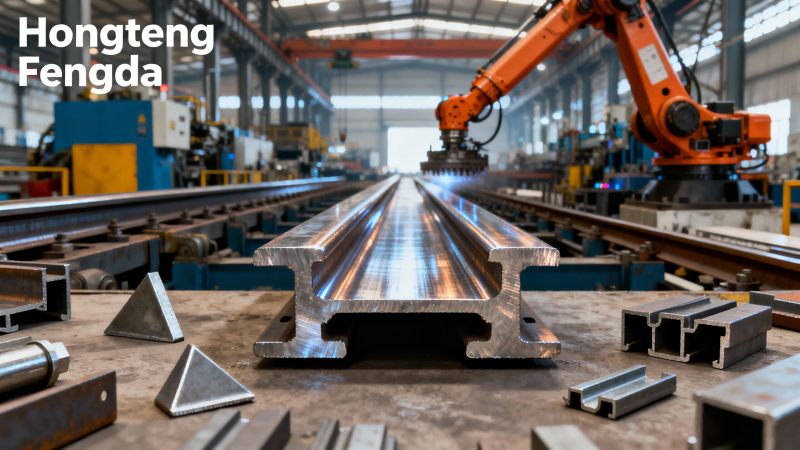
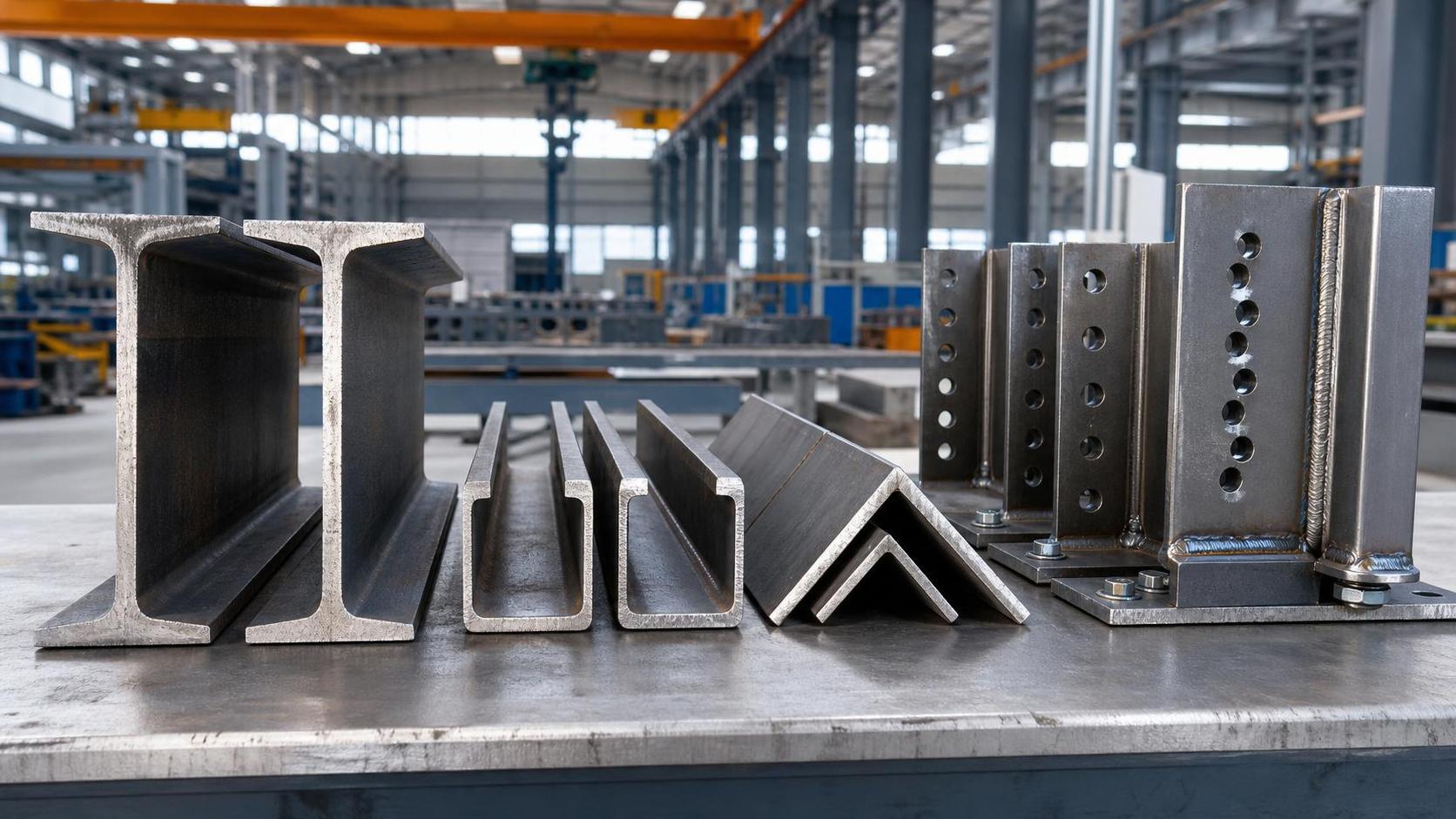
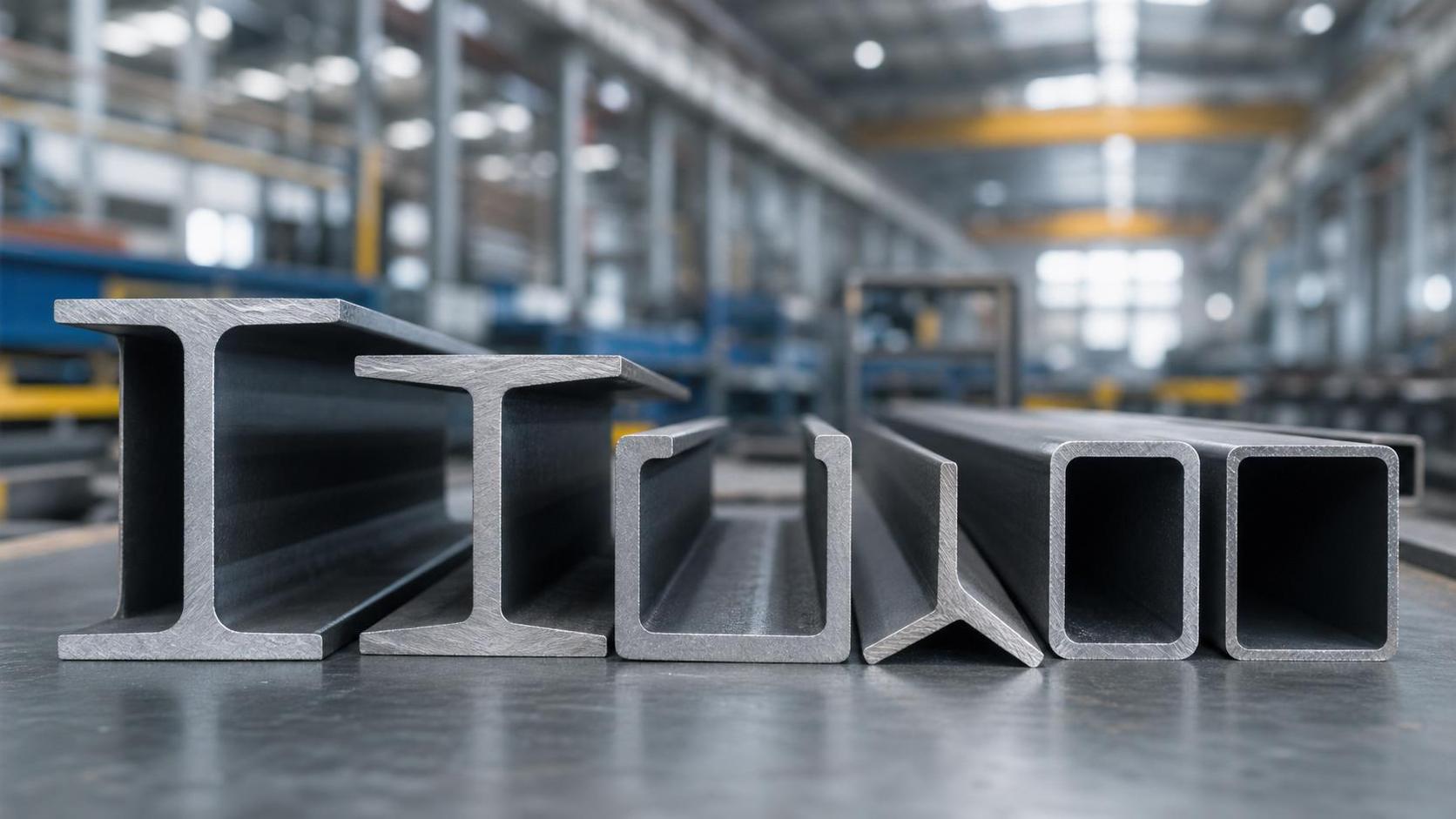
Steel rails are the foundation of modern railway systems, providing the durability and tensile strength needed to support high-speed operations and heavy freight loads. In 2024, the steel rail market is under the influence of increased urbanization projects, renewable energy logistics, and the resurgence of intercontinental rail freight. Beyond transportation, structural components such as steel angle and steel conduit are integrated in supporting architectures for bridges and tunnels. The difference between angle vs channel structures lies in their cross-sectional geometry, influencing both load-bearing functions and assembly methods. While angle steel provides flexibility in smaller, lighter frameworks, channel steel demonstrates high rigidity in long-span configurations. From an industrial point of view, structural forms such as steel square rod and steel girder continue to play key roles in precision machinery, heavy vehicles, and modular construction systems.
Market Dynamics and Supply Chain Analysis
The 2024 supply chain for steel rails faces both opportunities and constraints. On one hand, post-pandemic recovery and government-backed infrastructure programmes across Asia and Europe sustain high demand for steel girder and steel tube materials. On the other hand, logistics costs, raw material price fluctuations, and environmental regulations challenge steady delivery timelines. Manufacturers such as Hongteng Fengda mitigate these risks through controlled production systems, real-time quality inspection, and compliance with ASTM, EN, and JIS standards. This ensures every batch of steel angle and conduit products achieves consistent tensile strength and corrosion resistance. Additionally, the diversification of energy grades—linked to green hydrogen and electric rail freight—has increased the need for higher performance alloys. The result is a segmented market where premium high-strength steel coexists with cost-optimized alternatives, both satisfying different regional specifications and project scopes. When global buyers assess sourcing channels, understanding the correlation between product quality and logistical capability becomes a crucial metric for risk mitigation.
Application Scenarios and Industrial Utilization
Steel rail consumption in 2024 extends well beyond railway networks. In offshore construction, steel tube and steel conduit systems are applied for cable routing, drainage structures, and energy pipelines under corrosive conditions. The continuous improvement in metallurgy enhances fatigue resistance and extends service life. Simultaneously, steel angle and steel square rod components serve as flexible framing elements in prefabricated buildings, roof sheet systems, and grid-based warehouse frameworks. As demand for sustainable transport accelerates, lightweight yet high-yield materials support emission reduction goals. Large civil infrastructure projects integrate modular steel girder segments designed for easy assembly and high load absorption. In industrial automation, precision channels made from improved rolled steel profiles ensure reliable alignment in conveyor systems. Hongteng Fengda, with its advanced cold-formed processing lines, offers customized profiles tailored to distinct engineering requirements, reducing installation time and optimizing mechanical stability for global clients.
Technical Performance and Specifications
Key performance indicators for steel rails and associated products include tensile strength, hardness, fatigue resistance, and weldability. The selection between angle vs channel often depends on specific force directions and installation flexibility. Steel angles are typical in secondary structural framing, whereas channels are preferred in primary load paths. The High Carbon Steel Pipe supplied by Hongteng Fengda reflects these specifications with diverse models such as A53 Gr.B, ST52, and X70, following international standards like API 5L and ASTM A106. With an outer diameter range of 15mm-1200mm and thickness options from SCH10 to SCH160, these pipes exhibit excellent mechanical properties and reliable corrosion protection via oil, galvanization, or anti-corrosion coatings. Their adaptability across global industrial applications—from manufacturing machinery to petrochemical systems—mirrors the technical versatility demanded by modern infrastructure. Continuous innovation in heat treatment, dimensional control, and quality assurance further guarantees long-term performance consistency, ensuring reduced maintenance cost and improved lifecycle reliability for clients across multiple regions.
Procurement Guide and Cost Analysis
Procurement professionals and project managers face increased complexity in negotiating steel pricing. The market value of steel rail, steel girder, and steel conduit fluctuates according to ore index changes, energy costs, and policy-induced environmental tariffs. Consequently, strategic sourcing requires combining fixed-contract procurement with dynamic inventory allocation. Hongteng Fengda assists partners in evaluating holistic cost models that integrate logistics planning and currency adjustments. Buyers comparing angle vs channel structures must weigh the balance between fabrication costs and mechanical efficiency. Steel square rods remain cost-effective for smaller mechanical frameworks, whereas channel profiles demand higher precision milling but produce superior rigidity. Meanwhile, industrial buyers selecting pipes, such as the High Carbon Steel Pipe, analyze material consistency, certification coverage, and supplier responsiveness to determine long-term economic feasibility. Developing framework agreements with certified exporters enables consistent supply during volatile price cycles. This procurement discipline supports both capital-intensive infrastructure projects and mid-scale industrial fabricators where delivery assurance is as critical as unit price competitiveness.
Standards and Certification Compliance
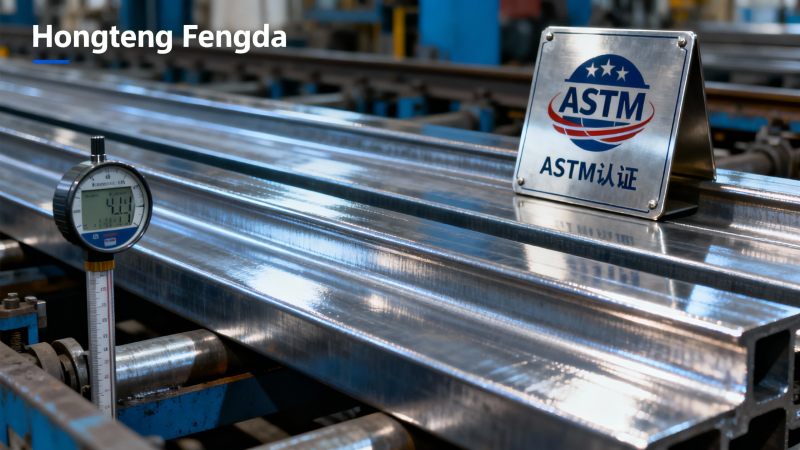
In 2024, certification remains a decisive trust factor across international steel trade. Authentic steel rail products must adhere to ISO9001 quality frameworks and pass SGS or BV testing to validate chemical composition and mechanical consistency. Hongteng Fengda rigorously implements material traceability according to GB and EN specifications, ensuring end-to-end documentation from raw billet to finished structural component. Aligning structural steel, rail beams, and conduit lines with ASTM A53 or API 5L benchmarks ensures compatibility with international engineering codes. Quality testing focuses on factors like carbon content, weldability, surface integrity, and ultrasonic examination results. As global infrastructure demands accelerate, compliance not only assures safety but also enhances the reputation and financial efficiency of buyers involved in EPC and turnkey contract projects. Decision-makers prioritizing verified suppliers experience fewer rework incidents and can meet strict safety audits with confidence.
Case Study: Infrastructure Resilience and Supplier Excellence
A large-scale railway and logistics hub project in Southeast Asia exemplifies how integrated sourcing from Hongteng Fengda improved construction efficiency. The project required diverse steel sections including steel angle, steel girder, and steel conduit across different load-bearing and electrical routing functions. By leveraging Hongteng Fengda’s standardized yet adaptable supply system, the procurement team synchronized delivery cycles with on-site assembly schedules, reducing lead time variations by 20%. Technical guidance from the manufacturer ensured all products met EN13674 rail steel criteria, while mechanical uniformity allowed seamless joint welding and stress dispersion. Subsequent operational audits demonstrated stability under cyclic loading and thermal expansion tests. The cooperation underscored how an exporter’s proactive quality management creates tangible project value beyond material supply—manifesting in minimized downtime, safer operations, and lower total installation costs. Such collaboration reflects a growing industry trend toward integrated engineering partnerships rather than transactional procurement.
Trend & Insights: Future Outlook of the Steel Rail Market
Looking ahead, the steel rail market will likely sustain moderate growth, supported by infrastructure reforms, renewable energy corridors, and digital supply chain optimization. Advancements in steel metallurgy—including microalloy reinforcement and thermomechanical processing—will elevate both fatigue resistance and environmental adaptability. Policymakers in North America and Asia-Pacific are promoting rail electrification, intensifying demand for precision-engineered steel tubes and conduits that ensure safety in high-voltage environments. As construction technologies evolve, integration across material categories—such as coupling steel roof sheet architectures with lightweight rail assemblies—will enhance modularity and sustainability. Intelligent inventory tracking via IoT and AI-driven analytics will enable real-time performance monitoring of steel structures, reducing overproduction and material waste. Suppliers capable of integrating technological capability with flexible customization will dominate procurement ecosystems. Hongteng Fengda’s philosophy of consistent quality, continuous innovation, and transparent communication positions it advantageously to lead this market transformation over the next decade.
Why Choose Us
Choosing Hongteng Fengda as your structural steel partner means aligning with a company that combines technical strength, supply reliability, and international compliance. Our extensive portfolio spans angle steel, channel steel, steel beams, cold formed profiles, and customized components that meet ASTM, EN, JIS, and GB standards. With a global presence across North America, Europe, the Middle East, and Southeast Asia, we provide stable production capacity and professional service adapted to various project scales. By emphasizing consistent manufacturing quality and prompt support, we help customers streamline procurement, reduce sourcing risks, and maintain budget predictability. Whether your focus is technical evaluation, cost control, or long-term infrastructure reliability, Hongteng Fengda delivers proven value to every partnership. Connect with our teams to discuss specifications, explore tailored steel solutions, and experience how expertly managed supply chains translate into confident project execution for today’s competitive industrial landscape.
- channel steel
- l angle
- angle steel
- high carbon steel pipe
- carbon steel pipe
- steel pipe
- structural steel
- steel beams
- steel profiles
- Steel Angles
- Structural Steel
- Steel Beams
- Profile
- Steel Beam
- carbon steel
- steel profile
- steel conduit
- steel roof sheet
- steel tube
- steel rail
- steel girder
- steel angle
- steel square rod
- angle vs channel
Related recommendations
 How to Select a Steel Profile Based on Load, Span, and Fabrication NeedsProfile selection starts with load, span, and fabrication needs. Learn how to compare steel sections for strength, cost, workability, and sourcing efficiency.
 What Is a Steel Profile? Common Shapes, Uses, and Selection BasicsProfile selection starts with shape, but performance depends on load, fabrication, and standards. Learn common steel profile types, uses, and smart selection basics.
 Galvanized Pipe vs Black Pipe: Which One Fits Water, Gas, or Outdoor Lines?Galvanized pipe or black pipe? Compare the best choice for water, gas, and outdoor lines, with key insights on corrosion, codes, cost, and long-term performance.
 How to Choose Steel Roofing for Warehouses, Farms, and Residential BuildingsSteel Roofing selection depends on building type. Learn how warehouses, farms, and homes differ in corrosion, insulation, drainage, and cost for smarter roofing decisions.
Please give us a message


Please enter what you want to find