Sourcing angle vs channel steel in Southeast Asia demands more than competitive pricing—it requires ironclad verification of mill certificates and traceability logs to ensure compliance with ASTM standards, welding compatibility, load capacity, corrosion resistance, and suitability for prefab buildings, bridge construction, or manufacturing facilities. As a trusted angle vs channel steel exporter China and supplier Southeast Asia, Hongteng Fengda empowers procurement teams, project managers, and quality controllers with transparent documentation, real-time traceability, and technical validation—reducing sourcing risks and ensuring structural integrity from mill to site.
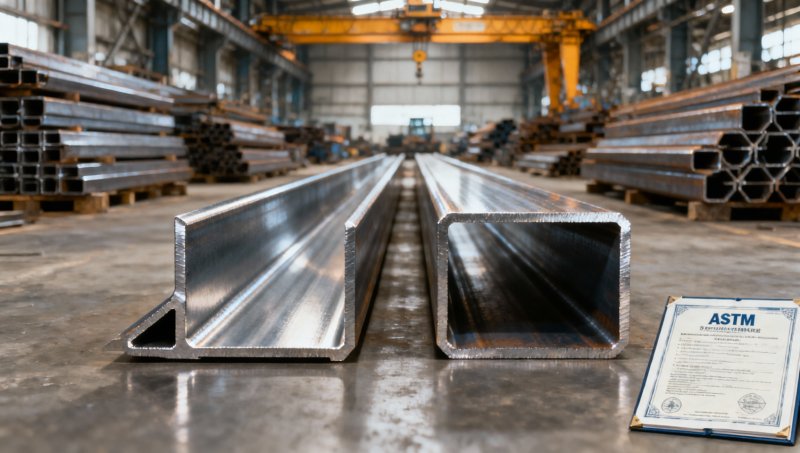
Why Mill Certificate Verification Is Non-Negotiable in SEA Steel Procurement
In Southeast Asia’s rapidly scaling infrastructure pipeline—from Jakarta’s transit hubs to Ho Chi Minh City’s industrial parks—structural steel procurement is increasingly governed by dual pressures: tight delivery windows (often 8–12 weeks) and rising regulatory scrutiny. A single batch of non-compliant angle or channel steel can trigger rework delays of 3–6 weeks, cost overruns exceeding USD 120,000 per project phase, and safety non-conformance penalties under Singapore’s BCA or Thailand’s MOPH regulations.
Mill certificates are not administrative formalities—they’re the legal and technical backbone of material acceptance. For angle vs channel steel welding compatibility, ASTM A6/A6M mandates tensile strength tolerance of ±10%, yield ratio ≤0.85, and Charpy V-notch impact energy ≥27J at –20°C for low-temperature applications. Without validated mill logs, buyers risk mismatched weld filler selection, brittle fracture in seismic zones, or premature fatigue in cyclic loading environments like factory cranes or bridge expansion joints.
Hongteng Fengda embeds full traceability into every shipment: each heat number links to real-time production records (rolling temperature, cooling rate, chemical spectrometry), third-party lab reports (SGS/BV), and digital mill certificates compliant with ASTM A6, EN 10025-2, and GB/T 706. This enables instant cross-checking against project-specific requirements—whether for angle vs channel steel for prefab buildings requiring galvanized coating adhesion tests or angle vs channel steel for bridge construction needing fatigue-tested weld procedure specifications (WPS).
How to Spot Fraudulent or Incomplete Documentation
Over 62% of steel procurement disputes in ASEAN markets stem from certificate discrepancies—not material defects. Common red flags include: missing heat numbers or inconsistent batch IDs across documents; mill test reports lacking signature/stamp from an accredited lab; certificates referencing outdated standards (e.g., ASTM A36-97 instead of ASTM A36/A36M-23); and traceability logs showing >48-hour gaps between hot rolling and final inspection timestamps.
A robust verification protocol includes three checkpoints:
- Chemical Composition Alignment: Confirm carbon equivalent (CEV) matches ASTM A6 Table 2 limits—e.g., Q345B must maintain CEV ≤0.45% for angle vs channel steel welding compatibility in multi-pass welding.
- Mechanical Property Correlation: Cross-reference yield strength (min. 345 MPa for Q345B) and elongation (≥21% in 200mm gauge length) against actual tensile test curves—not just pass/fail summaries.
- Traceability Chain Integrity: Validate that the same heat number appears on the mill certificate, packaging label, shipping manifest, and SGS/BV report—with no duplicate or recycled heat IDs across shipments.
For high-risk applications—including angle vs channel steel for manufacturing facilities with overhead crane rails or angle vs channel steel for prefab buildings in coastal humidity zones—Hongteng Fengda provides optional extended certification packages: salt-spray test reports (ASTM B117, 500+ hours), zinc coating thickness verification (per ASTM A123), and microstructure analysis (ferrite/pearlite ratio confirmation).
Angle vs Channel Steel: Critical Performance Comparison for SEA Projects
While both profiles serve as primary load-bearing elements, their geometric differences drive distinct performance outcomes—especially under tropical climatic stress and dynamic loading conditions common across Southeast Asia. The table below compares key parameters relevant to procurement decisions:
This data-driven comparison directly informs application suitability: angle vs channel steel for bridge construction favors channel sections for deck support due to superior bending stiffness and torsional rigidity; while angle vs channel steel for prefab buildings often uses angles for corner bracing where compact footprint and ease of bolting outweigh bending efficiency. For manufacturing facilities requiring modular machine frames, Z-beam offers hybrid advantages—combining channel-like bending resistance with angle-style bolt-friendly flanges.
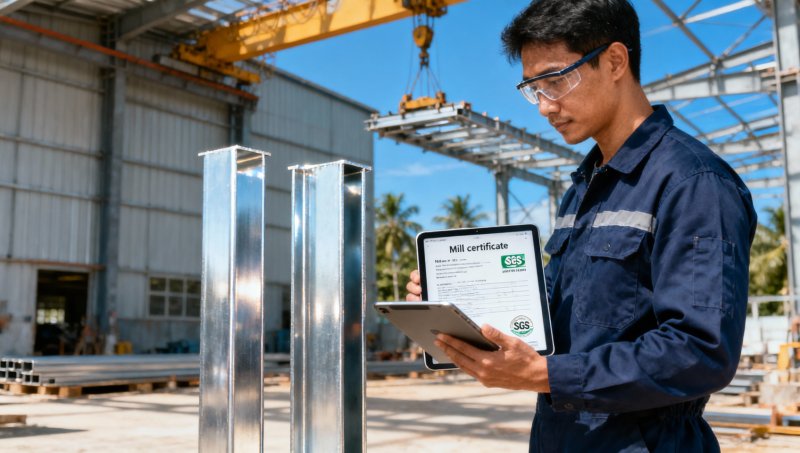
Why Partner with a Verified Angle vs Channel Steel Exporter China & Supplier Southeast Asia
Hongteng Fengda isn’t just an angle vs channel steel exporter China—we’re your end-to-end compliance partner across the procurement lifecycle. Our integrated system delivers:
- Real-Time Traceability Dashboard: Access live heat-level data—including rolling logs, ultrasonic testing (UT) reports, and dimensional inspections—for every order shipped to Malaysia, Indonesia, Vietnam, or the Philippines.
- ASTM Standards Alignment Engine: Automated mapping of your project specs (e.g., “angle vs channel steel ASTM standards for seismic zone 4”) to certified material grades (Q345B, A572 Gr.50, S355JR) and mill-tested properties.
- SEA-Specific Logistics Protocol: Pre-clearance documentation support, port-of-discharge customs coordination (e.g., Tanjung Priok, Laem Chabang), and humidity-controlled container loading to prevent surface oxidation during 14–21 day sea transit.
We serve as your extension in China—conducting unannounced mill audits, managing OEM co-branding, and providing bilingual (English + Bahasa/Thai/Vietnamese) technical documentation. Whether you need angle vs channel steel supplier Middle East support for parallel projects or require rapid validation for angle vs channel steel corrosion resistance comparison in saline environments, our team responds within 4 business hours.
Get Your Project-Specific Verification Package Today
Request a free, no-obligation review of your current mill certificate workflow—or share your project specs (application, environment, load case, standard requirement) for a tailored verification checklist and lead time confirmation. We’ll deliver:
- Heat number traceability map for your next order
- ASTM A6/A6M compliance gap analysis
- Recommended grade selection for angle vs channel steel load capacity comparison
- Customized corrosion protection strategy (galvanizing, painting, or duplex coating)
Contact Hongteng Fengda now for technical consultation, sample requests, or urgent quotation support—backed by ISO 9001-certified processes and 12+ years of structural steel export experience across 32 countries.
- channel steel supplier
- channel steel
- steel i
- angle steel
- ASTM standards
- steel supplier
- ASTM standard
- ASTM A36
- structural steel
- Structural Steel
- Profile
- Z-beam
- S355JR
- Galvanized
- angle vs channel
- angle vs channel steel ASTM standards
- angle vs channel steel supplier Middle East
- angle vs channel steel for bridge construction
- angle vs channel steel load capacity comparison
- angle vs channel steel exporter China
- angle vs channel steel for manufacturing facilities
- angle vs channel steel corrosion resistance comparison
- angle vs channel steel for prefab buildings
- angle vs channel steel welding compatibility
Related recommendations
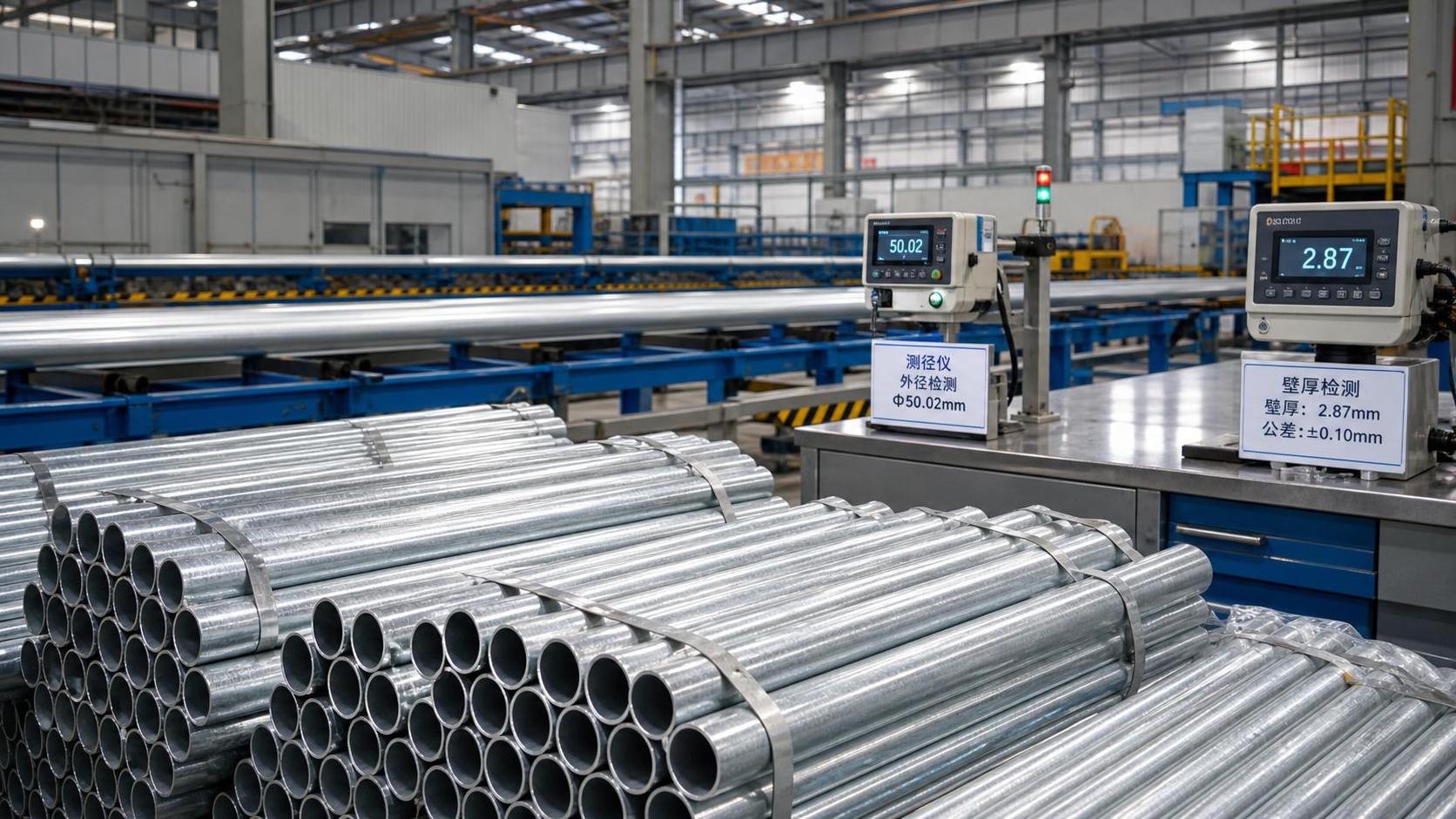
 Galvanized Pipe Manufacturer Selection: Zinc Coating, Tolerance, and ComplianceGalvanized pipe manufacturer selection guide: compare zinc coating quality, tolerance control, and compliance to reduce risk and choose a supplier that delivers reliable steel products.
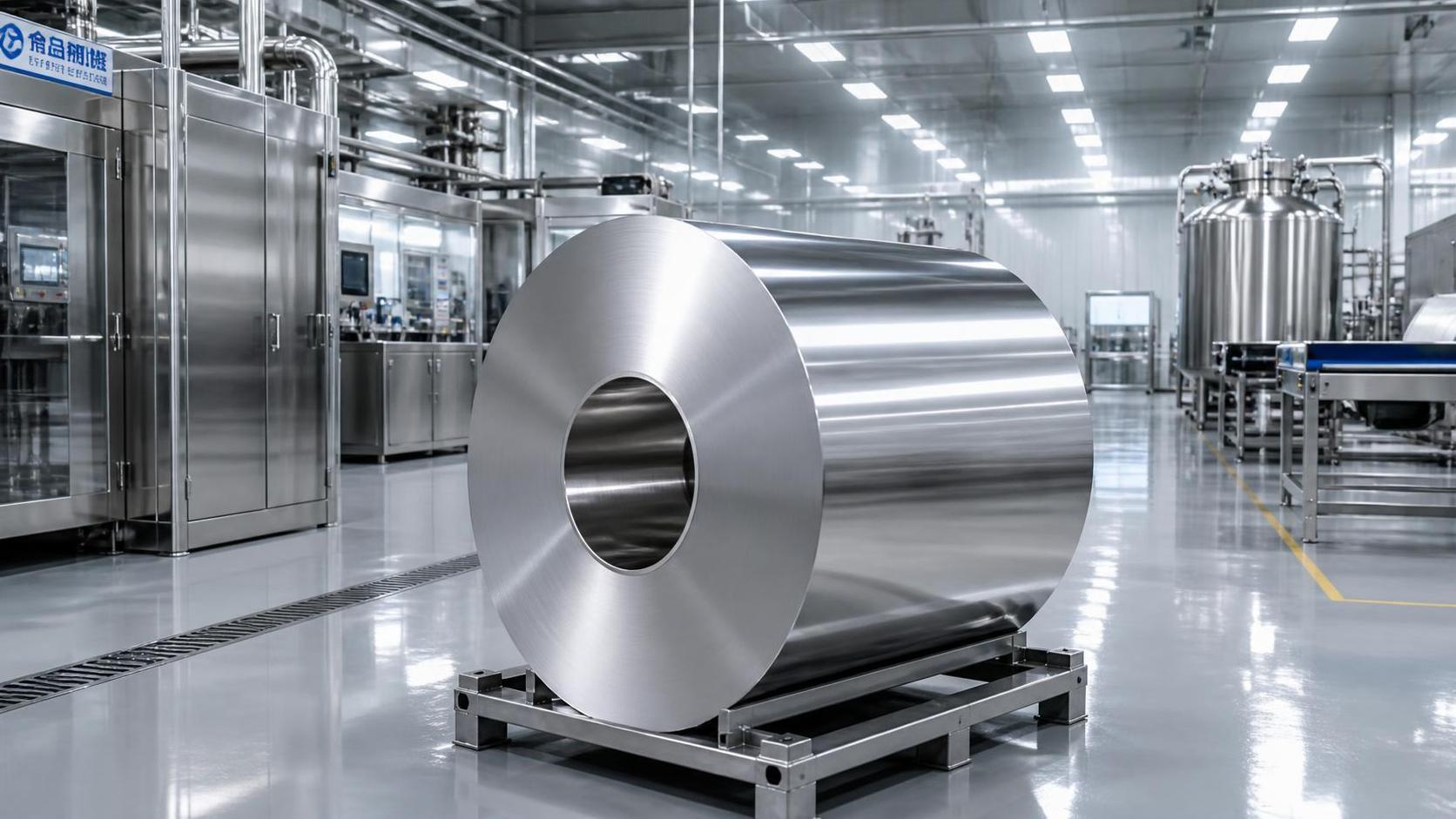
 What to Check Before Choosing an SS Coil Manufacturer for Food EquipmentSS coil manufacturer selection guide for food equipment: compare grade consistency, surface finish, tolerances, hygiene documents, and supply reliability before you buy.
 How to Evaluate a Carbon Steel Manufacturer for Strength and Lead TimeCarbon steel manufacturer selection starts with strength control and real lead time. Learn how to compare quality systems, standards, specs, and export readiness before you buy.
 Buy 304 Stainless Steel Wire 0.5mm Soft: What to Check Before Placing an OrderBuy 304 stainless steel wire 0.5mm soft with confidence. Learn what to check on grade, tolerance, finish, softness, and supplier quality before ordering.
Please give us a message


Please enter what you want to find