When sourcing structural steel for large-scale construction projects, understanding the real cost impact of mill MOQ vs trader MOQ steel for construction projects is critical — especially when balancing budget, lead time, and quality control. For procurement teams and project managers evaluating standard vs custom steel lead time for export, Hongteng Fengda offers factory-direct pricing on I beams, angle steel, and stainless steel profiles — with competitive MOQs, ASTM/EN-compliant certifications, and proven delivery to Malaysia, the Philippines, Europe, and beyond. Discover how choosing a certified steel beam factory price for warehouse construction — not just the lowest quote — saves more long-term.
Understanding MOQ Structures in Structural Steel Procurement
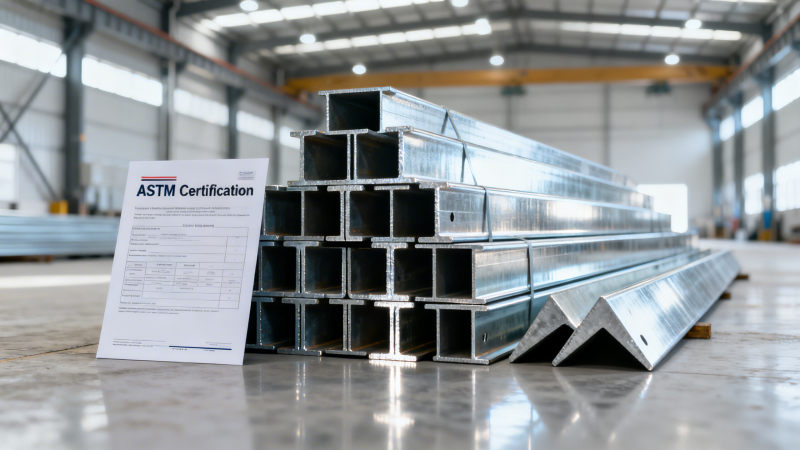
Minimum Order Quantity (MOQ) is far more than a contractual checkbox — it’s a strategic lever influencing cash flow, inventory planning, and total landed cost. In the global structural steel supply chain, two primary MOQ models dominate: mill-direct MOQ and trader-sourced MOQ. A mill MOQ reflects the production economics of integrated steel mills — typically ranging from 50–200 metric tons per grade/specification. These volumes align with furnace batch sizes, rolling line efficiency, and certification batch testing requirements under ASTM A6/A6M or EN 10025. By contrast, traders often advertise “low MOQs” — sometimes as low as 5–10 tons — but this convenience comes at layered costs: markup averaging 8–15%, extended lead times due to multi-tier logistics, and inconsistent traceability across heat numbers and mill test reports (MTRs).
For example, a Steel I Beam supplier in Malaysia for commercial buildings procuring 80 tons of ASTM A992 W14×22 beams faces divergent outcomes. Sourcing directly from a certified mill like Hongteng Fengda ensures full compliance with EN 1090-2 execution class EXC2, seamless documentation for CIDB or PAM approvals, and predictable 35–45-day standard vs custom steel lead time for export. A trader route may promise “10-ton MOQ”, yet require three separate shipments over 70 days, with partial MTRs and no recourse for dimensional deviation beyond ±0.75mm tolerance — a risk magnified in high-rise façade or mezzanine floor systems.
Cost Transparency: Beyond the Per-Ton Quote
Procurement professionals frequently misjudge total cost by isolating unit price. Consider Angle Steel price per ton Philippines for construction: a trader may quote PHP 42,500/ton for equal-leg 75×75×6mm ASTM A36, while Hongteng Fengda’s factory price sits at PHP 38,200/ton. At first glance, the gap appears modest — until factoring in hidden expenses. Trader quotes rarely include port handling fees (PHP 1,800–2,400/20ft container), inland freight surcharges (up to PHP 12,000 for Mindanao deliveries), or customs clearance delays adding 7–12 business days. Mill-direct orders consolidate all charges into FOB Qingdao or CIF Manila terms, backed by ISO 9001-certified QA/QC processes that eliminate rework costs on-site — a critical advantage for how to calculate i beam weight for bridge construction, where load-bearing accuracy dictates safety margins.
Moreover, mill MOQs enable bulk optimization: ordering 120 tons instead of three 40-ton batches reduces per-unit packaging, inspection, and administrative overhead by up to 22%. This scalability directly supports steel beam factory price for warehouse construction, where standardized column-grid layouts allow precise tonnage forecasting — turning MOQ from a constraint into a cost-averaging tool.
Technical Performance & Compliance: Where MOQ Impacts Engineering Integrity
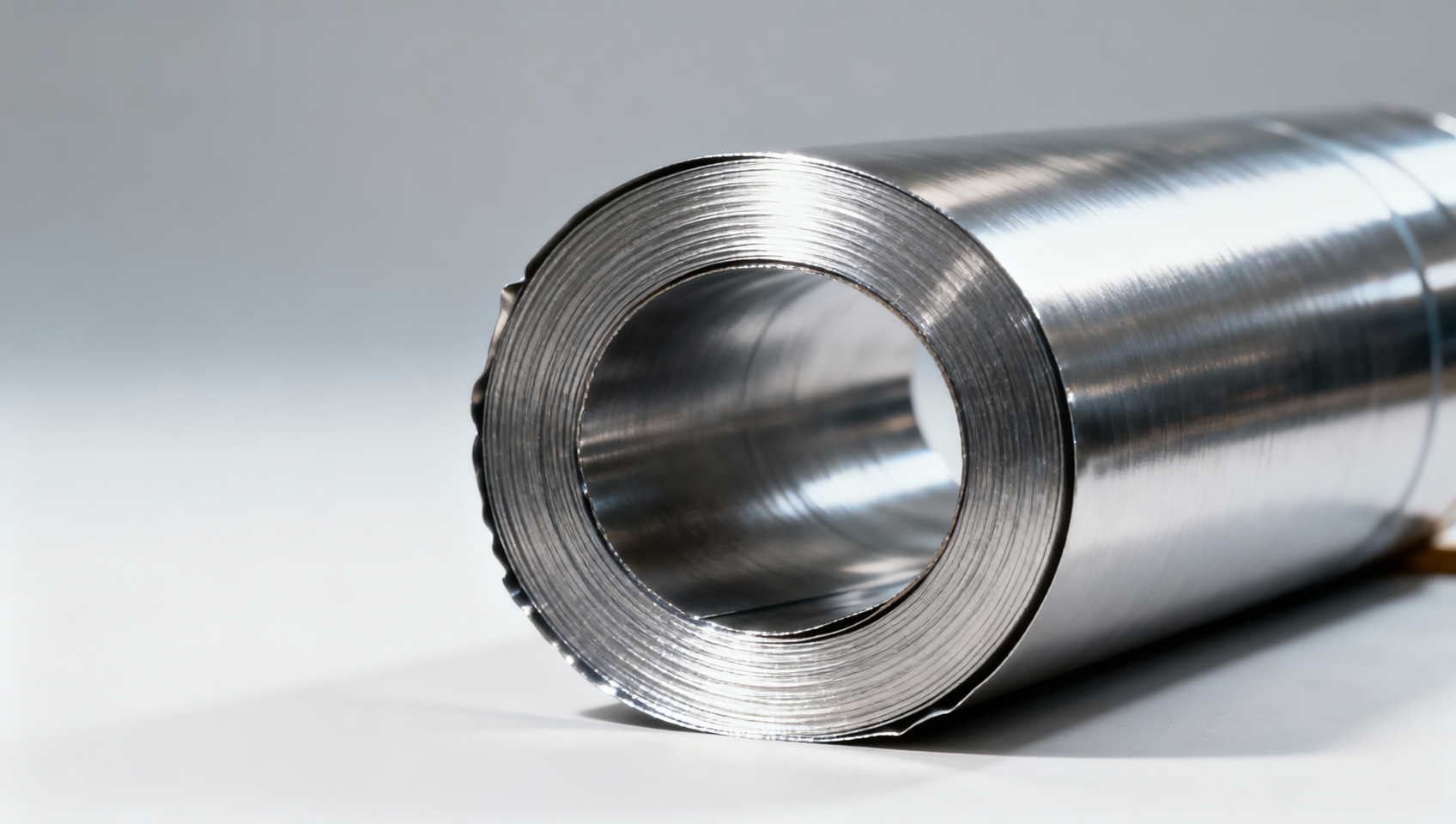
Structural integrity cannot be outsourced. When comparing I beam vs H beam load capacity, material consistency matters at the microstructural level. Mills maintain strict control over chemical composition (e.g., C ≤ 0.25%, Mn 1.0–1.6% for ASTM A992), thermal rolling parameters, and post-rolling cooling rates — variables traders cannot influence. A single coil of AZ150 Galvalume Steel Coil produced under controlled conditions delivers uniform zinc-aluminum coating (150 g/m²) with chromated surface finish, ensuring ≥25-year corrosion resistance in tropical coastal environments like those in Southeast Asia — a benchmark unattainable through fragmented trader-sourced batches.
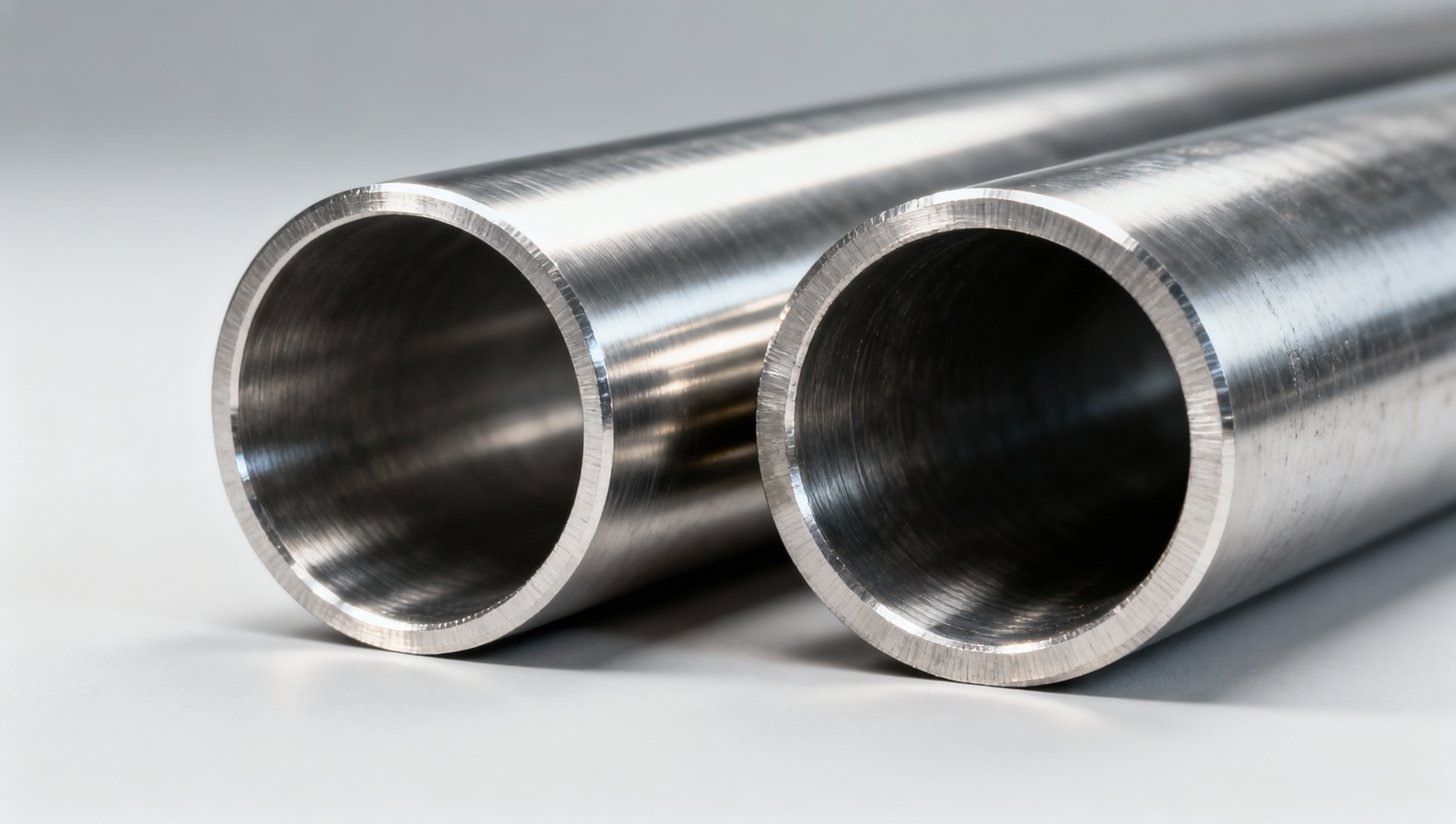
This technical rigor extends to stainless solutions. For clients evaluating 201 vs 304 stainless steel cost per kg, mill-direct sourcing guarantees certified chromium-nickel-manganese ratios (e.g., 304: Cr 18–20%, Ni 8–10.5%) verified via OES spectroscopy — not just supplier declarations. Similarly, stainless steel square bar for industrial applications requires precise grain structure control to withstand cyclic loading; only vertically integrated mills like Hongteng Fengda can guarantee ASTM A276 compliance across 10–200mm sections, with full traceability to melt number and hot-forging temperature logs.
Global Delivery Capability Without Compromise
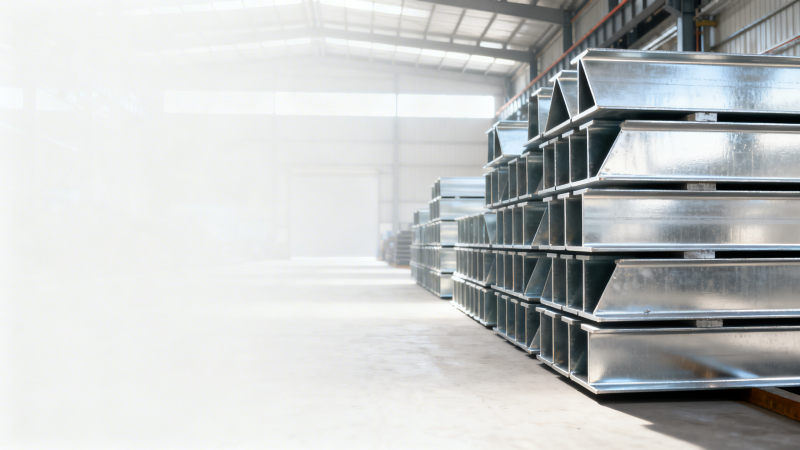
A robust MOQ strategy must integrate logistical reliability. As a stainless steel bar manufacturer in Europe partner and direct exporter to 32 countries, Hongteng Fengda operates dedicated container consolidation hubs in Qingdao and Tianjin, enabling weekly LCL/FCL departures to key markets. For Malaysian commercial projects, we offer CIF Port Klang delivery with pre-arrival customs documentation — cutting port dwell time by 40%. In the Philippines, our partnership with DHL Global Forwarding ensures bonded warehouse clearance within 48 hours of vessel arrival at Manila South Harbor, critical for fast-track infrastructure timelines.
This infrastructure directly supports complex specifications. Whether supplying galvalume coils for roofing substructures (AZ150 Galvalume Steel Coil) or custom-curved H-beams for curved façades, our ERP-linked production planning system synchronizes with client milestone schedules — transforming standard vs custom steel lead time for export from a variable into a scheduled deliverable. For European clients requiring CE-marked components, our in-house EN 1090-1 EXC3 welding procedure qualifications eliminate third-party certification bottlenecks.
Strategic Partnership Over Transactional Sourcing
The choice between mill MOQ and trader MOQ ultimately reflects procurement philosophy. Traders optimize for short-term flexibility; mills optimize for long-term project success. Hongteng Fengda doesn’t just ship steel — we co-engineer solutions. Our technical team supports how to calculate i beam weight for bridge construction using EN 1993-1-1 Annex A formulas, validates weld joint designs per AWS D1.1, and provides BIM-ready Revit families for major structural profiles. For warehouse construction, we offer value engineering workshops to identify optimal beam spacing that reduces total tonnage without compromising deflection limits — directly lowering the effective steel beam factory price for warehouse construction.
With ISO 14001 environmental management systems and R&D investment exceeding 4.2% of annual revenue, we future-proof your supply chain against regulatory shifts — such as upcoming EU CBAM carbon tariffs or ASEAN steel import verification protocols. This isn’t vendor management; it’s engineering partnership rooted in decades of structural steel expertise.
Choosing mill-direct sourcing means investing in predictability, performance, and partnership — not just purchasing steel. To evaluate your next project’s optimal MOQ strategy, request a customized feasibility report including landed cost analysis, lead time mapping, and compliance roadmap. Get started today — contact Hongteng Fengda for a no-obligation consultation with our structural steel specialists.
- steel i
- steel i beam supplier
- h beam
- angle steel
- steel coil
- ASTM A36
- structural steel
- steel profiles
- Structural Steel
- Profile
- AZ150 Galvalume Steel Coil
- H-beam
- standard vs custom steel lead time
- mill MOQ vs trader MOQ steel
- Steel I Beam supplier in Malaysia
- Angle Steel price per ton Philippines
- how to calculate i beam weight
- I beam vs H beam
- steel beam factory price
- Steel Beam
- 201 vs 304 stainless steel cost
- stainless steel square bar
- stainless steel bar
- steel profile
- steel bar
- i beam weight
- stainless steel bar manufacturer in Europe
- stainless steel square bar for industrial applications
- 201 vs 304 stainless steel cost per kg
- steel beam factory price for warehouse construction
- I beam vs H beam load capacity
- how to calculate i beam weight for bridge construction
- Angle Steel price per ton Philippines for construction
- Steel I Beam supplier in Malaysia for commercial buildings
- mill MOQ vs trader MOQ steel for construction projects
- standard vs custom steel lead time for export
Related recommendations
 How much does 2 inch ss pipe price increase when upgrading from Schedule 40 to Schedule 80 for high-pressure systems?2 inch ss pipe price increases 18–35% when upgrading from Sch 40 to Sch 80—discover why, when it’s truly needed, and how to avoid overpaying.
 Which 304 stainless steel coil suppliers meet ISO 9001 and EN 10088-2 for food-grade fabrication?Discover verified 304 stainless steel coil suppliers meeting ISO 9001 & EN 10088-2 for food-grade fabrication—traceable, audited, and ready for regulatory validation.
 How does 2 inch ss pipe price compare between 304 and 316 grades for marine environments?2 inch ss pipe price varies significantly between 304 and 316 — but in marine environments, choosing 304 risks costly failures. Discover why 316 is the true value choice.
 Is 20 feet square pipe price affected more by raw material volatility or regional logistics costs?20 feet square pipe price is driven primarily by raw material volatility—not logistics. Discover why billet costs dominate pricing & how to forecast smarter with Hongteng Fengda.
Please give us a message


Please enter what you want to find