Key Differences, Applications and How to Choose the Right One
Angle steel and channel steel are two of the most commonly used structural steel profiles in construction and industrial projects. While both are designed to support loads and reinforce structures, their shapes, mechanical behavior, and applications are significantly different.
Understanding the differences between angle steel and channel steel helps engineers, contractors, and buyers select the right material for specific project requirements.
What Is Angle Steel?
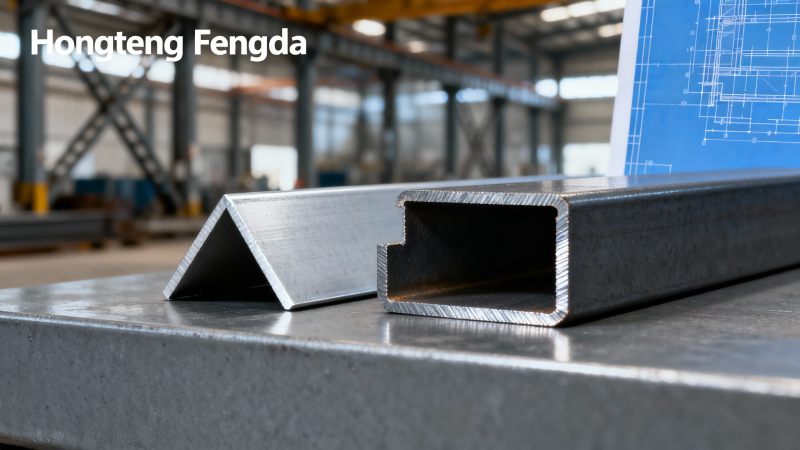
Angle steel is a structural steel section with an L-shaped cross-section. It consists of two legs that meet at a right angle and can be manufactured as equal angle steel or unequal angle steel.
Angle steel is widely used for:
Bracing and reinforcement
Frames and supports
Steel structures and racks
Light to medium load-bearing applications
Its simple shape and flexibility make it one of the most versatile steel profiles.
What Is Channel Steel?
Channel steel, also known as C channel, has a U-shaped or C-shaped cross-section with a web and two parallel flanges.
Channel steel is commonly used for:
Structural frames
Beams and load-bearing supports
Machinery bases
Industrial platforms
Due to its shape, channel steel provides better bending resistance in one direction compared to angle steel.
Key Differences Between Angle Steel and Channel Steel
Cross-Section Shape
Angle steel has an L-shaped profile, while channel steel has a C-shaped or U-shaped profile. This structural difference directly affects load distribution and stiffness.
Load-Bearing Performance
Channel steel generally offers higher bending strength and load capacity in a single direction. Angle steel is better suited for multi-directional support and bracing.
Structural Stability
Channel steel provides greater rigidity when used as beams or frames. Angle steel is often used in pairs or assemblies to improve stability.
Installation and Fabrication
Angle steel is easier to cut, weld, and assemble due to its simple geometry. Channel steel may require more precise alignment during installation.
Typical Applications Comparison
Angle steel is commonly used in:
Bracing systems
Support frames
Light steel structures
Equipment racks and brackets
Channel steel is commonly used in:
Structural beams
Industrial frames
Construction platforms
Load-bearing systems
Choosing between them depends on load direction, strength requirements, and design constraints.
Angle Steel vs Channel Steel: Quick Comparison Table
How to Choose the Right Steel Profile
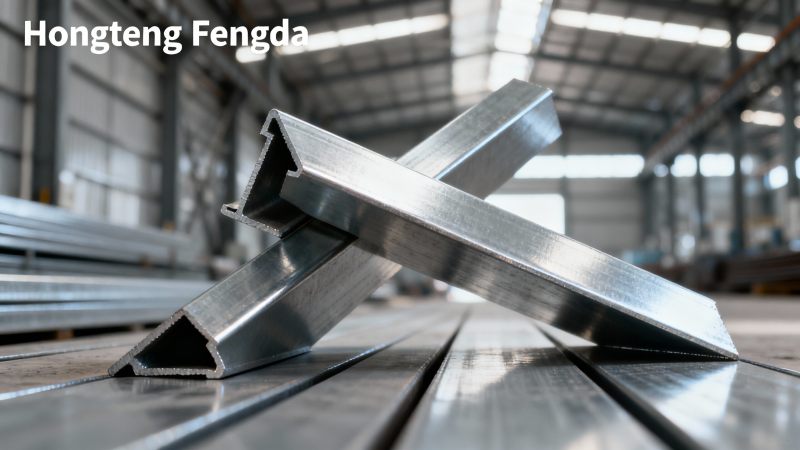
To select the right profile, buyers and engineers should consider:
Load direction and magnitude
Structural design requirements
Installation and fabrication methods
Applicable standards and tolerances
Project budget and lead time
For complex projects, consulting structural drawings and specifications is strongly recommended.
Standards and Quality Considerations
Both angle steel and channel steel are produced under international standards such as ASTM, EN, JIS, and GB. Buyers should ensure:
Correct grade selection
Dimensional accuracy
Verified mechanical properties
Proper documentation and testing
Compliance with standards is critical for safety and long-term performance.
Conclusion
Angle steel and channel steel serve different structural purposes. Angle steel offers flexibility and ease of use, while channel steel provides higher directional strength and rigidity. Understanding their differences allows buyers to make informed decisions, reduce material risks, and ensure structural reliability.
Choosing the right steel profile is not just about shape—it is about performance, standards, and application suitability.
Anchor:how to test structural steel quality
Anchor: is cheap steel from China reliable
Anchor:international standards for structural steel products
Anchor:Channel Steel Buying Guide 2026: Standard Sizes, Weight Charts, and Professional Grade Selection
FAQ
What is the main difference between angle steel and channel steel?
Which is stronger: angle steel or channel steel?
When should I use angle steel instead of channel steel?
What standards apply to angle steel and channel steel?
Related recommendations
 What is an H-Beam and How Does it Differ from an I-Beam?Discover what an H-beam is and how it differs from an I-beam. Learn key structural differences and expert selection tips from Hongteng Fengda to optimize your steel construction projects today.
 How to Select the Correct Steel Sheet Grade for Auto PartsSelect the ideal steel sheet for auto parts by balancing performance and cost. Discover expert sourcing strategies to avoid manufacturing traps and optimize procurement. Read our guide now!
 Hot Rolled vs. Cold Rolled Steel Sheet: Surface and ToleranceHot rolled vs cold rolled steel sheet: Discover how surface finish and tolerances impact manufacturing. Optimize material selection, reduce costs, and ensure quality. Read our expert guide today!
 Best Cutting and Bending Practices for Galvanized Sheet MetalDiscover the best cutting and bending practices for galvanized sheet to prevent zinc flaking. Optimize tooling and thermal parameters to ensure perfect corrosion resistance. Read the full guide!
Please give us a message


Please enter what you want to find