Introduction: why verified lead times and MOQs matter for procurement
Procurement managers must get clear, supplier-verified lead times and minimum order quantities for Wire Products and Steel Rods to prevent project delays and budget overruns. In complex projects that specify electrogalvanized wire, galvanized steel channel, Profile sections or various Steel Rod grades, ambiguity about delivery windows and order sizes is one of the leading causes of schedule slippage, cost escalation and rework. This opening statement frames the stakes for multiple stakeholders — information researchers, plant operators, procurement teams, project managers and distributors — who all need predictable supply behavior to manage cash flow, site staging and installation sequences.
Typical Lead Times for Different Steel Products and Order Types
Lead
times for steel products can vary significantly depending on product
type, order specifications, and production arrangements. For example,
wire products are often produced in continuous batches, which may allow
for shorter lead times when standard diameters and grades are ordered.
Steel rods, especially those with larger diameters or specific
mechanical requirements, usually require more detailed rolling schedules
and quality checks.
Order type also plays a major role. Standard
sizes produced regularly by mills typically have shorter lead times,
while customized dimensions, special grades, or surface treatments may
extend production cycles. In addition, factors such as rolling mill
capacity, production backlog, and raw material availability directly
affect delivery timelines.
Understanding these differences helps
procurement managers set realistic delivery expectations and avoid
delays caused by incorrect assumptions about manufacturing lead times.
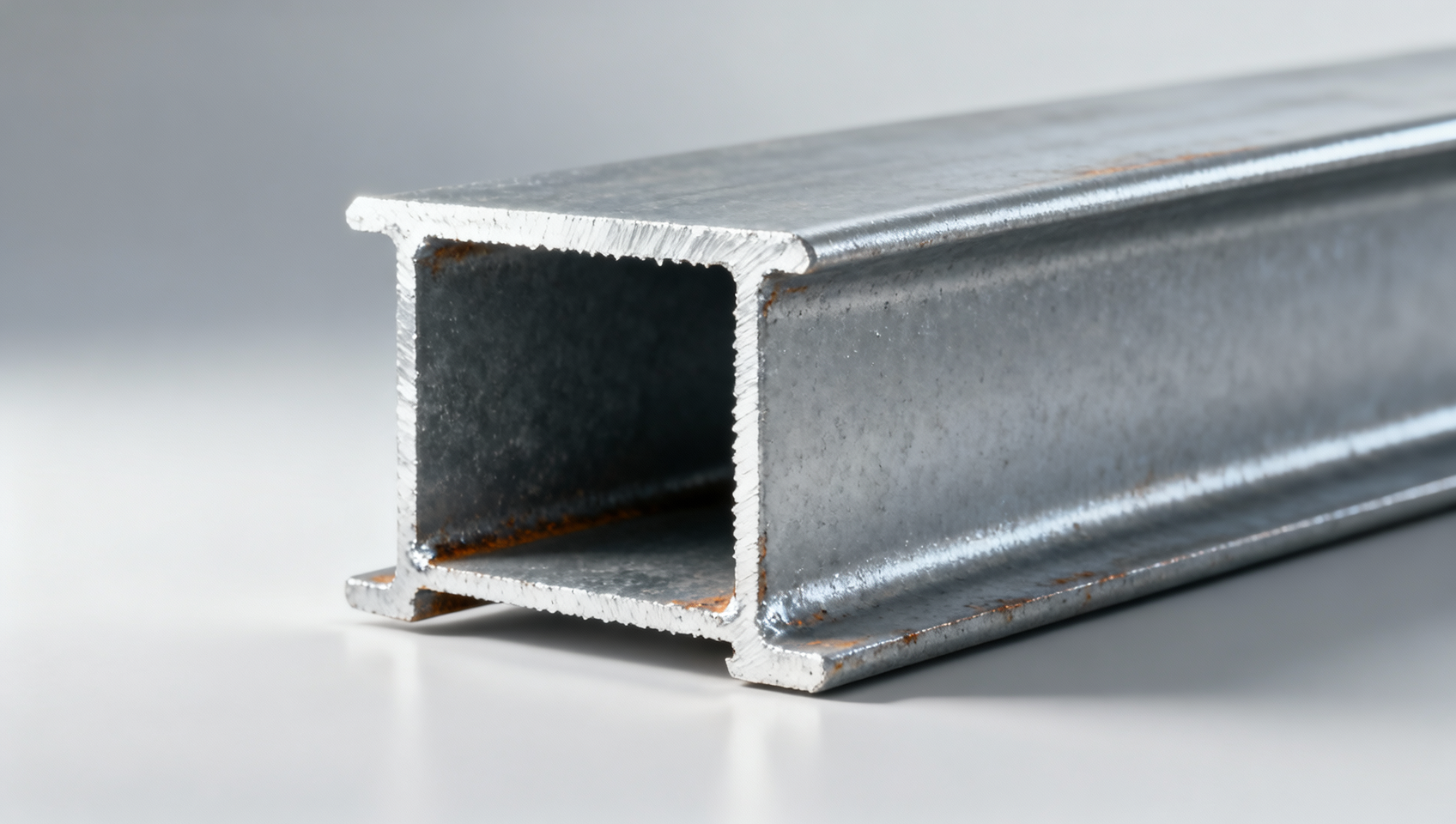
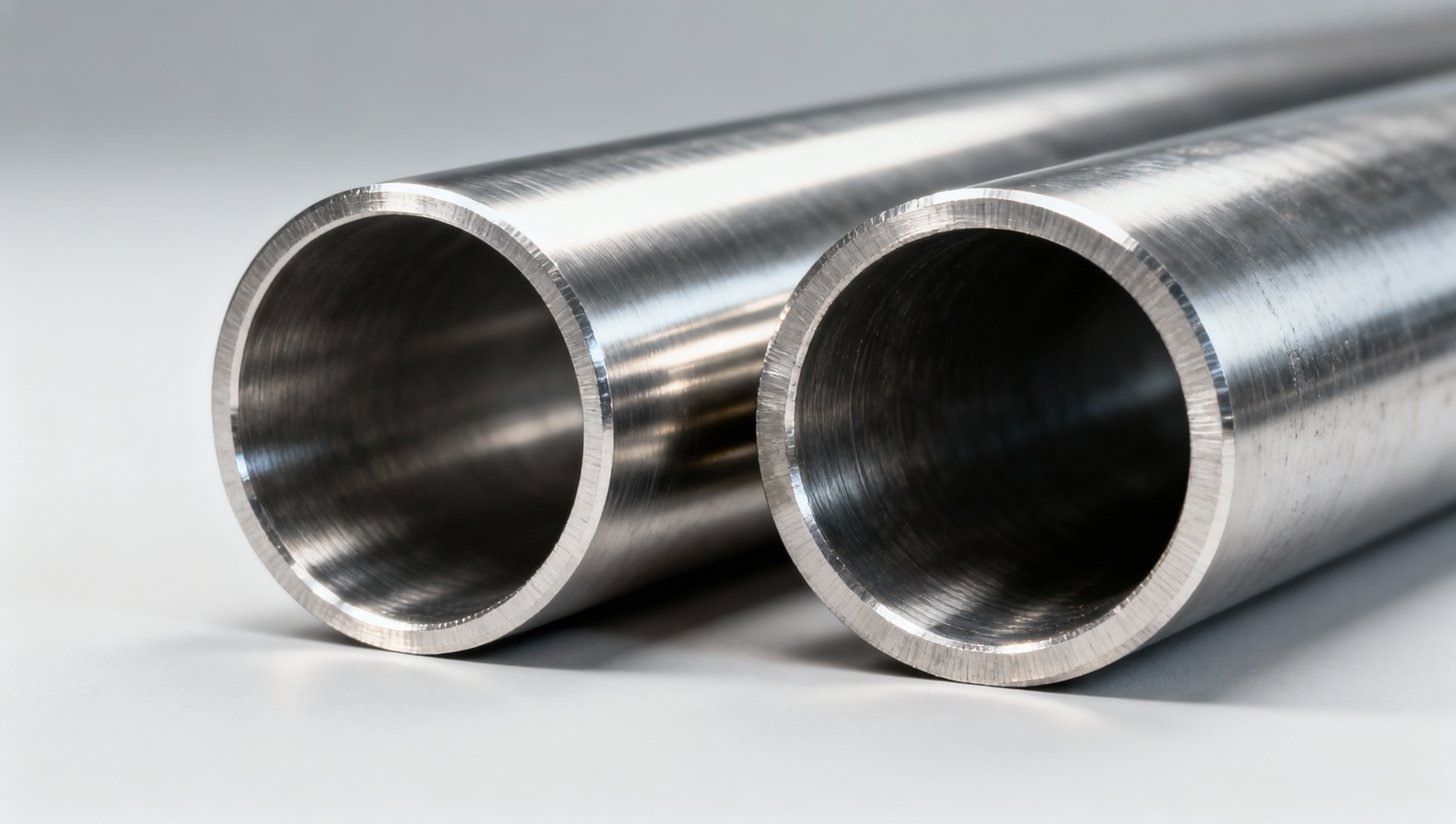
A robust procurement checklist reduces risk by forcing suppliers to declare realistic production cycles, available inventory, and the constraints that drive minimum order quantities (MOQs). For example, electrogalvanized wire batches and stainless seamless pipe runs are often scheduled around coil sizes, annealing cycles and plating capacity; understanding batch logic helps buyers negotiate split shipments or roll stock that matches production sequences. Similarly, galvanized steel channel and angle stainless steel components frequently require surface treatment windows and post-processing that create fixed lot sizes. When the procurement function captures validated lead times, it can coordinate fabrication work, on-site storage and just-in-time deliveries to reduce interim handling costs. In practice, procurement should require supplier-verified statements covering inventory status, current work-in-progress, planned maintenance or furnace downtime, and the exact triggers that create an MOQ. Suppliers that produce finished items on a coil-to-coil basis often link MOQs to minimum coil quantities or weight thresholds; suppliers that work with stainless pipe standards tie MOQs to standard mill lengths (e.g., 508mm/610mm lengths) and testing batch sizes. To streamline technical alignment, procurement teams should use a shared data template that documents steel grade, zinc coat weight, nominated thickness range and compliance standards (AISI, ASTM, EN, GB or JIS). When buyers reference concrete specs, for instance the tinplate and hot-dip zinc ranges used in Steel Coil Galvanized (hot galvanizing 60–275g/m²; thickness 0.12–3.5mm), suppliers respond with precise handling, production and lead-time constraints rather than vague estimates. This level of specificity preserves budgets and keeps multi-stakeholder projects on track by aligning procurement expectations with factory reality.
How Minimum Order Quantities Vary by Product, Size and Production Method
Minimum
order quantities (MOQ) in steel procurement are not fixed numbers and
often vary based on product type, size, and production method. Wire
products with common specifications usually have lower MOQ requirements
because they are produced in larger and more frequent batches. Steel
rods, particularly those with uncommon diameters or tighter tolerances,
may require higher MOQs to ensure production efficiency.
Production
method also affects MOQ. Hot-rolled products generally allow more
flexibility, while cold-drawn or precision-processed steel often
involves higher setup costs, resulting in larger minimum order
requirements. In addition, mills typically set different MOQs compared
to trading companies, as mills must optimize rolling schedules and
material utilization.
Procurement managers should clarify MOQ
conditions early in the sourcing process to avoid unexpected cost
increases or order delays.
Verify lead times: the right questions about inventory, scheduling and capacity
When you ask "what is your lead time?" the answer can be misleading unless you follow with targeted questions that separate stock-ready items from made-to-order production runs. A procurement manager should insist on supplier-verified lead times anchored to the following data points: current available inventory by SKU, confirmed WIP (work in progress) position with estimated completion dates, planned maintenance windows for critical assets (galvanizing lines, pickling/annealing furnaces, rolling mills), and backlog levels for priority customers. For products such as electrogalvanized wire and galvanized steel channel, lead time variability often stems from zinc bath scheduling, coil slitting capacity and surface inspection bottlenecks; documenting these constraints will reveal whether a quoted 2–6 week lead time is realistic. Best practice is to require a lead-time matrix that distinguishes between: - off-the-shelf Wire Products and stock Steel Rods (lead time in days), - standard production runs that require coil setup or heat-treatment (lead time in weeks), - custom Profiles or stainless pipe options that need certificate testing and end-processing (lead time in weeks to months). Alongside the matrix, ask suppliers to provide historical on-time delivery (OTD) metrics and the sample production schedule that supports the quoted lead time. OTD statistics, ideally verified by references or third-party audits, give insight into operational reliability. For stainless seamless pipe and 304 pipe orders, request specific test turnaround times for PMI, hydrostatic testing and traceable mill certificates — these tests frequently add days to the final shipment window. If the supplier is vertically integrated and handles upstream steelmaking and galvanizing, as many large domestic producers do, they can often compress lead times; verify whether an entity like Shandong Hongteng Fengda Metal Materials Co., Ltd. can offer integrated scheduling advantages, which may reduce handoff delays between processing stages. Finally, quantify contingencies: what is the supplier’s buffer for raw material shortage, how will they notify you of schedule shifts, and what escalation path exists for urgent projects? Clear escalation protocols and weekly rolling forecasts mitigate surprises and allow procurement to reallocate logistics and site resources proactively. Incorporating these verified data points into purchase orders and supplier agreements transforms vague timeframes into enforceable commitments.
Confirm minimum order quantities and negotiating levers for better flexibility
Minimum order quantities (MOQs) are operational artifacts, not arbitrary commercial rules. They originate from manufacturing constraints such as minimum coil weights, slitting machine setup loss, batching needs for galvanizing baths, heat-treatment batch sizes, or test sample requirements for stainless grades. To negotiate effective MOQs for items ranging from Profiles and Steel Rod to angle stainless steel and pipe stainless, procurement managers must understand the root cause of the MOQ and then apply commercial or logistical levers to gain flexibility. Start by asking suppliers to explain how their MOQs are calculated: are they weight-based (tons per coil), length-based (standard mill lengths like 508mm/610mm), or batch-based (minimum furnace load, minimum zinc bath volume)? For pre-galvanized coils and products derived from them, MOQs may be driven by the coil sizes for specific specifications such as DX51D+Z or S350GD+Z. Once you know the basis, propose mitigations: accepting a mixed-specification coil split across SKUs, agreeing to pay for partial coil consumption, consolidating orders across affiliated projects, or committing to rolling purchase agreements over a quarter to reduce per-order MOQs. Suppliers are often willing to reduce per-shipment MOQs in exchange for longer-term purchase commitments, forecast accuracy, or shared freight arrangements. For stainless seamless pipe and 304 pipe, where certification tests elevate batch cost, offer to accept alternate cut-lengths, or opt for standard mill lengths to keep MOQ low. Consider proposing a staggered delivery schedule that respects the supplier’s minimum run while giving you smaller, phased receipts at the project site. Leverage distributors and regional stockists to break large MOQs into manageable consignments while maintaining single-vendor quality control. Document negotiated terms in the purchase order, explicitly linking MOQ adjustments to forecast windows, penalties for missed commitments, and acceptance of partial shipments. Include acceptance criteria for mixed-attribute coils or split lots, and require traceability back to mill certificates. This transforms MOQ from a blunt procurement limitation into a negotiable, contractual instrument aligned with project cashflow and storage capacity.
Production quality, material specs and certification — what must be verified
Quality and specification alignment are central to procurement decisions for steel products. Technical adjudication of electrogalvanized wire, galvanized steel channel, Steel Rods, Profiles and stainless products must reference accepted standards (AISI, ASTM, EN, GB, JIS) and verify test protocols before production begins. Ask suppliers to supply a full materials declaration and test plan that covers yield strength, tensile strength, elongation, zinc coating mass (e.g., hot galvanizing 60–275g/m² or pre-galvanized 80–275g/m²), and dimensional tolerances such as thickness ranges 0.12–3.5mm and widths 600–1500mm where applicable. Requesting mill certificates and third-party inspection is routine: for stainless seamless pipe and ss 304 pipe, insist on full traceability from melt to mill, including heat numbers, PMI reports, and hydrostatic test records. For galvanized surfaces, require coating adhesion and salt spray resistance test results tied to the specified zinc coat weight. When reviewing supplier documentation, verify that mechanical properties meet project design requirements and that finishing processes (e.g., galvanizing, passivation, surface pickling) are performed under controlled conditions with batch records available. If customization is necessary — custom lengths or non-standard zinc layers — include clear acceptance thresholds and rework liabilities in the contract. For complex items like Profiles that require roll-forming and secondary welding, arrange a pre-production sample run or First Article Inspection (FAI). Using supplier factories with integrated rolling and finishing capabilities can reduce handoff errors; for example, a vertically integrated supplier offering combined steelmaking, galvanizing and rolling often provides consistent spec adherence and predictable lead times for items derived from Steel Coil Galvanized material because upstream control reduces variability. Finally, embed certification timelines in the schedule: specify when mill certificates, test reports and packing lists must be provided relative to shipment. This prevents last-minute holds at customs or on-site rejections, supporting seamless delivery and installation.
Common Lead Time and MOQ Risks in Steel Procurement
Lead time and MOQ risks are common challenges in steel procurement, especially when sourcing from multiple suppliers or international markets. One frequent risk is overly optimistic lead time commitments that fail to account for production backlogs or changes in rolling schedules. This can result in missed delivery dates and project delays.
Another risk involves hidden MOQ conditions. Some suppliers may quote attractive prices without clearly stating that MOQs apply separately to each size, grade, or batch. Changes in production planning, raw material shortages, or transportation disruptions can further complicate fulfillment.
By identifying these risks early, procurement managers can implement mitigation strategies such as buffer scheduling, clear contract terms, and regular communication with suppliers.
Logistics, packaging and risk mitigation for timely delivery and site readiness
Logistics planning must be part of the lead-time conversation. A supplier’s quoted lead time is only meaningful if it includes handling, packing, inland transit and export procedures. Confirm whether lead times are factory-gate, FOB, CIF or DDP, and quantify the additional transit time and customs clearance expectations. For bulky Wire Products, galvanized steel channel or long Profiles, packaging and handling constraints can add days: bundles must be secured to prevent damage to zinc coatings; stainless pipes need internal protection to avoid pitting; and coil freight often requires crane-capable yard time for loading. Ask suppliers to provide standardized packing lists, palletization schemes, and protective measures for long sea voyages or cross-border rail. For example, coils intended for export should specify inner core protection, edge protectors, and weatherproof banding to prevent corrosion during transit. For steel rods and profiles, confirm whether units will be delivered bundled, skid-mounted or boxed, and what damage allowance is accepted upon receipt. Incorporate inspection checkpoints at the manufacturing site, pre-shipment inspection (PSI) and conditional acceptance terms at the consignee’s site to allocate risk correctly between parties. Plan for contingencies: identify alternate suppliers, expedite freight pricing and shared container options, and include priority production windows in contracts for critical path items. For high-risk projects, secure safety stock agreements or local inventory consignment with regional distributors to shorten lead times for emergency needs. Additionally, require suppliers to implement an early-warning system for disruptions — furnace outages, raw-material shortages, or port congestion — and to provide recovery plans that include overtime shifts, alternate routing or partial shipments. Combining clear logistics requirements with contractual liability for late delivery protects project schedules. Successful procurement teams build redundancies through multi-source strategies, flexible MOQs and integrated supplier relationships that align production planning with transport realities.
Questions Procurement Managers Should Ask Before Placing an Order
Before placing an order for wire products or steel rods, procurement managers should ask suppliers a clear set of questions to confirm feasibility and reduce sourcing risks. These questions include how lead times are calculated, whether production schedules are fixed or adjustable, and if partial deliveries are possible.
It is also important to clarify whether MOQs apply per specification or can be combined across different sizes or grades. Additional questions should address quality inspection procedures, documentation, and contingency plans in case of production delays.
Asking the right questions before order confirmation helps procurement teams make informed decisions, improve planning accuracy, and build more reliable supplier relationships.
Conclusion: turn verified lead times and realistic MOQs into competitive advantage
In summary, procurement managers can prevent delays and budget overruns by insisting on supplier-verified lead times, transparent MOQ rationales and enforceable logistics commitments for Wire Products and Steel Rods. The right procurement playbook includes a lead-time matrix, a root-cause analysis of MOQs, verified quality documentation (mill certificates and test reports) and a logistics plan that maps factory-gate timelines to delivery-in-place dates. By negotiating MOQs tied to forecasted purchase volumes or accepting phased deliveries, buyers can align supplier economics with project needs while preserving cash flow and storage capacity. Leverage supplier capabilities — especially when a supplier offers integrated processing and strong logistics — to shorten handoffs and minimize variability. Use contractual tools such as rolling forecasts, penalty clauses for late delivery, pre-shipment inspection, and shared responsibility for expedited freight to create predictable outcomes. Embed technical specifics (material grades, zinc coat weights, thickness ranges, standard lengths and testing benchmarks) in purchase orders to avoid ambiguity. For complex or critical materials, a pre-production sample or First Article Inspection is invaluable. If you are managing multiple projects or negotiating long-term supply, adopt a supplier scorecard that tracks on-time delivery, conformity to specification, communication responsiveness and MOQ flexibility. That transparency drives continuous improvement and encourages partners to prioritize your orders. For more detailed, project-specific guidance or to discuss supply options for electrogalvanized wire, galvanized steel channel, Profiles, Steel Rods or stainless solutions including 304 pipe and stainless seamless pipe, contact our team to evaluate lead time scenarios and MOQ structures tailored to your schedule. Act now to secure stable deliveries, reduce exposure to market volatility and keep your projects on schedule — request a supply review or get a quotation today to protect your critical path.
- steel coil galvanized
- coil galvanized
- galvanized coils
- galvanized coil
- galvanized wire
- seamless pipe
- DX51D
- hot galvanizing
- steel coil
- galvanized steel
- stainless pipe
- ss pipe
- stainless seamless pipe
- ss 304 pipe
- 304 pipe
- pipe stainless
- angle stainless steel
- Steel Rod
- Profile
- Wire Products
- galvanized steel channel
- electrogalvanized wire
Related recommendations
 How long does acero prepintado retain gloss and color stability in direct desert sunlight?Acero prepintado gloss & color stability in desert sun? Discover real-world performance data, PVDF vs. polyester longevity, and spec-critical insights for GCC projects.
 Does acero pregalvanizado maintain coating integrity after cold bending to 90 degrees?Acero pregalvanizado maintains coating integrity after 90° cold bending — when engineered right. Discover how Hongteng Fengda guarantees real-world performance, adhesion & corrosion resistance.
 Do the advantages of galvanized steel include reduced fire risk compared to untreated carbon steel?Advantages of galvanized steel include measurable fire-risk reduction vs. untreated carbon steel—learn how zinc delays ignition, buys critical escape time, and enhances safety without false 'fireproof' claims.
 How much does 2 inch ss pipe price increase when upgrading from Schedule 40 to Schedule 80 for high-pressure systems?2 inch ss pipe price increases 18–35% when upgrading from Sch 40 to Sch 80—discover why, when it’s truly needed, and how to avoid overpaying.
Please give us a message


Please enter what you want to find