Why Structural Steel Quality Testing Matters
Structural steel quality directly affects safety, durability, and project performance. Poor-quality steel can lead to structural failure, increased maintenance costs, and project delays.
Testing steel quality before use is essential, especially for international sourcing.
Raw Material Inspection
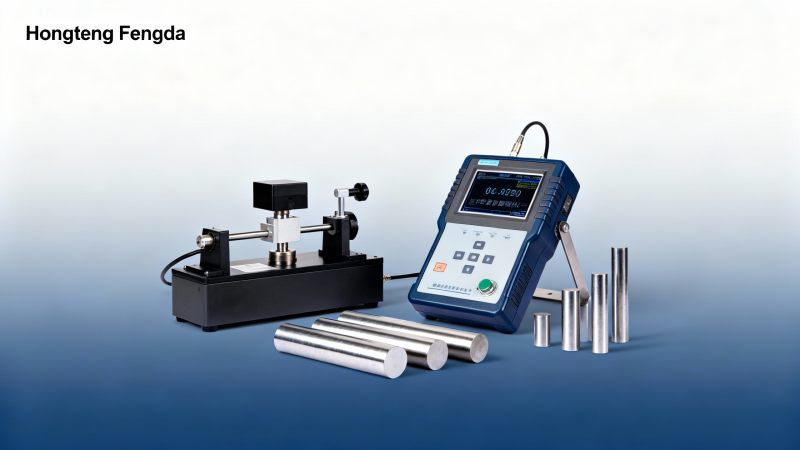
Quality testing starts with verifying raw materials. Buyers should confirm:
Steel grade and chemical composition
Mill test certificates (MTC)
Compliance with required standards
Chemical composition testing ensures the steel meets strength and corrosion resistance requirements.
Mechanical Property Testing
Key mechanical tests include:
Tensile strength test
Yield strength test
Elongation test
These tests determine whether the steel can withstand expected loads without deformation or failure.
Dimensional and Visual Inspection
Dimensional accuracy is critical for fabrication and installation. Inspections should cover:
Thickness tolerance
Width and length accuracy
Straightness and angle precision
Visual checks help identify surface defects such as cracks, laminations, or uneven finishes.
Non-Destructive Testing (Optional)

For critical projects, non-destructive testing methods such as ultrasonic testing may be used to detect internal defects without damaging the steel.
Conclusion
Testing structural steel quality involves material verification, mechanical testing, dimensional checks, and defect inspection. Following proper testing procedures helps buyers ensure consistent quality, reduce risks, and meet project requirements.
Anchor:international standards for structural steel products
Anchor: is cheap steel from China reliable
Anchor:what is angle steel
FAQ
Why is structural steel quality testing important?
What tests are used for structural steel quality?
Related recommendations
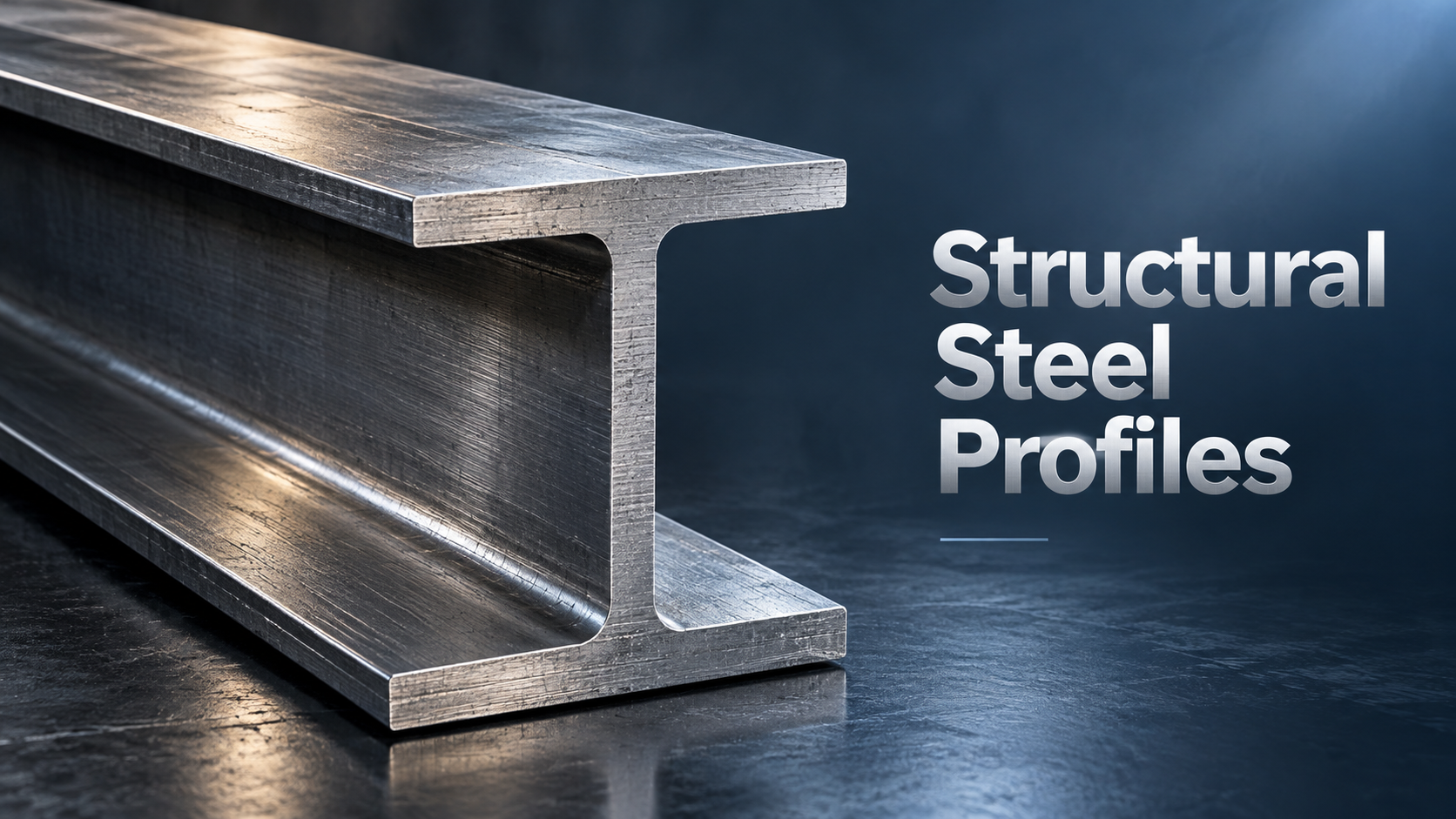
 What is an H-Beam and How Does it Differ from an I-Beam?Discover what an H-beam is and how it differs from an I-beam. Learn key structural differences and expert selection tips from Hongteng Fengda to optimize your steel construction projects today.
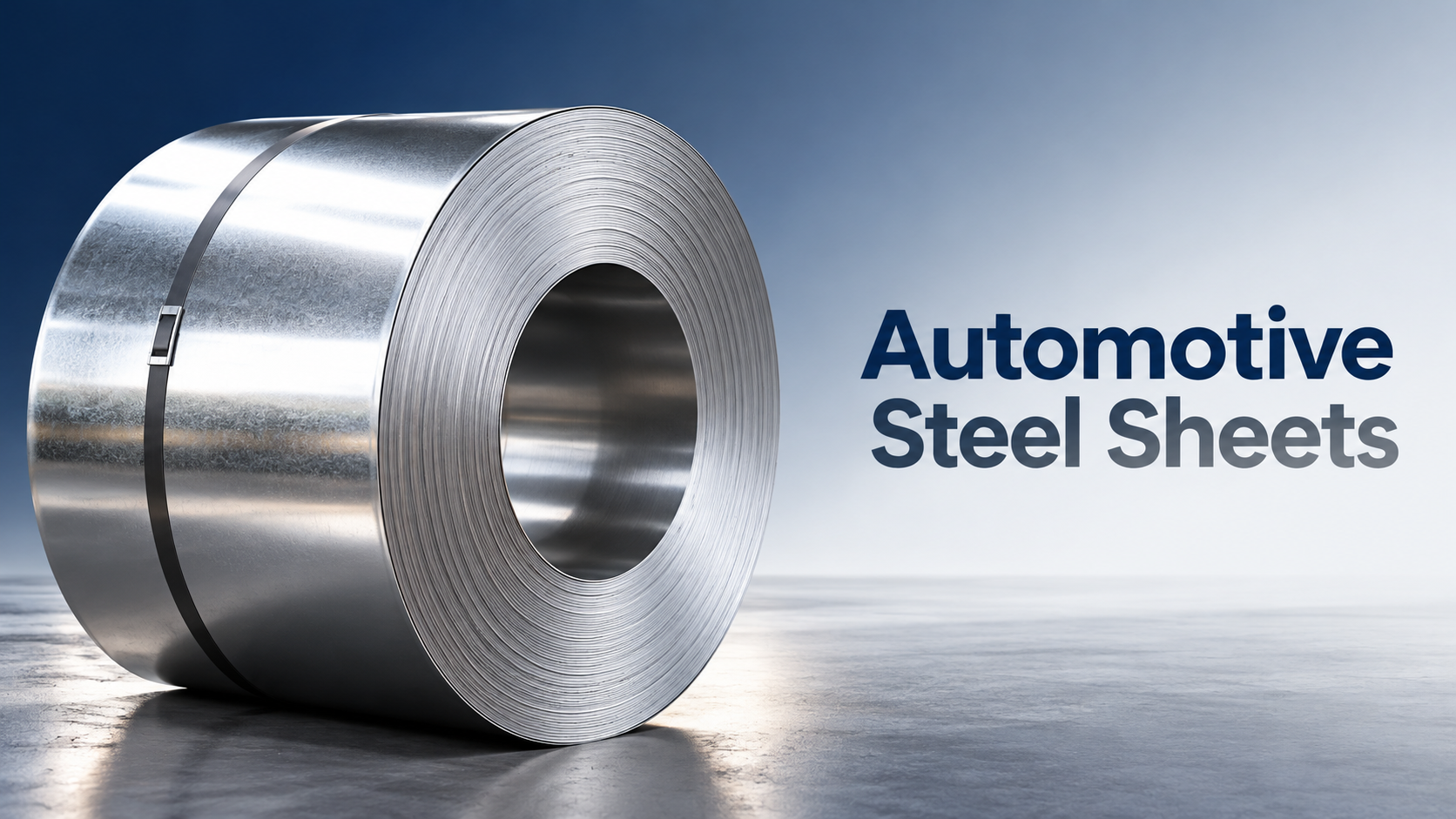
 How to Select the Correct Steel Sheet Grade for Auto PartsSelect the ideal steel sheet for auto parts by balancing performance and cost. Discover expert sourcing strategies to avoid manufacturing traps and optimize procurement. Read our guide now!
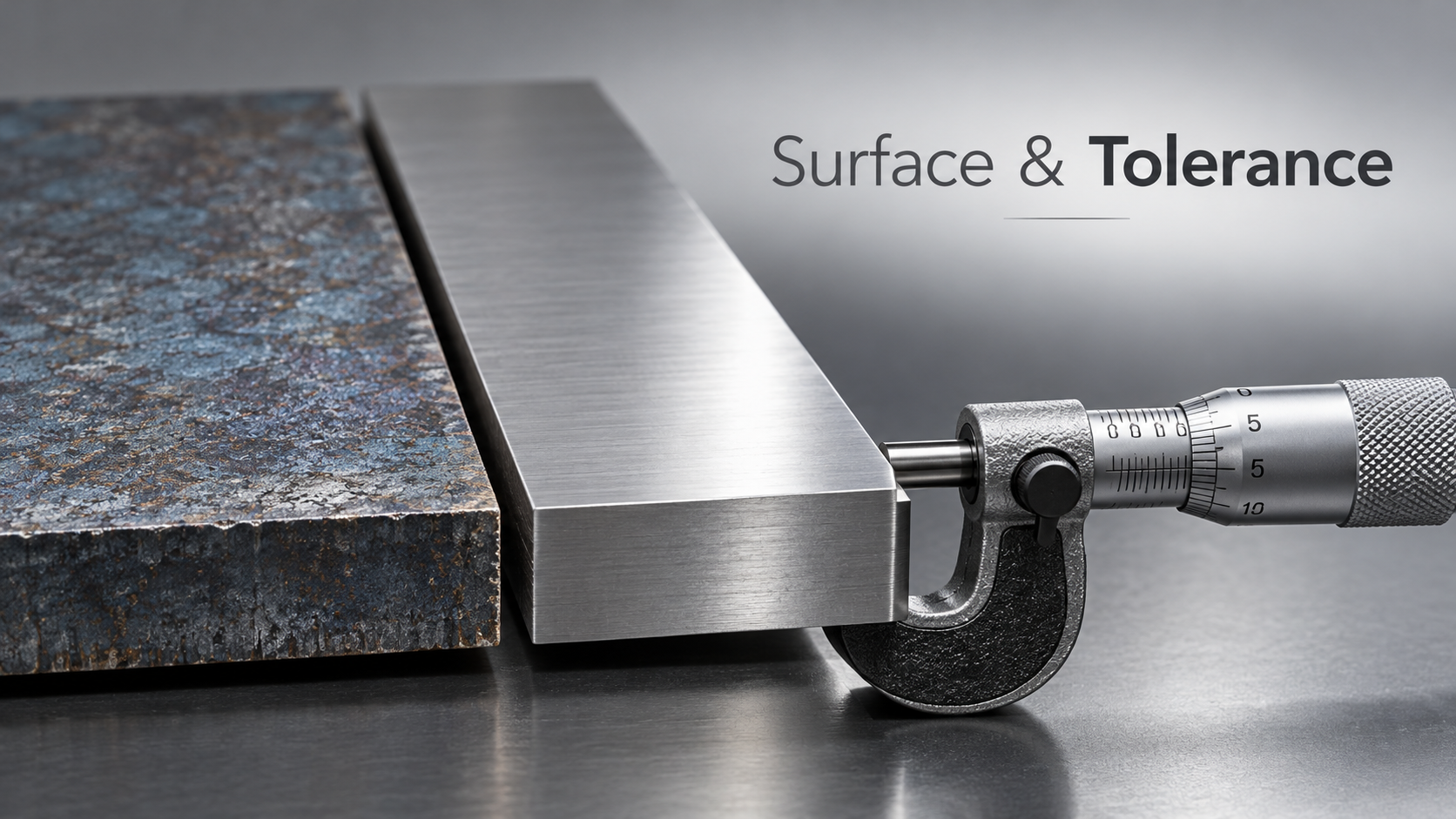
 Hot Rolled vs. Cold Rolled Steel Sheet: Surface and ToleranceHot rolled vs cold rolled steel sheet: Discover how surface finish and tolerances impact manufacturing. Optimize material selection, reduce costs, and ensure quality. Read our expert guide today!
 Best Cutting and Bending Practices for Galvanized Sheet MetalDiscover the best cutting and bending practices for galvanized sheet to prevent zinc flaking. Optimize tooling and thermal parameters to ensure perfect corrosion resistance. Read the full guide!
Please give us a message


Please enter what you want to find