Market Dynamics Impacting Steel Pile and Carbon Steel Supply in 2026
In 2026, procurement managers face increasing challenges in balancing steel pile availability, steel rebar pricing, and carbon steel supply stability. Understanding how market fluctuations, raw material costs, and production schedules affect lead times is crucial for maintaining project efficiency. As a trusted structural steel manufacturer and exporter, Hongteng Fengda provides insight into key supply chain factors and practical strategies to help global buyers secure consistent and reliable steel resources.
The global steel market continues to undergo significant transformation. Demand for steel piles and carbon steel components remains strong due to rapid infrastructure investments and renewable energy projects across Asia and the Middle East. Simultaneously, environmental regulations in China and Europe are reshaping production capacity and driving the cost of raw materials higher. Procurement managers need to anticipate these fluctuations to avoid unexpected delays or cost overruns. Factors such as iron ore pricing, coke supply, energy consumption policies, and shipping constraints have a cascading effect on the availability of structural products including steel rebar and fabricated piles. Manufacturers that maintain diversified supply chains and stable production capacity are positioned to deliver predictable lead times—a critical factor for large-scale construction and industrial projects.
Hongteng Fengda continuously monitors the steel supply chain from raw material sourcing to finished product delivery. Our in-house testing facilities and compliance with international standards such as ASTM and EN ensure our carbon steel products remain consistent in performance and reliability even under fluctuating market conditions. For instance, procurement officers dealing with steel pile foundations must consider not only unit price but also the stability of schedules, since even minor delivery deviations can disrupt project sequencing. Understanding these background market mechanisms helps buyers make strategic sourcing decisions that reduce risk while improving cost efficiency.
How Lead Time Management Determines Project Success
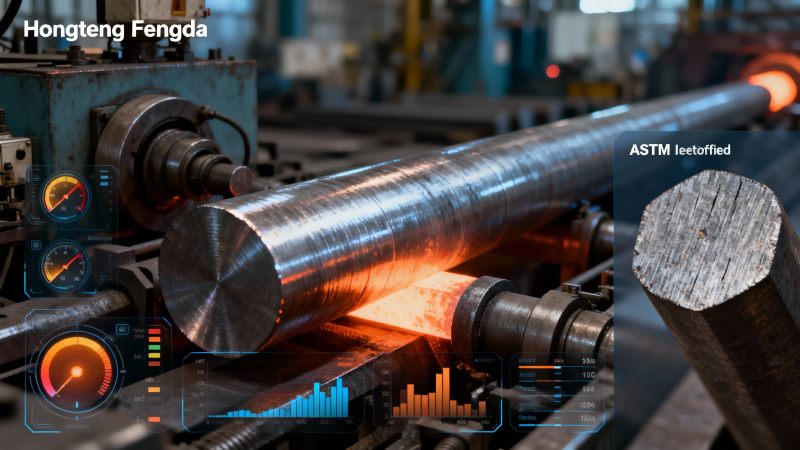
Lead time in the steel industry refers to the total duration between placing an order and receiving finished materials at the project site. It encompasses raw material procurement, processing, quality testing, packaging, and transportation. For procurement managers, minimizing variability in lead times for steel piles, steel rebar, or other carbon steel components is critical to maintaining workflow continuity. A delay in steel rebar delivery can trigger costly idle time for construction teams, while expedited shipping may significantly raise budgets. As 2026 progresses, supply stability has become even more significant due to increased unpredictability in logistics networks and a tightening credit environment affecting some smaller suppliers.
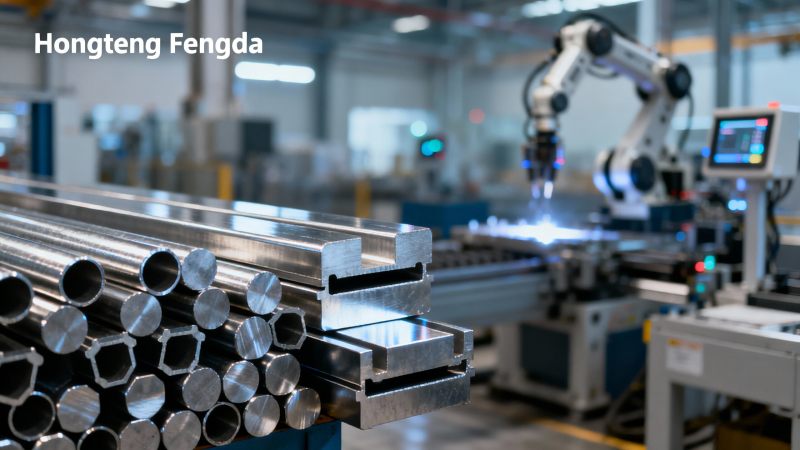
Hongteng Fengda’s production system integrates digital order tracking and flexible scheduling, enabling our clients to forecast procurement timelines accurately. By maintaining strategic reserves of key materials and a global logistics network, we can balance production efficiency with timely delivery. This approach ensures that our customers in North America, Europe, and Southeast Asia can secure the steel piles and structural beams needed for continuous operation. For added assurance, suppliers offering products such as a106 gr b Seamless Pipe—manufactured with Q355B carbon steel and tested for durability and toughness—provide a clear example of how standardized quality management supports dependable delivery. By replacing conventional Q235 steel pipes, these seamless pipes exhibit superior strength and low-temperature performance, making them suitable for critical engineering environments where reliability cannot be compromised.
Effective lead time management is intertwined with supply visibility. Advanced forecasting tools, supplier diversification, and long-term framework contracts all enhance predictability. Moreover, close coordination between procurement teams and engineering planners ensures that order cycles align with project phasing. This integrated approach transforms lead time from a logistics issue into a strategic advantage for companies that rely heavily on steel rebar, carbon steel profiles, and fabricated steel piles.
Steel Rebar and Pile Supply Chain Resilience Strategies
Resilience has become a core concept for 2026 procurement workflows. Instead of focusing solely on pricing, forward-thinking procurement managers are emphasizing risk reduction and operational agility. Steel rebar, being one of the most consumed elements in construction, faces volatility from several directions: raw material price spikes, environmental restrictions, and port congestion all play a part in determining availability. To mitigate exposure, many buyers are turning toward suppliers with transparent quality control frameworks and the ability to customize steel piles and rebar lengths to fit project requirements.
At Hongteng Fengda, our resilience strategy centers on maintaining a diversified raw material portfolio and investing in smart manufacturing systems. Real-time monitoring of furnace temperature, rolling parameters, and bar dimensions safeguards production stability. Our quality assurance is reinforced through regular pressure, tension, and chemical composition testing across batches—similar to the precision applied in the production of A106 Gr B seamless pipes, where precise tolerances of ±0.5 mm on diameter and ±0.05 mm on thickness are achieved. These practices not only protect product reliability but also shorten inspection and certification cycles for international shipments. By implementing predictive maintenance on rolling mills, downtime is further reduced, enhancing supply continuity.
Additionally, building long-term relationships between manufacturers and distributors fosters consistent communication. A transparent update system—covering everything from production schedules to port shipment slots—helps procurement managers prepare contingency plans early. This partnership-based approach ensures that when global trade disruptions occur, orders for critical materials like carbon steel rebar and foundation piles remain prioritized.
Trends and Forecasts in the Global Steel Market
The outlook for the global steel industry in 2026 and beyond is characterized by cautious optimism. Although decarbonization policies are putting upward pressure on production costs, demand driven by new energy infrastructure, offshore wind platforms, and smart city projects continues to grow. For carbon steel and steel rebar, consumption in the Asia-Pacific region remains dominant, while North America is experiencing renewed demand from industrial revitalization initiatives. Steel piles, being essential for deep foundation systems, are increasingly specified under stricter technical standards that demand higher strength and consistent low-temperature performance.
Technological innovation is another critical factor influencing lead times and stability. Automation, digital twin production management, and AI-assisted quality control enhance production predictability by eliminating manual errors and optimizing furnace schedules. As these technologies spread across steel mills, end-users benefit from shorter delivery cycles and improved consistency in carbon steel materials. For instance, suppliers that employ sensors across casting and welding operations can analyze data in real time, reducing rejection rates and ensuring that shipments of steel rebar or pipe sections are on schedule. This development enhances overall project planning reliability for global clients.
Environmental responsibility also influences strategic procurement. With global pressure on carbon emission reduction, procurement managers are encouraged to partner with producers adopting low-emission furnaces and renewable energy input. Hongteng Fengda’s modernization plan includes refining smelting and reheating processes to reduce greenhouse gas emissions while ensuring mechanical properties remain equivalent or superior to conventional grades. This approach allows buyers to meet sustainability targets without sacrificing structural performance.
Best Practices for Procurement Managers in 2026
Procurement professionals dealing with steel piles, steel rebar, and carbon steel components must adopt proactive management practices. Successful supply programs typically include benchmarking qualified suppliers, diversifying logistics partners, and implementing just-in-time replenishment supported by safety stock. Some enterprises are also engaging in collaborative forecasting, where data on upcoming projects are shared with key suppliers months in advance. This openness allows manufacturers to schedule production more efficiently and minimize waiting periods between batches.
Equally important is continuous evaluation of total cost, not only the unit steel cost. When comparing suppliers, parameters such as testing standards, tolerance precision, documentation quality, and after-sales support play a crucial role. High-performance products like the a106 gr b Seamless Pipe, verified according to ASTM A213 and EN10216 standards, exemplify the type of dependable components that deliver consistent performance in demanding engineering applications. Integrating such robust items into procurement portfolios enhances both technical reliability and financial predictability throughout the project cycle.
Finally, training and knowledge sharing within procurement and project management teams are vital. By understanding steel specification principles, mill certifications, and shipping documentation, professionals can better assess supplier credibility. In 2026, the most successful managers will be those who transform data and collaboration into resilience and efficiency—bridging technical expertise with strategic decision-making.
Conclusion: Building Trustworthy Supply Partnerships
In an ever-fluctuating market, controlling lead times and ensuring stable access to steel piles, steel rebar, and carbon steel remains an operational imperative. Hongteng Fengda, as a professional structural steel manufacturer and exporter from China, continues to assist global buyers with dependable solutions and transparent delivery frameworks. By emphasizing structural integrity, quality assurance, and responsive customer support, we enable project stakeholders to focus on performance rather than uncertainty. Whether you are managing large infrastructure foundations or industrial manufacturing lines, partnering with a supplier who prioritizes stability, professionalism, and long-term reliability is key.
With modern manufacturing capabilities, international certification, and a commitment to sustainability, Hongteng Fengda invites global procurement managers to explore customized structural steel solutions that meet evolving technical and supply chain demands. Contact our team today to learn how our comprehensive product range—from beams and channels to precision seamless pipes—can secure the stability your 2026 projects require. Together we can reinforce confidence in every structural connection and deliver success on time and within budget.
Related recommendations
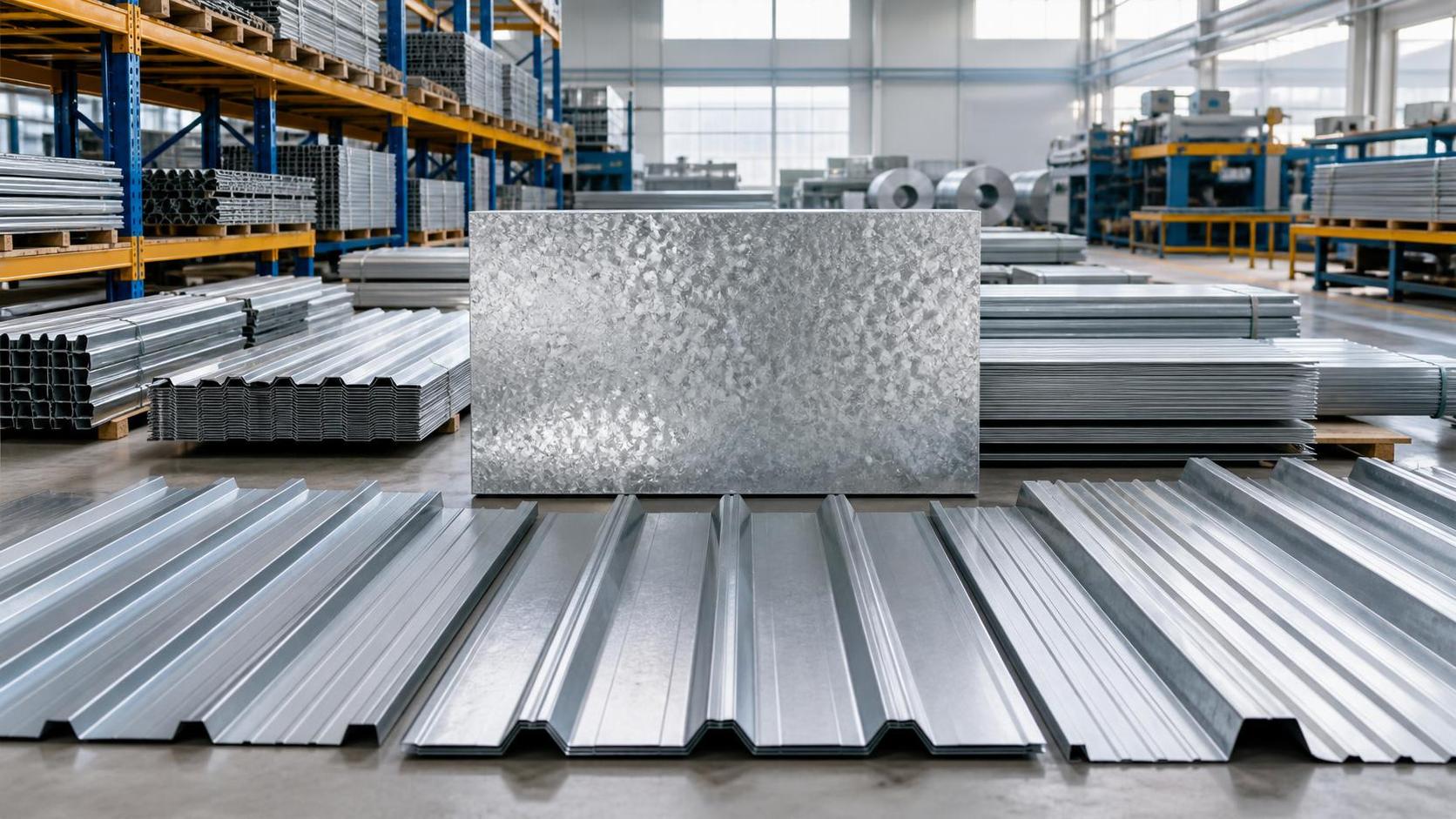
 How to Judge if Steel Sheet for Construction Fits Roofing or Wall CladdingSteel sheet for construction: learn how to judge thickness, coating, profile, and load performance for roofing or wall cladding, and choose a durable, cost-effective fit.
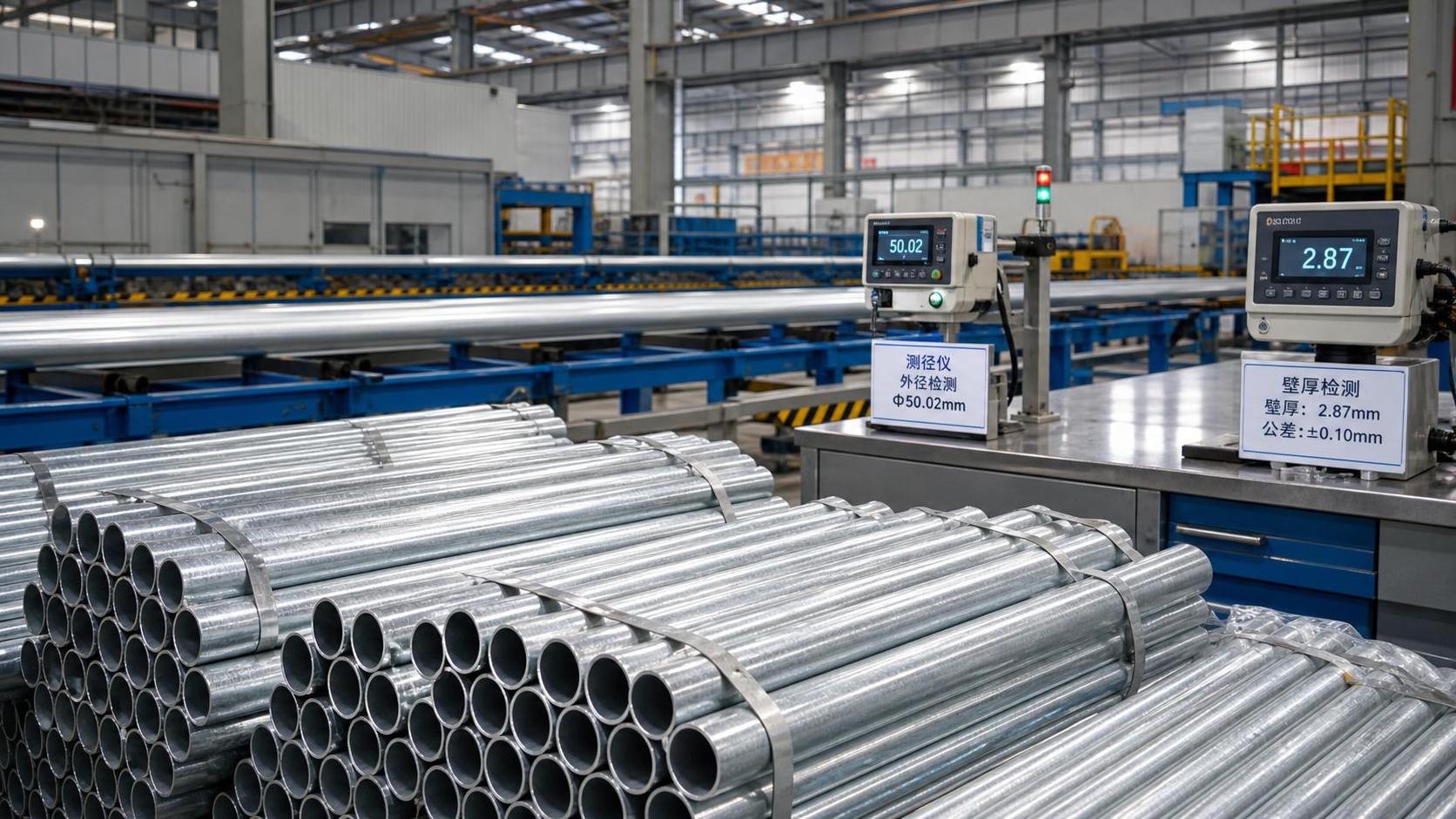
 Galvanized Pipe Manufacturer Selection: Zinc Coating, Tolerance, and ComplianceGalvanized pipe manufacturer selection guide: compare zinc coating quality, tolerance control, and compliance to reduce risk and choose a supplier that delivers reliable steel products.
 How to Choose SS Pipe for Water Supply in Corrosion-Prone BuildingsSS pipe for water supply selection guide for corrosion-prone buildings. Compare 304 vs 316 grades, water chemistry, specs, and lifecycle cost to choose a safer, longer-lasting system.
 Steel Wire Rope Manufacturer Standards That Matter in Lifting ApplicationsSteel wire rope manufacturer standards for lifting: learn how to assess traceability, testing, compliance, and real quality control before choosing a safer, more reliable supplier.
Please give us a message


Please enter what you want to find