Manufacturers comparing HRC coil and hot coil steel often seek the best balance between performance, durability, and cost efficiency. Understanding how these carbon coils, coil rolled steel, and related materials—such as galvannealed coil, GI sheet coil, and galvanized metal plate—affect production ROI is crucial for smart sourcing decisions. As a leading structural steel manufacturer and exporter, Hongteng Fengda helps global partners discover the right steel solution for maximizing value and achieving consistent manufacturing quality. This discussion explores how strategic material selection impacts project performance, end-product durability, and long-term profitability within the steel industry’s competitive global landscape.
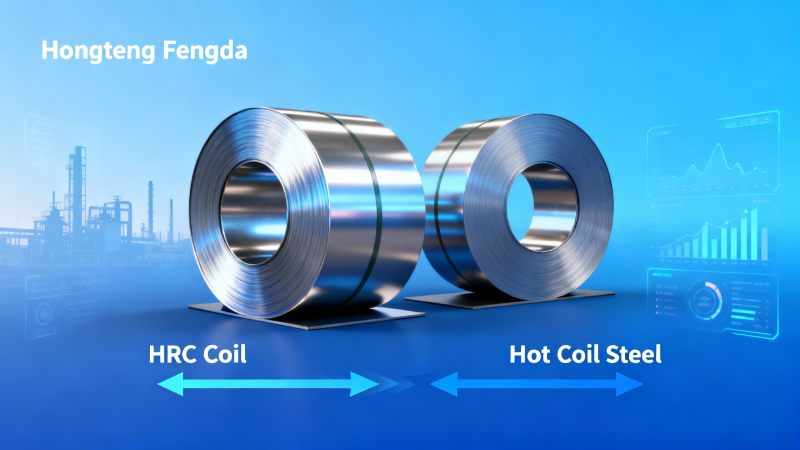
Definition and Overview of HRC Coil and Hot Coil Steel
In steel manufacturing, the terms “HRC coil” and “hot coil steel” are often used interchangeably, yet subtle technical differences define their production and performance attributes. HRC stands for Hot Rolled Coil, a form of coil rolled steel created by heating slabs above the recrystallization point and rolling them to the desired thickness. This process ensures smoother mechanical performance and flexibility in forming and fabrication. Hot coil steel, on the other hand, may refer more broadly to any steel processed under high temperature, often including various carbon coils, galvannealed coil, or even GI sheet coil depending on the finishing stage. Both product types form the backbone of structural and industrial fabrication—from construction to automotive chassis production—and play a vital role in achieving optimal return on investment (ROI) for manufacturers.
Market Overview: The Global Demand for Coil Rolled Steel
The demand for coil rolled steel has grown steadily due to urbanization, infrastructure expansion, and the shift toward high-strength, lightweight construction materials. As industry players across North America, Europe, and Asia seek better cost control and material performance, the selection between HRC coil and hot coil steel becomes increasingly significant. Market analysts estimate that more than 70% of industrial steel applications now rely on advanced hot rolling techniques, driving widespread adoption of galvannealed coil and galvanized metal plate in projects that require corrosion resistance. In China, suppliers such as Hongteng Fengda integrate advanced production lines to ensure consistency in microstructure, dimensional accuracy, and surface finish. Combined with adherence to ASTM, EN, JIS, and GB standards, such manufacturers help international buyers minimize procurement risks while maintaining high ROI levels.
Technical Performance and Structural Characteristics
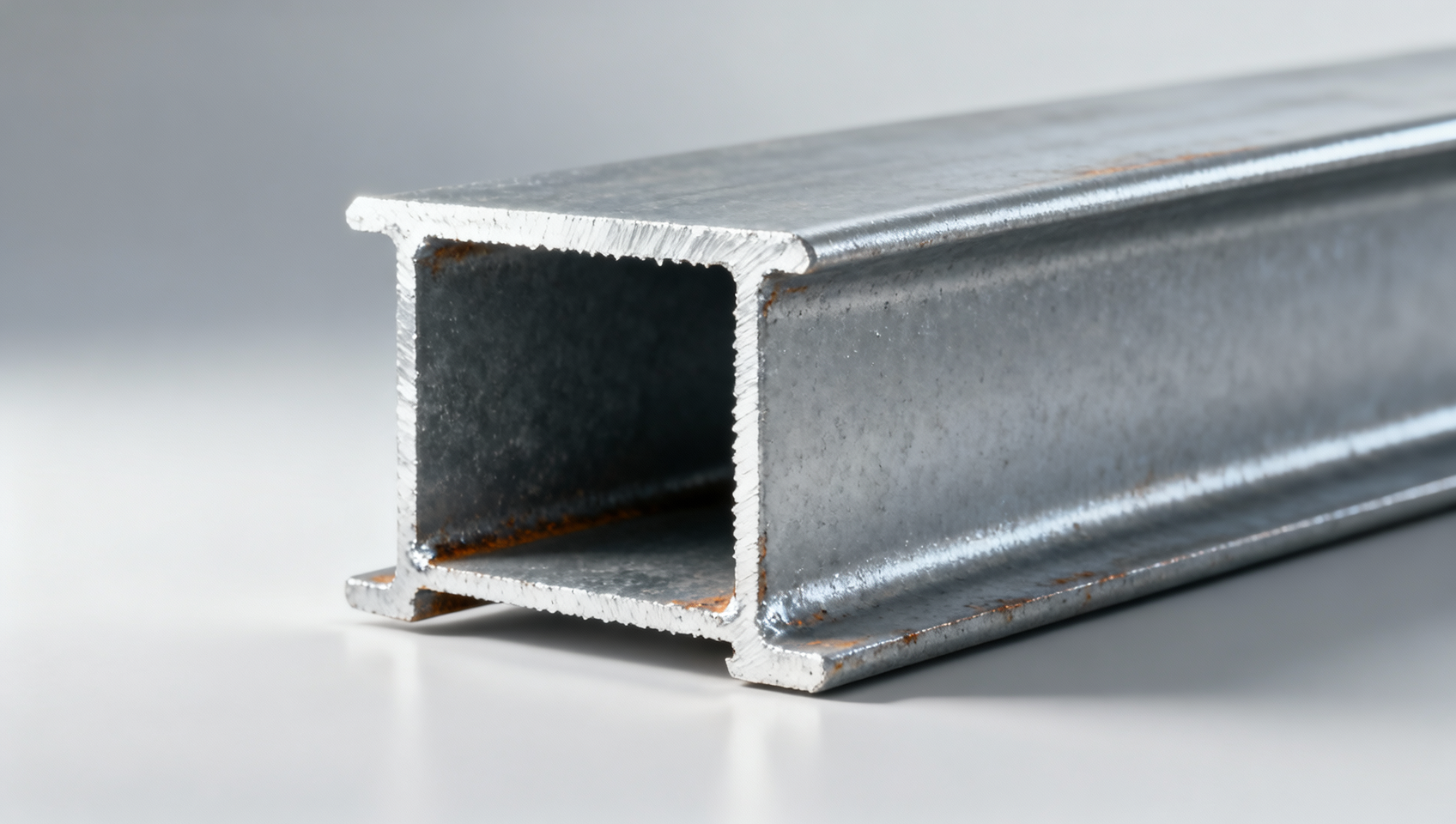
Evaluating HRC coil versus hot coil steel requires a detailed look at mechanical characteristics such as yield strength, elongation rate, and surface finish consistency. HRC coils typically offer good weldability and formability, making them ideal for cold forming and fabrication processes. Hot coil steel, however, provides enhanced malleability during extreme deformation and is preferred for heavy-duty structural fabrication. Key factors influencing technical performance include rolling temperature, cooling rate, and finishing treatment. Among the advanced structural steel components, the H-beam stands out due to its strong bending resistance, optimized cross-sectional area distribution, and simple construction features. Available in materials such as Q235B, Q345B, S355JR, or even stainless steel versions, it meets standards like JIS G3101 and ASTM A992, offering reliable load-bearing capacity for large structural frameworks and mechanical equipment bases.
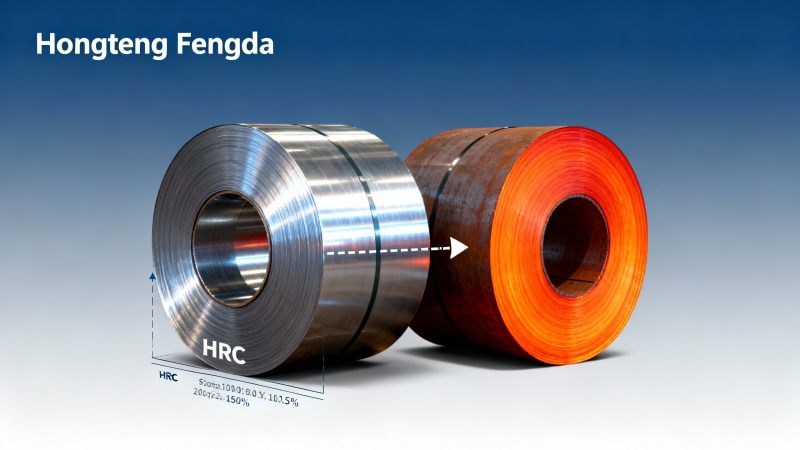
Comparison Analysis: HRC Coil vs Hot Coil Steel
When comparing HRC coil and hot coil steel, manufacturers should evaluate four primary aspects: surface quality, dimensional accuracy, energy efficiency, and total cost of ownership. HRC coil provides tighter tolerances and uniform surface characteristics, resulting in reduced post-processing and scrap rates. Hot coil steel, while slightly less uniform, excels in mechanical robustness and plasticity during downstream forming such as galvanizing, stamping, or heat treatment. In addition, carbon coils and coil rolled steel derived from HRC production often have higher consistency across batches—a key factor in mass production industries. The ROI difference becomes evident when factoring in maintenance and lifecycle costs: while HRC coil may have higher upfront pricing, its dimensional precision and quality consistency can lower total costs over time by improving production yield and reducing rework. For heavy engineering sectors such as bridging or shipbuilding, hybrid material solutions combining HRC and hot coil steel enable optimized cost-performance results.
Application Scenarios and Practical Insights
Both HRC coils and hot coil steel find broad use in industries requiring dependable mechanical properties and high formability. Construction frameworks, manufacturing equipment, ship hulls, automotive chassis, and mechanical structures benefit from the flexibility of these steel forms. The H-beam series frequently integrates both types of coil steel depending on design specifications, ensuring robust load-bearing performance. For builders or procurement professionals, choosing between coil types should consider end-to-end project parameters: corrosion exposure level, welding requirements, and structural stress thresholds. Process engineers focus on minimizing waste and improving compatibility with galvannealed coil or coated variants, while safety managers prioritize compliance with international test standards. In projects where GI sheet coil and galvanized metal plate complement core structures, combining them with HRC-based profiles creates a balance between cost-saving and durability under harsh environmental conditions.
Procurement Guide and Cost Optimization
Steel buyers and procurement specialists are increasingly focusing on long-term cost efficiency rather than immediate price savings. Evaluating suppliers based on technical transparency, production capacity, and quality assurance certification remains a vital strategy. A professional exporter such as Hongteng Fengda provides a clear advantage: by manufacturing both HRC coils and hot coil steel with modern rolling mills, they enable consistent delivery performance and offer customized solutions under international standards including EN10025 and ASTM A572. Cost optimization should account not only for material price but also for logistics, inventory reliability, and sustainability considerations. For example, integrating coated materials like galvannealed coil, GI sheet coil, or gal steel sheet can extend the service life of equipment and reduce maintenance costs. Corporate decision-makers can also utilize data from material traceability systems to benchmark ROI across production cycles, aligning procurement plans with sustainability targets.
Standards and Certification Assurance
Industry standards like ASTM A36, EN10025, and JIS G3101 form the foundation for quality assurance when sourcing HRC coil and hot coil steel. Certified mills implement testing procedures for tensile strength, elongation, flatness, and microstructure. Such certifications ensure that materials comply with international safety and performance requirements. Manufacturers like Hongteng Fengda also adopt internal quality management systems aligning with ISO principles, tracking production from billet to final coil delivery. This compliance not only facilitates trade across multiple markets but also protects buyers from product irregularities. End-users in sectors such as automotive and structural engineering benefit from this transparency, gaining confidence that galvannealed coil, galvanized metal mesh sheets, and gal sheet materials will meet specific mechanical and corrosion-resistance expectations. Standardized inspection procedures further guarantee that coil rolled steel maintains consistent metallurgical properties throughout its service life.
Future Trends and Innovation in Coil Rolling
The future of coil rolled steel lies in integration with digital production, AI-based quality detection, and advanced surface treatment technologies. As sustainability becomes a key differentiator, manufacturers are developing eco-conscious processes such as low-emission reheating and recyclable coating techniques for galvannealed coil and galvanized metal plate. Market innovations also include nanostructured coatings enhancing corrosion resistance and energy-efficient rolling methods that lower overall carbon footprint. Demand for hybrid steel grades—combining the toughness of HRC coil with the flexibility of hot coil steel—continues to rise among global OEMs. Furthermore, international standards are evolving toward life-cycle-based evaluation models emphasizing recyclability and environmental impact. For buyers, these trends suggest that choosing reliable suppliers with innovation capabilities like Hongteng Fengda will enhance long-term competitiveness and procurement resilience.
FAQ and Common Misconceptions
Many purchasers assume that HRC coil and hot coil steel are identical products. In reality, variations exist in tolerance control, edge quality, and downstream performance. Another misconception involves the use of galvanized metal mesh sheets or GI sheet coil merely for aesthetic coating; in truth, these materials contribute significantly to corrosion protection and life cycle stability. When deciding which type of carbon coil to purchase, buyers should examine production source reliability, grade certification, and mechanical test results rather than relying solely on catalog specifications. Furthermore, some believe that using standard coil rolled steel automatically reduces costs. However, without appropriate surface treatment or standard compliance, hidden costs can arise from reprocessing or maintenance requirements. Industry professionals can mitigate these risks through supplier audits, sample testing, and continuous performance monitoring throughout the project lifecycle.
Why Choose Hongteng Fengda
As a structural steel manufacturer and exporter from China, Hongteng Fengda has earned a global reputation for quality, reliability, and customer-centric solutions. The company operates state-of-the-art manufacturing lines with advanced rolling and forming capabilities, ensuring that every carbon coil, hot coil steel, and galvannealed coil batch meets international standards. By offering customized coil rolled steel options and structural components such as H-beams, channel steels, and cold-formed profiles, Hongteng Fengda empowers customers to optimize ROI across diverse applications—from infrastructure construction to machinery manufacturing. Comprehensive testing, flexible logistics, and technical support help partners achieve consistent project timelines and long-term operational stability. For procurement leaders seeking value-driven cooperation, engaging with Hongteng Fengda means securing a dependable steel partner dedicated to performance, cost efficiency, and innovative solutions.
- channel steel
- steel i
- galvanized metal plate
- gal steel sheet
- gal sheet
- galvanized metal mesh sheets
- gi sheet coil
- galvannealed coil
- coil rolled steel
- hot coil steel
- hrc coil
- carbon coils
- rolled coil
- ASTM A572
- Industrial Steel
- Hot Rolled Coil
- HRC
- ASTM A36
- structural steel
- Structural Steel
- Construction Materials
- Profile
- H-beam
- S355JR
- Galvanized
- steel sheet
Related recommendations
 How long does acero prepintado retain gloss and color stability in direct desert sunlight?Acero prepintado gloss & color stability in desert sun? Discover real-world performance data, PVDF vs. polyester longevity, and spec-critical insights for GCC projects.
 Does acero pregalvanizado maintain coating integrity after cold bending to 90 degrees?Acero pregalvanizado maintains coating integrity after 90° cold bending — when engineered right. Discover how Hongteng Fengda guarantees real-world performance, adhesion & corrosion resistance.
 Do the advantages of galvanized steel include reduced fire risk compared to untreated carbon steel?Advantages of galvanized steel include measurable fire-risk reduction vs. untreated carbon steel—learn how zinc delays ignition, buys critical escape time, and enhances safety without false 'fireproof' claims.
 What is the minimum bend radius for 12mm steel wire rope without permanent deformation?12mm steel wire rope capacity depends on bend radius — discover the safe 72–96mm minimum to prevent permanent deformation, fatigue & failure. Expert rigging insights inside.
Please give us a message


Please enter what you want to find