Sheet metal angle bending projects often stall because of simple on-site mistakes that lead to costly rework. This guide highlights five common errors—wrong bend allowance, improper clamping, inaccurate setup, material springback, and incorrect tooling—and shows practical fixes for steel angle bending and forming right angle steel plate, sheet steel angle, and cold formed angle work. Whether you are an operator fine-tuning a press brake, a project manager scheduling fabrication milestones, a quality or safety lead reviewing tolerances, or a distributor planning inventory, these insights are written to reduce scrap, improve first-pass yield, and shorten lead times on site. In practice, achieving a precise 90 angle steel or perfect sheet metal angle is rarely the result of a single action; it is the outcome of predictable calculations, repeatable setups, measured equipment maintenance, and an informed procurement strategy. Many issues that look like operator error are actually system problems: missing bend allowance tables, inconsistent material thicknesses, tooling mismatch, or lack of springback compensation. This opening section sets the scene: the stakes are measurable—rework consumes labor, delays projects, and increases material waste—and the solutions are actionable and industry-tested. For teams working with structural angle iron, angle bars, 90 angle metal, or stainless components, the techniques below map to standard fabrication workflows and to compliance checks such as ASTM and ISO dimensional tolerances. With examples drawn from heavy structural angle work to delicate sheet metal angle components, we will walk through definition, market context, typical applications, technical parameters, procurement advice, and real-world corrective actions that help you deliver consistent right-angle results at scale. Expect clear checklists and a compact tooling comparison so you can make decisions on the shop floor or at the purchasing desk.
Definition & Market Overview
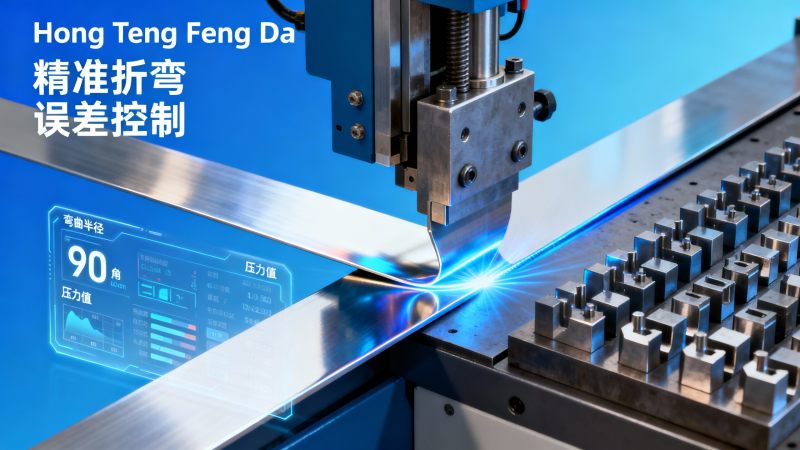
Definition: In metalworking, an angle bend refers to forming a sheet or plate into an L-shaped cross-section commonly called an angle or angle iron. The terms sheet steel angle, steel metal angle, and angle bars are used interchangeably in many contexts, though specifications differ by thickness, leg length, and manufacturing method—hot-rolled, cold-formed angle, or welded sections. Right angle steel plate and 90 angle steel describe parts formed to create a ninety-degree profile, and meeting that tolerance consistently often defines a successful fabrication workflow. Market Overview: Demand for angle products spans construction, infrastructure, manufacturing, and aftermarket repairs. Structural angle iron remains a backbone product in building frames, bracing, and supports; sheet metal angle is ubiquitous in enclosures, brackets, and civil works. Global supply chains have rebounded, and companies that combine upstream steelmaking, rolling, and downstream processing enjoy advantages in lead time and cost control. For instance, Shandong Hongteng Fengda Metal Materials Co.. Ltd. integrates coking, sintering, steelmaking, and rolling with modern processing lines and Kaiping equipment to offer a wide range of specifications and fast logistics to markets in North America, Europe, the Middle East, Southeast Asia, Africa, Australia, and beyond. That vertical integration translates into predictable material properties and readily available inventories—critical when specifying bend allowance values or selecting tooling for cold formed angle sections. Buyers and specifiers increasingly demand traceable material certificates (chemical and mechanical), repeatable thickness tolerances, and documented supply-chain reliability; suppliers who deliver these reduce on-site surprises and speed project approvals. Understanding the market expectation and suppliers’ production capabilities is the first step toward minimizing rework caused by improper material selection or inconsistent batch properties.
Application Scenarios & Technical Performance
Application Scenarios: Angle bending appears across a wide range of applications. In construction, 90 angle steel is used for column connections, bracing, and stair supports where tight right-angle tolerances ensure fit-up and welding productivity. In machinery and equipment, sheet metal angle brackets locate and support components, while cold formed angle parts can be used in lightweight frames for enclosures and cabinets. In shipbuilding and heavy industry, structural angle iron and angle bars must meet higher yield and toughness specifications. Each application imposes different expectations: a decorative bracket may accept looser dimensional tolerances than a load-bearing structural angle. Technical Performance: Successful bending requires attention to material properties (tensile strength, yield strength, and elongation), thickness uniformity, and surface condition. Springback is a fundamental phenomenon: as the load is removed after bending, elastic recovery reduces the bend angle. The magnitude depends on material type (stainless steels spring back more than mild steel), work hardening behavior, and bend radius. For steel angle bending, calculating the correct bend allowance and inside radius is essential—use validated formulas, but always validate against real samples because coil-to-coil variability occurs. Typical parameters to control include punch-die radius ratio, bend sequence for multi-bend parts, clamping force, and ram speed. Standards such as ASTM A36 for carbon steel and ASTM A240 for stainless grade selection, along with ISO dimensional practices, are useful references when documenting acceptance criteria. A practical shop-level checklist includes: verifying material certificates, measuring actual thickness, confirming tooling radii, setting clamp pressure, and programming springback compensation into CNC press brakes or using trial bends with a sample coupon. These checks avoid the most common rework triggers and allow teams to consistently produce precise sheet metal angle and 90 angle metal parts with predictable tolerances and surface finish.
Five Common On-Site Errors and Practical Fixes
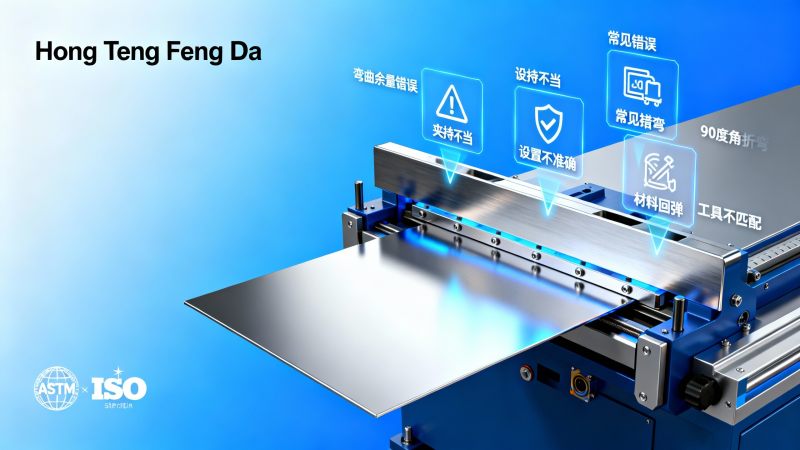
The five recurring issues that create rework are familiar to experienced fabricators: wrong bend allowance, improper clamping, inaccurate setup, material springback, and incorrect tooling. Below we present each problem with diagnostic cues and step-by-step remedies. 1) Wrong Bend Allowance: Symptom — final leg lengths or interior dimensions are off after bending. Cause — using generic bend allowance values or neglecting actual material thickness. Fix: measure the sheet thickness on each production lot, apply the correct K-factor for material and thickness, and use a small coupon to confirm. For stainless and high-strength steels, increase allowance to account for reduced ductility. 2) Improper Clamping: Symptom — part slippage, chatter marks, or inconsistent bend angles. Cause — insufficient or uneven clamp pressure, worn clamping surfaces, or contaminated dies. Fix: clean clamping surfaces, inspect die face wear, use backing plates or shims as needed, and verify hydraulic clamping pressure. Document clamping torque or hydraulic pressure per part family. 3) Inaccurate Setup: Symptom — repeated trial-and-error adjustments and variable outputs. Cause — setup not documented, operators guessing stop block positions or crowning settings. Fix: develop and store setup recipes in the press brake controller: punch/die offsets, V-opening, ram speed, crowning values, and stop positions. Use laser backgauges and digital readouts where possible. 4) Material Springback: Symptom — bend opens past the intended angle after unloading. Cause — material elastic recovery not compensated. Fix: pre-calculate springback compensation and implement over-bend strategies or use clamping dwell to reduce rebound. Different materials require different compensation curves; maintain a springback table by grade and thickness. 5) Incorrect Tooling: Symptom — inconsistent radii, surface marks, or cracked edges. Cause — using wrong radius punches or mismatched die width. Fix: select tooling matching the part’s required inside radius and leg strength. Maintain a tooling matrix that correlates V-die gap to material thickness and required bend radius. To illustrate tool choices and expected outcomes, consult the table below for a concise comparison. The table is a practical quick-reference for shop supervisors deciding between standard and optimized tooling for angle bending operations.
Procurement, Case Studies, FAQ & Why Choose Us
Procurement & Selection Guide: Buying the right material and tooling reduces on-site uncertainty. Prioritize suppliers who provide batch traceability, chemical and mechanical certificates, and consistent thickness control. For structural projects, specify material to ASTM or EN standards; for precision sheet metal angle parts, request test coupons for bend trials prior to full production. Consider stocking common angle bars, cold formed angle sections, and a small inventory of specialized tooling to reduce lead time. For light-gauge work, cold formed angle often offers cost advantages and consistent cross-sections; for heavy load-bearing members, hot-rolled structural angle iron is preferred. Integrating manufactured products such as Stainless Steel Welded Mesh into assemblies may be required for certain enclosure or reinforcement applications and can be specified alongside angle components where corrosion resistance and weldability matter. Case Studies and Practical Example: A mid-sized fabrication shop retrofitted a CNC press brake with a documented setup library and updated its supplier specifications to include thickness tolerance of ±0.02 mm. The result: first-pass yield improved by over 25% for bracket families that required precise right angle steel plate fit-up, and rework hours were cut by nearly half. Another contractor standardized on tooling pairs and added one pre-bend verification step for stainless sheet metal angle assemblies. That saved time on site during installation and avoided costly field corrections. FAQ & Common Misconceptions: Q: Can I use a single bend allowance for all steels? A: No. Bend allowance must reflect material grade, thickness, and bend radius. Q: Is crowning optional? A: For long press brakes and heavy gauge plates, crowning compensates deflection and is essential for uniform angle across the work length. Q: How much springback should I expect? A: It varies; stainless and high-strength alloys spring back more than mild steels, so always validate with a coupon. Why Choose Us: Shandong Hongteng Fengda Metal Materials Co.. Ltd. stands out because of integrated production—from coking, sintering, steelmaking to rolling—and advanced Kaiping processing equipment that guarantees consistent properties and rapid response. Our global sales network and multi-modal logistics support deliveries across North America, Europe, the Middle East, Southeast Asia, Africa, and Australia. We focus on high-quality, low-cost steel products and complete specifications, backed by a service ethos of keeping promises and emphasizing quality. Contact & Call to Action: If you manage fabrication, procurement, or quality, and you need reliable supply or technical collaboration on angle bending projects—whether for sheet metal angle, 90 angle metal, or structural angle iron—reach out to discuss material samples, tooling recommendations, or on-site process audits. Our team can provide certificates, sample coupons, and tailored bending tables so your next project achieves right-angle accuracy with minimal rework.
- steel i
- l angle
- l metal angle
- angle steel
- metal angle
- l angle iron
- structural angle iron
- cold formed angle
- steel metal angle
- sheet metal angle
- 90 angle metal
- angle bars
- 90 angle steel
- sheet steel angle
- right angle steel plate
- steel angle bending
- angle steel plate
- ASTM A36
- angle iron
- stainless sheet metal
- steel plate
Related recommendations
 What is an H-Beam and How Does it Differ from an I-Beam?Discover what an H-beam is and how it differs from an I-beam. Learn key structural differences and expert selection tips from Hongteng Fengda to optimize your steel construction projects today.
 How to Select the Correct Steel Sheet Grade for Auto PartsSelect the ideal steel sheet for auto parts by balancing performance and cost. Discover expert sourcing strategies to avoid manufacturing traps and optimize procurement. Read our guide now!
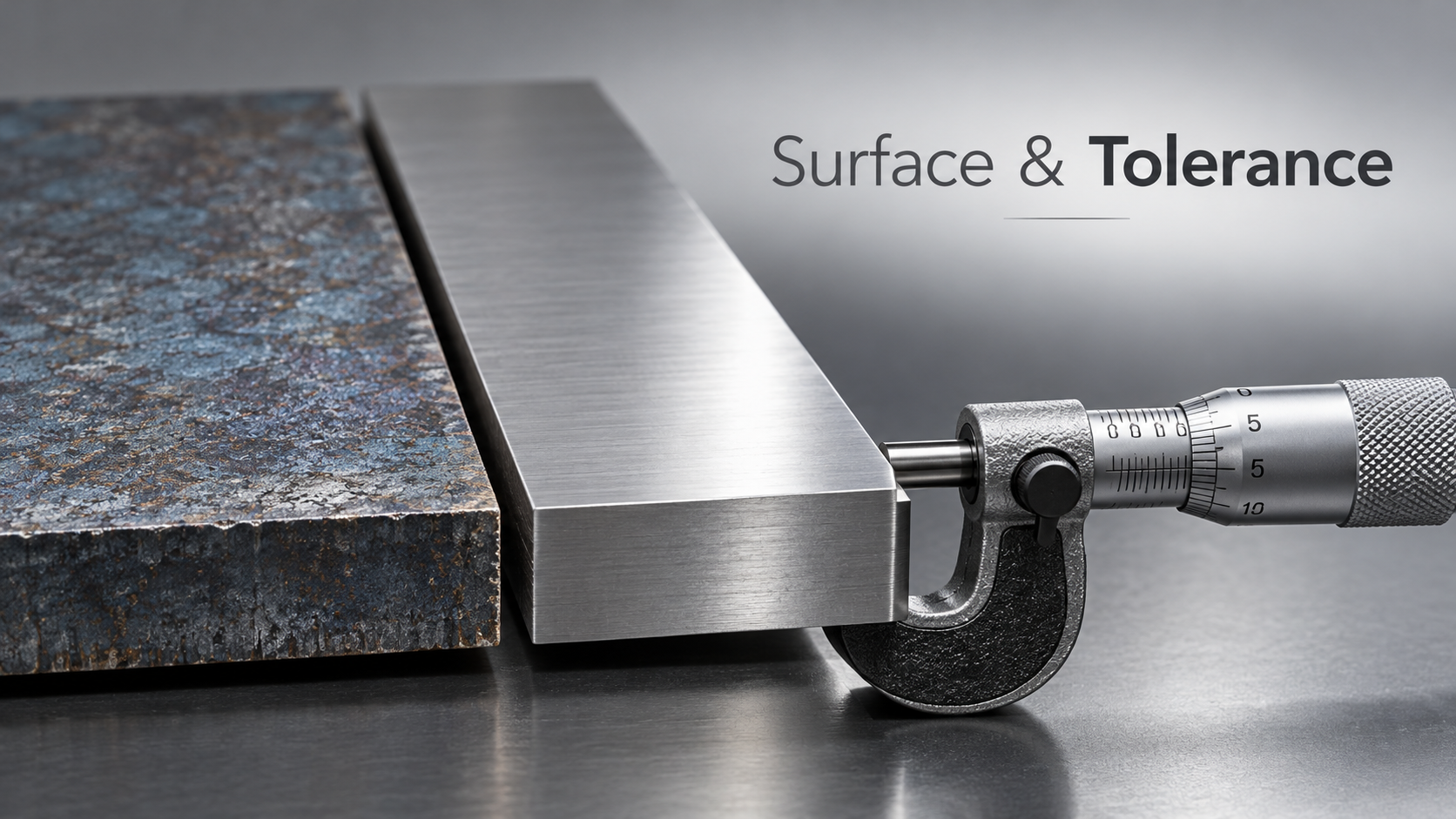
 Hot Rolled vs. Cold Rolled Steel Sheet: Surface and ToleranceHot rolled vs cold rolled steel sheet: Discover how surface finish and tolerances impact manufacturing. Optimize material selection, reduce costs, and ensure quality. Read our expert guide today!
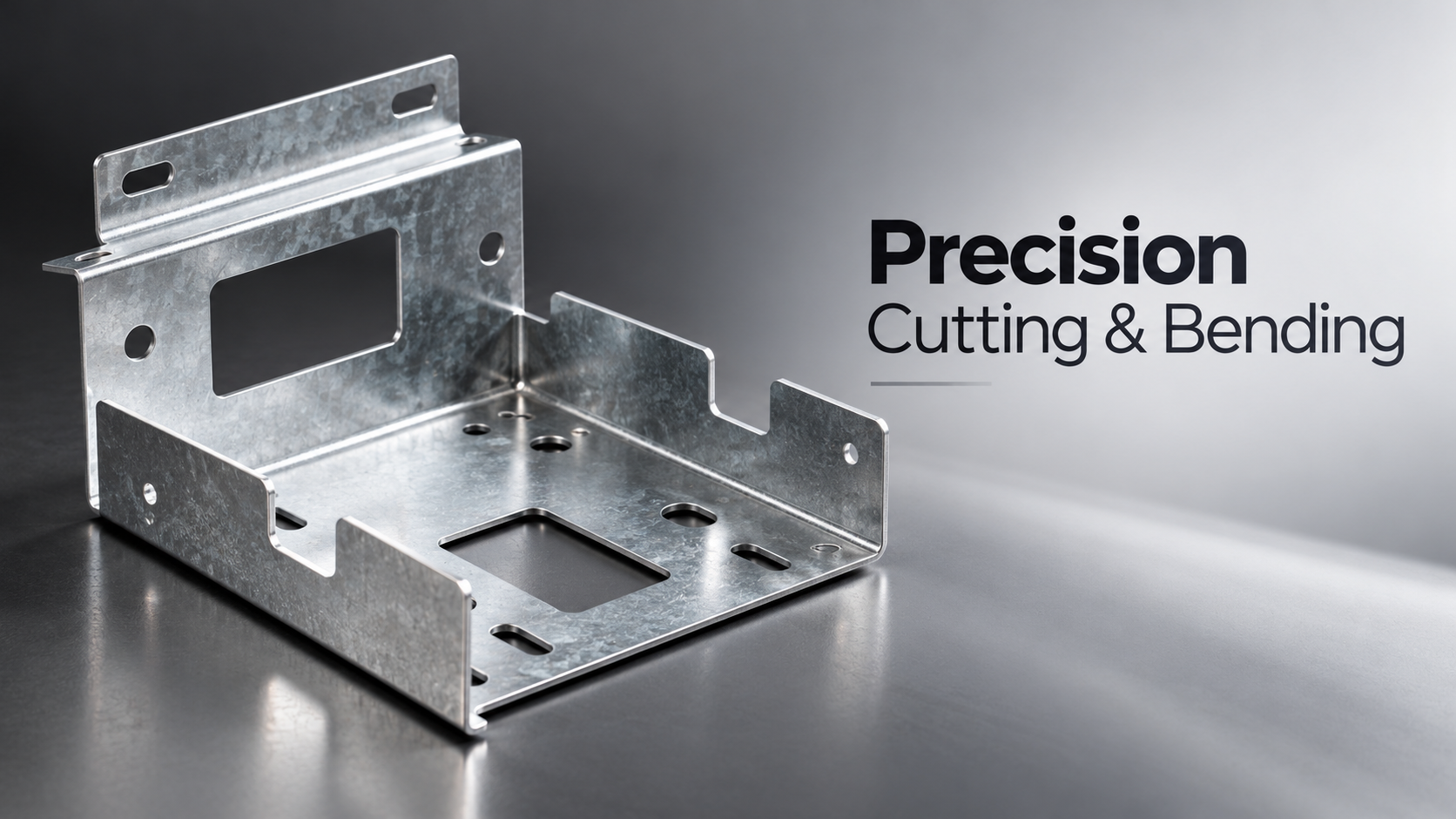
 Best Cutting and Bending Practices for Galvanized Sheet MetalDiscover the best cutting and bending practices for galvanized sheet to prevent zinc flaking. Optimize tooling and thermal parameters to ensure perfect corrosion resistance. Read the full guide!
Please give us a message


Please enter what you want to find