Engineers and procurement teams evaluating 90 angle steel versus structural angle iron will find this 2025 guide indispensable. We compare cost, strength and welding differences across common forms—sheet steel angle, cold formed angle, angle bars and right angle steel plate—while addressing practical concerns like steel angle bending and weldability for sheet metal angle and steel metal angle applications. Whether you’re specifying materials for fabrication, structural projects or maintenance, this concise overview highlights performance trade-offs and selection tips to reduce cost and risk. In addition to comparative data, this guide provides actionable procurement guidance, typical failure modes to watch for, and a short checklist for on-site welding and quality control that helps project managers and safety officers minimize rework. For information researchers, users and operators, this first section clarifies terminology often mixed up in drawings: 90 angle steel is frequently used as a generic term for L-shaped profiles produced by cold forming or hot rolling; structural angle iron usually implies hot-rolled, standardized sections intended for load-bearing frames. This distinction matters because cold formed angle and sheet steel angle can save weight and cost, but they behave differently under bending, buckling and welding than thicker, hot-rolled structural angle iron. We also outline when to favor angle bars and right angle steel plate over thin sheet metal angle parts in fabrication, and how common processes such as steel angle bending influence residual stresses and subsequent weld performance. Safety managers and quality control personnel should note that weld preheat, interpass temperature and joint geometry are different for 90 angle metal made from thin sheet versus structural angle iron. Finally, project stakeholders will find short decision rules: choose structural angle iron for primary structural members and dynamic loads; use cold formed angle and sheet metal angle for secondary supports, brackets and cladding where cost and delivery speed are priorities. These rules reduce ambiguity in specifications and help purchasing teams align price expectations with performance requirements.
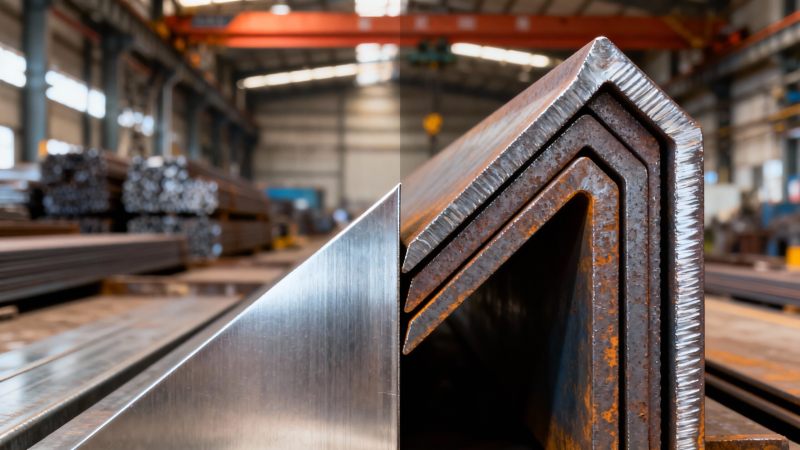
Definition & Scope: What We Mean by Angle Types
When we talk about terms such as 90 angle steel, sheet steel angle, cold formed angle and structural angle iron, clarity prevents specification drift on the shop floor. In this section we define common categories and typical production methods so that engineers, maintenance teams and distributors all share the same baseline. Structural angle iron generally refers to hot-rolled L-sections produced to national standards (for example ASTM A36/A992 or EN 10056), with a uniform cross-section, consistent mechanical properties and thicker legs suitable for load-bearing connections. In contrast, sheet metal angle or cold formed angle is typically produced from coils or sheet steel by bending or roll-forming; these are advantageous when tight dimensional control, lightweight assemblies and fast fabrication are required. Angle bars and right angle steel plate often describe broader product families: angle bars can be hot-rolled or cold-formed and are used as stock pieces for fabrication, whereas right angle steel plate often implies a plate that is bent or welded into a 90-degree bracket or gusset. The phrase 90 angle metal is a vernacular umbrella used by end-users and distributors, so specifications should always include material grade, leg dimensions, thickness and tolerance to avoid ambiguity. For welding and steel angle bending, the distinction is important: cold formed angle exhibits work-hardened edges and directional strength variations; structural angle iron typically welds predictably and sustains greater through-thickness stresses. For procurement teams and distributors, an accurate bill of materials referencing exact standards and a sample is essential to avoid mismatches and nonconformance at delivery. This definitional clarity reduces disputes, accelerates RFQ cycles and assists in cost forecasting—critical for project managers and enterprise decision-makers who must balance budget, schedule and safety requirements.
Market Overview & Company Capabilities
Understanding market dynamics for angle products—both 90 angle steel and structural angle iron—helps purchasing teams time their buy and identify value sources. Global demand for structural sections is driven by construction, infrastructure and heavy fabrication, while cold formed angle and sheet metal angle find strong demand in manufacturing, racks, furniture and light engineering. In the current landscape (2025), supply chain considerations such as coil availability, galvanizing capacity and logistics are decisive. Shandong Hongteng Fengda Metal Materials Co.. Ltd. is a leading domestic enterprise specializing in the production and export of various steel plates and coils, profiles, and grids. It has a complete set of production technology and related equipment such as coking, sintering, steelmaking and steel rolling, as well as related energy and power systems. At the same time, it has realized the completeness and systematization of modern iron and steel industry production technology. Through the global sales network, the products sell well at home and abroad. Our products are widely sold all over the country and exported to North America, Europe, Middle East, South America, Southeast Asia, Africa, Australia and other places; our quality and service are highly appreciated. The company is committed to providing customers with high-quality and low-cost steel products as the goal, and strives to create value for customers. With advanced Kaiping processing equipment and a strong logistics distribution system, it can meet customer needs at any time. With the operating advantages of complete specifications, low prices, and fast delivery, and the service concept of keeping promises and emphasizing quality, the company has won the trust and praise of the majority of users. For buyers focused on corrosion resistance or pretreated surface, consider coil-supplied options: for example some projects specify DX52D Galvanized coil for subsequent cold forming into sheet metal angle parts; this affects lead times and initial cost. Distributors and agents benefit from predictable ranges and the company’s export logistics; for end users and maintenance teams, the result is lower downtime and dependable replacement parts availability.
Comparison Analysis and Technical Performance
Engineers often ask: how do 90 angle steel and structural angle iron differ in measurable ways? The short answer is: geometry, manufacturing method, and mechanical behavior under load. Below is a concise comparative table to highlight typical trade-offs, followed by interpretive notes that are pertinent to designers, welders and QA personnel.
Interpretation for technical teams: cold formed angle and sheet metal angle can achieve tight tolerances and low cost in high-volume parts, but their reduced section modulus means larger cross-sections may be necessary to match bending stiffness of structural angle iron. When welding thin steel metal angle, control of heat input, use of backing, and selection of low-heat processes (e.g. TIG for thin sheet, MIG with pulsed parameters) minimize distortion and prevent burn-through. Structural angle iron accepts higher deposition rates and thicker welds, making it suitable where joint strength and field welding are primary concerns. Material standards such as ASTM A36, ASTM A572, EN 10025 or Chinese GB/T equivalents specify mechanical properties and chemical composition; referencing the appropriate standard in purchase orders ensures consistency across suppliers. For QA and safety officers the key metrics to monitor during inspection are leg squareness, straightness, weld penetration, HAZ hardness (for quenched steel) and coating adhesion if galvanized or painted. Finally, for steel angle bending operations, using proper die radii and incremental forming reduces cracking in galvanized layers and preserves corrosion resistance for finished sheet metal angle components.
Procurement Guide, Cost Factors & Alternatives
Selecting between 90 angle steel and structural angle iron often boils down to three procurement variables: unit cost, lifecycle performance and lead time. Cost drivers include raw coil or billet prices, forming or rolling complexity, surface treatment (e.g. galvanizing or painting), and logistics. Cold formed angle is typically sourced from coil stock; that lowers initial raw-material cost and enables efficient nested cutting, but beware of hidden costs—additional bracing, thicker sections, or special weld procedures can erode upfront savings. Structural angle iron demands more steel mass and often higher per-piece cost, but it may reduce installation time and rework because of predictable fit-up and fewer weld constraints. For projects with corrosion exposure, pre-galvanized coils or galvanized finished angles are common; specifying DX52D Galvanized coil as pretreated coil stock affects both price and formability, and informs whether post-forming touch-up is required. Alternatives and hybrid approaches are also viable: use structural angle iron for main load-carrying members and cold formed angle for secondary bracing to balance cost and performance. Bulk buyers should leverage volume pricing and ask suppliers for mill test certificates (MTC), chemical/mechanical test reports and sample pieces to validate formability and weldability. For international projects, consider tariff and shipping windows; the exporter’s logistics competence can materially affect total landed cost. Quality control teams should insist on batch traceability, dimensional checks, and coating adhesion tests where relevant. Finally, create a decision matrix for procurement that weighs unit cost, life expectancy, required welding procedure specification (WPS) and delivery risk to compare total cost of ownership rather than lowest unit price. This approach reduces surprising maintenance expenses for operators and aligns choices to project management schedules and safety targets.
Case Studies, FAQs and Why Choose Us
Real-world cases illustrate typical trade-offs. In a recent racking project, a fabricator substituted cold formed sheet metal angle for hot-rolled structural angle in non-load-bearing shelf supports, saving 18% on material and reducing delivery time; however, they later discovered tighter hole patterns were needed to prevent lateral movement, incurring minor rework. In another infrastructure application, a contractor specified structural angle iron for a pedestrian bridge’s diagonal braces; the predictable weld behavior and greater section modulus simplified fabrication and reduced field corrections, leading to faster on-site assembly. These cases show that matching product form to application is key. Below are common questions from different stakeholders with concise answers for quick reference.
- Q: Can I substitute cold formed angle for structural angle iron to save cost?
A: Only in non-primary structural roles. Validate bending, buckling and connection design before substituting. - Q: What welding precautions are needed for thin sheet metal angle?
A: Use low heat input processes, appropriate filler, and tack welding with controlled sequence to avoid distortion and burn-through. - Q: Which standards should I reference?
A: Commonly ASTM A36/A572, EN 10056 and GB/T standards for Chinese supply; specify grade, tolerance class and surface treatment in PO.
Why choose us: Shandong Hongteng Fengda Metal Materials Co.. Ltd. combines comprehensive steelmaking and rolling capabilities with advanced processing and responsive logistics. For customers—whether distributors, project managers or maintenance teams—the company provides complete specifications, competitive pricing, and on-time delivery across multiple export markets including North America, Europe, the Middle East and Southeast Asia. If your project requires consistent mechanical properties, quick turnarounds for brackets or high-volume cold formed angle parts, our ability to supply coil, plate and profile ranges at scale reduces procurement complexity. Contact us to request certificates, sample cuttings for fit trials, or a tailored quotation based on project volumes and required standards. Our team can help you choose the correct leg dimensions, thickness and surface finish to balance cost, manufacturability (e.g. steel angle bending) and in-service performance. Reach out and let us support your next specification with practical, engineering-driven advice and reliable supply.
Related recommendations
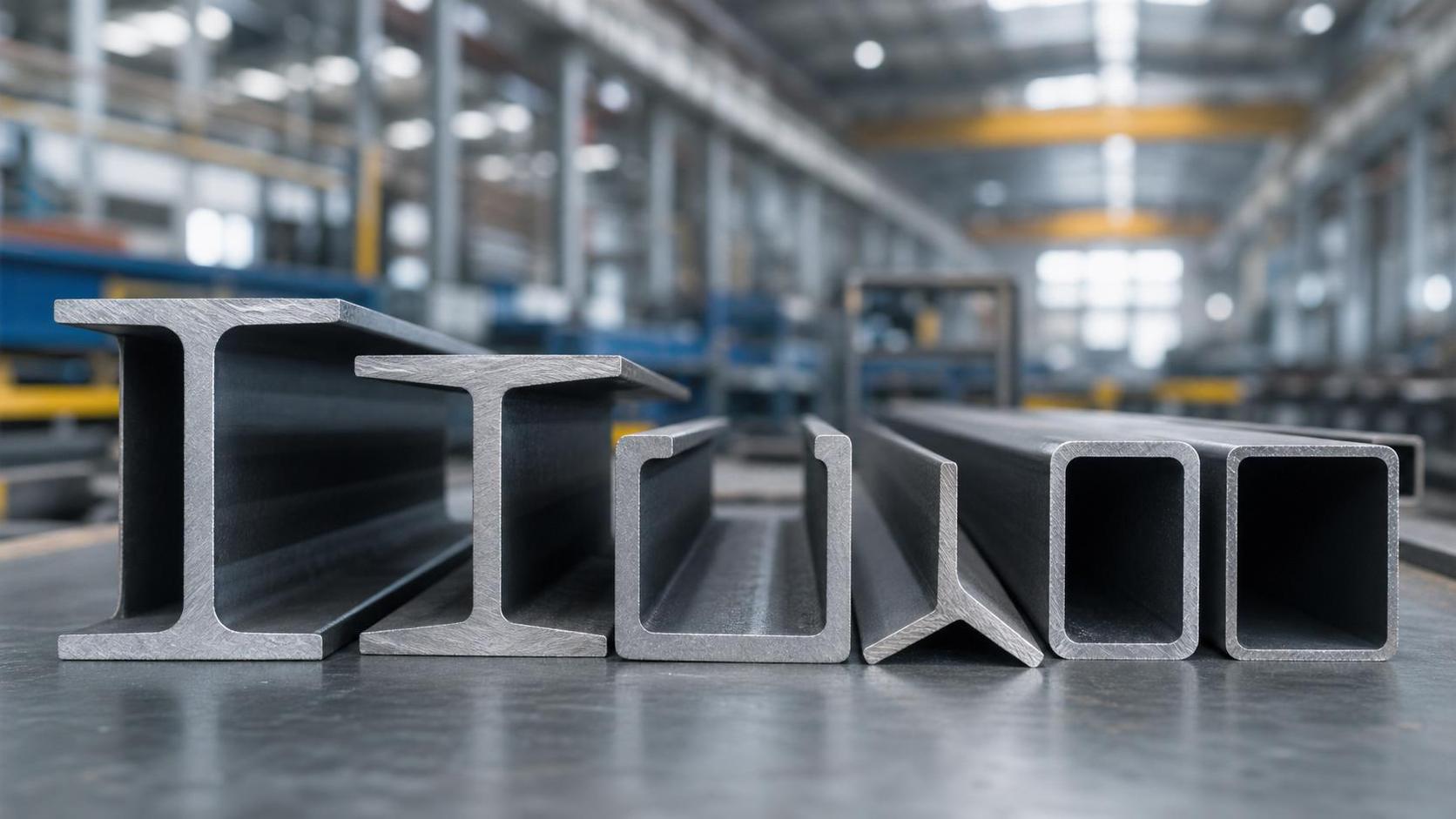
 How to Select a Steel Profile Based on Load, Span, and Fabrication NeedsProfile selection starts with load, span, and fabrication needs. Learn how to compare steel sections for strength, cost, workability, and sourcing efficiency.
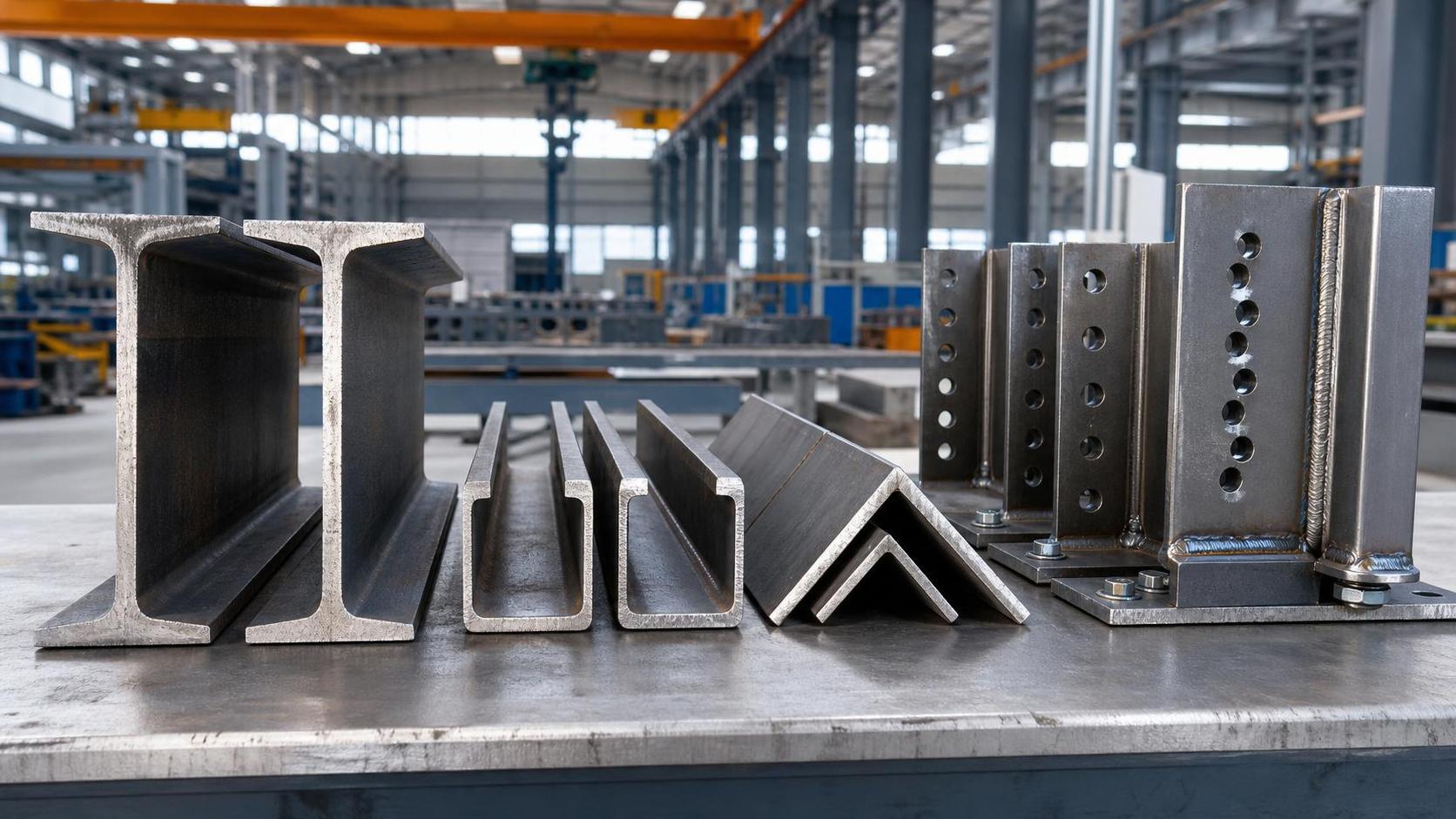
 What Is a Steel Profile? Common Shapes, Uses, and Selection BasicsProfile selection starts with shape, but performance depends on load, fabrication, and standards. Learn common steel profile types, uses, and smart selection basics.
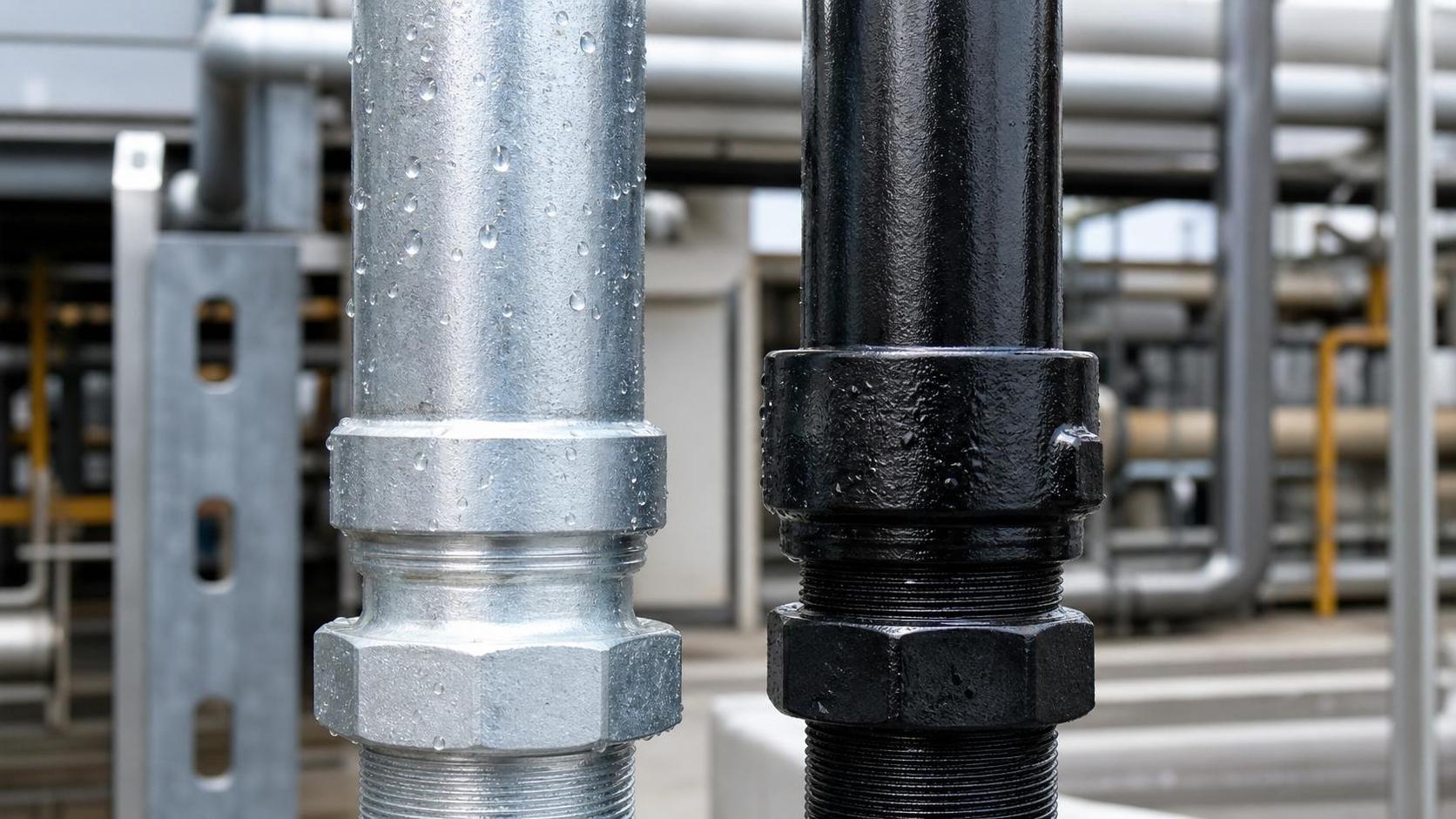
 Galvanized Pipe vs Black Pipe: Which One Fits Water, Gas, or Outdoor Lines?Galvanized pipe or black pipe? Compare the best choice for water, gas, and outdoor lines, with key insights on corrosion, codes, cost, and long-term performance.
 How to Choose Steel Roofing for Warehouses, Farms, and Residential BuildingsSteel Roofing selection depends on building type. Learn how warehouses, farms, and homes differ in corrosion, insulation, drainage, and cost for smarter roofing decisions.
Please give us a message


Please enter what you want to find