In large-scale construction and fabrication projects, choosing the right angle bars can make—or break—schedule, budget, and safety. This guide answers the top 7 supplier questions buyers ask about lead times, QA, and pricing for steel angle bending and 90 angle steel, covering options from cold formed angle and structural angle iron to right angle steel plate, sheet steel angle and sheet metal angle. Whether you’re a project manager, quality engineer, distributor, or end user, our practical checklist helps you compare suppliers, anticipate delivery risks, and secure cost-effective, compliant angle bars for your next project. Beyond the checklist, this article clarifies what to ask about production capacity, inspection protocols, batch traceability, pricing structure, and logistics for long-lead items. You will learn which technical specs—such as leg length, thickness, tolerances, and finish—drive price and delivery, and how common manufacturing methods like cold formed angle and hot-rolled structural angle iron alter mechanical performance and weldability. The goal is pragmatic: equip information researchers, operators, safety managers, procurement leads, and distributors with a repeatable evaluation approach so they can reduce rework, speed up erection schedules, and manage on-site safety. We also highlight risk signals to watch for in supplier proposals—ambiguous lead times, missing test certificates, or unclear packaging and handling promises—and offer negotiation tips to secure scalable supply for hundreds or thousands of tons. Throughout, the content balances technical clarity and procurement strategy, using accessible language so both technical and commercial stakeholders can align. Expect actionable questions to bring to supplier meetings, an overview of certification and testing you should insist on, and a sample table of technical parameters to standardize purchase orders across projects.
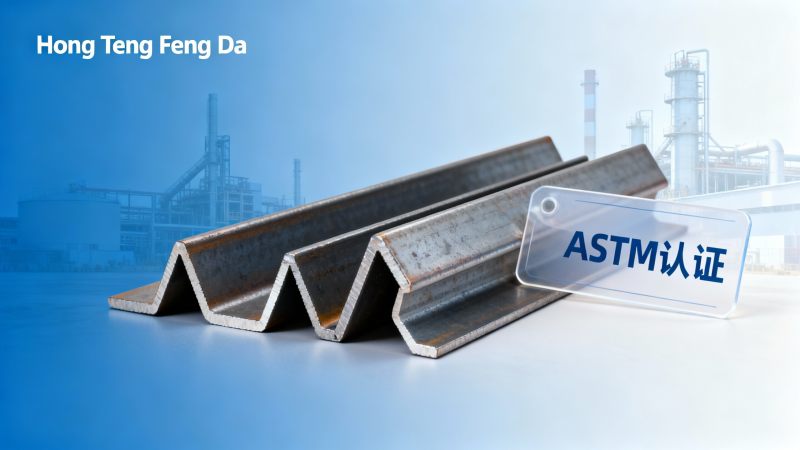
Definition & Market Overview
Definition: Angle bars—also called angle irons, angle sections, or L-profiles—are L-shaped steel sections with two legs meeting at a right angle. They come in many forms: cold formed angle, hot-rolled structural angle iron, sheet steel angle, and precision bent right angle steel plate. Typical applications include bracing, frames, racks, stair stringers, and connection elements in structural and non-structural assemblies. Understanding the subtle differences—such as whether the product is a sheet metal angle produced by press brake bending, or a rolled angle with heat-affected zone considerations—helps teams select the right item for load-bearing versus non-load-bearing roles. Market Overview: Global demand for angle bars ties closely to infrastructure investment cycles, steel plate and coil availability, and downstream fabrication activity. Markets in North America, Europe, the Middle East, Southeast Asia and Australia show stable demand for standardized sizes, while bespoke sheet steel angle and high-precision right angle steel plate orders grow in specialized fabrication segments. Supply-side dynamics are shaped by production capacity, availability of feedstock (coils and plates), and logistics constraints. For buyers, local inventory, mill backlog, and cross-border freight periods often determine realistic lead times more than raw production speed. Shandong Hongteng Fengda Metal Materials Co.. Ltd.is a leadingdomestic enterprise specializing in the production and export of varioussteel plates and coils, profiles, and grids.lt has a complete set of productiontechnology and related equipment such as coking, sintering, steelmaking andsteel rolling, as well as related energy and power systems. At the same time, ihas realized the completeness and systematization of modern iron and steelindustry production technology.Through the global sales network, the products sell well at home and abroad.Our products are widely sold all over the country and exported to North America,Europe, Middle East, South America, Southeast Asia, Africa, Australia and other placesOur quality and service are highly appreciated.The company is committed to providing customers with high-quality and low-coststeel products as the goal, and strives to create value for customers. With advancedKaiping processing equipment and a strong logistics distribution system, it can meetcustomer needs at any time. With the operating advantages of completespecifications, low prices, and fast delivery, and the service concept of keepingpromises and emphasizing quality, the company has won the trust and praise of themaiority of users. This background matters to procurement teams looking for partners who can supply consistent grades like common structural steels and custom right angle steel plate cuts at scale.
Technical Performance, Parameters and Key Supplier Questions
When vetting suppliers, technical performance questions should come first because they determine usability and risk. Ask for chemical composition, tensile and yield strength, elongation, bend radii, and the method of forming—cold formed angle versus hot-rolled structural angle iron—as these affect toughness, weldability, and fatigue life. Also clarify surface finish, corrosion protection (if any), packaging method, and any required pre-treatment or post-treatment; the product information in the order should specify whether pre-treatment is required—if none is specified, clarify handling expectations. Below is a compact table you can use in RFQs to compare candidates quickly; include specific columns so quotes are comparable and you can lock pricing to a standard spec.
Use that table as a checklist during supplier comparison. Key supplier questions derived from the table include: What is your regular lead time for the quoted sizes and quantities? Can you provide Mill Test Certificates (MTC) and batch traceability? Do you perform or allow third-party inspection and what are the points for inspection (incoming coil, post-roll, post-cut, packaging)? Are tolerance ranges guaranteed, and what rework policy applies for out-of-spec deliveries? What is the packaging and protection for ocean freight—especially for sheet steel angle and 90 angle metal prone to rust? Each reply should be written into the contract or purchase order to avoid claims and schedule slippage. For larger projects, also ask about the supplier’s capacity to ramp production and stagger shipments to match site erection phases so you avoid costly storage penalties or idle crews.
Procurement Guide, Cost Alternatives and Case Study
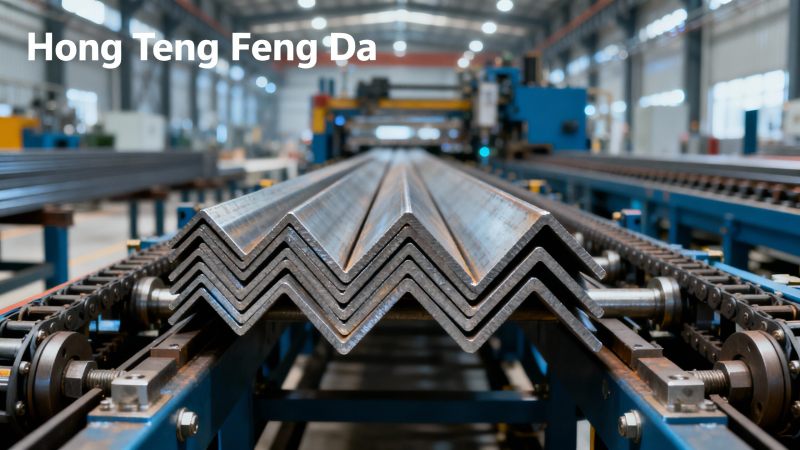
Procurement Guide: For large-scale purchases, structure RFQs to solicit comparable offers: specify material grade, leg sizes, thickness, tolerances, forming method, finish, and required certificates. Request pricing in tiers by tonnage and ask suppliers to nominate realistic lead times and earliest delivery windows. Negotiate for partial shipments aligned with project milestones and include clear acceptance criteria and non-conformance remedies. Cost & Alternatives: Price drivers include material grade, thickness, treatment, complexity (special notches or holes), and logistics. Cold formed angle is often cheaper for light, repetitive profiles, but hot-rolled structural angle iron can offer better dimensional stability and higher allowable loads for primary structures. Consider coated or galvanized options if onsite painting is constrained by weather, as lifecycle cost can be lower despite higher upfront price. Case Study: On a recent port expansion project, a construction firm needed 2,400 tons of angle bars with mixed sections for pile caps, bracing, and walkways. The selected partner demonstrated strong mill integration and advanced Kaiping processing equipment, enabling precise cuts and consistent tolerances. The procurement team used staged shipments and insisted on MTCs and third-party verification at the packing stage. The approach reduced onsite rework by 18% and avoided a one-month delay that alternative suppliers faced due to ambiguous lead times. In that project the buyer also approved a high-strength AH32 plate for certain connections; a small part of the scope was fulfilled by AH32 Carbon Steel Plate to meet specific structural requirements. Lessons: insist on documented lead times, require batch traceability, and use staged deliveries tied to acceptance certificates to secure continuity for large projects.
FAQ, Common Misconceptions and Why Choose Us / Contact
FAQ & Misconceptions: Q: Does a lower per-ton quote always save money? A: No. Low unit price can hide longer lead times, poor finish, or missing certificates that increase total cost through rework, delays, and warranty claims. Q: Are cold formed angle and structural angle interchangeable? A: Not always; match manufacturing method to load and fabrication needs. Q: How strict should tolerances be? A: As tight as necessary for fit-up; over-specifying increases cost. Q: What are the must-have documents? A: Mill Test Certificates, packing list, commercial invoice, and inspection reports; for regulated projects, include material certifications to international standards like ASTM, EN, or ABS as applicable. Why Choose Us: Shandong Hongteng Fengda Metal Materials Co.. Ltd. combines an integrated production chain, experienced processing lines, and a global logistics network to supply standardized and customized angle bars at competitive prices with reliable lead times. Our operating advantages—complete specifications, low prices, and fast delivery—meet the needs of project managers, quality teams, distributors, and fabricators alike. We emphasize clear communication, consistent QA, and the ability to scale for large projects. Contact: For RFQs, technical clarifications, or to arrange third-party inspection, reach out through our sales channel and provide project schedules, required specifications, and estimated quantities. Request standardized comparison quotes using the table above and ask for sample certificates before placing large orders. Choosing a partner who commits to traceability, documented lead times, and responsive field support reduces procurement risk and helps you deliver projects on time and on budget.
Related recommendations
 How to Select a Steel Profile Based on Load, Span, and Fabrication NeedsProfile selection starts with load, span, and fabrication needs. Learn how to compare steel sections for strength, cost, workability, and sourcing efficiency.
 What Is a Steel Profile? Common Shapes, Uses, and Selection BasicsProfile selection starts with shape, but performance depends on load, fabrication, and standards. Learn common steel profile types, uses, and smart selection basics.
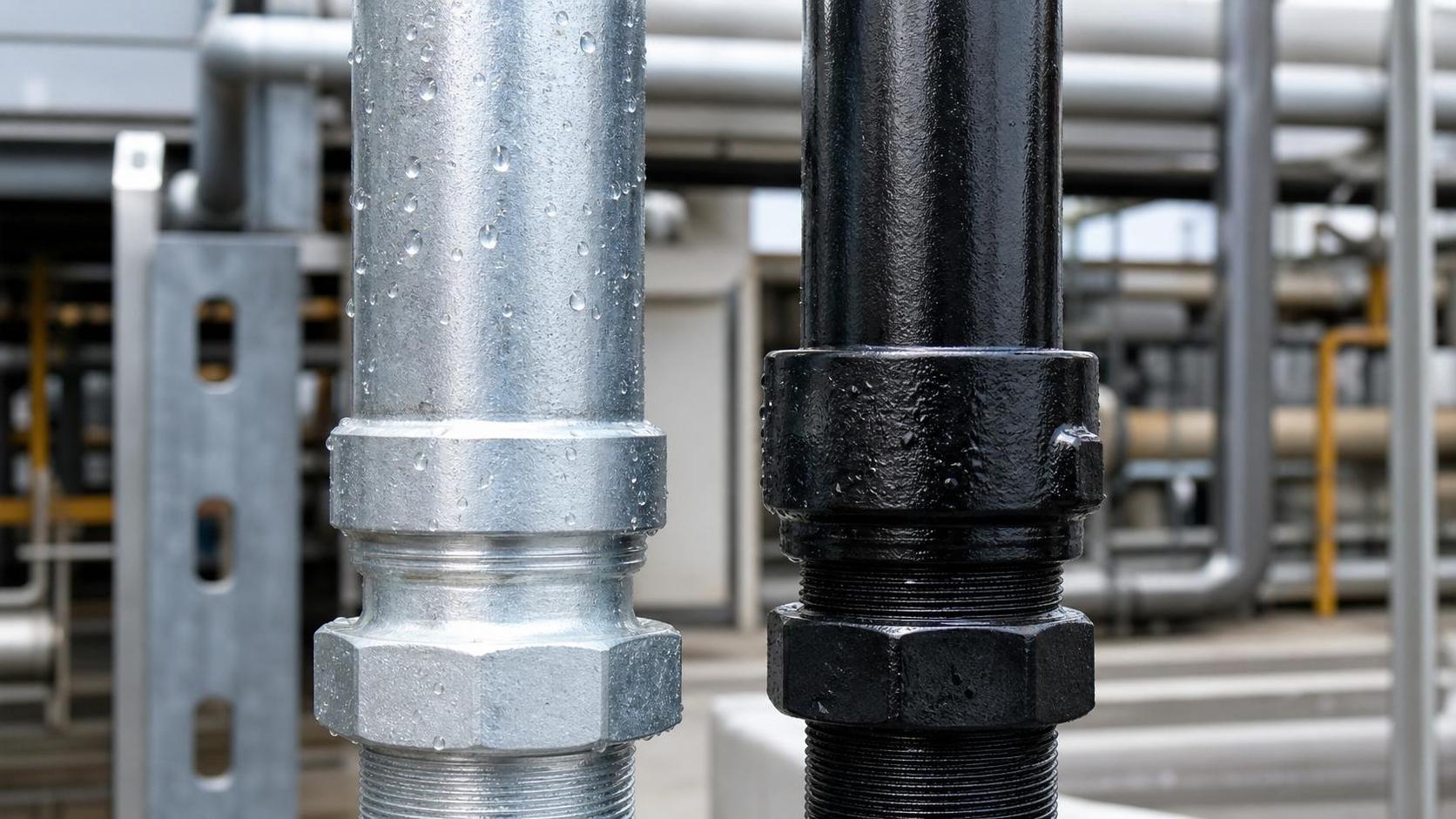
 Galvanized Pipe vs Black Pipe: Which One Fits Water, Gas, or Outdoor Lines?Galvanized pipe or black pipe? Compare the best choice for water, gas, and outdoor lines, with key insights on corrosion, codes, cost, and long-term performance.
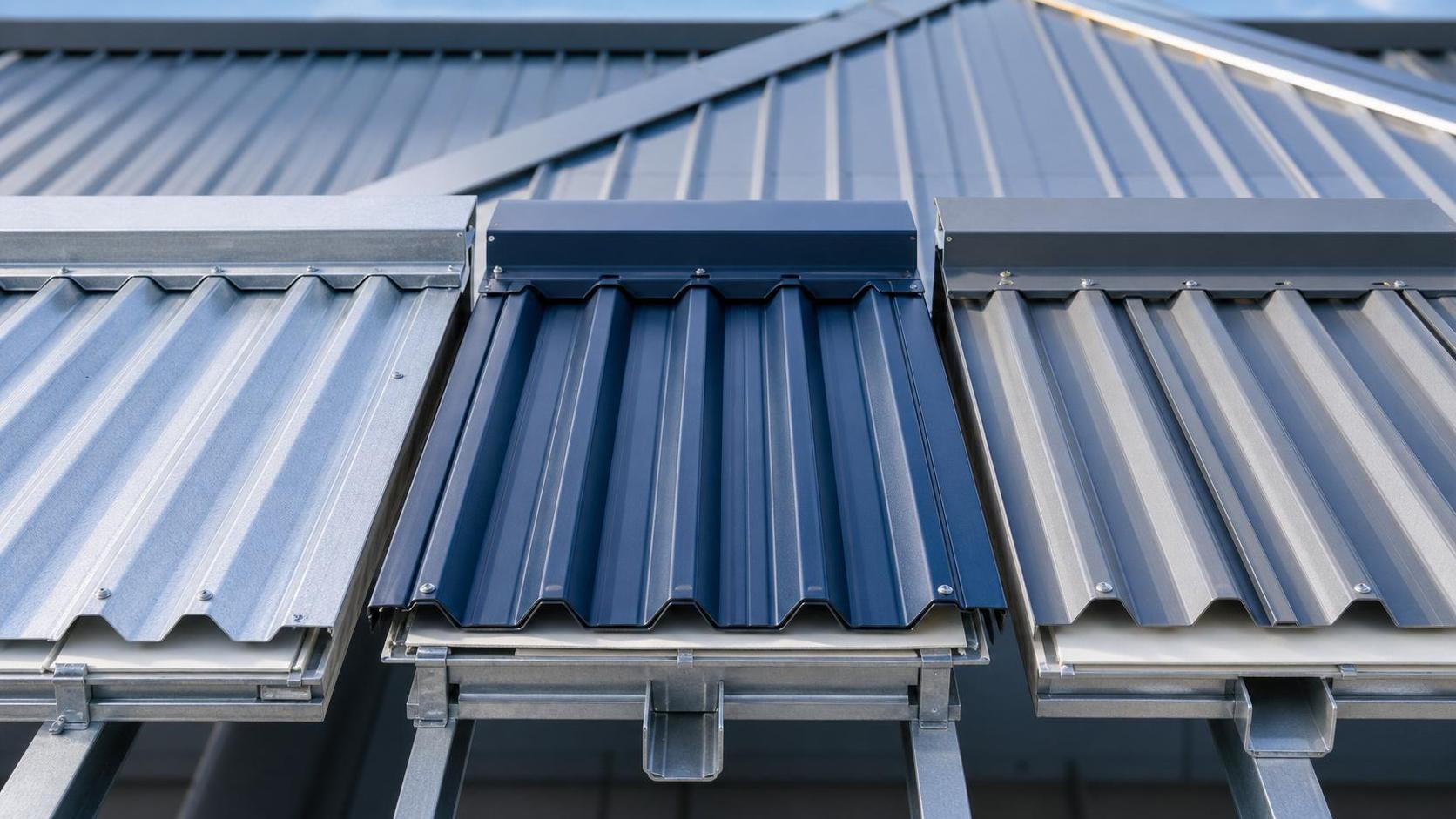
 How to Choose Steel Roofing for Warehouses, Farms, and Residential BuildingsSteel Roofing selection depends on building type. Learn how warehouses, farms, and homes differ in corrosion, insulation, drainage, and cost for smarter roofing decisions.
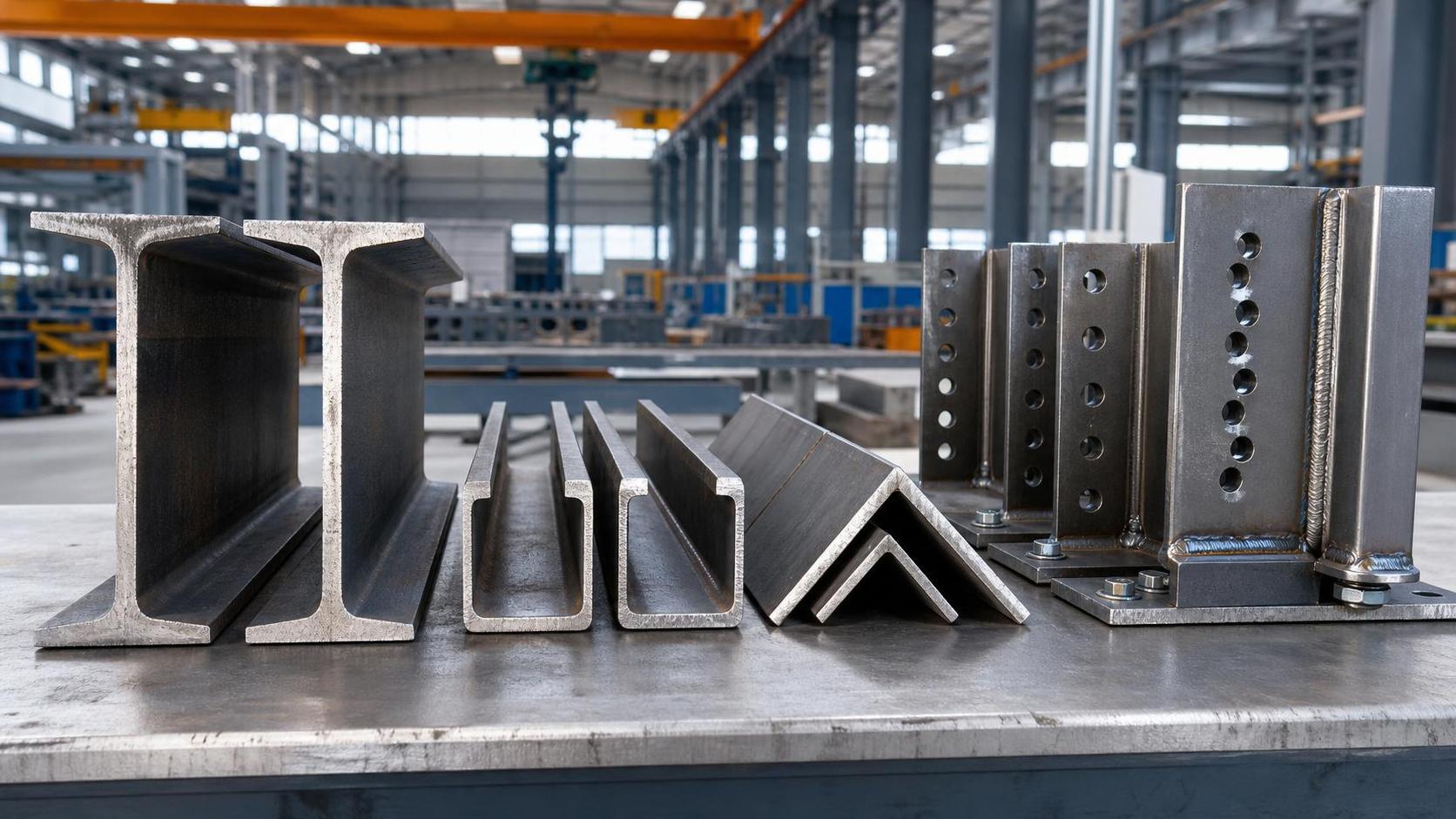
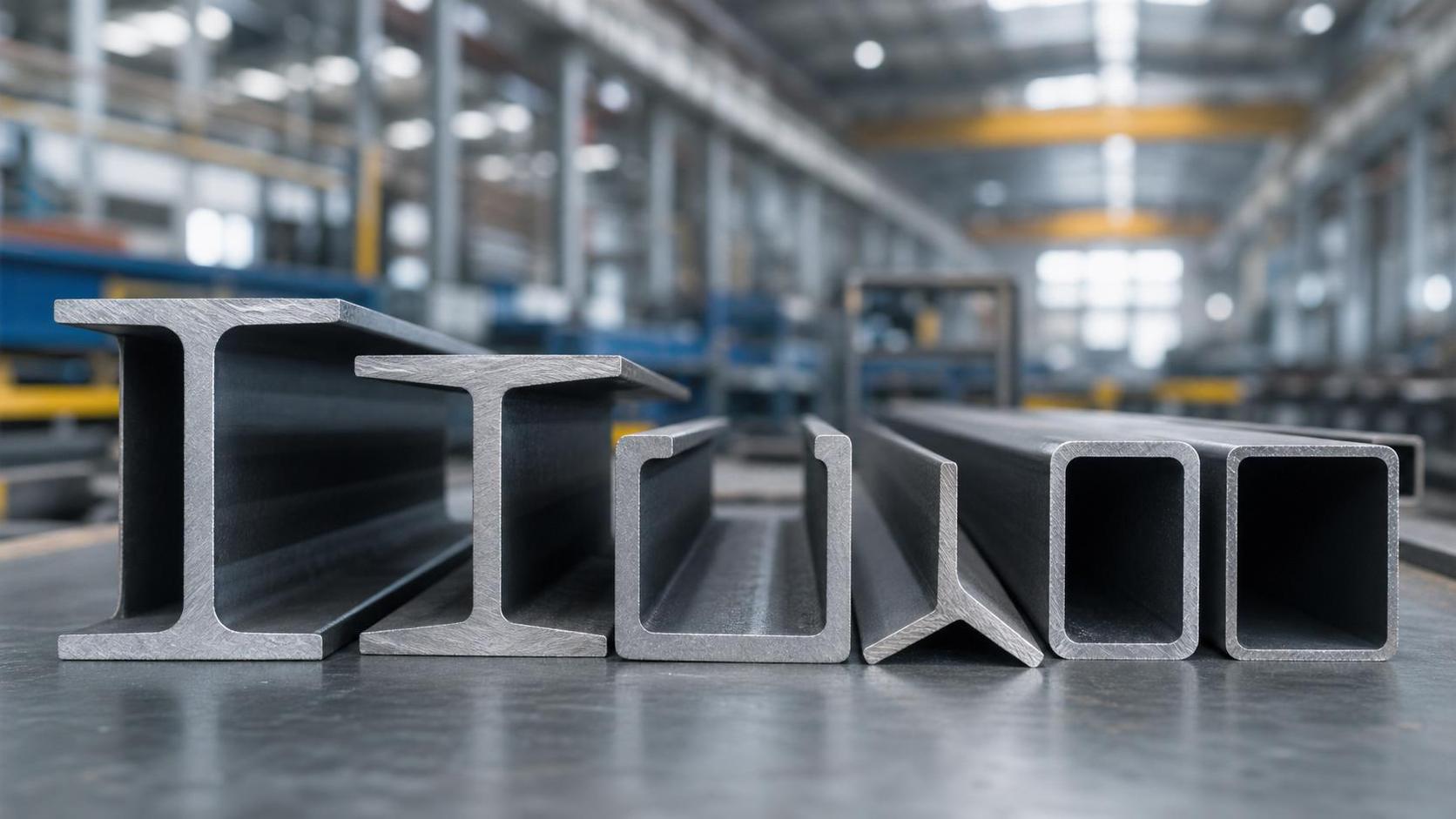
Please give us a message


Please enter what you want to find