Understanding the difference between angle vs channel steel JIS certified is critical for quality managers sourcing structural steel globally—especially in demanding sectors like oil and gas, wind tower construction, and mining equipment. As a trusted angle vs channel steel global supplier and OEM manufacturer, Hongteng Fengda delivers JIS-certified, high-strength angle vs channel steel compliant with EN standards—backed by rigorous QA and bulk order capability. Whether you're submitting an angle vs channel steel quotation request or evaluating materials for safety-critical applications, this technical breakdown clarifies specifications, performance trade-offs, and compliance essentials.
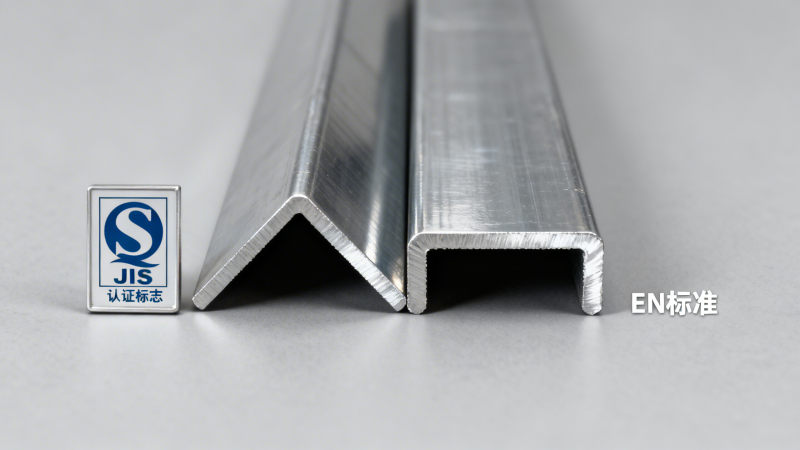
What Are Angle and Channel Steel — And Why JIS Certification Matters
Angle steel (L-section) and channel steel (C-section) are foundational structural profiles used in load-bearing frameworks across civil, industrial, and energy infrastructure. While both serve as primary support elements, their geometric configurations drive distinct mechanical behaviors: angle steel offers bi-axial rigidity with equal or unequal legs, whereas channel steel provides superior bending resistance about its major axis due to its deep web and parallel flanges.
JIS certification—specifically JIS G 3101 (for general structural steel), JIS G 3106 (for welded structures), and JIS G 3136 (for building frames)—ensures consistent tensile strength (≥ 400 MPa), yield point (≥ 245 MPa), and elongation (≥ 21%) under controlled testing protocols. For projects in Japan, Southeast Asia, or those requiring dual-standard validation (e.g., JIS + EN 10025), third-party verification from JIS-accredited labs is non-negotiable—not just a formality, but a prerequisite for regulatory acceptance.
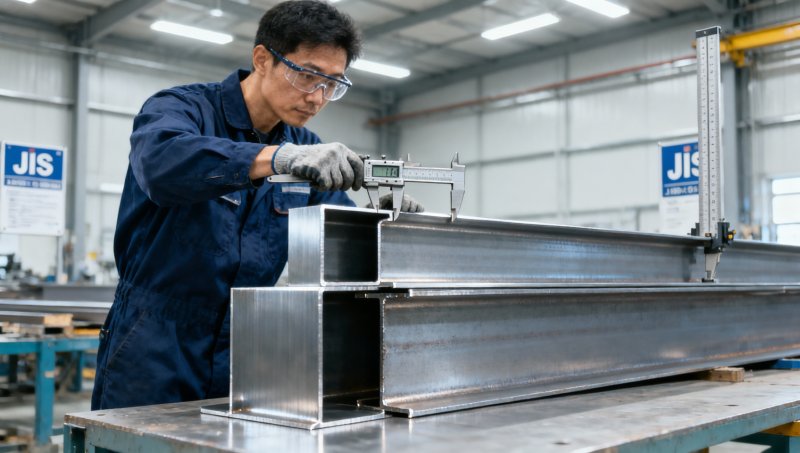
At Hongteng Fengda, every batch of angle vs channel steel undergoes 100% ultrasonic testing, dimensional sampling at 3 points per meter, and metallurgical analysis per JIS Z 2201. This ensures ≤ ±0.8 mm tolerance on leg width and web thickness—critical when interfacing with pre-drilled connection plates in wind tower base frames or offshore platform modules.
Performance Comparison: Key Metrics for Critical Applications
Selecting between angle and channel steel isn’t about preference—it’s about matching geometry to stress distribution. In oil and gas skid-mounted systems, channel sections absorb torsional loads during transport better than angles due to closed moment resistance. Conversely, in lattice-type wind tower bracing, angles provide optimal weight-to-strength ratio and ease of field welding at diagonal nodes.
The table confirms identical base material specs—but highlights how geometry amplifies functional divergence. A C120×53×5 channel delivers over 2× the second moment of inertia compared to an L100×100×10 angle, making it ideal for purlins supporting 15–25 kN/m² live loads in mining conveyor gantries. Meanwhile, angles dominate where multi-directional bracing or bolted gusset connections are required—reducing onsite drilling time by up to 40%.
Compliance & Sourcing Realities: From Quotation to Delivery
An angle vs channel steel quotation request triggers more than pricing—it initiates traceability validation. At Hongteng Fengda, each quotation includes mill test reports (MTRs) certified to JIS Z 2241, heat number traceability to raw slab origin, and dimensional inspection records aligned with ISO 2768-mK tolerances. For EN standards compliance, we cross-reference JIS G 3106 with EN 10025-2 S355JR, ensuring impact toughness ≥ 27 J at –20°C for low-temperature oilfield applications.
Bulk order suppliers face unique challenges: maintaining profile consistency across 50+ tons requires recalibration every 8 hours during rolling and strict control of cooling rates to prevent residual stress distortion. Our production line enforces ≤ 0.3 mm/m straightness deviation—verified via laser alignment before packaging—and ships with protective VCI film for marine transit to Middle East ports.
For distributors and agents, we offer OEM labeling, bilingual documentation (English + Arabic/Thai), and consolidated container loading—cutting customs clearance time by 3–5 working days through pre-validated HS codes and JIS-compliant packing lists.
Material Synergy: When Galvalume Coils Support Structural Integrity
While angle and channel steel form the skeleton, surface protection defines service life—especially in coastal wind farms or sulfur-rich mining zones. That’s where DX52D Galvalume Steel Coil plays a strategic role. With 55% aluminum–43.4% zinc–1.6% silicon coating, it delivers 2–6× longer corrosion resistance than standard galvanized steel under ASTM B117 salt-spray testing (≥ 1,200 hrs to red rust).
Its mechanical compatibility is equally vital: yield strength ≤ 260 MPa and elongation ≥ 28% enable seamless cold forming into custom cladding brackets, duct supports, or seismic bracing sleeves—without cracking at 90° bends. The lightweight density advantage means a 1-ton DX52D coil covers 3% more surface area than an equivalent galvanized coil—directly reducing material handling costs on remote sites.
Hongteng Fengda integrates DX52D coils into end-to-end solutions: supplying pre-cut, slotted, and powder-coated angle/channel assemblies with full ISO 9001, SGS, and BV certification—ensuring zero rework during client QA audits in North America or Europe.
Actionable Next Steps for Quality & Procurement Teams
Whether you’re finalizing an angle vs channel steel for wind tower construction or validating options for mining equipment frames, take these steps:
- Request MTRs showing JIS G 3106 + EN 10025-2 dual compliance—not just “meets JIS”
- Verify bend test results per JIS Z 2248: 180° wrap around mandrel diameter = 2× thickness, no cracking
- Confirm QA frequency: Hongteng Fengda performs 12 inspections per ton—including hardness mapping and grain size analysis
- For urgent projects, leverage our 7–15 day lead time on standard sizes (L50×50×5 to L200×200×20; C80×42×5 to C250×90×10)
As a certified angle vs channel steel OEM manufacturer and bulk order supplier, Hongteng Fengda supports your engineering, procurement, and safety goals with precision, transparency, and scalability. Contact us today to discuss your next angle vs channel steel quotation request—or explore integrated solutions combining JIS-certified profiles with DX52D Galvalume Steel Coil for maximum lifecycle value.
- channel steel
- steel i
- angle steel
- galvanized coil
- steel coil
- galvanized steel
- DX52D coil
- structural steel
- Structural Steel
- Profile
- S355JR
- Galvanized
- angle vs channel
- angle vs channel steel OEM manufacturer
- angle vs channel steel for wind tower construction
- angle vs channel steel quotation request
- angle vs channel steel JIS certified
- angle vs channel steel global supplier
Related recommendations
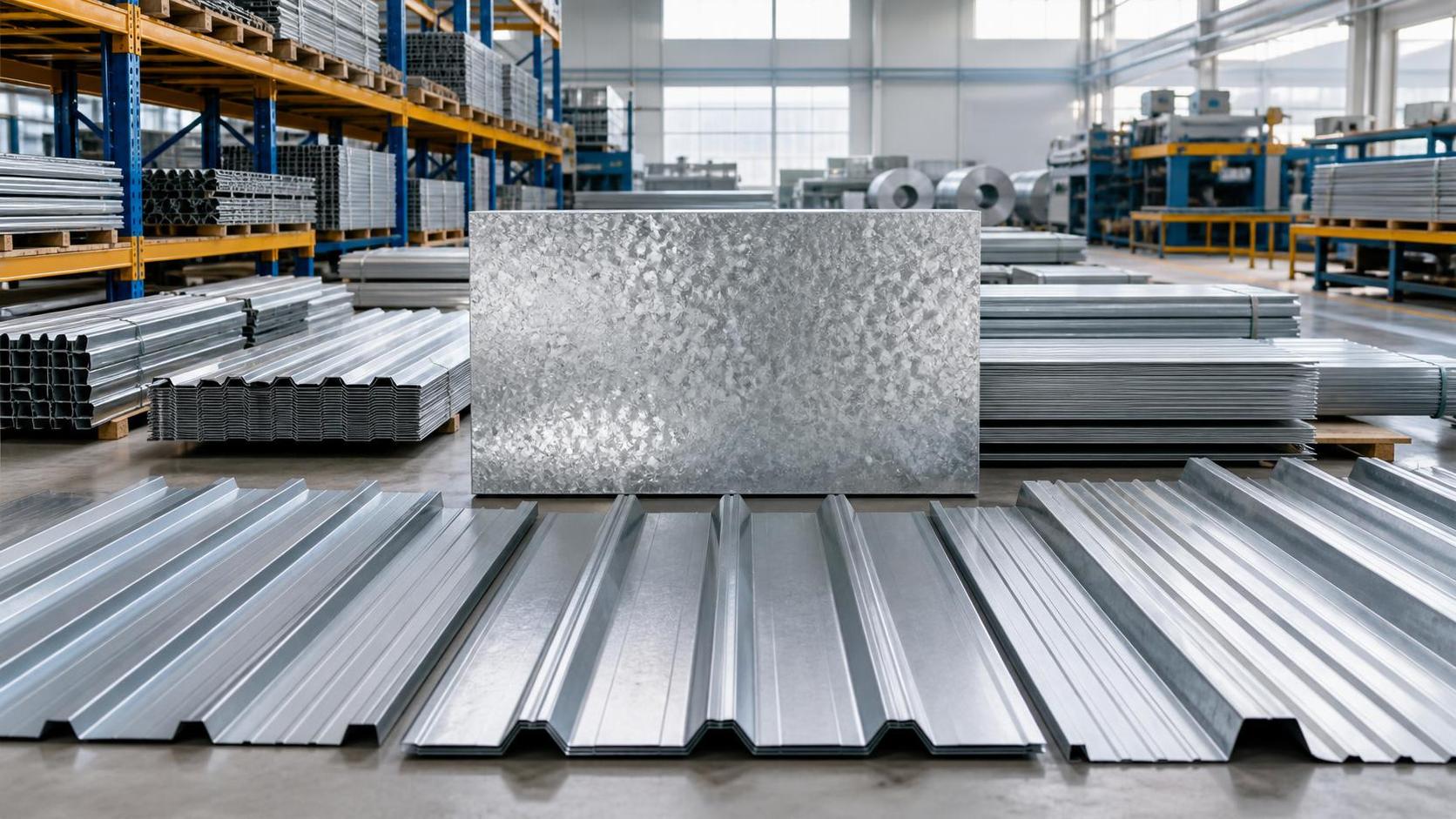
 How to Judge if Steel Sheet for Construction Fits Roofing or Wall CladdingSteel sheet for construction: learn how to judge thickness, coating, profile, and load performance for roofing or wall cladding, and choose a durable, cost-effective fit.
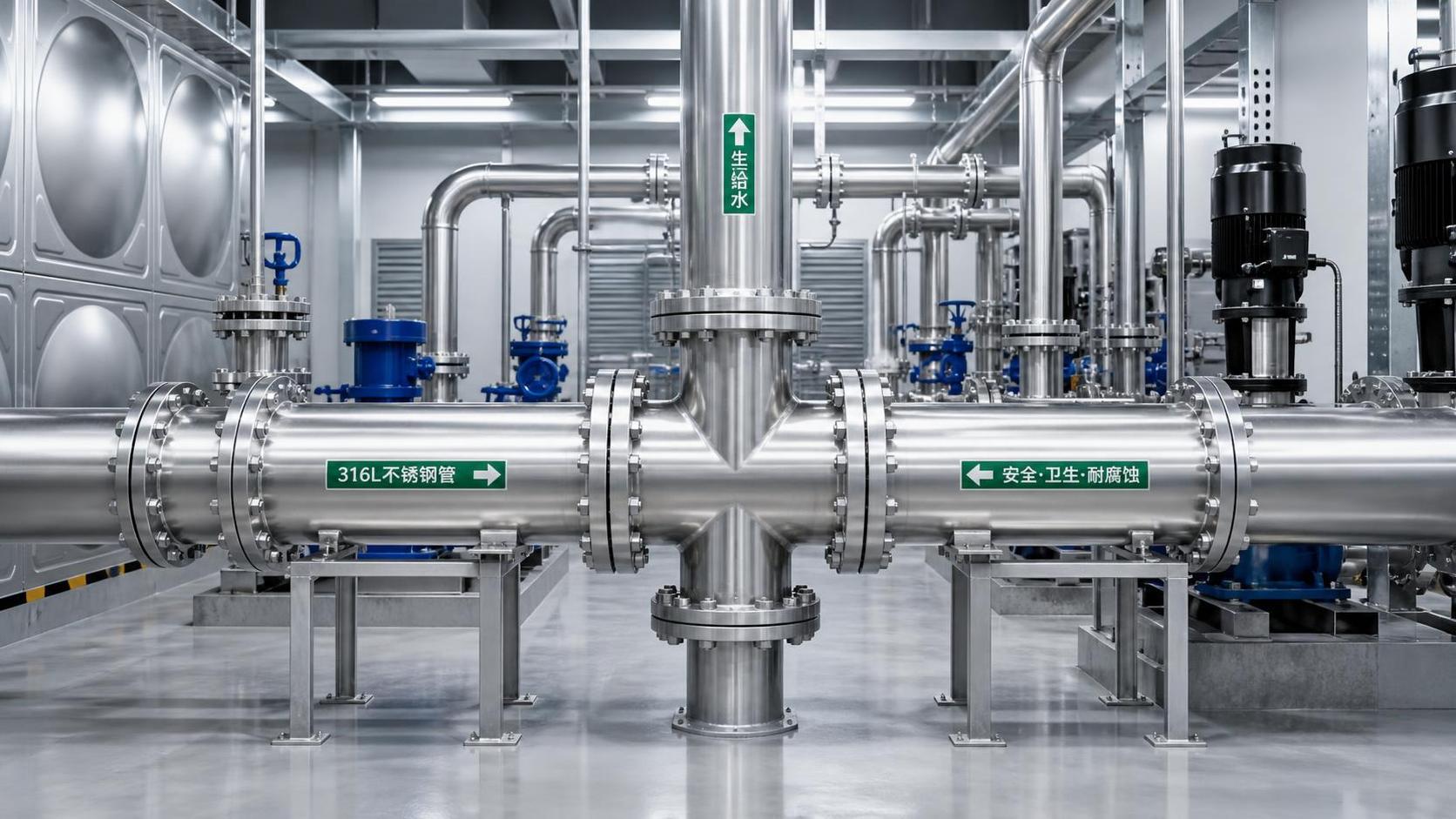
 How to Choose SS Pipe for Water Supply in Corrosion-Prone BuildingsSS pipe for water supply selection guide for corrosion-prone buildings. Compare 304 vs 316 grades, water chemistry, specs, and lifecycle cost to choose a safer, longer-lasting system.
 Steel Wire Rope Manufacturer Standards That Matter in Lifting ApplicationsSteel wire rope manufacturer standards for lifting: learn how to assess traceability, testing, compliance, and real quality control before choosing a safer, more reliable supplier.
 When a Steel Channel Supplier Should Provide Mill Test CertificatesSteel Channel supplier guide on when mill test certificates should be provided for quality control, compliance, and safer procurement.
Please give us a message


Please enter what you want to find