Before installing a steel bar for transmission towers, proper inspection ensures long-term performance, safety, and cost efficiency. Structural steel from trusted manufacturers like Hongteng Fengda helps prevent structural failure, minimize downtime, and maintain compliance with international standards. This guide shares practical inspection tips and evaluation methods to help engineers, procurement teams, and quality controllers select the right steel bar, as well as related materials such as steel channel for shelving systems, carbon steel for chemical plants, and steel rebar for infrastructure projects. In the rapidly developing field of electrical and telecommunication transmission, selecting reliable steel materials has become a top priority for infrastructure owners and contractors. Poor inspection or low-quality steel bars can result in safety hazards, compromise load performance, and lead to premature failures or costly re-installations. This article is designed to help technical managers, structural designers, and production engineers establish a methodical approach to evaluating steel bar quality based on industry-tested practices.
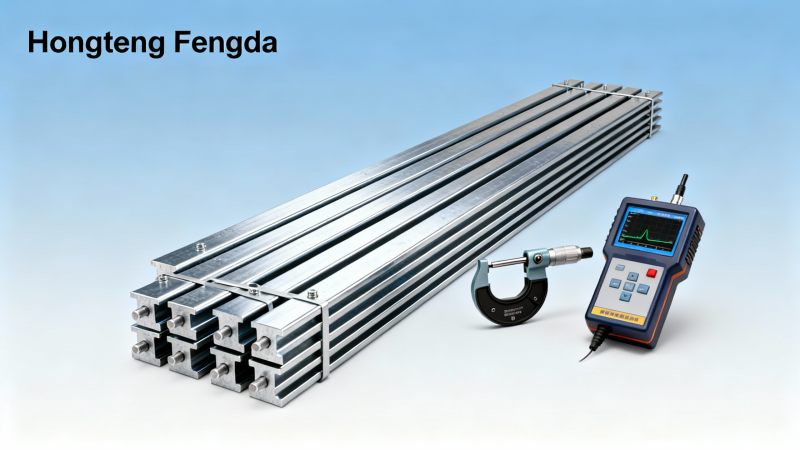
Key Factors to Inspect Before Installing Steel Bars for Transmission Towers
When evaluating a steel bar for transmission towers, several physical and chemical characteristics must be carefully analyzed to ensure compliance with standards like ASTM A615, EN 10025, or GB/T 700. First, check the material composition and ensure the carbon, manganese, and silicon ratios meet the desired specification for ductility and tensile strength. Transmission towers experience sustained tension from cables and atmospheric stress from wind and lightning; therefore, the steel bar’s yield strength and elongation ratio directly influence the structure’s reliability. Common parameters for carbon steel for heavy machinery and similar components include a minimum yield strength of 275 MPa and an elongation rate above 20%.
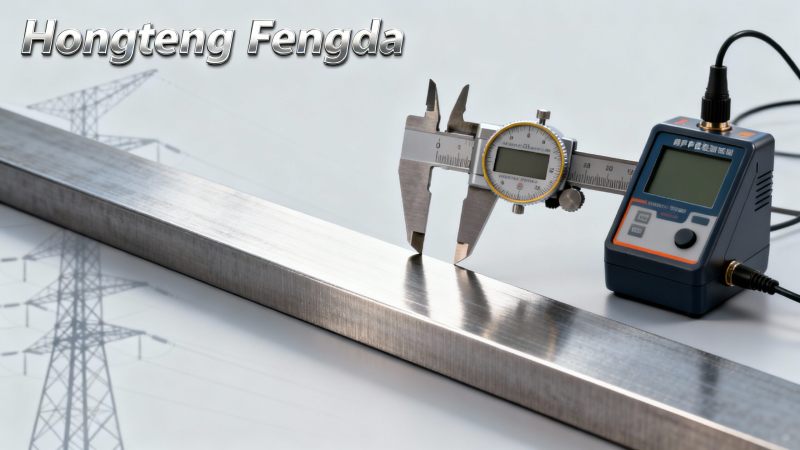
Surface quality inspection is equally critical. Look for cracks, laminations, or rust patches that may reduce the bonding efficiency when fitted into tower joints. In environments exposed to moisture or chemical corrosion, galvanizing or adopting an alloy with improved corrosion resistance—such as combining with stainless types similar to 201 Stainless Steel Coil—can significantly enhance performance. Dimensional accuracy also matters: a slight deviation in diameter can cause misalignment during tower erection. For precision projects, steel profile for stadium construction or steel rebar for highway construction often follows tighter dimensional controls. Measuring tolerances using micrometers and comparing with blueprint values helps ensure uniform load distribution once installed.
Chemical and Mechanical Testing Procedures for Steel Bar Certification
Before shipment or installation, certified testing should confirm material performance. A tensile test verifies both yield and ultimate tensile strength, while a bend test analyzes ductility. Proper elongation ensures the bar can absorb stress without cracking. For instance, the 201 grade stainless steel exhibits tensile strength ≥520 MPa and elongation around 55–60%, making it suitable for mid-range industrial applications like conveyor belts and automotive parts. Such materials, though not identical, serve as good benchmarks for evaluating the deformation capability of structural steels. Ultrasonic and magnetic particle inspections detect internal voids or inclusions, which otherwise could go unnoticed in visual checks. Chemical testing by spectrography ensures the composition aligns with required grades—vital for both carbon steel for chemical plants and steel pile for riverbank protection projects.
Standardized laboratories often issue compliance certificates adhering to ISO, SGS, or BV inspection criteria. Manufacturers that integrate these controls into their production lines demonstrate a strong commitment to reliability and international acceptance. For procurement teams, verifying these certificates before accepting a batch is an efficient risk control practice. Equally, when assessing a structural steel package that may include beams, channels, and bars, documentation for origin, smelting batch, and heat treatment processes ensures full traceability. In the context of steel sheet for roofing or Steel Channel for mezzanine flooring, tracking material identification plays a critical role in maintaining consistent performance across diverse construction sites.
Practical On-Site Inspection Tips for Engineers and Project Managers
On construction sites, visual and physical inspections act as the last gate to quality assurance. Project managers should arrange for batch sampling upon delivery. Bars should be checked for straightness, uniform rib patterns, and absence of scaling or oily coatings. For transmission towers located in humid or coastal areas, pairing steel bars with corrosion-resistant materials like 201 Stainless Steel Coil for supporting components can improve overall durability. Engineers can perform hammer sound tests to detect internal flaws, where a dull sound often indicates internal voids. Documentation review should confirm previous laboratory testing, while random field testing validates that no degradation occurred during transportation or storage.
Storage conditions strongly affect steel bar performance. It is recommended to store them off the ground with adequate ventilation and protective coverings. Consistent monitoring of ambient humidity minimizes surface oxidation. When used alongside steel channels for shelving systems or carbon steel for heavy machinery, ensure separation by type and thickness to prevent mechanical damages or stress marks. Project managers should also comply with occupational safety protocols while handling large bundles and lifting with certified slings. Routine calibration of measuring devices and temperature tracking during pre-installation testing further increase inspection precision. These field-level evaluations, though sometimes skipped due to schedule pressure, directly result in cost-saving through reduced rework and downtime.
Importance of Partnering with Reliable Steel Manufacturers
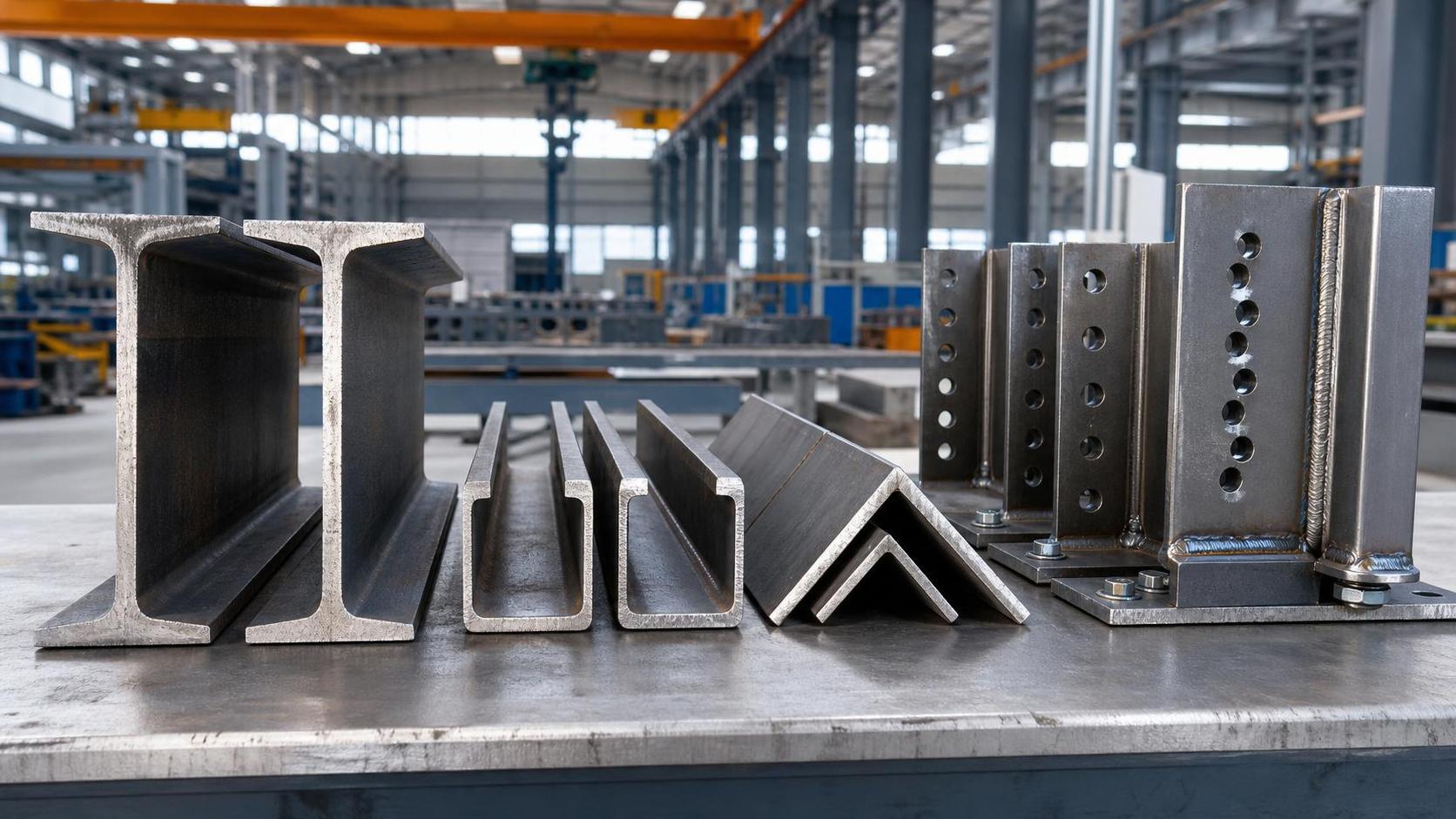
Selecting a trusted structural steel supplier ensures performance consistency from design approval to final assembly. Hongteng Fengda, as a professional structural steel manufacturer and exporter from China, provides a wide range of products covering angle steel, channel beams, cold formed profiles, as well as customized components. The company’s manufacturing lines adhere to ASTM, EN, JIS, and GB standards, serving projects in North America, Europe, the Middle East, and Southeast Asia. When sourcing steel bar for transmission towers, project leaders prioritize not only price but also traceability and delivery reliability. Suppliers capable of offering steel rebar for infrastructure projects, steel pile for riverbank protection, or steel profile for stadium construction under uniform inspection procedures significantly reduce procurement risk.
Another advantage of working with experienced exporters is technical consultation. Hongteng Fengda’s engineering team provides recommendations for customized design and stress optimization, including the use of carbon steel for chemical plants or steel sheet for roofing under various environmental conditions. This proactive support ensures that customers can align material selection with specific load and exposure requirements. Long-term partnerships built on transparent quality reports and steady production capacity allow international contractors to control timelines and budgets effectively. Procurement specialists appreciate this reliability, especially when exporting materials through multi-shipment schedules to high-demand areas.
Common Mistakes and How to Avoid Them During Steel Bar Evaluation
Even experienced project teams occasionally overlook crucial aspects of steel inspection. Common mistakes include inadequate sample sizes, over-reliance on supplier data, or ignoring microstructural analysis. Another error is neglecting to update specification standards—outdated criteria may omit essential requirements for modern tower designs. For instance, new high-voltage transmission towers impose heavier loads than earlier models; therefore, older A36-grade equivalent bars may not suffice. Engineers should regularly review the latest codes such as ASTM A706 or EN 10080 that specify rebar properties for seismic resistance. In projects that combine different product classes like steel channels or sheets, mislabeling can occur if traceability systems are weak. Implementing barcode tracking and digital inspection records solves this efficiently.
Training of field personnel also plays a big role. Quality controllers and inspectors should receive hands-on training in using ultrasonic equipment, hardness testers, and digital calipers. Documenting the entire inspection process—from raw material reception to cutting test verification—creates a transparent record for audits. For large-scale infrastructure projects, periodic third-party audits prove invaluable. When all data and measurements are logged into a shared system, communication among suppliers, contractors, and quality departments becomes smoother. By institutionalizing these practices, organizations protect both structural integrity and corporate reputation. Adopting this comprehensive framework promotes consistent safety performance across multiple installations and ensures the long-term sustainability of transmission network investment.
Conclusion: Ensuring Long-Term Safety and Efficiency
A disciplined inspection and evaluation system for steel bar for transmission towers ensures that each project meets both safety and performance goals. By integrating mechanical testing, visual inspection, and supplier verification, engineers minimize installation risks and enhance the lifecycle of assets. Hongteng Fengda continues to deliver reliable steel products that align with international certification and modern engineering requirements. Their extensive product range—from steel rebar for highway construction to steel channel for shelving systems—illustrates their capacity to serve diverse industrial needs.
Whether your organization is sourcing specialized materials like carbon steel for chemical plants or standard beams for high-rise installations, partnering with experts ensures smooth execution and regulatory compliance. Through continuous improvement in production and inspection systems, Hongteng Fengda aims to be your trusted long-term partner in structural steel supply. For detailed product specifications, technical data sheets, or customized design consultation, we welcome you to contact our team today and learn more about our solutions that drive the future of safe and sustainable construction.
- channel beam
- steel i
- angle steel
- steel supplier
- steel coil
- structural steel
- Structural Steel
- 201 stainless steel coil
- stainless steel coil
- Profile
- Rebar
- Steel Channel
- carbon steel
- steel sheet
- steel rebar
- steel profile
- steel pile
- steel bar
- steel rebar for infrastructure projects
- carbon steel for heavy machinery
- Steel Channel for mezzanine flooring
- steel bar for transmission towers
- steel pile for riverbank protection
- steel profile for stadium construction
- steel rebar for highway construction
- steel sheet for roofing
- carbon steel for chemical plants
- Steel Channel for shelving systems
Related recommendations
 How to Select a Steel Profile Based on Load, Span, and Fabrication NeedsProfile selection starts with load, span, and fabrication needs. Learn how to compare steel sections for strength, cost, workability, and sourcing efficiency.
 What Is a Steel Profile? Common Shapes, Uses, and Selection BasicsProfile selection starts with shape, but performance depends on load, fabrication, and standards. Learn common steel profile types, uses, and smart selection basics.
 Galvanized Pipe vs Black Pipe: Which One Fits Water, Gas, or Outdoor Lines?Galvanized pipe or black pipe? Compare the best choice for water, gas, and outdoor lines, with key insights on corrosion, codes, cost, and long-term performance.
 How to Choose Steel Roofing for Warehouses, Farms, and Residential BuildingsSteel Roofing selection depends on building type. Learn how warehouses, farms, and homes differ in corrosion, insulation, drainage, and cost for smarter roofing decisions.
Please give us a message


Please enter what you want to find