Why Steel Roofing Decisions Change by Building Type
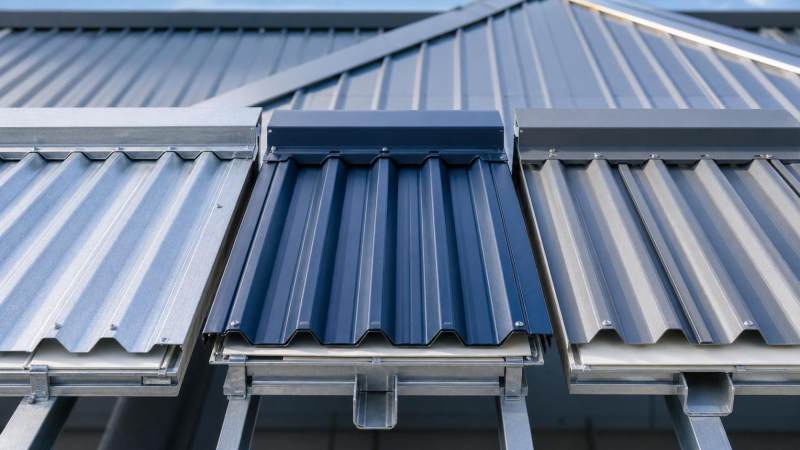
Choosing Steel Roofing is rarely a simple material decision. The same panel system can perform well on one project and create avoidable costs on another.
Warehouses, farms, and residential buildings face different loads, moisture patterns, ventilation demands, and appearance expectations. That is why roof selection should begin with actual use conditions, not catalog pricing alone.
In practice, Steel Roofing affects service life, thermal performance, maintenance access, and installation speed. It also influences whether the supporting steel structure can stay efficient without overdesign.
For projects supplied across international markets, consistency matters as much as specification. Stable quality, traceable standards, and predictable lead times reduce site delays and rework risk.
This is especially relevant when working with structural steel systems from experienced Chinese exporters such as Hongteng Fengda, where roofing choices must align with beams, channels, cold formed profiles, and broader project schedules.
The Same Roof Does Not Solve the Same Problem Everywhere
At first glance, many steel roof sheets look similar. The real difference appears when you compare span, slope, environment, insulation strategy, and future maintenance frequency.
A warehouse often prioritizes wide coverage, quick installation, and low disruption during operation. A farm building usually gives more weight to moisture, ammonia exposure, and ventilation balance.
Residential buildings shift the discussion again. Noise control, thermal comfort, appearance, and neighborhood design standards become more important than simple sheet cost.
Because of these differences, good Steel Roofing selection depends on matching the roof system to the building’s daily operating reality.
Warehouse Projects Usually Start with Span, Speed, and Long-Term Access
Warehouse roofs often cover large areas with limited internal supports. That makes panel stiffness, purlin spacing, and wind uplift resistance central to the decision.
In these projects, Steel Roofing should support fast installation without creating too many joints. Fewer joints generally mean fewer leakage points and faster progress on large roofs.
Another common issue is future roof access. Warehouses may need regular checks for ventilation units, solar systems, or drainage lines, so panel profile and walking safety matter.
Insulation is also judged differently here. In logistics or light industrial storage, condensation control can be more urgent than premium interior comfort.
A practical approach is to compare expected wind load, roof traffic, and insulation target before choosing profile depth and coating system.
Farm Buildings Need More Attention to Corrosion Than Many Buyers Expect
Farm use changes the risk profile. Humidity, animal waste, fertilizer dust, and cleaning chemicals can shorten roof life faster than normal outdoor exposure.
This is where Steel Roofing should be judged less by upfront sheet thickness alone and more by coating type, edge protection, and ventilation design.
For barns, poultry houses, and feed storage, trapped condensation becomes a silent problem. It can damage roofing sheets, insulation layers, and even connected structural members.
The better decision is usually a roof system that balances corrosion resistance with airflow control. In some climates, a stronger anti-condensation strategy matters more than a heavier panel.
Where buildings include steel frames, handrails, or access platforms, it helps to keep surface protection logic consistent. For example, related steel components such as Rail products for bridge railings, deck railings, or industrial access areas are often selected with similar attention to coating finish, dimensional tolerance, and reliable delivery.
Residential Use Brings Comfort and Appearance into the Steel Roofing Decision
Residential roofs are judged more closely by daily experience. Rain noise, attic temperature, visible finish, and local style requirements all shape the final choice.
In this setting, Steel Roofing still offers strength and long life, but the best solution usually includes underlayment, insulation, and fastening details designed for comfort.
Panel color also matters more. Dark surfaces may increase heat gain, while lighter finishes can improve thermal behavior in hot regions.
Design compatibility should not be treated as a minor issue. A roof that performs well structurally but looks out of place may create approval or resale concerns later.
For homes in coastal or high-rainfall zones, corrosion resistance and drainage detailing deserve the same attention as visual finish.
Different Buildings Usually Lead to Different Priorities
A side-by-side comparison makes the selection logic clearer. Similar materials can serve different goals depending on the building environment.
What to Confirm Before Finalizing a Steel Roofing Specification
Many selection mistakes happen because roof sheets are chosen before the full building conditions are clarified. That creates mismatch even when the material itself is good.
- Check wind, rain, snow, and temperature range for the actual site.
- Confirm whether corrosion risk comes from sea salt, chemicals, or agricultural use.
- Review roof slope, drainage path, and gutter capacity early.
- Match Steel Roofing thickness and profile to structural spacing, not assumptions.
- Compare installation labor, replacement difficulty, and maintenance access.
- Verify compliance needs such as ASTM, EN, JIS, or GB where required.
Suppliers with stable manufacturing systems help at this stage because roofing choices often connect to the broader steel package. Consistent tolerances and dependable schedules reduce coordination problems across fabrication and site assembly.
This matters even for supporting products outside the roof itself. For example, steel items made in carbon steel or medium manganese steel, with controlled tolerance such as plus or minus one percent, show how precision affects fit and installation rhythm across a project.
Common Misjudgments That Increase Total Roof Cost
One frequent mistake is comparing Steel Roofing only by initial tonnage price. A cheaper panel can become more expensive if coating failure, leakage repair, or insulation upgrades appear early.
Another mistake is assuming warehouses and farm buildings need the same roof because both are large steel structures. Their internal moisture behavior is often very different.
Residential projects are sometimes specified with industrial logic alone. That usually overlooks sound control, visual consistency, and occupant comfort.
It is also easy to overlook delivery reliability. Even the right Steel Roofing specification can disrupt a project if production timing and accessory availability are inconsistent.
A More Reliable Way to Move from Comparison to Selection
A practical decision process starts by separating operational needs from general preferences. First define the environment, then narrow the structural and surface requirements, and only then compare price.
For warehouse work, focus on span efficiency, weather resistance, and safe maintenance planning. For farm use, give extra weight to condensation and corrosion. For residential buildings, include comfort and appearance from the start.
When Steel Roofing is selected this way, the result is usually more balanced. The roof fits the building, the steel structure works more efficiently, and long-term maintenance becomes easier to predict.
The next useful step is to map site conditions, target standards, and expected service life in one comparison sheet. That makes it easier to confirm coating level, profile type, insulation build-up, delivery timing, and overall project risk before final approval.
Please give us a message


Please enter what you want to find