Selecting the right steel pile for riverbank protection is essential to ensure long-term stability, safety, and durability. In this Project Managers’ Guide, we explore how to evaluate materials such as carbon steel for chemical plants, steel sheet for roofing, and steel channel for shelving systems when planning large-scale infrastructure. As a professional structural steel manufacturer and exporter, Hongteng Fengda provides high-quality steel profile solutions for stadium construction, bridge reinforcement, and steel pile applications worldwide. For project managers, making a precise material decision directly impacts both structural reliability and lifecycle cost. This article provides a detailed framework for selecting steel piles, emphasizes the technical standards behind high-performance products, and highlights the advantages of choosing a trusted Chinese supplier.
Understanding the Function of Steel Piles in Riverbank Protection
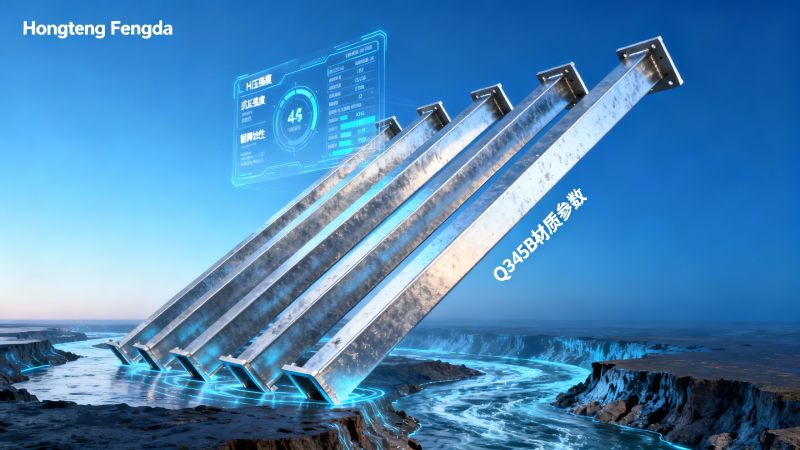
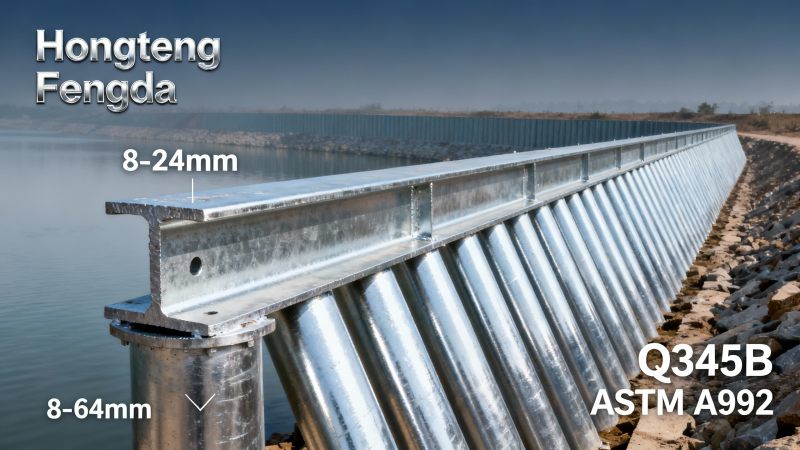
Steel piles serve as the backbone of modern riverbank protection systems. They provide lateral support against soil erosion, water current impact, and heavy structural loads. In environments where hydraulic pressure and soil movement are frequent, the selection of steel pile type—whether tubular, sheet, or H-shaped—dictates project longevity and maintenance frequency. A well-engineered steel pile for riverbank protection must fulfill three essential requirements: corrosion resistance, high compressive strength, and adaptability to installation conditions. Materials like carbon steel for chemical plants are often preferred due to their uniform microstructure and ability to resist corrosive agents, especially when treated with galvanized or epoxy coatings. Moreover, project complexity, river width, and foundation soil type play vital roles in pile selection. Engineers frequently adopt an H-shaped design, such as an H-beam, which offers superior bending resistance and load transfer between structural interfaces. These beams, made from grades such as Q235B, Q345B, or ASTM A572, can be customized with flange thickness from 8 to 64 mm and web thickness from 5 to 36.5 mm, providing both mechanical efficiency and installation simplicity. When combined with proper anchoring and protective layers, they ensure durability in fluctuating moisture and temperature conditions, reducing the risk of deformation over time.
Evaluating Material Types and Performance Parameters
Selecting the appropriate steel pile involves analyzing mechanical and chemical properties in relation to project demands. For riverbank protection, designers should assess yield strength, tensile strength, and toughness. High-grade carbon steel for heavy machinery or stainless variants such as 304 and 316 become ideal for regions exposed to aggressive weather or saline environments. Another performance factor is weldability: piles should allow effective joint welding with standard electrodes or automatic arc processes. For example, Q345B and S275JR compositions feature balanced manganese and silicon content, ensuring optimal fusion and reduced heat-affected zones. Galvanized coatings improve surface hardness, while hot-rolled or cold-rolled manufacturing processes define dimensional precision and structural uniformity. The H-beam family demonstrates these attributes effectively, complying with international standards like JIS G3101, EN10025, and ASTM A992. Its structural efficiency is rooted in an optimized strength-to-weight ratio that minimizes material consumption while achieving maximum load-bearing capacity. For hydroengineering applications, bending resistance and simplified installation contribute to cost savings. When evaluating materials, project managers should not only compare mechanical parameters but also examine the total lifecycle of the structure—coating maintenance, exposure cycles, and fatigue risk must all be calculated for realistic service life predictions extending beyond 30 years.
Key Factors in Steel Pile Selection and Design Optimization
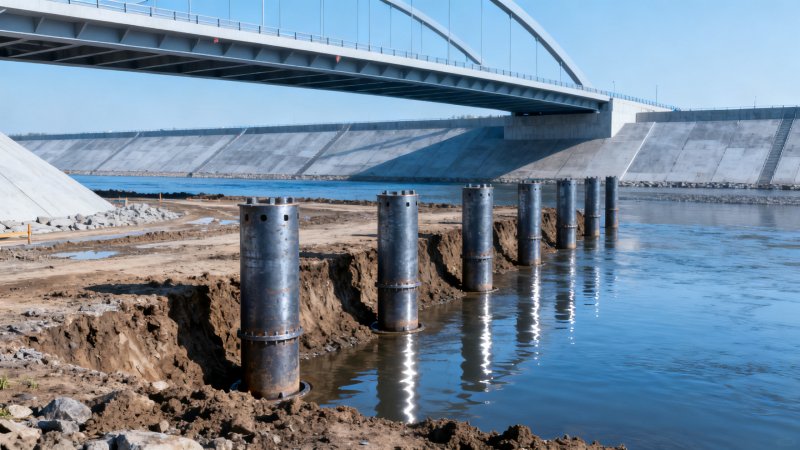
Project managers often face challenges balancing structural integrity with budget efficiency. Proper pile selection requires integrating geotechnical data, hydrodynamic simulations, and design optimization. Start by performing soil penetration tests to determine safe pile bearing capacity, particularly in mixed riverbed compositions containing silt, gravel, and clay. Steel rebar for infrastructure projects may be prescribed as additional reinforcement within the concrete cap to enhance the pile’s flexural strength. For specific regional conditions where seismic activity is a concern, flexible and ductile steels such as A992 or Q460C are recommended. The pile cross-section must also consider lateral loads caused by current velocity, vessel traffic, and flood events. Engineers may run finite element analyses (FEA) to simulate stress concentration areas, adjusting web and flange dimensions to improve performance. Sustainable engineering practices also encourage the use of steel sheet for roofing and steel channel for shelving systems as auxiliary components for drainage structuring around riverbanks. This holistic approach creates an integrated ecosystem where each element—from carbon steel for chemical plants’ pipeline supports to steel bar for transmission towers—plays a role in maintaining structural harmony. Ultimately, prioritizing adaptability, compliance with ASTM and EN standards, and an efficient construction sequence helps minimize project delays and maintenance costs while ensuring stakeholder confidence in long-term results.
Quality Control, Standards, and Environmental Adaptability
Reliable riverbank protection projects require strict adherence to quality control procedures throughout the steel manufacturing process. Professional suppliers utilize continuous inspection systems to verify dimensional accuracy, mechanical test results, and surface treatment quality. Hongteng Fengda’s production framework follows global certification systems such as ISO, enabling traceability across each batch of steel profile for stadium construction or steel rebar for highway construction. Internal laboratory testing includes ultrasonic flaw detection, tensile and yield strength analysis, and salt-spray corrosion tests. Environmental adaptability remains a key metric—products that survive high salinity or water acidity maintain their physical integrity over longer service lifetimes. Carbon steel for heavy machinery must frequently undergo anti-rust coating, and stainless steel models like 316 exhibit high molybdenum content that ensures resistance to marine chloride. To further enhance sustainability, project engineers can specify recyclable materials, allowing deconstruction and reuse in future infrastructure developments. Effective combination of steel rebar for infrastructure projects and steel channel for mezzanine flooring enhances the structural interconnectivity of flood barriers while ensuring feasible maintenance cycles. Ultimately, when paired with high-level engineering and environmental planning, these practices guarantee project sustainability and societal benefit.
Technical Application Case: Implementing Steel Piles in International Projects
Several global examples highlight the efficiency of properly selected steel piles. A recent riverbank protection initiative in Southeast Asia faced severe erosion due to monsoon flooding. Project engineers utilized a combination of hot-rolled steel piles and carbon steel for chemical plants, treated with epoxy coatings for anti-corrosion security. Over 1,000 tons of reinforced profiles, including steel sheet for roofing auxiliary structures and steel bar for transmission towers to support nearby power facilities, were integrated seamlessly. The installation was completed within 90 days, demonstrating the benefit of modular design and precise scheduling. Measured lateral displacement along the protected embankment reduced by 45%, indicating exceptional material stiffness. Similarly, in Europe, the adoption of certified steel profile for stadium construction pieces helped reduce logistics waste and on-site welding time by 20%, reinforcing the importance of pre-verified manufacturing partners. These success stories underline how product selection, supplier competence, and coordinated project execution determine outcome reliability. Hongteng Fengda’s international footprint ensures stable supply chains, allowing procurement officers and quality supervisors to minimize logistical risks. Its diversified product range—from structural beams and channels to OEM custom solutions—supports clients building not only riverbank fortifications but also bridges, highways, and industrial plants around the world.
Market Trends and Future Outlook for Steel Pile Technology
With the ongoing demand for coastal and inland flood defenses, the market for steel pile for riverbank protection is projected to grow steadily. Innovations in material coating, welding automation, and intelligent monitoring systems are redefining infrastructure resilience. Digital integration, including IoT-based stress sensors, allows departments to evaluate pile deformation in real-time, improving preventive maintenance. The expansion of urbanization into flood-prone zones requires durable and cost-effective solutions, making steel rebar for highway construction and carbon steel for heavy machinery integral to modern civil works. Moreover, new alloys provide reduced mass without compromising strength, supporting eco-friendly and time-efficient constructions. As decarbonization becomes a strategic goal, manufacturers are reducing carbon emissions through optimized furnace technology and energy recycling within production lines. For project managers, these technological benefits translate into enhanced predictability, shorter supply lead times, and improved compliance with environmental regulations. Global procurement leaders now view supply chain transparency and zero-defect delivery as decisive criteria for partnership. Manufacturers who can demonstrate a combination of engineering expertise, sustainable sourcing, and precise delivery schedules—such as Hongteng Fengda—will remain vital contributors to global infrastructure growth.
Conclusion and Professional Consultation
Choosing the correct steel pile is not merely a technical decision; it is a strategic investment in safety, durability, and project efficiency. Whether applying steel channel for shelving systems, carbon steel for chemical plants, or structural members for engineering complexes, the guiding principle remains the same: align material performance with environmental and operational demands. Hongteng Fengda stands as a reliable partner for businesses seeking consistent steel pile for riverbank protection quality and delivery assurance. By adhering to global certifications and integrating modern manufacturing processes, the company ensures optimal mechanical performance across its products. Project managers, procurement officers, and quality controllers looking to strengthen infrastructure protection can benefit from professional consultation, tailored supply programs, and OEM customization. Contact Hongteng Fengda today to discuss how our structural steel solutions and technical expertise can enhance your next construction project, safeguard river ecosystems, and deliver measurable value through performance-driven design and execution.
- ASTM A572
- structural steel
- Structural Steel
- Profile
- Rebar
- H-beam
- Galvanized
- Steel Channel
- carbon steel
- steel sheet
- steel rebar
- steel profile
- steel pile
- steel bar
- steel rebar for infrastructure projects
- carbon steel for heavy machinery
- Steel Channel for mezzanine flooring
- steel bar for transmission towers
- steel pile for riverbank protection
- steel profile for stadium construction
- steel rebar for highway construction
- steel sheet for roofing
- carbon steel for chemical plants
- Steel Channel for shelving systems
Related recommendations
 How to Judge if Steel Sheet for Construction Fits Roofing or Wall CladdingSteel sheet for construction: learn how to judge thickness, coating, profile, and load performance for roofing or wall cladding, and choose a durable, cost-effective fit.
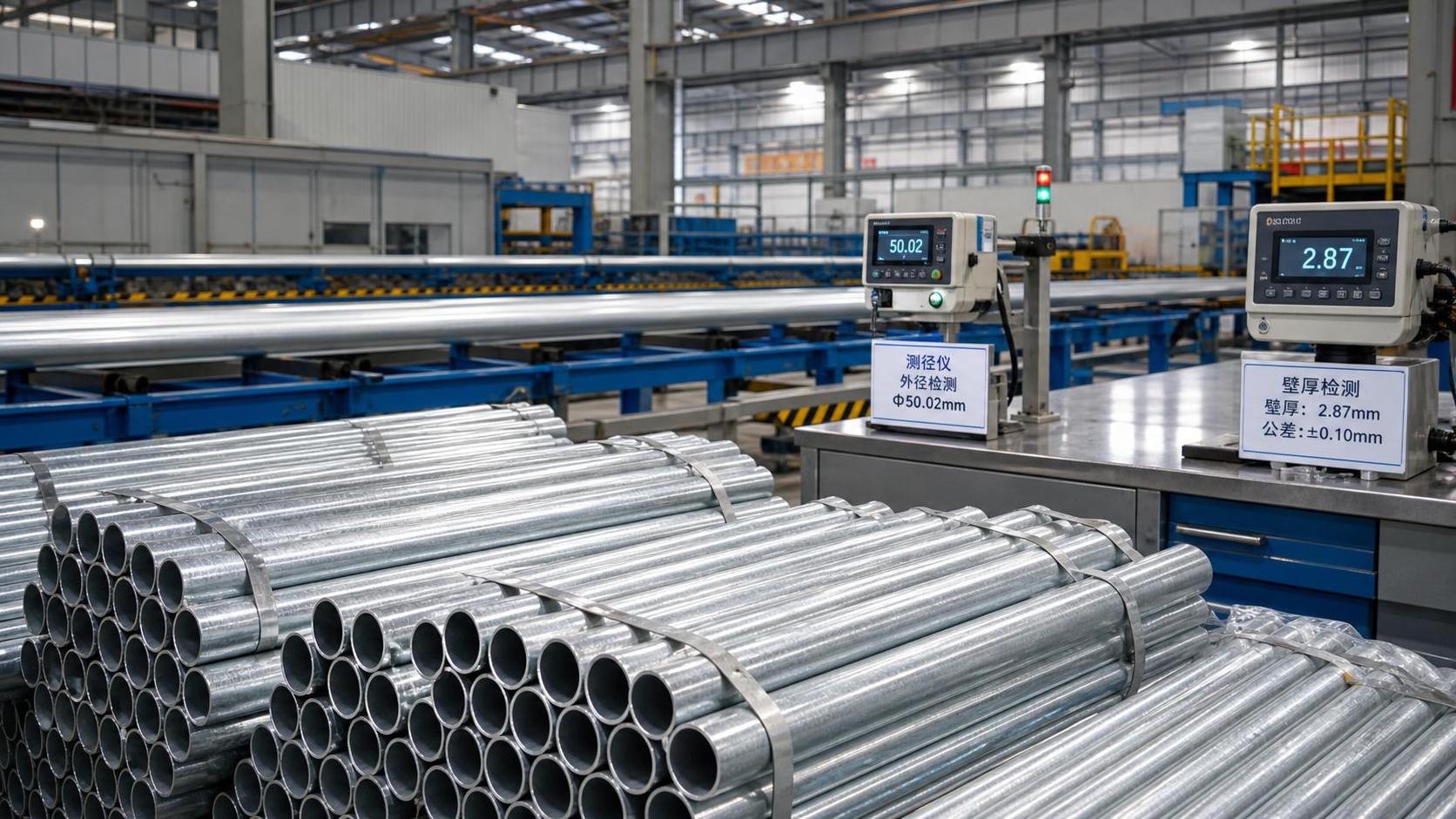
 Galvanized Pipe Manufacturer Selection: Zinc Coating, Tolerance, and ComplianceGalvanized pipe manufacturer selection guide: compare zinc coating quality, tolerance control, and compliance to reduce risk and choose a supplier that delivers reliable steel products.
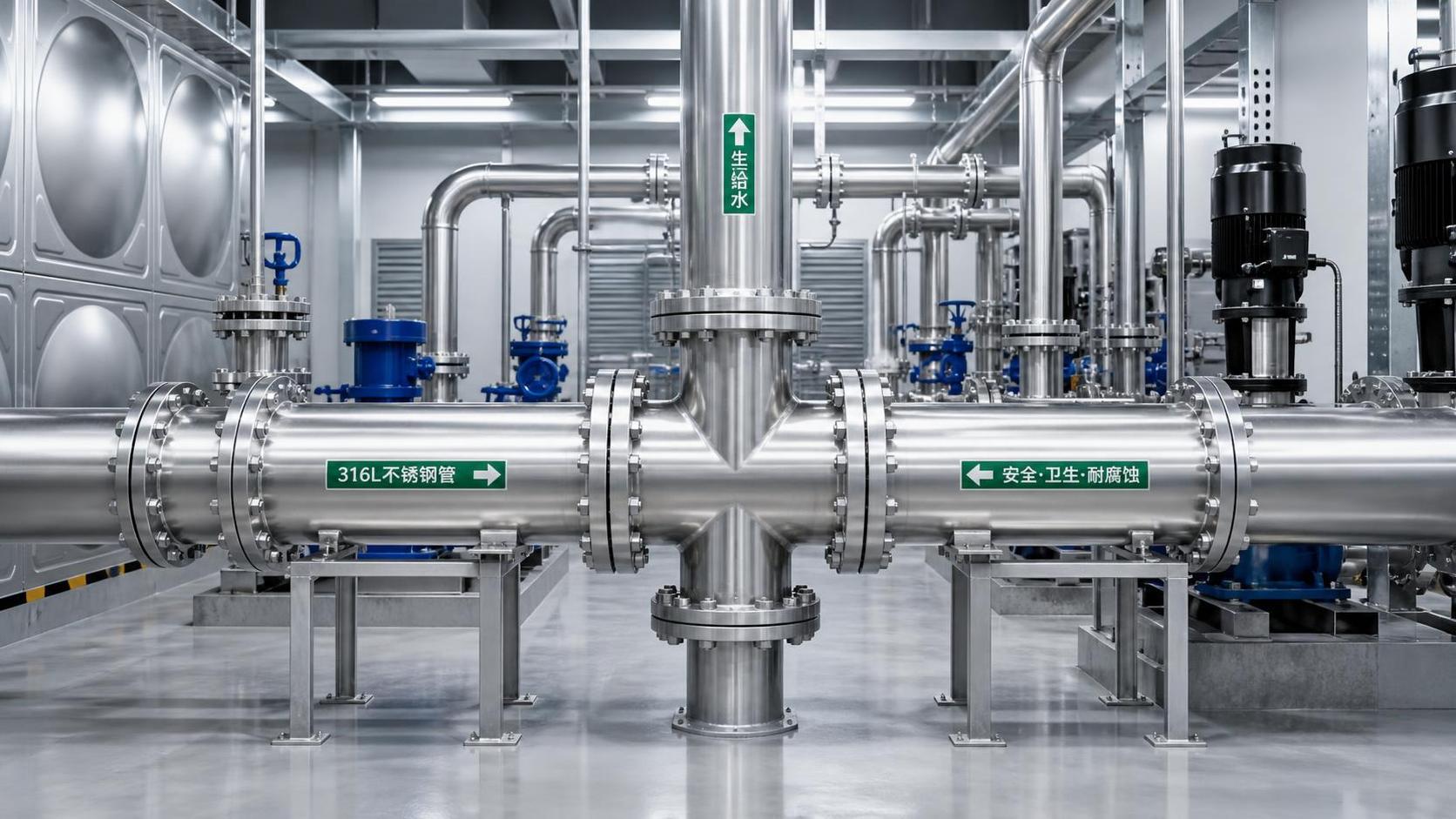
 How to Choose SS Pipe for Water Supply in Corrosion-Prone BuildingsSS pipe for water supply selection guide for corrosion-prone buildings. Compare 304 vs 316 grades, water chemistry, specs, and lifecycle cost to choose a safer, longer-lasting system.
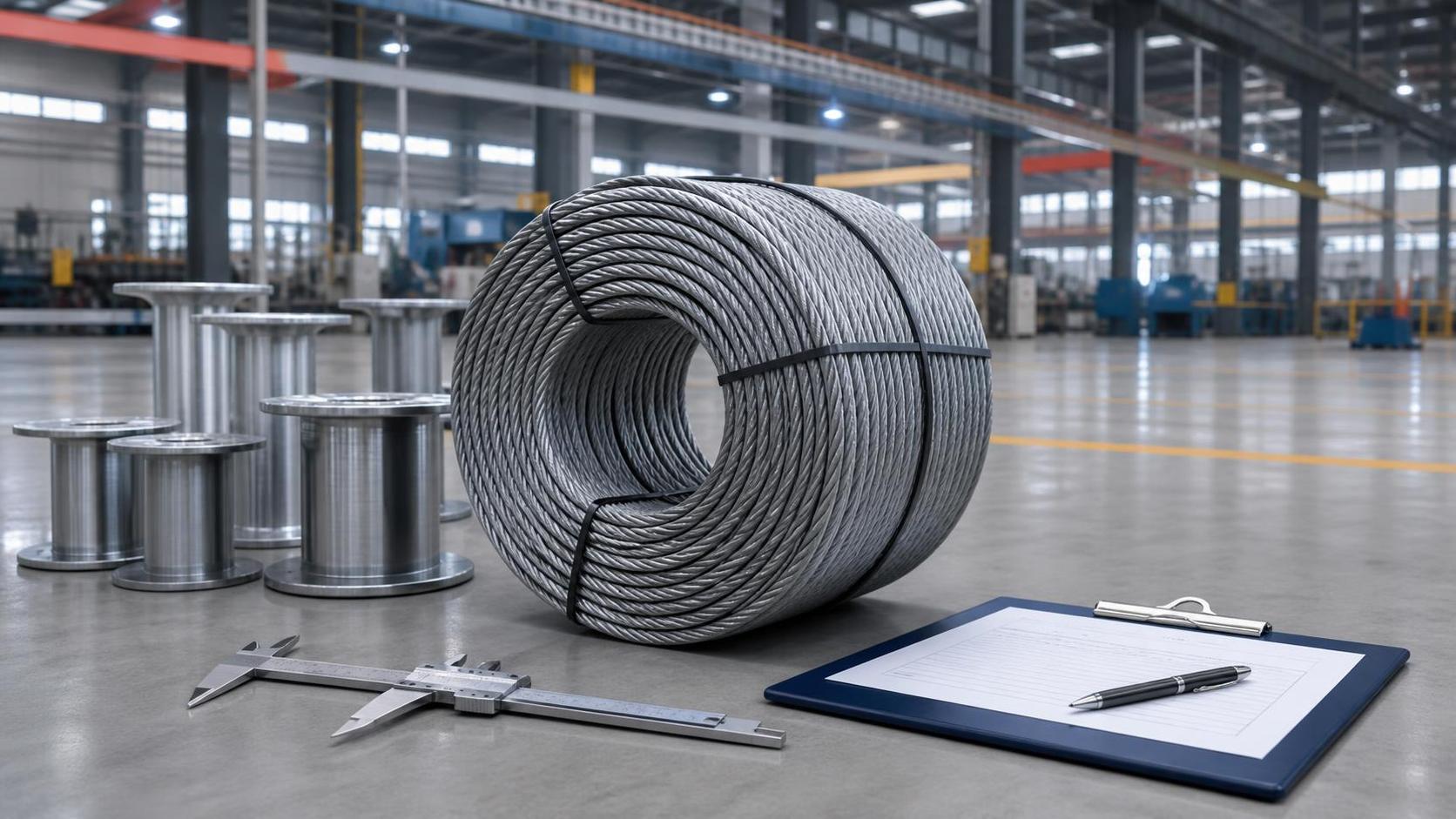
 Steel Wire Rope Manufacturer Standards That Matter in Lifting ApplicationsSteel wire rope manufacturer standards for lifting: learn how to assess traceability, testing, compliance, and real quality control before choosing a safer, more reliable supplier.
Please give us a message


Please enter what you want to find