Planning steel structure construction for stadiums requires careful attention to design, material selection, and long-term safety performance. From Z150 steel sheet for military applications to Hot Rolled I Beam for structural support and C section steel for trailer manufacturing, each choice influences structural integrity and project success. As a leading Structural Steel Manufacturer & Exporter from China, Hongteng Fengda provides high-quality ASTM steel beam and customizable steel profiles for automotive industry and commercial buildings, helping global partners minimize risk and ensure reliable stadium construction outcomes.
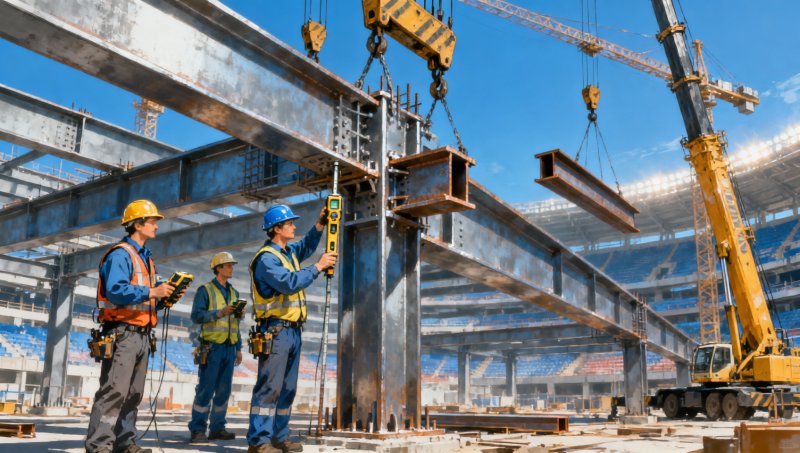
1. Understanding the Risk Landscape in Stadium Steel Construction
Constructing a large stadium is one of the most complex civil engineering tasks. Steel structures often contain over 10,000 tons of materials, involving thousands of joints and welds. Any design flaw, incorrect load calculation, or material inconsistency can lead to structural imbalance or long-term deformation. Identifying and mitigating these risks early helps project managers avoid rework costs that may exceed 8–12% of total structural expenditure.
Major risks include material selection errors, fabrication deviations greater than ±2 mm, improper corrosion protection, and inaccurate load transfer between roof trusses and support columns. In stadiums seating more than 50,000 spectators, wind load and seismic resistance become critical to ensure compliance with GB50009 and EN1993 standards. Material testing frequency every 500 tons of steel is a common requirement to maintain consistency.
For international projects, variation in regional standards such as ASTM, JIS, and EN introduces additional complexity. Professional suppliers like Hongteng Fengda implement multi-standard quality systems and traceable batch management, which reduce coordination risk across international design teams.
Common Structural Risks
- Inaccurate load estimation and deflection control.
- Improper welding processes leading to cracks or porosity.
- Corrosion due to inadequate coating or galvanizing layers below 80 µm.
- Delayed delivery of large-span components affecting assembly sequence.
- Poor alignment deviations exceeding 4 mm in bolted joints.
Each stadium project should incorporate digital modeling to simulate structural behavior under variable loads over 30 years of service life, a practice that reduces unforeseen deformation by approximately 20% compared with conventional planning.
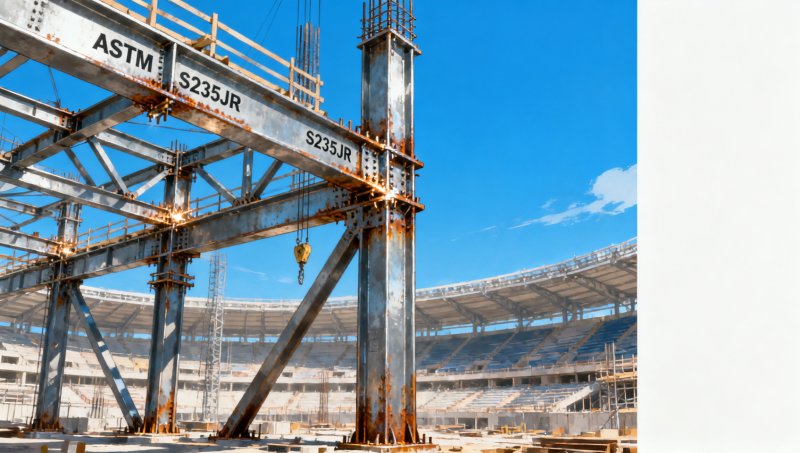
2. Material Selection: Balancing Strength, Weight, and Economy
Steel selection directly affects the stadium's life span and safety margin. Structural members used in roofing or spectator tiers often rely on ASTM A36, Q235, or S355 grades, offering yield strengths ranging from 235 MPa to 460 MPa with elongation beyond 22%. Selecting carbon steel or low-alloy steel depends on balancing tensile requirements with fabrication convenience and cost efficiency.
Medium-thickness plates (8–25 mm) and H-beams are widely adopted for main supports, while cold-formed sections (C/Z profiles) are suited for purlins and roof bracing. The density of common carbon steel, approximately 7.85 g/cm³, ensures both rigidity and manageable weight during hoisting.
For contractors seeking durable yet versatile materials, products from the Carbon Steel Plate Manufacturer series—especially models A36, Q235, and S235JR—are suitable for building frames, vehicle chassis, and bearing plates. With a yield strength of 235 MPa and tensile range of 375–500 MPa, these plates meet international standards such as ASTM, EN, and JIS.
The following table summarizes key mechanical parameters to guide selection for large-span stadium structures:
From this comparison, Q235 and S235JR provide balanced mechanical properties ideal for stadium frameworks, offering a practical mix of strength, ductility, and weldability within a cost-effective range.
3. Design and Fabrication Risk Control
Design optimization and accurate fabrication are essential to sustaining performance over decades. Digital modeling tools such as Tekla and Revit allow engineers to visualize deformation tolerance within ±3 mm at joints. Control measures during fabrication include dimensional inspection of every 100 assemblies and weld ultrasonic testing at a 10% sampling rate for secondary connections.
Hongteng Fengda applies CNC plasma cutting and automatic submerged arc welding to achieve consistent seam quality. Each beam is subject to pre-shipment inspection including straightness tolerance ≤ L/1000 and residual stress assessment. This ensures compatibility between design modeling and actual assembly performance.
Fabrication control also extends to surface treatment. The thickness of galvanization or painting—typically 80–120 µm—extends corrosion resistance by up to 15 years in outdoor stadium environments exposed to humidity levels over 70%. Welding process certification according to AWS D1.1 and EN 1090-Part 2 remains mandatory.
Key Quality Checkpoints
Consistent monitoring across these checkpoints minimizes rework during on-site assembly and helps maintain schedule compliance within ±10 days of the projected timeline for projects exceeding 30,000 square meters.
4. Construction and Assembly Phase Risks
During stadium erection, logistical synchronization is as critical as engineering design. Lifting capacity of cranes (100–600 tons), wind conditions (<8 m/s during hoisting), and bolt pre-tension values (110–150 kN for M30 bolts) must be monitored closely. Improper torque application can compromise structural stability by 5–8% in load-bearing joints.
Pre-assembly tests are recommended when the span exceeds 60 meters. This helps verify geometry deviations before final mounting. Continuous inspection using laser alignment systems ensures column verticality within 1/1000 of total height, a tolerance that supports efficient roofing installation.
As optional structural components, carbon steel plates from the Carbon Steel Plate Manufacturer offering can serve as bottom plates or brackets for temporal platforms. Their weldability and formability allow flexible adjustments during field modifications without deteriorating tensile strength.
Assembly Control Recommendations
- Deploy GPS-based lifting sequence monitoring to track component positioning accuracy.
- Utilize preloaded torque wrenches with accuracy of ±5% for critical joints.
- Verify bolt type and grade (usually 10.9 high-strength bolts) for load transmission reliability.
- Conduct daily temperature and humidity checks to ensure coating cure conditions.
- Implement safety radius control of at least 5 m per 10 m hoisting height during lift.
These measures not only safeguard workers but also help maintain precision and minimize costly downtime during large-scale steel assembly.
5. Maintenance, Lifecycle, and Long-Term Risk Planning
Once operational, stadium steel structures require continuous monitoring. Regular inspections every 12 months and repaint cycles every 8–10 years extend lifespan beyond 40 years. Fatigue analysis under cyclic loads, especially from dynamic crowds or roof-mounted equipment, ensures no premature cracking or weld fatigue occurs.
Preventive maintenance should include ultrasonic testing of critical joints and reapplication of anti-corrosion coatings when thickness drops below 70 µm. For exposure categories under ISO 12944 C4–C5, humidity and saline conditions demand more frequent monitoring cycles, typically every 6 months in coastal climates.
Digital twin monitoring systems now provide real-time data on structural stress distribution. Using 20–30 sensors across main trusses enables predictive maintenance to detect anomalies when load deviation exceeds 5% from design specifications.
Lifecycle Maintenance Checklist
- Annual inspection cycle covering at least 12 structural checkpoints.
- Repainting or galvanization reapplication every 10 years.
- Load reassessment after every major event exceeding 80% occupancy.
- Deformation survey using drones or laser scanning biannually.
- Documentation review aligned with ISO 3834 for weld maintenance traceability.
Long-term risk management ensures structural resilience and protects capital investments exceeding USD 100 million in large stadium projects.
6. Procurement and Partnership Strategy for Structural Steel Projects
Selecting trustworthy manufacturing partners significantly influences project performance and budget control. Reputable suppliers maintain ISO 9001-certified production and deliver traceable heat numbers along the logistic chain. Hongteng Fengda leverages a stable monthly output exceeding 30,000 tons, ensuring supply for overlapping large projects across continents.
When evaluating supply partners, procurement officers should assess at least four criteria—production capacity, standard compliance, delivery lead time, and technical service. Typical lead time for customized beams ranges from 25–35 working days, depending on section complexity and surface finishing requirements.
Documentation such as mill test certificates (MTCs), third-party test reports, and welding procedure specifications (WPS) should accompany each batch. These records simplify project audits and ensure transparent traceability from steel mill to construction site.
Procurement Evaluation Table
Such structured evaluation promotes consistent quality, minimizes procurement risk, and enables long-term cooperation across multiple projects within a given investment cycle.
Conclusion and Action Guidance
Planning steel structure construction for stadiums demands precise coordination across design, material procurement, fabrication, and assembly. Through the right material selection—such as Q235 or S235JR carbon steel plates—and a disciplined quality control system, risks related to deformation, corrosion, and fatigue can be significantly reduced.
Hongteng Fengda stands ready as a trusted structural steel manufacturer and exporter from China, providing project-based technical consultations, customized steel profiles, and reliable logistics solutions for global partners. Our experience across North America, Europe, and Asia ensures international-standard delivery and dependable performance for large-scale stadium projects.
Contact our engineering team today to discuss your upcoming project requirements, obtain a tailored quotation, and receive professional guidance on selecting optimal steel solutions for stadium construction.
- steel i
- h beam
- carbon steel plate manufacturer
- carbon steel plate
- steel construction
- Z150 steel sheet
- Hot Rolled I Beam
- ASTM A36
- structural steel
- C section steel
- steel profiles
- ASTM steel beam
- Steel structure construction
- Structural Steel
- ss plate
- steel plate
- Profile
- H-beam
- Steel Beam
- carbon steel
- steel sheet
- steel profile
- Steel structure construction for stadiums
- Steel profiles for automotive industry
- C section steel for trailer manufacturing
- Hot Rolled I Beam for structural support
- Z150 steel sheet for military applications
Related recommendations
 What Affects the Cost of Galvanized Steel in Fabrication Projects?Galvanized steel costs vary far beyond raw material price. Learn how coating, steel grade, fabrication, logistics, and hidden quote items affect project budgets before you buy.
 Steel Wire Strand Applications in Lifting and Support: Key Load and Safety ConsiderationsSteel wire strand selection for lifting and support starts with real load, fatigue, corrosion, and anchoring conditions. Learn how to improve safety, service life, and structural reliability.
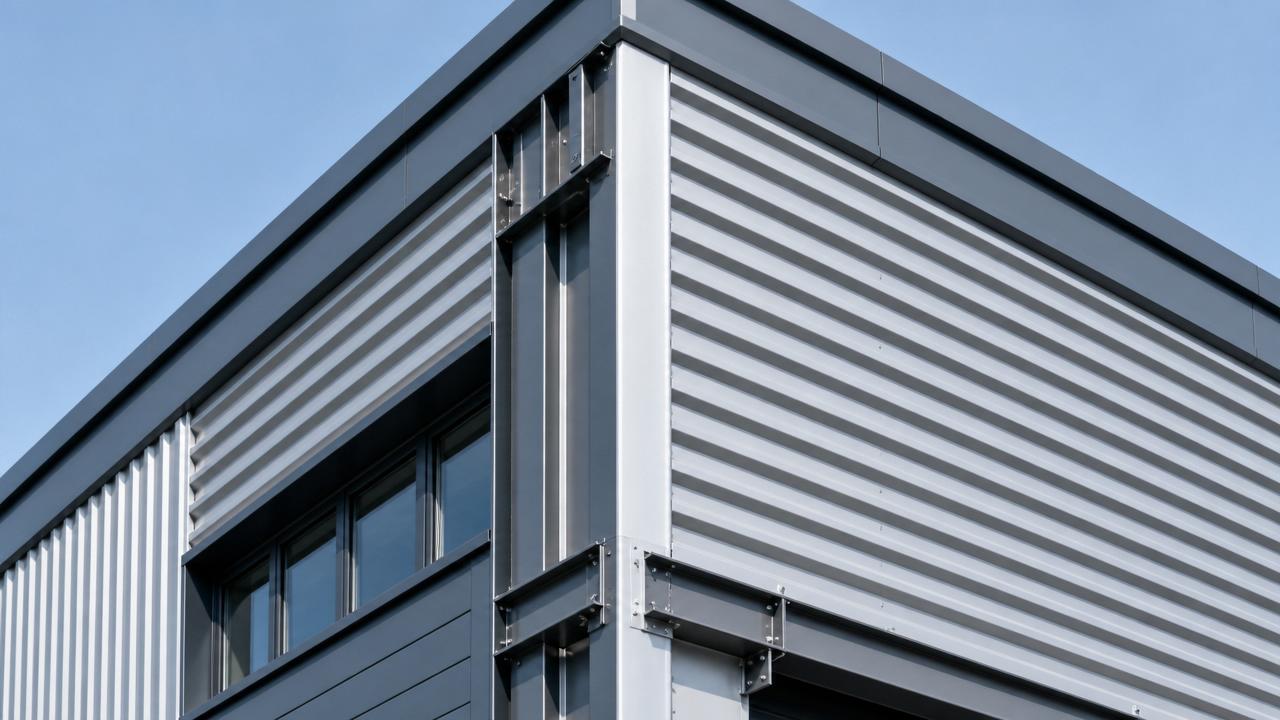
 Architectural Steel Angle in Facades, Edges, and Clean LinesArchitectural steel angle improves facade edges, clean lines, and structural precision. Discover how it supports durability, faster installation, and smarter project control.
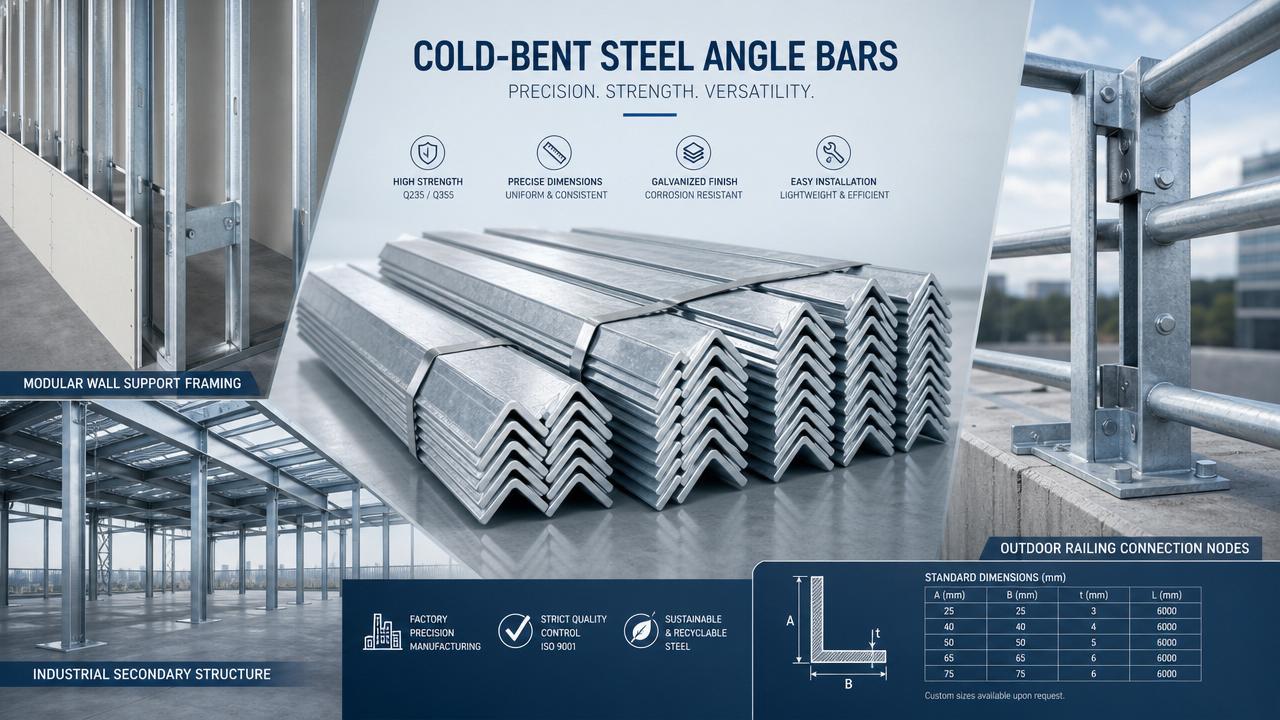
 Where Cold Formed Steel Angle Works Best in Modern BuildsCold formed steel angle works best in modular builds, secondary framing, and utility supports. Learn where it adds value, what to verify, and how to choose the right profile with confidence.
Please give us a message


Please enter what you want to find