Emerging Trends in High-Precision Steel Profiles for Automotive Chassis Systems
As the automotive industry moves toward lightweight, high-performance designs, steel innovation is shaping the future of chassis systems. From Z150 steel sheet for military applications to precision-engineered steel profiles for automotive industry use, manufacturers are leveraging advanced materials and hot rolled I beam solutions to enhance strength and efficiency. Hongteng Fengda, a leading structural steel manufacturer and exporter from China, continues to develop tailored ASTM steel profile and C section steel products that meet rigorous standards for modern vehicles and structural applications.
The development of automotive chassis materials reflects the industry's broader shift from conventional high-weight designs toward integrated, high-strength, and modular architectures. High-precision steel profiles have become central to achieving weight reduction targets of 10–15% per vehicle, improving both energy efficiency and crash resistance. In this transformation, Chinese manufacturers like Hongteng Fengda are playing a significant role by combining metallurgical expertise with digital manufacturing efficiency.
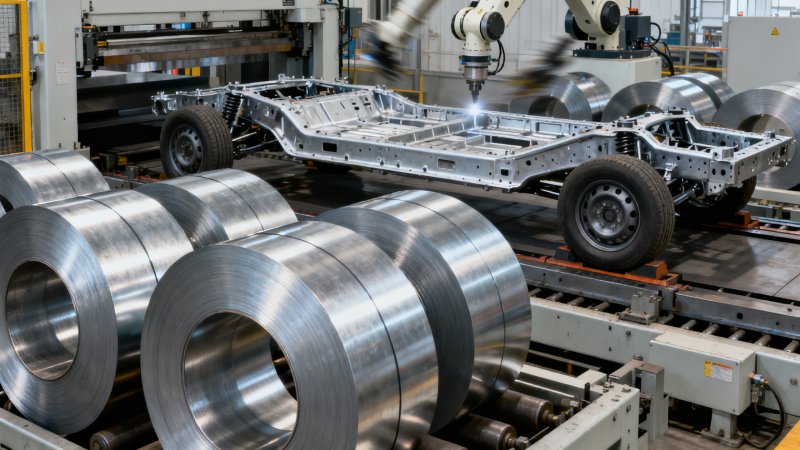
High-Precision Steel Profiles: Core Functions and Material Advantages
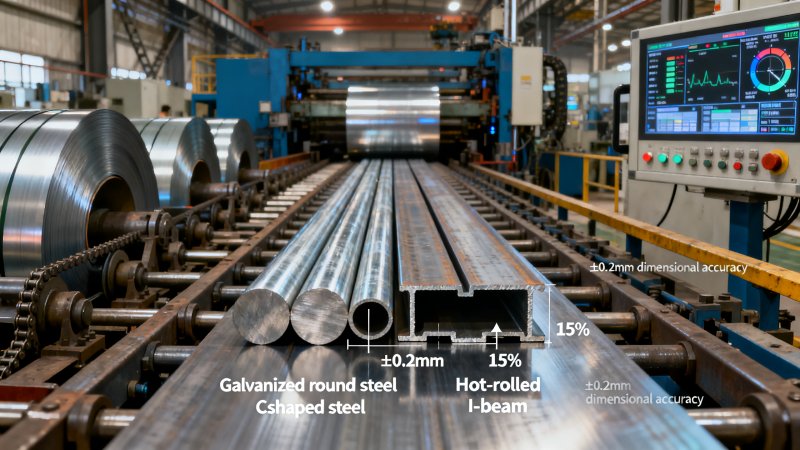
High-precision steel profiles integrate advanced rolling, cold-forming, and galvanizing processes to achieve superior dimensional tolerance, typically within ±0.2 mm. These profiles enable automotive OEMs to build chassis systems with optimized stiffness-to-weight ratios and longer fatigue life under dynamic load conditions. Such innovations are critical for electric vehicle (EV) platforms, where battery weight distribution requires extremely stable base structures.
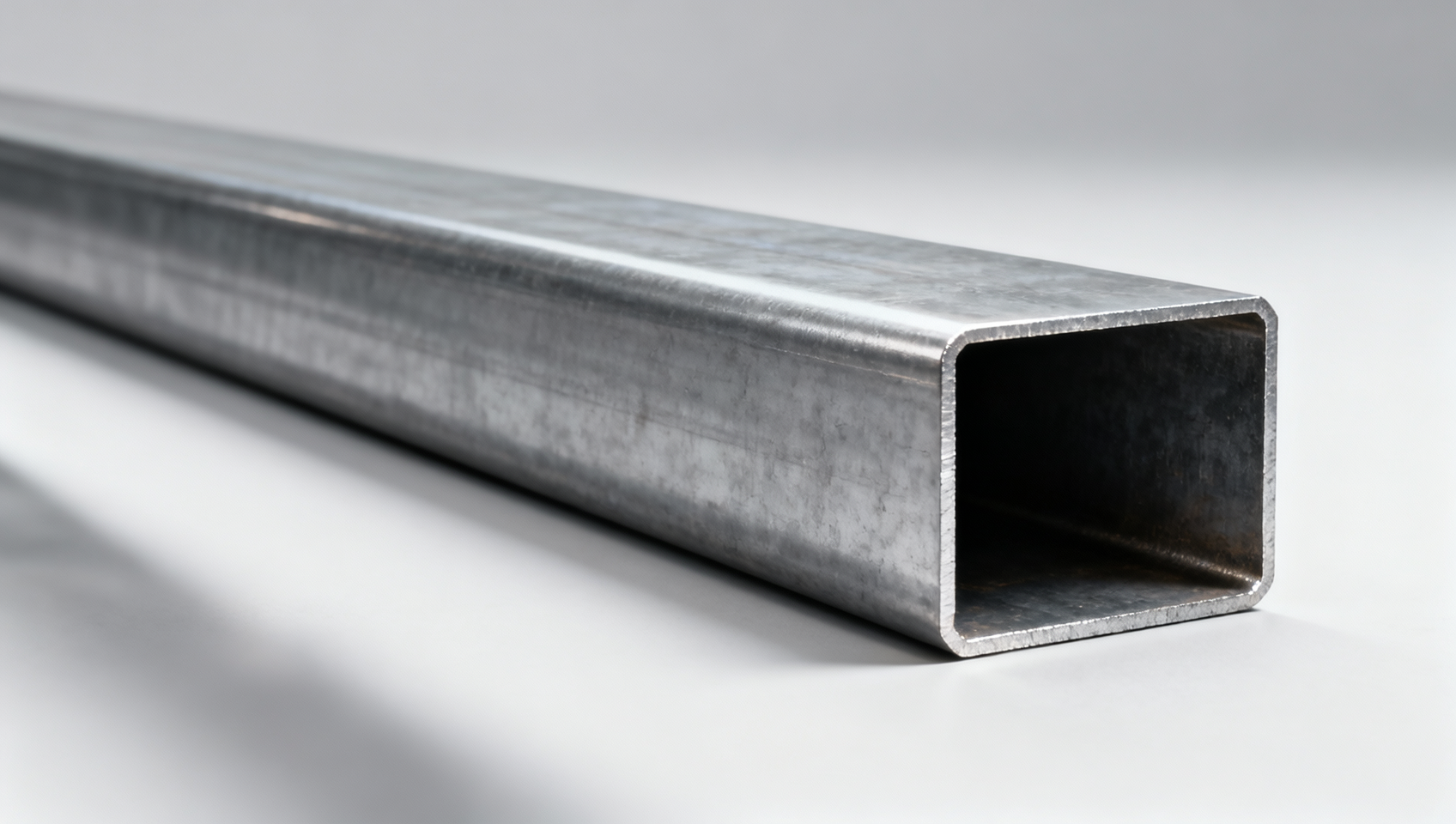
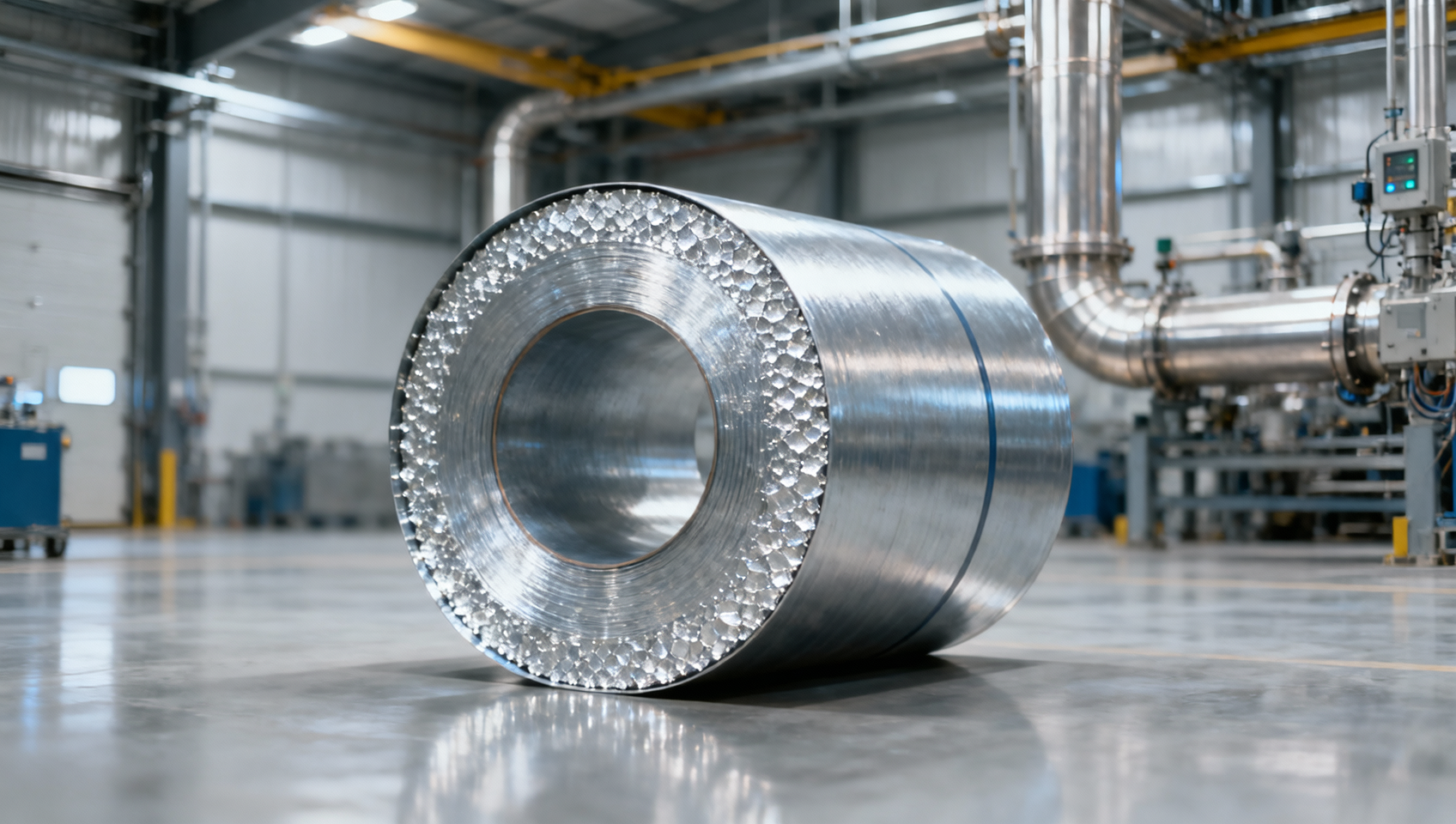
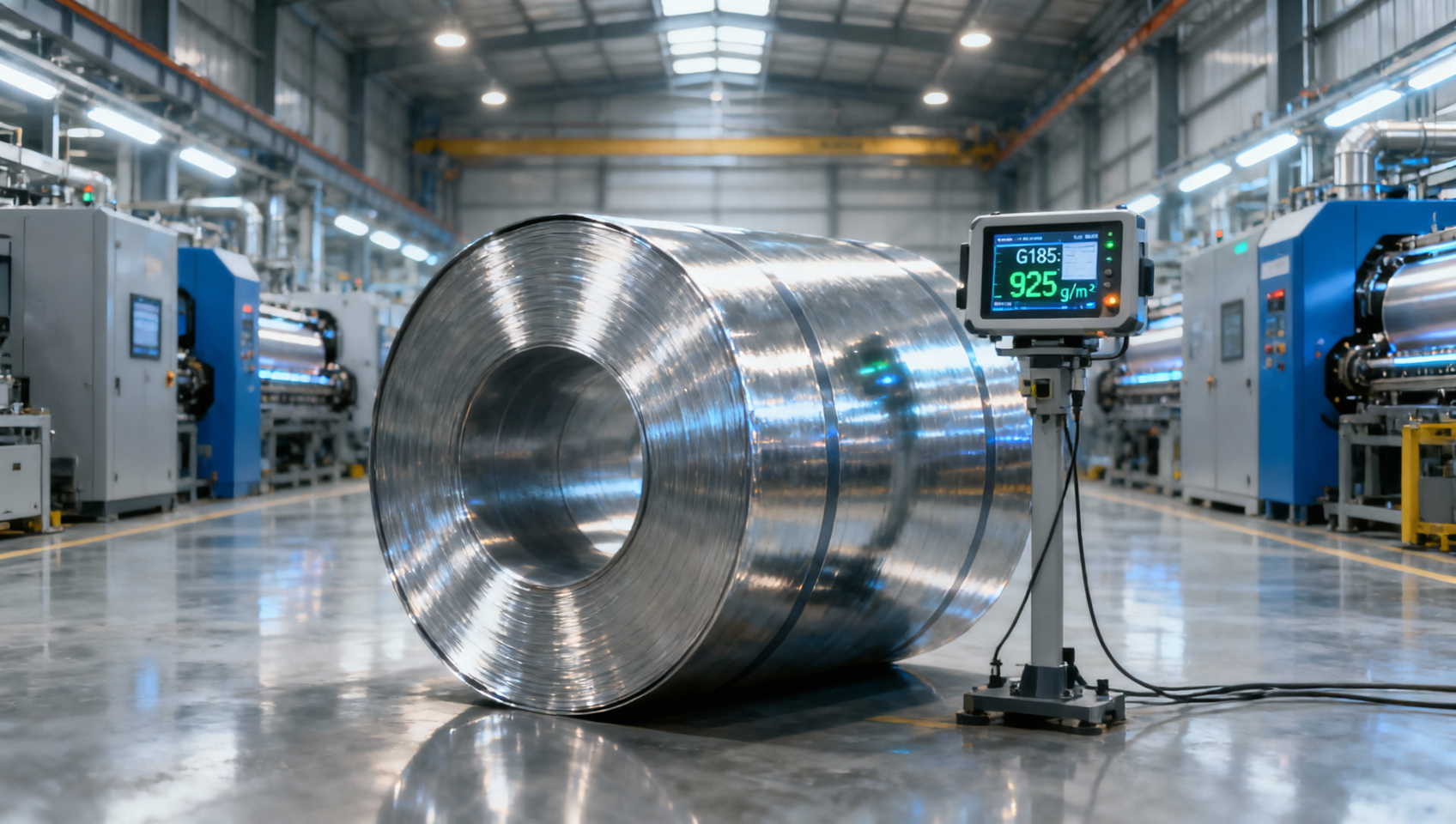
Among high-performance materials, galvanized steel types—such as DC01-grade profiles—offer impressive tensile strengths ranging from 570–820 MPa. When paired with heat treatments including spheroidizing and quenching, these steels enhance both machinability and corrosion performance. A representative example is the Galvanized Round Steel, designed for multi-sector use from automotive connectors to industrial fasteners, offering a long anti-corrosion lifespan and adherence to standards such as ASTM, EN, and JIS.
Below is an overview table summarizing the main performance indicators that make high-precision steel profiles suitable for chassis applications.
Data shows that improving tolerance precision by just 0.1 mm can reduce post-weld distortion rates by up to 25%, reducing chassis realignment steps. The combination of high tensile integrity and galvanizing technology directly translates to lower lifecycle maintenance costs and longer service intervals.
Key Manufacturing Innovations Driving Precision Steel Development
Automotive steel manufacturers are continuously deploying digital manufacturing lines equipped with ultrasonic inspection and surface control devices to achieve real-time quality assurance. Hongteng Fengda integrates straightening, milling, and chamfering systems to maintain dimensional reliability within 1/100 of nominal diameters. This automation allows for batch consistency across up to 5,000 tons per month of exported steel products.
Five critical innovations currently shaping this sector include:
- Integration of real-time in-line spectrotest verification to prevent alloy mixing errors.
- Adoption of AI-driven rolling calibration to maintain shape consistency under varying feed rates (±3%).
- Deployment of modular tooling systems that reduce profile switchover times from 45 to 18 minutes.
- Use of vacuum-assisted annealing that promotes grain uniformity, leading to up to 12% higher fatigue endurance.
- Closed-loop galvanization control maintaining bath temperature within ±2°C to ensure coating homogeneity.
Together, these approaches help car manufacturers meet expansion needs for electric and hybrid models where part uniformity, tight tolerances, and fatigue resistance directly influence driving stability and battery protection.
Applications and Integration Scenarios in Automotive Chassis
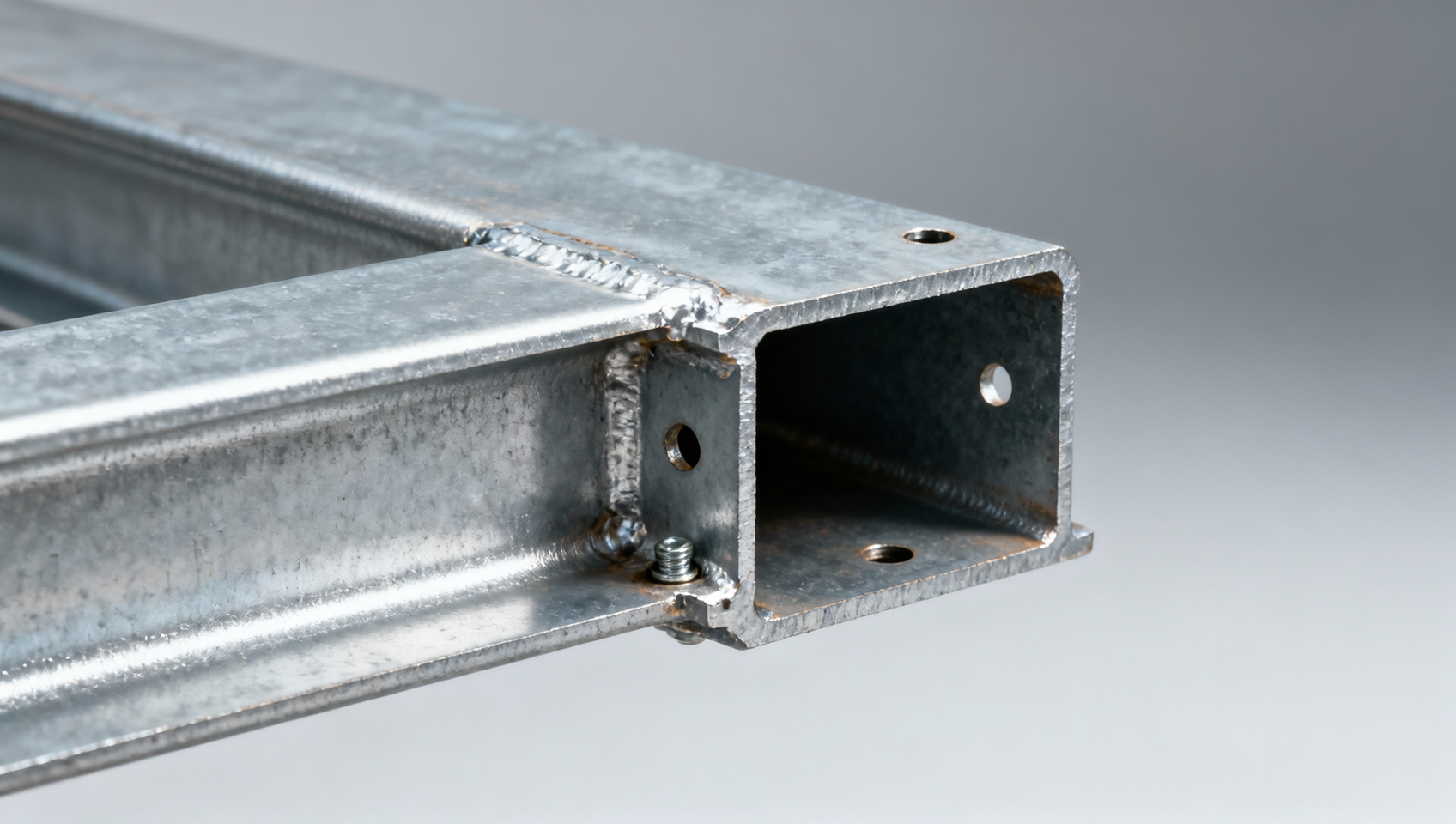
High-precision steel profiles find extensive integration across structural nodes—particularly in cross-members, suspension arms, and battery enclosures. Dimensional reliability enables precise joint fit-up with robotic welding systems, minimizing residual stress zones by 10–20%. This consistency supports uniform crash deformation response and enhanced energy dissipation.
The following table illustrates typical material utilization scenarios and performance requirements in different chassis components:
This systematic integration helps OEMs achieve longer fatigue life cycles—up to 2 million test loads in simulated mission profiles—while maintaining consistent weld integrity and reducing rejection rates below 0.5% across production lines.
For multiple automotive sub-assemblies, the adoption of precision steel parts such as the Galvanized Round Steel provides a balance of mechanical strength and corrosion prevention. With iron-based materials and hot galvanizing coatings, these components adapt to a wide range of environmental conditions—performing reliably in temperature ranges from -40°C to +120°C.
Procurement Standards and Quality Control Considerations
Procurement teams must carefully evaluate steel suppliers based on measurable production metrics and traceability controls. The following four dimensions form the basis of a robust steel sourcing strategy:
- Compliance with recognized standards such as ASTM, EN, JIS, and GB for consistent material specification across multi-regional projects.
- Dimensional validation ensuring straightness deviations ≤0.5 mm/m and diameter out-of-roundness ≤50% of tolerance value.
- Process documentation, including furnace charts and galvanizing bath records, ensuring every batch traceability from billet to final profile.
- Third-party certification verifying ultrasonic test coverage above 95% of the section depth.
In standard inspection protocols, manufacturers should perform yield and tensile testing every 10 tons of output, combined with visual surface inspections at intervals of 30 minutes. This systematic QA frequency supports consistent output quality and reduces reclamation cost ratios by 8–12% over a 12-month cycle.
Future Prospects: Smart Manufacturing and Sustainable Steel Development
The next decade will see high-precision steel manufacturing converge with Industry 4.0 technologies. Predictive analytics and digital twins will optimize alloy selection, enabling a projected 20% material utilization improvement. Moreover, circular steel production powered by renewable energy will reduce CO₂ emission intensity by 30–40% per ton of steel produced.
Lightweight vehicle design will likely require the hybrid use of ultra-high-strength steel (UHSS) exceeding 980 MPa in tensile strength and advanced corrosion treatment exceeding 1,000-hour salt spray durability. Manufacturers with integrated galvanization and mechanical finishing units—like Hongteng Fengda—are positioned to provide fully customized steel solutions aligned with evolving global sustainability standards.
FAQ: Practical Questions for Buyers and Engineers
How can engineers ensure stable performance under diverse environmental conditions?
Galvanized and heat-treated profiles maintain stable performance over temperature cycles from -40°C to 250°C. The anti-corrosion lifespan often exceeds 15 years under typical highway and marine exposure levels.
What is the typical delivery cycle for customized steel profiles?
Lead times generally range from 25–40 days depending on section complexity, galvanizing thickness, and logistics destinations. Bulk shipments over 100 tons can adopt staggered delivery cycles for project-based release.
What inspection methods are most effective for precision chassis steel?
Recommended tests include ultrasonic inspection, eddy-current crack detection, and 3D geometry scanning. Automated systems can record over 1,000 data points per profile to verify conformity.
How can buyers choose between cold-formed and hot-rolled profiles?
Cold-formed profiles provide excellent dimensional control for smaller chassis parts, while hot-rolled beams are ideal for heavy-load components requiring thickness above 6 mm. The selection depends on mechanical design parameters and assembly accuracy requirements.
Conclusion: Partnering for Next-Generation Steel Solutions
As automotive platforms evolve toward modular, electrified, and intelligent systems, the role of precision steel profiles will continue to expand. Hongteng Fengda supports global carmakers and industrial buyers through high-quality product lines, consistent international compliance, and efficient logistics management across more than 20 countries.
With extensive production capacity, tested reliability, and a solution-oriented approach, Hongteng Fengda enables project managers, procurement specialists, and engineering teams to reduce sourcing risks and maintain long-term performance stability. To explore precision-engineered steel solutions tailored to your automotive projects, contact Hongteng Fengda today and obtain customized configurations that align with your technical and commercial goals.
- channel steel
- steel i
- steel supplier
- hot galvanizing
- steel suppliers
- galvanized steel
- Z150 steel sheet
- Hot Rolled I Beam
- structural steel
- C section steel
- steel profiles
- ASTM steel profile
- Structural Steel
- Profile
- Galvanized
- steel sheet
- steel profile
- Steel profiles for automotive industry
- Z150 steel sheet for military applications
Related recommendations
 Why do 20 feet square pipe prices vary significantly between inland and port-adjacent warehouses?20 feet square pipe price varies by location—discover why port-adjacent warehouses often deliver better total cost, speed & ROI. Get the finance-approved breakdown.
 Do the advantages of galvanized steel outweigh long-term maintenance costs in humid industrial zones?Advantages of galvanized steel in humid industrial zones? Yes—when engineered right. Discover how proper specification cuts long-term maintenance costs by 2–3×.
 How much longer does galvanized steel sheet for roofing last compared to painted steel in humid tropicsgalvanized steel sheet for roofing lasts 2–3× longer than painted steel in humid tropics—25–40 vs. 10–15 years. Proven durability, zero scheduled maintenance, and lower lifecycle cost.
 Why galvanized steel sheet price per ton fluctuates beyond raw material costsGalvanized steel sheet price per ton fluctuates due to coating specs, order volume, logistics & certifications—not just zinc. Discover actionable cost levers.
Please give us a message


Please enter what you want to find