Estimating ROI when choosing carbon steel for chemical plants is crucial for ensuring long-term efficiency and cost-effectiveness. High-performing materials such as carbon steel for chemical plants, steel channel for shelving systems, and steel rebar for infrastructure projects can directly impact project durability and maintenance costs. As a trusted structural steel manufacturer and exporter, Hongteng Fengda helps global clients optimize investment returns by supplying certified products—ranging from steel sheet for roofing to steel pile for riverbank protection—tailored to demanding industrial requirements. Selecting the appropriate structural materials not only ensures safety and reliability but also maximizes financial performance by extending service life and minimizing maintenance downtime. This article explores practical strategies for estimating ROI when selecting carbon steel solutions, guiding buyers, project managers, and decision-makers across the chemical, industrial, and construction sectors.
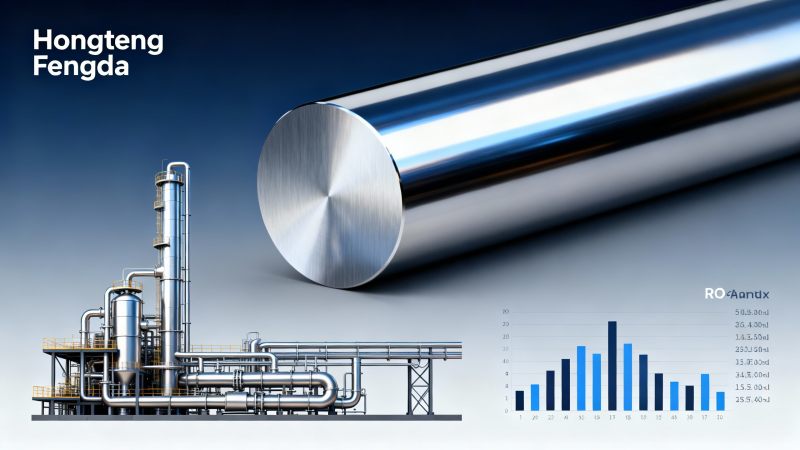
Understanding ROI in Material Selection for Chemical Plants
When decision-makers evaluate carbon steel for chemical plants, they must consider the total cost of ownership rather than focusing solely on initial procurement expenses. ROI, or Return on Investment, measures how much financial gain a project achieves after accounting for costs like material purchase, fabrication, transportation, installation, and lifecycle maintenance. In chemical plants, where reactive compounds and high temperatures are common, the selection of materials such as carbon steel plays a decisive role in both performance and safety. High-quality steel components from suppliers like Hongteng Fengda, compliant with ASTM, EN, JIS, and GB standards, ensure that plants maintain operational stability even under harsh conditions.
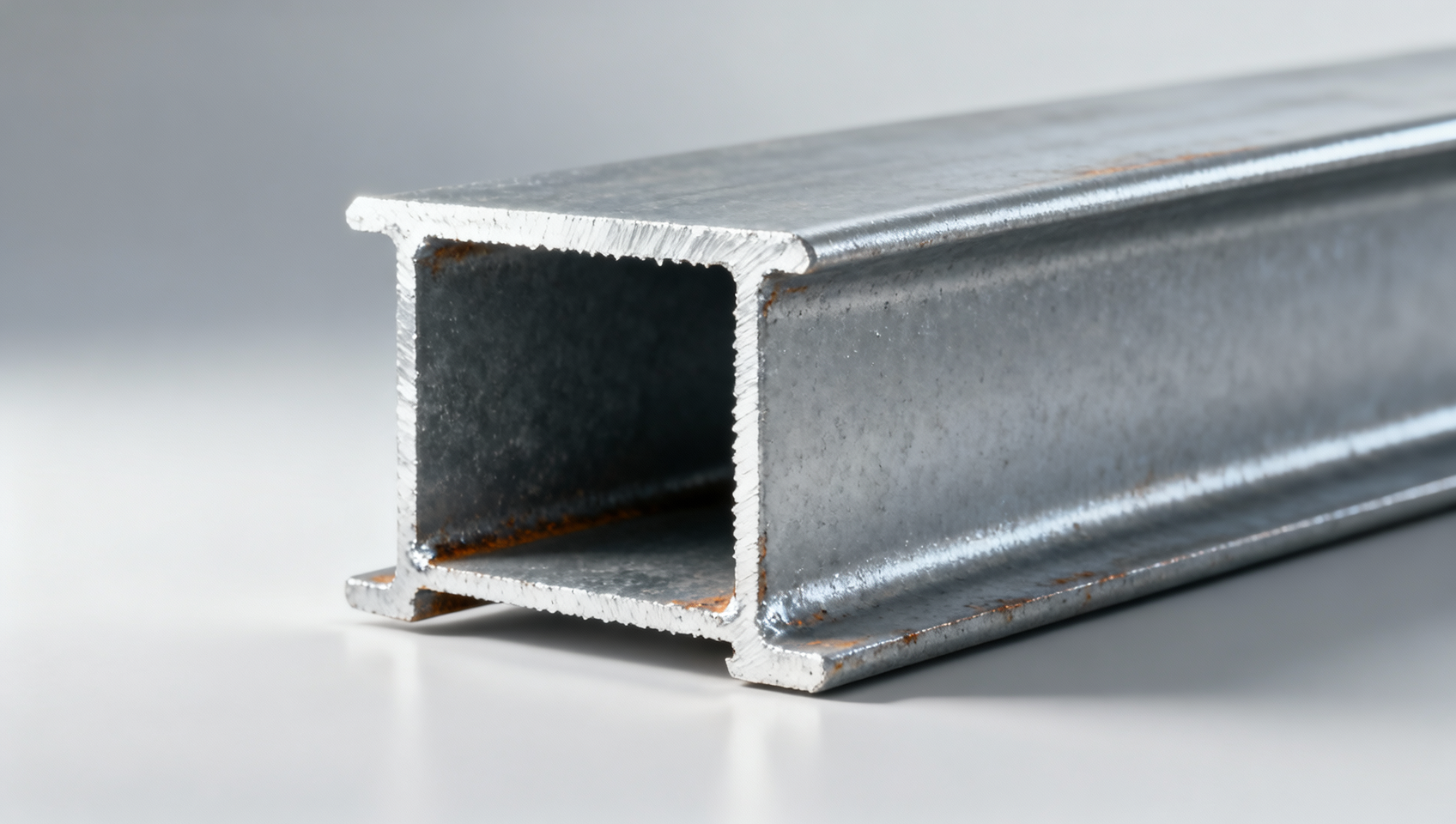
A proper ROI estimation involves variables such as expected service life, corrosion resistance, and productivity improvement from less downtime. For example, compared to low-grade alternatives, certified structural carbon steel for heavy machinery often offers a 20–40% longer lifespan and reduced maintenance frequency. Furthermore, ROI can be influenced by modular design compatibility, where using Steel Channel for mezzanine flooring or customized profiles allows easier scalability and lower re-engineering costs. The integration of these factors into the financial model ensures a realistic assessment of future value creation, transforming the material selection process into a strategic investment decision.
Key Cost Drivers and Performance Metrics
To accurately estimate ROI, enterprises must assess both direct and indirect cost drivers throughout the steel’s lifecycle. Direct costs include purchase price, logistics, fabrication, and installation, while indirect factors encompass energy consumption, repairs, downtime, and replacement frequency. Carbon steel for chemical plants is valued for its adaptability, tensile strength, and balanced cost-performance ratio. However, environmental conditions like humidity, acidity, and operational temperature can significantly impact ROI if not managed with proper design and protection.
For instance, protective coatings and galvanization can extend steel’s corrosion resistance by several years. Hongteng Fengda’s specialized coating processes, such as hot-dip galvanizing, greatly improve longevity and return efficiency for systems facing corrosive media. In applications ranging from steel bar for transmission towers to steel profile for stadium construction, enhanced finishing technologies reduce structural fatigue, improve load-bearing characteristics, and ensure sustainability. Engineers also utilize lifecycle cost analysis (LCCA) tools to simulate different material scenarios, allowing project stakeholders to link technical properties to quantifiable ROI metrics, thus creating an evidence-based procurement framework.
Case Study: Optimizing Investment with Durable Steel Solutions
A typical example can be observed in a Southeast Asian chemical plant that replaced uncertified beams with strong carbon steel products from Hongteng Fengda. Initially, the switch required a 15% higher investment, yet after five years of operation, maintenance costs dropped by 40% and production downtimes were halved. The resulting cumulative ROI exceeded 25%, demonstrating how higher-grade structural steel can offer superior financial outcomes over time. Similarly, the use of steel rebar for highway construction and steel sheet for roofing in infrastructure projects shows that optimizing the quality-to-cost ratio is a better long-term strategy than minimizing upfront budgets.
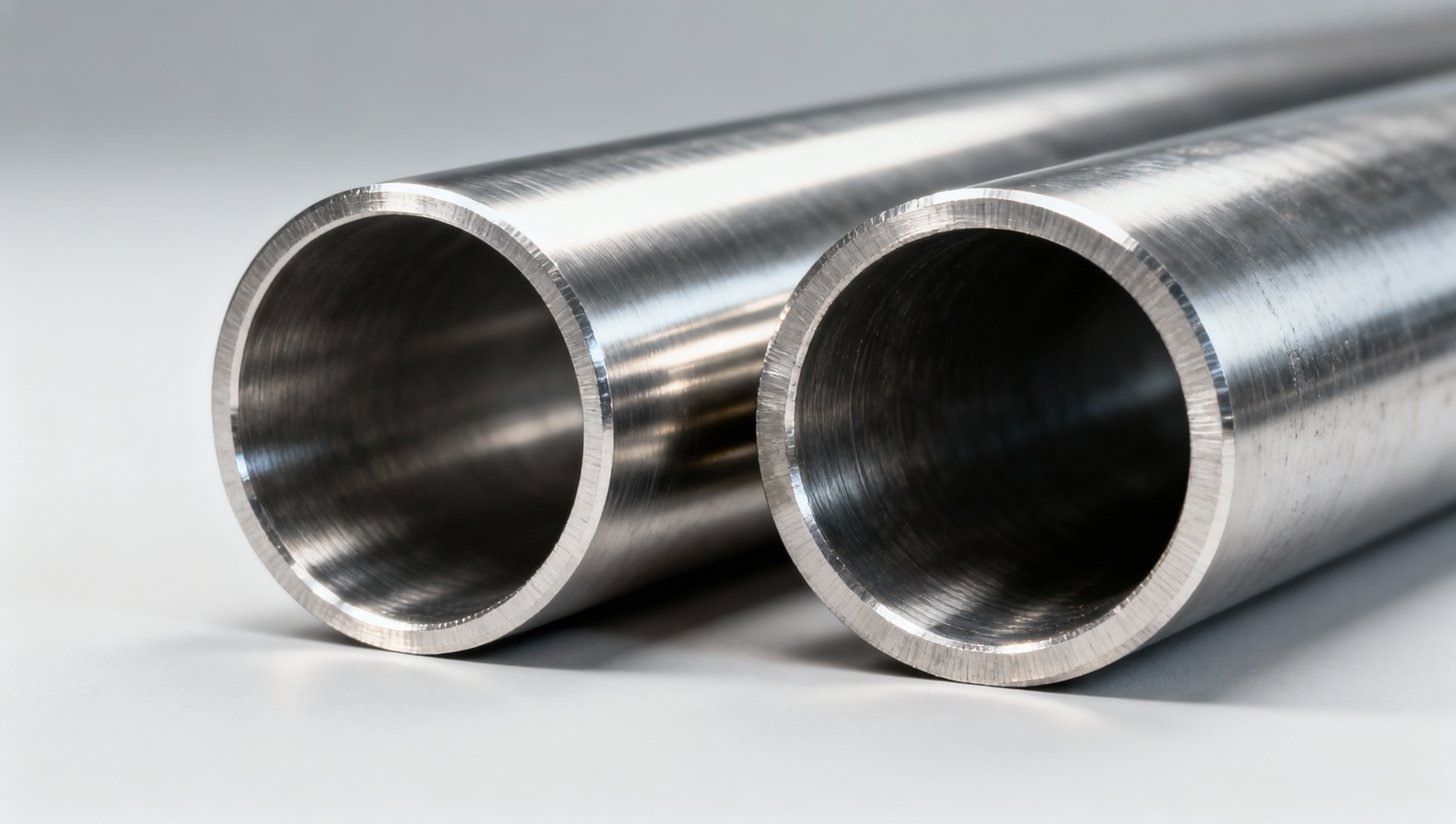
In addition, specialized materials like Galvanized Pipe (Model DX52D) play an essential role in pipelines, supporting frames, and cooling systems within chemical and petroleum facilities. Made from galvanized steel, it features top coats and color back coats that improve corrosion resistance and extend lifespan by minimizing rust formation. Typical applications include oil heaters, condensation coolers, and civil chimneys. The product’s availability in versatile sizes and international specifications such as ASTM, JIS, and EN ensures compatibility with various industrial standards. This directly influences ROI because it decreases failure rates, simplifies maintenance schedules, and enhances equipment uptime.
Integrating Quality Standards into Long-Term ROI Models
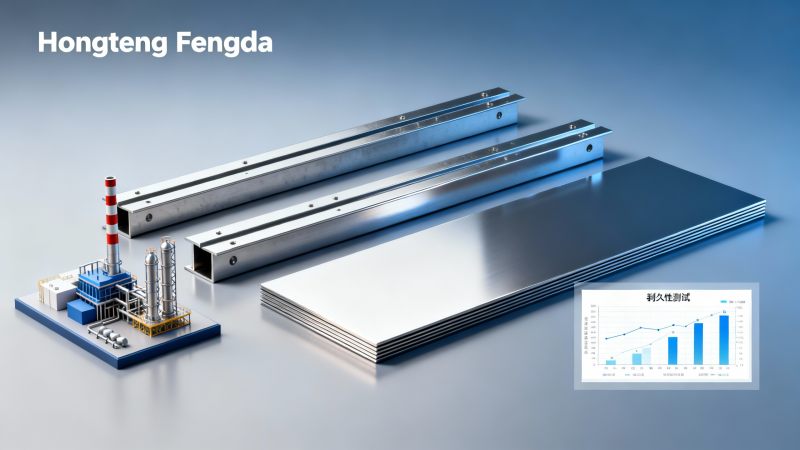
International standards are more than regulatory checkmarks—they are key enablers of long-term economic performance. For buyers evaluating steel pile for riverbank protection or steel channel for shelving systems, compliance with robust manufacturing norms signifies measurable reliability. Hongteng Fengda’s structural steel solutions are developed under advanced production lines with consistent metallurgical control, guaranteeing that every beam, coil, or profile meets precision criteria. In chemical plant projects, this ensures consistent weldability and dimensional stability, both of which significantly reduce rework, which in turn enhances ROI.
Moreover, incorporating a multi-criteria performance model allows engineers to weigh cost-saving benefits across the full lifecycle. For example, facilities that adapted certified carbon steel for heavy machinery observed improved mechanical resistance, longer fatigue life, and reduced overhaul intervals. A 10-year projection can showcase savings in spare parts, labor hours, and production interruptions. Integrating these results into a visualized ROI dashboard facilitates communication between engineering and finance teams. The combination of traceable production data, material certifications, and sustainability credentials further reflects a company’s commitment to excellence and cost optimization over decades of operation.
Market Outlook and Strategic Evaluation for Buyers
Demand for durable carbon steel in the chemical and industrial sectors is expected to expand steadily due to global infrastructure development, industrial modernization, and heightened safety requirements. Procurement teams must stay informed about market fluctuations in raw materials and environmental policies impacting the steel sector. Strategic sourcing from proven manufacturers like Hongteng Fengda enables buyers to secure supply stability, competitive pricing, and full technical support. As global projects increasingly adopt sustainable engineering principles, selecting steel that balances recyclability with strong ROI outcomes becomes central to value management.
End-users in industries such as power generation, mining, and construction value products like Galvanized Pipe and steel rebar for infrastructure projects for their resilience and compliance with green-building initiatives. Furthermore, advances in manufacturing processes are driving the emergence of lighter yet stronger steel channel configurations—ideal for shelving systems, mezzanine flooring, and modular structure upgrades. By situating investment decisions within a global performance context, companies gain insight into how innovative product design and sustainable production practices translate into tangible ROI improvements.
Conclusion: Strengthening Capital Efficiency with Reliable Steel Solutions
Estimating ROI in the selection of carbon steel for chemical plants is a multidisciplinary task that requires collaboration among engineers, financial analysts, and procurement managers. It goes beyond simple arithmetic to involve material science, process optimization, and reliability engineering. The evidence demonstrates that durable and certified steel, including carbon steel for chemical plants, greatly contributes to asset longevity, safety, and efficiency. From the steel sheet for roofing that protects critical facilities, to the steel profile for stadium construction that symbolizes architectural ambition, every choice adds a layer of measurable value.
Hongteng Fengda remains committed to delivering superior-quality structural steel products meeting ASTM, EN, JIS, and GB standards. With advanced production capabilities and stringent quality assurance, the company supports global clients in achieving reliable ROI, whether they operate in heavy industry, infrastructure, or energy sectors. By aligning high engineering performance with financial predictability, businesses can turn material selection into a strategic growth lever. Contact Hongteng Fengda today to explore tailored solutions and discover how professional steel engineering can maximize the long-term returns on your next investment.
- steel i
- galvanized pipe
- galvanized steel
- structural steel
- Structural Steel
- Profile
- Rebar
- Galvanized
- Steel Channel
- carbon steel
- steel sheet
- steel rebar
- steel profile
- steel pile
- steel bar
- steel rebar for infrastructure projects
- carbon steel for heavy machinery
- Steel Channel for mezzanine flooring
- steel bar for transmission towers
- steel pile for riverbank protection
- steel profile for stadium construction
- steel rebar for highway construction
- steel sheet for roofing
- carbon steel for chemical plants
- Steel Channel for shelving systems
Related recommendations
 How long does acero prepintado retain gloss and color stability in direct desert sunlight?Acero prepintado gloss & color stability in desert sun? Discover real-world performance data, PVDF vs. polyester longevity, and spec-critical insights for GCC projects.
 Does acero pregalvanizado maintain coating integrity after cold bending to 90 degrees?Acero pregalvanizado maintains coating integrity after 90° cold bending — when engineered right. Discover how Hongteng Fengda guarantees real-world performance, adhesion & corrosion resistance.
 Do the advantages of galvanized steel include reduced fire risk compared to untreated carbon steel?Advantages of galvanized steel include measurable fire-risk reduction vs. untreated carbon steel—learn how zinc delays ignition, buys critical escape time, and enhances safety without false 'fireproof' claims.
 How much does 2 inch ss pipe price increase when upgrading from Schedule 40 to Schedule 80 for high-pressure systems?2 inch ss pipe price increases 18–35% when upgrading from Sch 40 to Sch 80—discover why, when it’s truly needed, and how to avoid overpaying.
Please give us a message


Please enter what you want to find