Global Overview: Steel Sheet for Roofing Price Trends in 2025
The 2025 market outlook for steel sheet for roofing reveals shifting price dynamics, evolving demand patterns, and emerging supply risks that are shaping global procurement strategies. For professionals sourcing steel rebar for infrastructure projects, steel channel for shelving systems, or carbon steel for chemical plants, understanding these market movements is vital. As construction and industrial needs continue to expand, Hongteng Fengda provides reliable steel solutions—ranging from structural profiles to customized components—that help global partners manage costs, quality, and delivery schedules effectively.
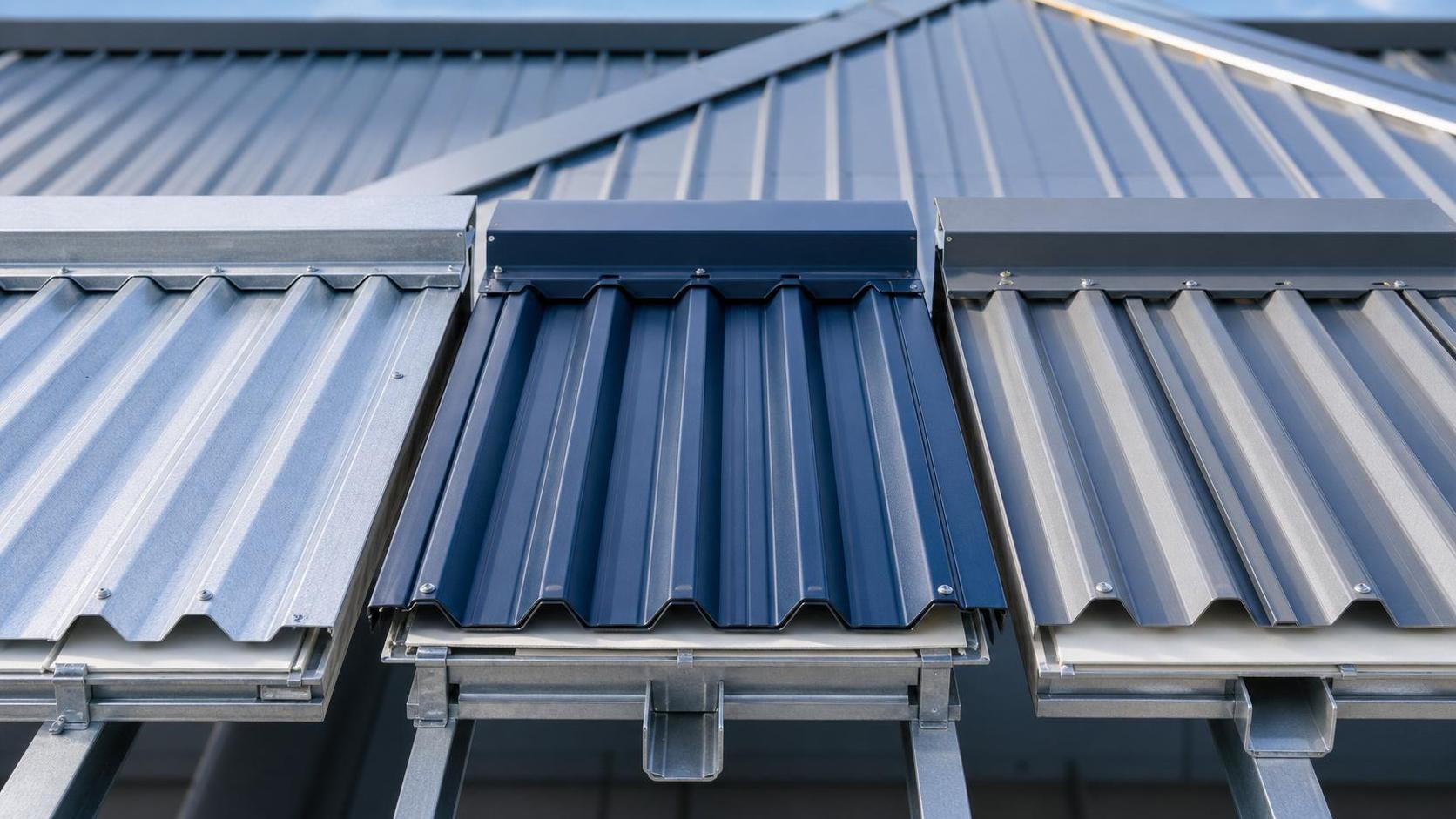
Globally, the steel industry in 2025 faces a complex balance between strong demand recovery and restrained supply capacity. Price volatility in steel sheet for roofing materials is primarily driven by energy costs, iron ore and coking coal prices, and policy regulations affecting environmental standards. The roofing sector in particular is seeing an increased preference for coated and weather-resistant materials, which has encouraged investments in advanced steel processing technologies. End users in high-demand markets such as Southeast Asia, the Middle East, and North America are paying close attention to steel sheet pricing trends to optimize sourcing cycles and mitigate sudden cost fluctuations.
In the first quarter of 2025, international trading data showed that average steel sheet for roofing prices rose moderately by 3%–5% year-on-year. This was influenced by infrastructure stimulus policies and the rebound of residential construction in multiple regions. However, analysts expect the second half of the year to bring certain corrections as supply from major steel-producing nations, including China and India, stabilizes. Architects, project contractors, and steel structure manufacturers need to consider these variations when planning procurement, especially for long-lead-time projects. Reliable suppliers such as Hongteng Fengda play a critical role in maintaining pricing transparency and stable delivery schedules.
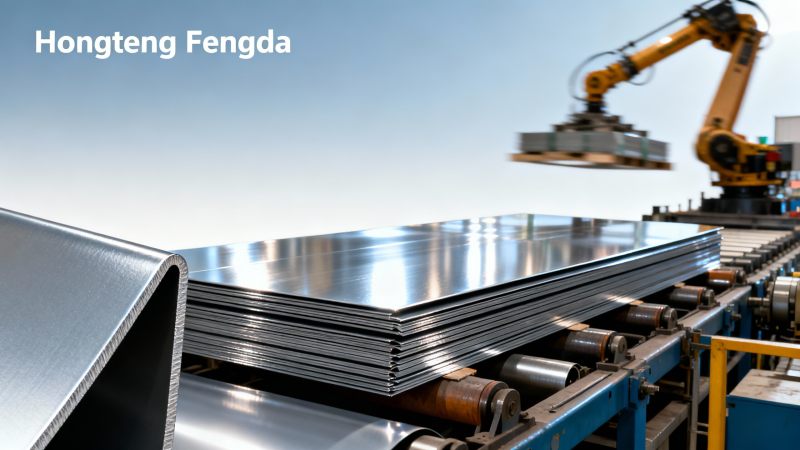
Supply Chain Dynamics and Emerging Risks
The supply chain environment for steel sheet for roofing in 2025 is being reshaped by three main forces: geopolitical factors, logistics disruptions, and the global transition toward green steel production. Shipping routes in Asia and Europe have faced periodic delays, while raw material exports have been limited by policy adjustments in source countries. Manufacturers producing steel channel for mezzanine flooring or steel pile for riverbank protection are encountering similar challenges, where material availability directly affects construction schedules. Procurement professionals are increasingly turning to suppliers with integrated production bases and export capabilities to reduce dependencies on intermediaries.
Hongteng Fengda, with its advanced structural steel production facilities, maintains robust inventory and export logistics systems that ensure reliable international supply. The company’s operations adhere to major global certifications, including ASTM, EN, JIS, and GB. This consistency supports customers in critical sectors such as power transmission, chemical plants, and large infrastructure projects. Products like 321 Stainless Steel Pipe demonstrate technical performance optimized for high-temperature and corrosive environments such as heat exchangers and chemical industries. Its titanium-stabilized composition provides superior oxidation resistance, which is crucial for petrochemical and construction applications where durability and maintenance predictability drive total cost efficiency.
Emerging risks also include currency fluctuations and varying carbon cost regulations. Countries setting stringent emission limits are gradually imposing carbon tariffs, which could affect the cross-border competitiveness of carbon steel for heavy machinery and steel rebar for highway construction. To mitigate such risks, it becomes essential to collaborate with suppliers implementing low-carbon production technology and transparent compliance documentation. Many engineering contractors are adopting dual sourcing strategies and maintaining stock buffers in response to these supply chain vulnerabilities.
Demand Outlook Across Major Sectors
The demand for steel sheet for roofing is closely related to construction activity levels, infrastructure expansion, and energy efficiency standards. In 2025, global construction spending continues to increase, driven by large-scale infrastructure renewal programs and commercial building developments. Steel rebar for infrastructure projects remains a key material, while steel profile for stadium construction has gained attention due to major sports events scheduled in Asia and the Middle East. The roofing sector, in particular, benefits from rapid urbanization and the integration of sustainable building solutions, such as reflective coated roofing panels and insulated composite structures.
In the industrial domain, carbon steel for chemical plants remains in demand for pressure vessels and pipeline systems where mechanical strength and chemical resistance are critical. Likewise, steel channel for shelving systems and warehouse fit-outs are witnessing stable orders supported by e-commerce growth and logistics expansion. Manufacturers supplying these components need reliable steel profiles that maintain structural performance over long operational life. Hongteng Fengda’s standardized and OEM solutions address such demands by offering flexible dimensions and consistent mechanical properties across different steel grades.
The energy sector presents another layer of sustained demand. Steel bar for transmission towers and steel pile for riverbank protection highlight the importance of high-strength and corrosion-resistant products in public infrastructure protection and energy grid stability. Many projects today specify materials conforming to ASTM A36, EN 10025, or equivalent grades to ensure predictable weldability and resilience. As governments invest in renewable energy infrastructure, steel requirements will continue evolving toward lighter yet stronger structural configurations.
Technological Innovations and Product Development
Technological upgrades are essential to strengthen market competitiveness in steel sheet for roofing production. Advancements in continuous galvanizing, hot-coated zinc–aluminum alloys, and automated forming lines have dramatically improved corrosion resistance and coating uniformity. Solar-compatible roofing sheets are also emerging, integrating structural steel substrates with photovoltaic layers for enhanced building energy performance. Manufacturers who invest in these technologies gain advantages in sustainability compliance and end-user satisfaction.

Meanwhile, modern-grade stainless products like 321 Stainless Steel Pipe embody the next stage of metallurgy supporting complex projects. With properties such as superior high-temperature strength, oxidation resistance, and machinability, this material is used across power generation, shipbuilding, and machinery fields. The product’s cold and hot rolled variants, with thicknesses from 0.3mm to 30mm, allow engineering designers to meet custom technical parameters efficiently. Advanced processing ensures uniform surface finishes—from hairline brushed to mirror polished—meeting both aesthetic and mechanical design requirements.
Another forward-looking innovation is the digitalization of steel production and inventory tracking. Intelligent factory systems enable predictive maintenance, energy optimization, and automatic data collection for every batch of steel channel or beam. As a result, manufacturers reduce production waste and ensure real-time quality control. Construction managers overseeing complex sites with multiple steel profiles can access fabrication and delivery data swiftly, reinforcing accountability across departments. Such digital transformation further strengthens trust between suppliers and clients in the international steel market.
Regional Price Forecast and Strategic Procurement Recommendations
Regional price differentials are expected to persist throughout 2025. Asia-Pacific markets will likely maintain moderate growth driven by infrastructure and housing demand, while Europe experiences gradual stabilization following previous supply shocks. North America’s steel sheet for roofing price trends will correlate with interest rate adjustments and ongoing investment in renewable energy facilities. For project managers and procurement officers, anticipating regional patterns allows for scheduling purchases during favorable market windows. Strategic bulk sourcing combined with diversified supplier partnerships mitigates volatility exposure.
Procurement professionals focusing on carbon steel for heavy machinery or steel channel for shelving systems should also evaluate total ownership cost rather than initial purchase price. Factors such as transport lead time, quality consistency, certification verification, and after-sales support carry long-term implications for project ROI. Hongteng Fengda’s global distribution network enhances delivery reliability for clients in North America, Europe, and the Middle East, enabling buyers to secure consistent materials within predictable schedules. Partnering with integrated manufacturers helps avoid unnecessary intermediaries and minimizes administrative friction in complex cross-border projects.
In volatile market cycles, flexible contract structures and forward contracts can also provide stability. By locking in partial volumes ahead of project commissioning dates, contractors ensure predictable budgeting even when global steel sheet prices fluctuate. Additionally, collaborative design and specification optimization between suppliers and engineers reduce material waste and adjust thickness or grade to maintain performance with cost control. As procurement strategies evolve, partnerships centered on transparency, data sharing, and technical collaboration will define the next phase of supply chain optimization in the steel industry.
Conclusion and Call to Action
In conclusion, the 2025 market landscape for steel sheet for roofing presents both challenges and opportunities. Price volatility, environmental policies, and technological upgrades continue to reshape global competition. However, companies with comprehensive production capacity, certification compliance, and global export expertise can navigate these dynamics effectively. Beyond roofing sheets, the rise in demand for steel rebar for highway construction, steel profile for stadium construction, and carbon steel for chemical plants underscores the diversity and complexity of material requirements worldwide.
Hongteng Fengda stands as a professional structural steel manufacturer and exporter from China, offering high-quality angle steel, channel steel, beams, and customized structural profiles. Through advanced quality control and international standard compliance, the company ensures that every shipment meets design expectations and performance specifications. Whether supplying standard grades or OEM-tailored steel components, Hongteng Fengda supports partners in achieving stable quality, efficient logistics, and competitive cost structures. Buyers and project leaders are encouraged to explore solutions that combine material science expertise with scalable production advantages.
To learn more about product categories, technical capabilities, or customized project support, contact Hongteng Fengda directly for professional consultation and quotation services. Strengthen your supply chain resilience and discover how innovative structural steel products can elevate the sustainability and efficiency of your next construction or industrial project. Connect today to discuss specifications or request comprehensive market insight reports tailored to your sourcing strategy.
- channel steel
- steel i
- angle steel
- steel pipe
- ASTM A36
- structural steel
- steel profiles
- Structural Steel
- 321 stainless steel pipe
- stainless steel pipe
- 1 stainless steel pipe
- Profile
- Rebar
- Steel Channel
- carbon steel
- steel sheet
- steel rebar
- steel profile
- steel pile
- steel bar
- steel rebar for infrastructure projects
- carbon steel for heavy machinery
- Steel Channel for mezzanine flooring
- steel bar for transmission towers
- steel pile for riverbank protection
- steel profile for stadium construction
- steel rebar for highway construction
- steel sheet for roofing
- carbon steel for chemical plants
- Steel Channel for shelving systems
Related recommendations
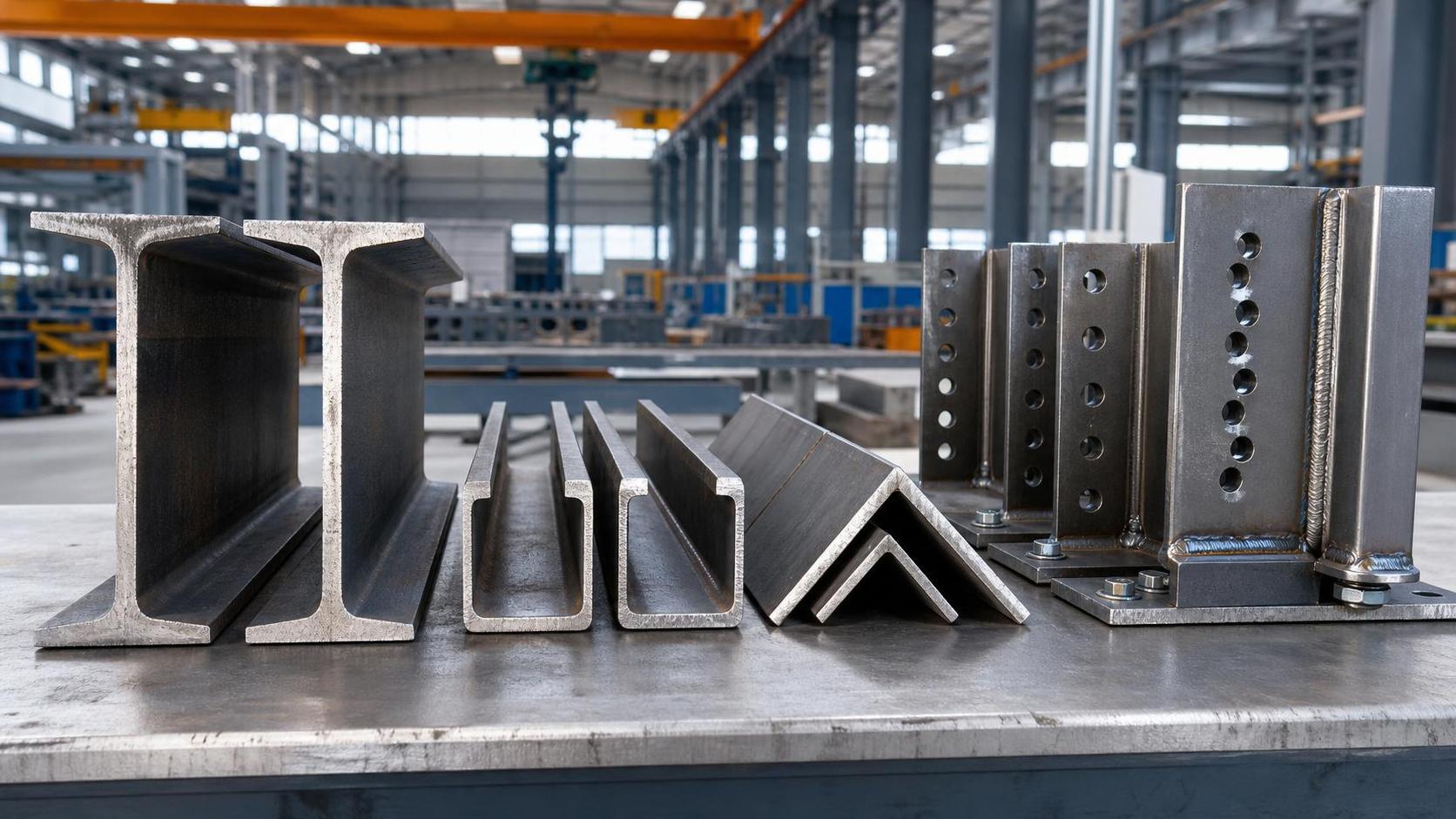
 How to Select a Steel Profile Based on Load, Span, and Fabrication NeedsProfile selection starts with load, span, and fabrication needs. Learn how to compare steel sections for strength, cost, workability, and sourcing efficiency.
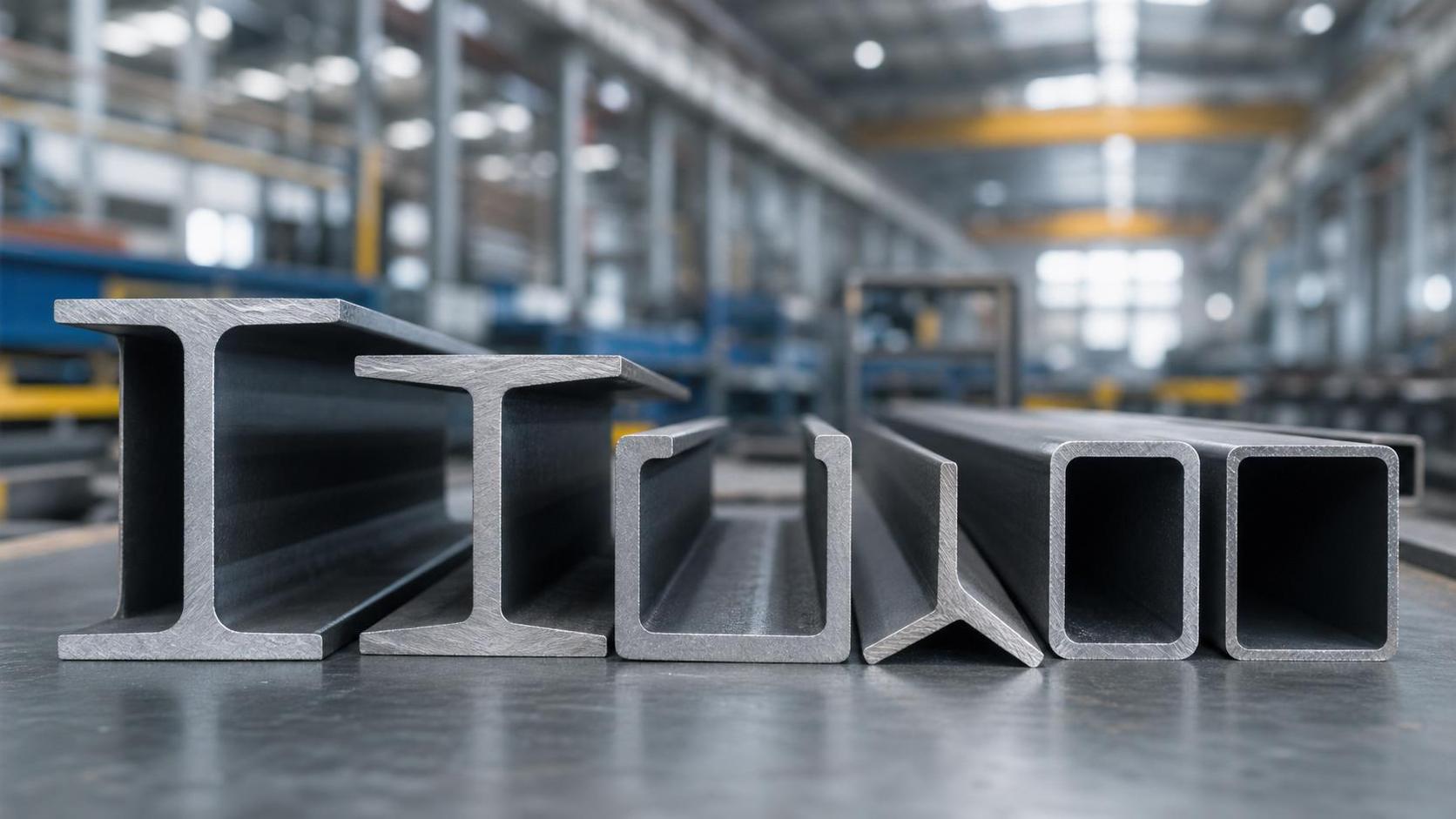
 What Is a Steel Profile? Common Shapes, Uses, and Selection BasicsProfile selection starts with shape, but performance depends on load, fabrication, and standards. Learn common steel profile types, uses, and smart selection basics.
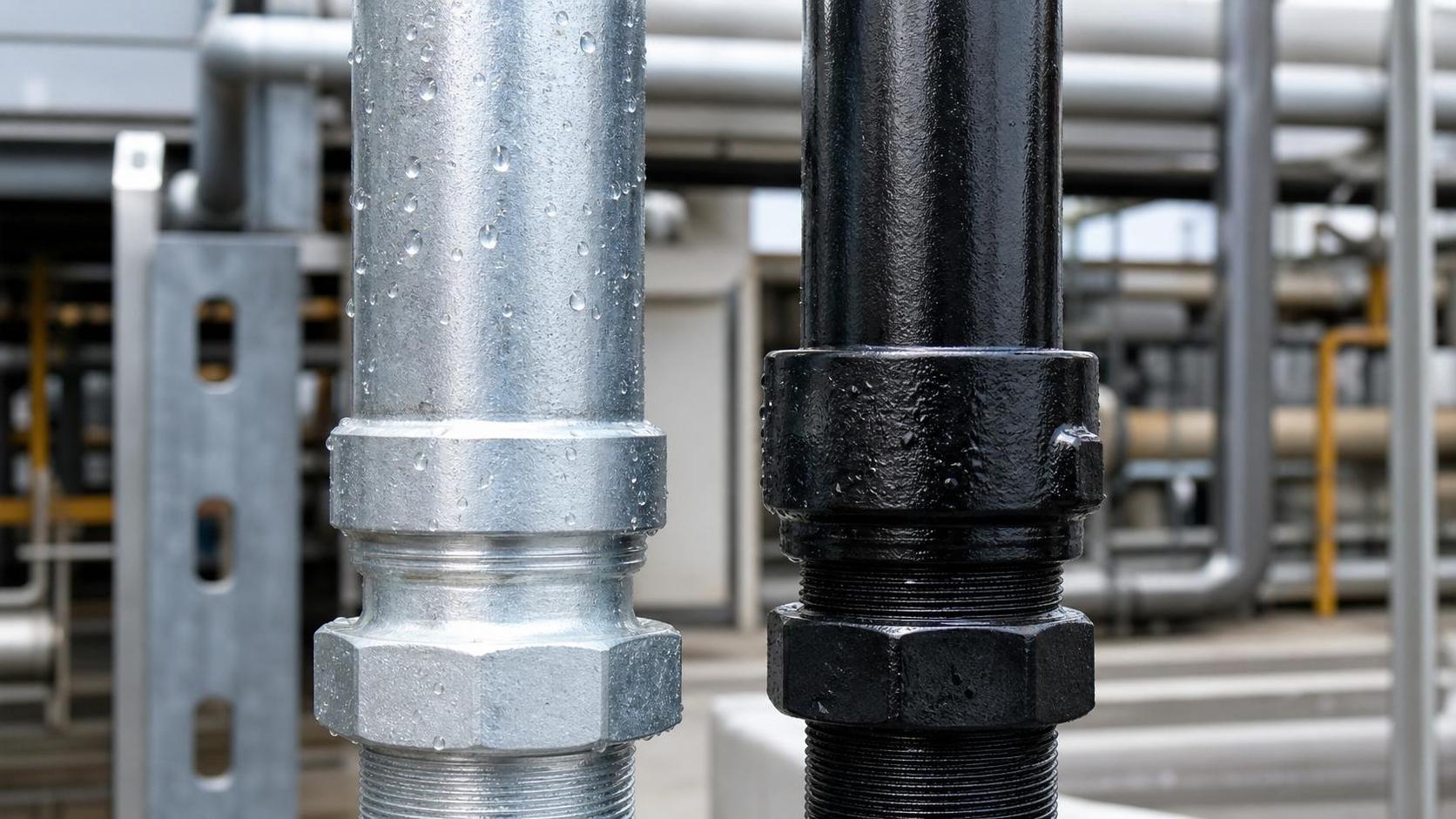
 Galvanized Pipe vs Black Pipe: Which One Fits Water, Gas, or Outdoor Lines?Galvanized pipe or black pipe? Compare the best choice for water, gas, and outdoor lines, with key insights on corrosion, codes, cost, and long-term performance.
 How to Choose Steel Roofing for Warehouses, Farms, and Residential BuildingsSteel Roofing selection depends on building type. Learn how warehouses, farms, and homes differ in corrosion, insulation, drainage, and cost for smarter roofing decisions.
Please give us a message


Please enter what you want to find