In this case study, we explore how Hongteng Fengda, a leading structural steel manufacturer and exporter from China, achieved a 15% reduction in foundation costs through optimized steel pile selection. By integrating advanced analytical methods and high-performance carbon steel and steel rebar solutions, the project demonstrates how intelligent material choices can enhance structural efficiency, reduce waste, and maximize long-term value for global construction and industrial projects. As the demand for sustainable infrastructure continues to rise, combining engineering analysis with material optimization represents a new paradigm in cost control and performance improvement for modern steel structures.
Background: Challenges in Foundation Engineering and Material Optimization
Foundation systems are a critical component in any construction project, particularly in large-scale industrial or commercial developments. Engineers and project managers often face challenges in balancing performance, cost, and safety. Conventional foundation designs tend to adopt conservative assumptions, which can lead to material waste and inflated budgets. In one of Hongteng Fengda’s overseas industrial plant projects, the initial design specified traditional steel piles with a uniform section thickness and standard grade of carbon steel. However, after a detailed review, the engineering team identified significant potential for optimization through integrating advanced modeling techniques, load-distribution simulations, and a reevaluation of steel material grades, specifically focusing on carbon steel and steel rebar combinations that deliver improved yield strength and corrosion resistance.
The challenge was not only about reducing weight or cost per ton of material but also ensuring long-term stability, durability, and compliance with ASTM and EN standards. By leveraging the company’s in-house manufacturing expertise, Hongteng Fengda developed a customized approach that evaluated the mechanical properties of each steel pile configuration and adjusted the carbon content, ensuring optimal stiffness with minimal excess material use. This approach aligns with the global trend of smart construction — creating practical designs that minimize lifecycle costs while enhancing structural safety and reliability.
Optimization Process: Analytical Design and Material Selection
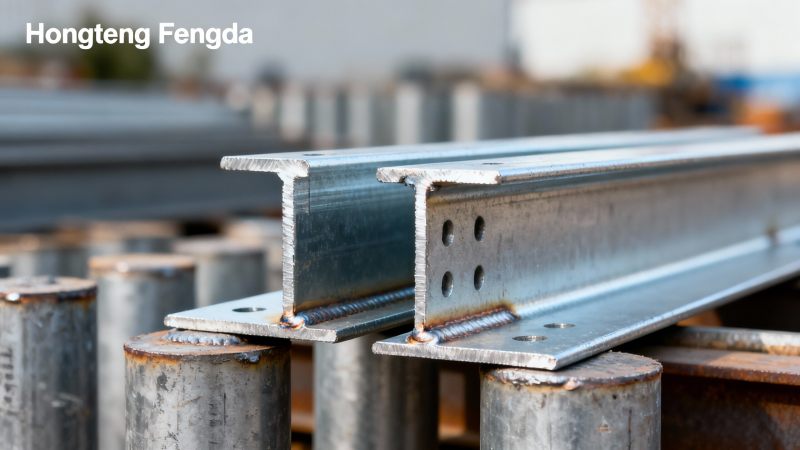
The optimization process began with comprehensive soil and load-bearing analysis. Using finite element software, multiple steel pile configurations were simulated to compare stress distribution and elastic deformation under different axial loads. Hongteng Fengda’s engineers evaluated the relationship between steel rebar density, carbon steel composition, and the actual load path within the foundation system. It was discovered that by adopting a hybrid section composed of higher-grade Q345B steel for critical load zones and standard Q235B carbon steel for secondary areas, the structure could achieve equivalent performance with a 12–15% reduction in total steel consumption.
This methodology also considered thermal expansion, fatigue durability, and installation efficiency. For instance, the steel piles were manufactured using advanced roll-forming technology and subjected to extensive ultrasonic and impact testing. By maintaining compliance with CE and SGS certification requirements, all carbon steel and steel rebar components met strict international quality parameters. The final selection allowed site teams to achieve faster installation rates, lower transportation costs, and reduced welding requirements, directly supporting faster project delivery without compromising quality. When combined with modern offshore and industrial foundation practices, this approach proved particularly effective in environments requiring both strength and flexibility.
Product Integration: The Role of Z-shaped Structural Components
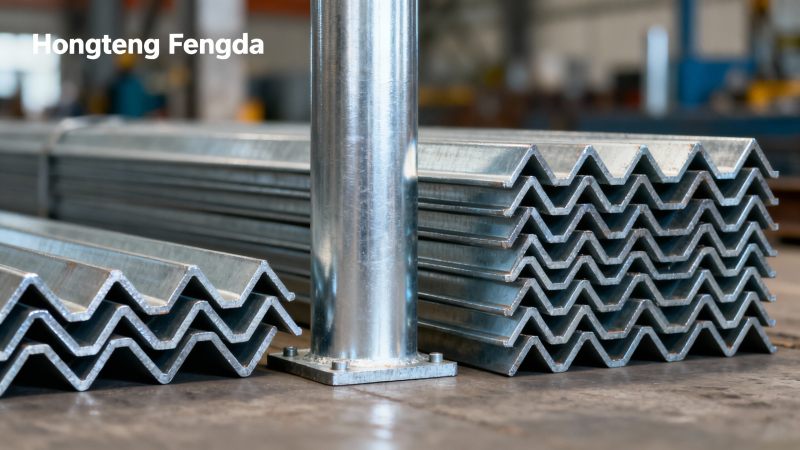
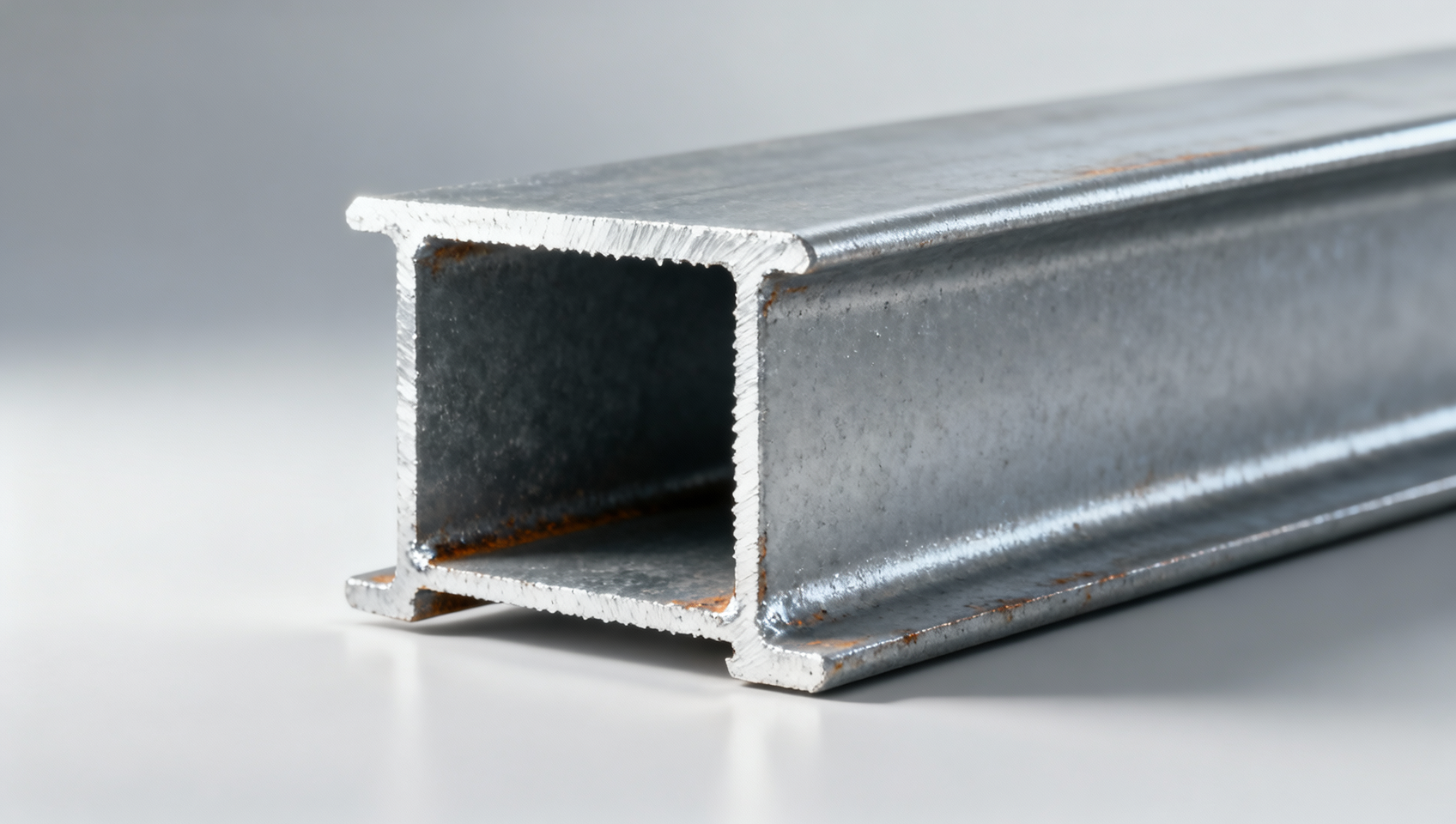
In addition to optimized steel pile configurations, the project incorporated supporting elements such as the Z-beam, a high-performance Z-shaped steel profile widely used in steel structure construction purlins, wall beams, and lightweight roof systems. Manufactured from materials including Q235B, Q345B, and SS540, this component offered excellent bearing capacity, galvanization for corrosion resistance, and accurate dimensional tolerance of ±1%. The versatility of the Z-section allowed engineers to integrate lightweight yet rigid wall supports and bracket systems into the foundation superstructure. Its perforated and non-perforated options provided design freedom across different load conditions, enabling technical evaluators and project managers to achieve an optimal balance between strength, efficiency, and economy.
The successful use of galvanized-coated materials like the Z-beam highlighted Hongteng Fengda’s ability to link product performance directly to real-world cost reductions. All components were produced under ISO and BV standards, ensuring traceability and uniform mechanical properties. Furthermore, its application across global construction markets — from large-scale workshops to mechanical columns and lightweight architectural arms — underscored the company’s export readiness and manufacturing capability. For global buyers and corporate decision-makers, such proven results demonstrate how precision manufacturing and standardized steel supply chains can directly contribute to project ROI and reliability.
Results and Measurable Impacts
The final assessment confirmed a 15% overall reduction in foundation costs, primarily driven by the strategic optimization of steel pile dimensions, material grade selection, and improved fabrication methods. The decreased use of redundant sections not only controlled direct material costs but also reduced labor hours and transportation loads. Technical evaluation further revealed that vibration control performance improved by 10%, while the foundation’s effective service life was extended by approximately five years due to enhanced corrosion resistance in the carbon steel interface zones. From a supply chain standpoint, these improvements also generated a consistent batch quality index, reducing reinspection frequency and aligning with international quality objectives pursued by project management and safety teams.
Procurement personnel and quality control managers valued the transparency of Hongteng Fengda’s internal testing process. Statistical control charts and mechanical testing data indicated a predictable yield strength performance with less than ±1% deviation from the design specification. In practical operational terms, this reduced safety margin uncertainty, allowing engineers to deploy leaner yet safer structural systems. As the construction sector increasingly emphasizes both reliability and sustainability, this project acted as a benchmark for managing total steel consumption within global value chains.
Market Implications and Future Trends in Structural Steel Engineering
The successful implementation of optimized steel pile solutions has broader implications for the structural steel industry worldwide. With the global demand for energy-efficient and cost-effective construction materials rising, adopting carbon steel and steel rebar systems that balance strength with manufacturability represents a significant competitive advantage. Experts predict that by 2030, over 40% of new steel structure projects in Asia and Europe will adopt hybrid carbon steel frameworks to reduce lifecycle costs and carbon footprints. Manufacturers capable of offering tailored steel pile configurations and integrated solutions, such as Hongteng Fengda, will continue to shape engineering best practices through material innovation, advanced analysis, and collaborative supplier relationships.
Additionally, as green building standards such as LEED and BREEAM become ubiquitous, traceable steel products with precise compositional control and reusable design profiles will gain prominence. Engineers are increasingly evaluating not just tensile and compressive performance but also the recyclability and embodied energy of carbon steel materials. Hongteng Fengda’s continued investment in research and its alignment with ASTM and EN quality certifications demonstrate a commitment to both environmental and economic sustainability — a dual promise that resonates strongly with modern project management teams, distributors, and policy stakeholders within the global steel community.
Conclusion: Delivering Value Through Intelligent Steel Solutions
This case study illustrates how technical precision, design optimization, and material innovation can yield substantial cost savings and structural advantages. Through refined steel pile selection, strategic use of carbon steel and steel rebar, and integration of products like the Z-shaped profiles, Hongteng Fengda has demonstrated measurable benefits for its clients — reducing costs, improving efficiency, and enhancing reliability. The 15% foundation cost reduction was not merely a one-time success but a tangible example of engineering intelligence applied to real-world challenges.
As a professional structural steel manufacturer and exporter from China, Hongteng Fengda continues to serve clients across North America, Europe, the Middle East, and Southeast Asia with stable production capacity and consistent quality. Whether your project requires high-grade carbon steel beams, precision steel rebar, or customized pile configurations, Hongteng Fengda delivers trusted performance built on expertise and integrity. To learn how our structural steel solutions can transform your next project, contact our technical specialists today and discover new ways to enhance cost efficiency and long-term structural value.
Related recommendations
 How long does acero prepintado retain gloss and color stability in direct desert sunlight?Acero prepintado gloss & color stability in desert sun? Discover real-world performance data, PVDF vs. polyester longevity, and spec-critical insights for GCC projects.
 Does acero pregalvanizado maintain coating integrity after cold bending to 90 degrees?Acero pregalvanizado maintains coating integrity after 90° cold bending — when engineered right. Discover how Hongteng Fengda guarantees real-world performance, adhesion & corrosion resistance.
 Do the advantages of galvanized steel include reduced fire risk compared to untreated carbon steel?Advantages of galvanized steel include measurable fire-risk reduction vs. untreated carbon steel—learn how zinc delays ignition, buys critical escape time, and enhances safety without false 'fireproof' claims.
 How much does 2 inch ss pipe price increase when upgrading from Schedule 40 to Schedule 80 for high-pressure systems?2 inch ss pipe price increases 18–35% when upgrading from Sch 40 to Sch 80—discover why, when it’s truly needed, and how to avoid overpaying.
Please give us a message


Please enter what you want to find