Choosing the right material between carbon steel and alloy steel is crucial for ensuring a stronger and more reliable foundation. In construction and industrial projects where steel pile and steel rebar performance directly affect structural stability, understanding their differences matters. As a trusted structural steel manufacturer and exporter from China, Hongteng Fengda provides high-quality carbon steel solutions that meet international standards, helping engineers, buyers, and project managers make confident, cost-effective material decisions for durable construction outcomes.
Understanding the Composition and Characteristics of Carbon Steel and Alloy Steel
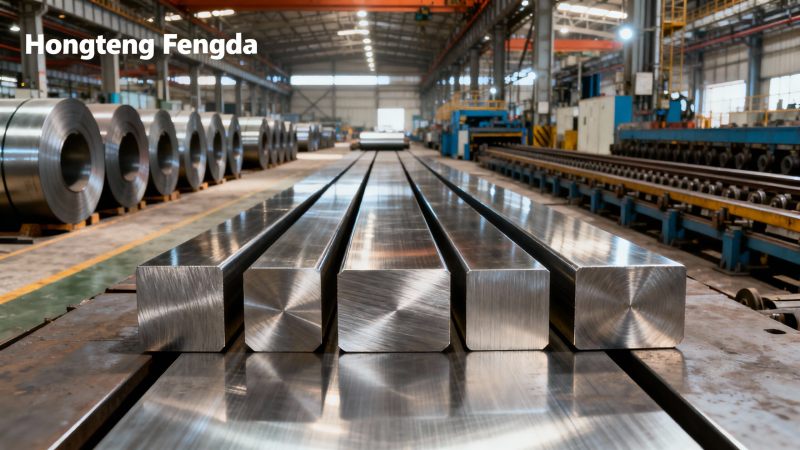
Both carbon steel and alloy steel serve as critical materials in foundation and infrastructure applications. Carbon steel primarily consists of iron and carbon—typically less than 2%—which makes it highly versatile for construction uses like steel rebar and steel pile. Its mechanical strength, weldability, and affordability allow project teams to maintain both structural safety and cost efficiency. Alloy steel, on the other hand, includes additional alloying elements such as chromium, nickel, molybdenum, or vanadium. These elements enhance performance in specific conditions like high corrosion environments or heavy-load operations.
In foundation design, the choice between the two depends largely on environmental factors, required tensile strength, and fatigue resistance levels. Carbon steel demonstrates excellent ductility and toughness, which is beneficial for seismic-resistant structures and deep foundation systems where flexibility under stress is critical. When used in structural columns, beams, or reinforced frameworks, carbon steel provides consistent performance that adheres to major international standards such as ASTM, BS, and GB. Alloy steel, however, offers superior hardness and heat tolerance, often favored in industries such as petrochemical or offshore construction where exposure to high temperatures or chemical corrosion is prevalent. The right selection ultimately depends on balancing cost, availability, and required physical properties.
For engineers working on high-rise buildings or bridge foundations, the mechanical consistency of carbon steel rebar allows for predictable strength calculations and efficient fabrication. Modern steel mills, like Hongteng Fengda, employ rigorous testing and heat treatment processes that ensure each grade of carbon steel meets the designed specifications for elongation, tensile limits, and yield strength. Furthermore, environmentally, carbon steel also tends to have a lower carbon footprint compared with alloy steel production, making it suitable for buyers emphasizing green building practices. This combination of strength, cost-effectiveness, and sustainability enhances its dominance as a staple material in the steel industry today.
Performance Comparison: Strength, Durability, and Corrosion Resistance
While both carbon steel and alloy steel maintain high structural integrity, several differences directly influence foundation performance. Strength-to-weight ratio is one of the primary considerations. Carbon steel, especially in grades like Q235 or Q345, offers sufficient compressive strength for typical civil engineering projects such as roads, bridges, and dams. In comparison, alloy steel demonstrates improved tensile performance and wear resistance due to its alloying constituents. However, for most structural and reinforcing applications, carbon steel’s strength is more than adequate and offers better workability at lower production costs.
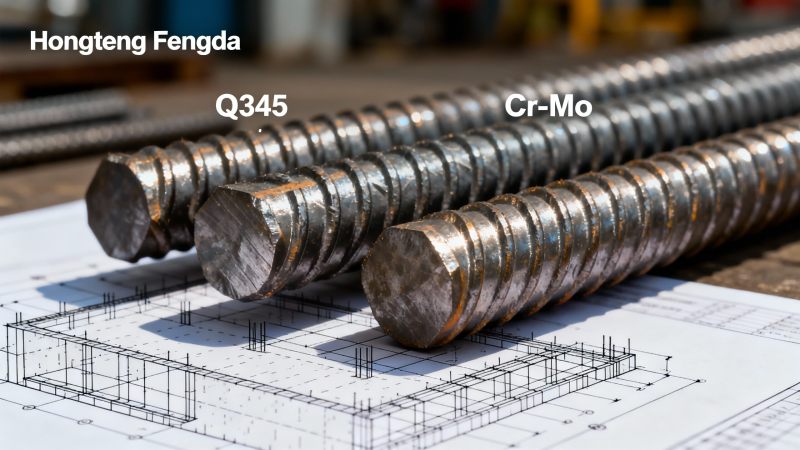
In terms of corrosion resistance, alloy steel has an advantage because of added elements like chromium or nickel, which form a passive protective film against oxidation. For example, in coastal or marine environments where humidity and salinity are high, alloy steel piles or rebar might extend service life. However, with modern anti-corrosion coating technology and galvanization processes, carbon steel can achieve similar longevity at a more economical level. For example, high-quality Wire rod products can be galvanized, PVC-coated, or treated with transparent anti-rust oils to enhance surface stability. Available grades such as HRB335, HRB400, and HRB500 suit civil infrastructure applications including tunnels, bridges, and flood-control structures. This flexibility allows engineers to choose cost-effective carbon steel while meeting long-term performance demands.
Mechanical durability is another critical criterion. Alloy steel may deliver exceptional fatigue resistance under repeated dynamic loading; however, its machining and welding procedures require more precise control, leading to increased fabrication costs. In contrast, carbon steel offers higher ductility, making it easier to cut, weld, and assemble on-site. This not only shortens construction schedules but also minimizes risks during installation. Hence, for large-scale piling and reinforcement operations, using high-quality carbon steel rebar remains a technically sound and commercially viable solution.
Applications in Construction and Foundation Engineering
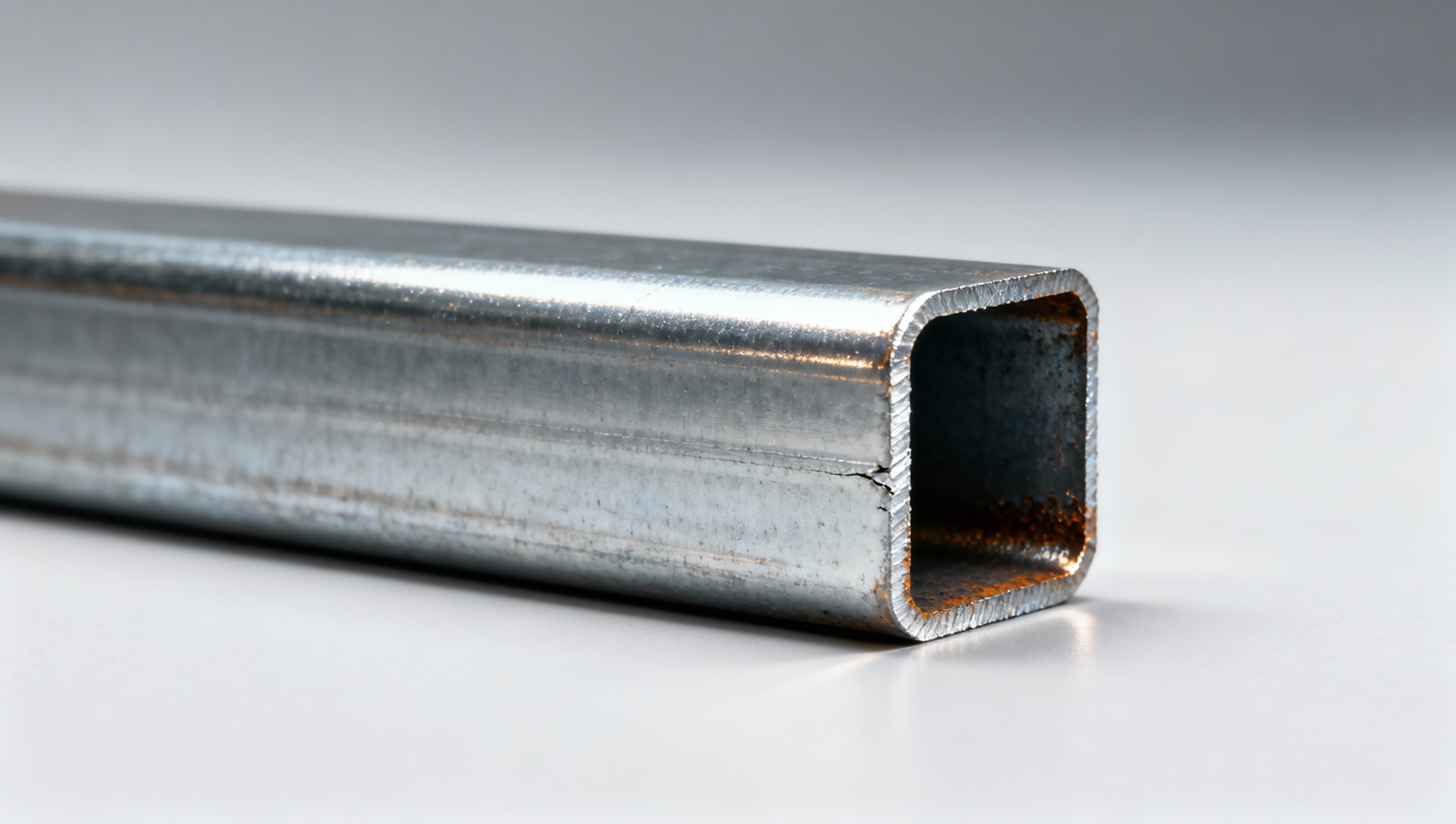
Steel materials play a decisive role in foundation safety and structural reliability. Carbon steel rebar and pile products are fundamental to forming core supports in footings, columns, slabs, and beam systems. In civil engineering construction, particularly when considering seismic load and soil interaction, the flexibility and ductile nature of carbon steel ensure that structures can absorb and redistribute stress efficiently. Whether used for shallow foundations under residential houses or deep piles supporting industrial complexes, the consistent mechanical performance of carbon steel provides engineers with confidence.
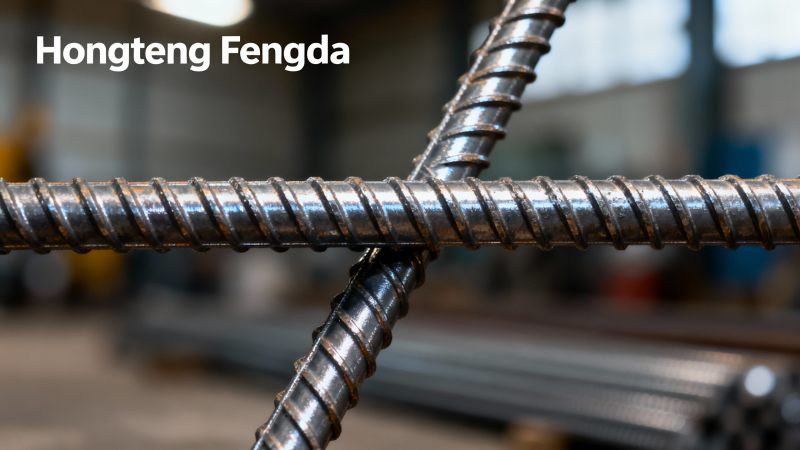
Alloy steel, frequently used in bridge girders or offshore platform supports, offers an advantage when additional stress or heat resistance is demanded. Yet, because it generally commands a higher price point, its widespread use is more restricted. For most highway projects or urban infrastructure, carbon steel remains the material of choice. Some structural components and reinforcing materials, such as Hongteng Fengda’s Wire rod, are manufactured under strict standards including ASTM A615 and JIS G3112, ensuring compatibility with global project requirements. With techniques like hot rolling, cold rolling, and spiral shaping, these materials are suitable for diverse applications ranging from foundations and bridge beams to culverts and tunnels. Their standard dimensions (6mm–50mm) and precise tolerances of ±1% facilitate seamless integration into construction processes worldwide.
Moreover, selecting appropriate carbon steel rebar or pile contributes to environmental strategy in modern infrastructure design. Recyclability and production efficiency of carbon steel minimize material waste and support lifecycle optimization. Thus, for decision-makers focused on sustainable construction supply chains, choosing high-grade carbon steel offers both technical and ecological advantages. When combined with quality assurance certification from organizations such as ISO, BV, or SGS, it strengthens long-term trust across international trade networks.
Market Analysis and Global Demand Trends
The global steel market continues to grow driven by rapid urbanization, infrastructure renewal programs, and industrial development. According to recent forecasts, demand for construction-grade carbon steel is projected to expand steadily over the next decade, especially in Asia-Pacific and the Middle East regions. Structural steel manufacturers from China, including Hongteng Fengda, play a crucial role in supporting global supply through robust production capacity and export reliability.
With governments increasing investment in transportation networks, energy pipelines, and residential projects, materials like carbon steel rebar and steel pile remain indispensable. Buyers and contractors are increasingly emphasizing consistent quality, punctual delivery, and compliance with project certification standards. Consequently, suppliers that offer integrated value—such as technical consultation, OEM customization, and diversified packaging—gain strategic advantage in the competitive landscape. Hongteng Fengda’s adherence to international norms such as ASTM, EN, JIS, and GB ensures that its carbon steel products align with specific market needs across continents. These consistent export practices enhance trust among global partners and help mitigate sourcing risks for procurement officers.
Meanwhile, steel innovation continues to evolve through new alloying methods, micro-alloy carbon steel formulations, and surface treatments. Although alloy steel consumption grows in niche sectors, carbon steel retains the dominant market share in general construction and civil engineering applications due to its balanced performance and cost structure. For end-users, understanding these market dynamics aids in strategic purchasing decisions and material planning across large-scale engineering projects.
Quality Control and Manufacturing Excellence at Hongteng Fengda
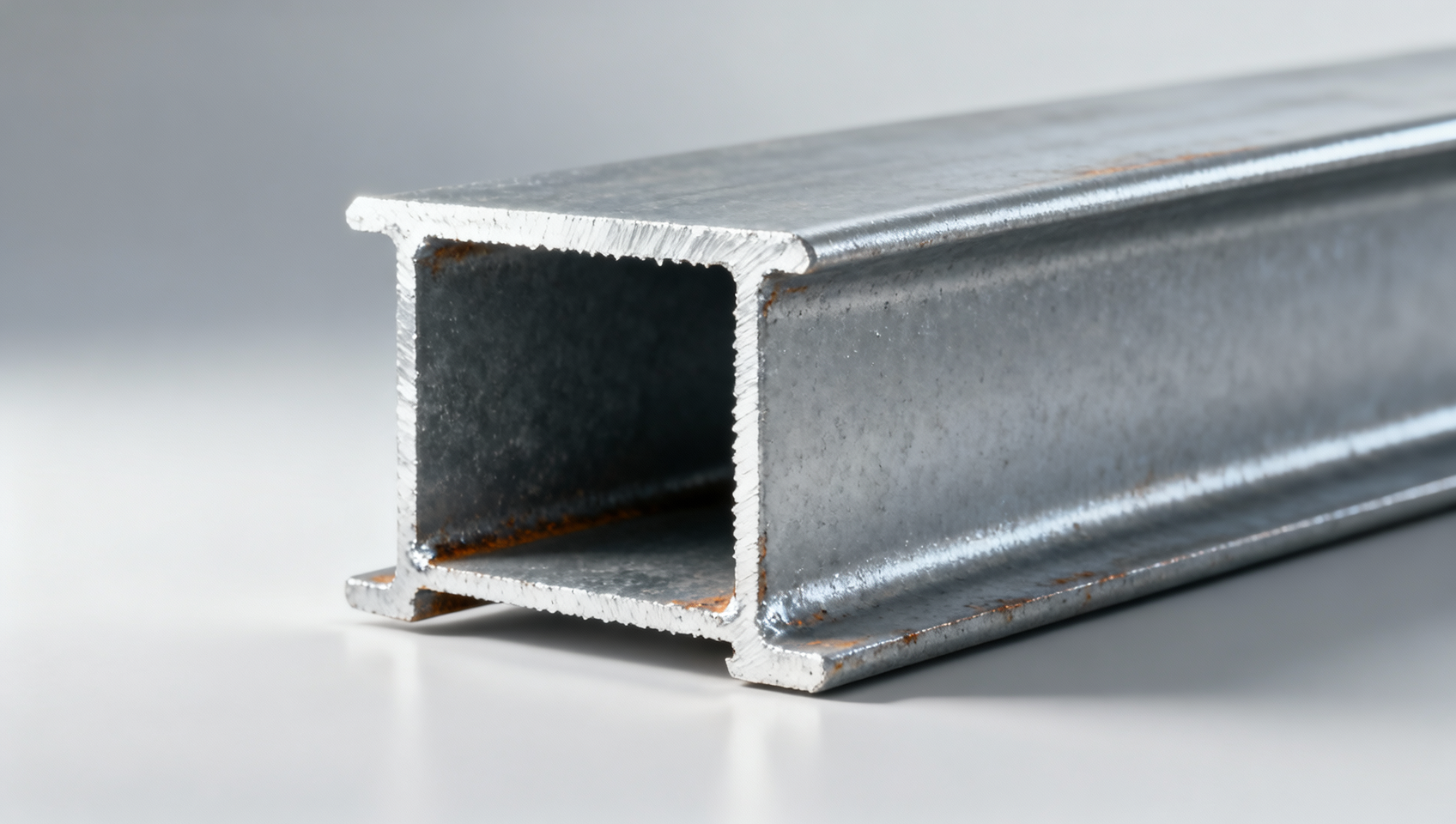
At the core of Hongteng Fengda’s commitment to structural reliability lies a stringent quality management system. The company integrates advanced rolling and forming technologies with continuous on-line testing to guarantee adherence to strength, dimensional accuracy, and surface finish specifications. Each batch of carbon steel rebar or structural beam is subject to tensile, bending, and chemical composition verification, ensuring compliance with ASTM A53, BS4449, and other global standards. Through the combination of automated inspection and skilled craftsmanship, Hongteng Fengda delivers carbon steel solutions that provide exceptional long-term value within foundation systems and heavy-duty frameworks.
In addition to product quality, efficient logistics play a central role. The company’s export network covers North America, Europe, Southeast Asia, and the Middle East, ensuring clients receive steady supply chains and dependable lead times. Through highly flexible payment options such as L/C at sight and tailored OEM services, international buyers can easily align procurement cycles with their project schedules. This level of operational reliability positions Hongteng Fengda as not merely a supplier, but a true strategic partner dedicated to global construction success.
Conclusion: Making the Right Choice for Stronger Foundations
In conclusion, the choice between carbon steel and alloy steel hinges on project conditions, design specifications, and budget priorities. For most construction and foundation applications, carbon steel stands out by providing an optimal balance between strength, ductility, corrosion resistance, and cost-efficiency. Its proven track record across global infrastructure projects validates its reliability as a cornerstone material for steel pile and steel rebar systems. With manufacturing expertise, certified quality, and responsive service, Hongteng Fengda helps project engineers and procurement teams achieve secure, economical, and sustainable foundation performance.
Whether you are designing beam reinforcements for bridges, laying deep foundation piles for industrial plants, or planning a large civil engineering venture, partnering with a trusted supplier ensures peace of mind. Hongteng Fengda’s integrated approach—combining technical consultation with consistent production—empowers clients to build stronger, more resilient infrastructures worldwide. Contact our team today to learn more about our full range of carbon steel products and discover how we can help reinforce your next project with unparalleled quality and reliability.
Related recommendations
 How long does acero prepintado retain gloss and color stability in direct desert sunlight?Acero prepintado gloss & color stability in desert sun? Discover real-world performance data, PVDF vs. polyester longevity, and spec-critical insights for GCC projects.
 Does acero pregalvanizado maintain coating integrity after cold bending to 90 degrees?Acero pregalvanizado maintains coating integrity after 90° cold bending — when engineered right. Discover how Hongteng Fengda guarantees real-world performance, adhesion & corrosion resistance.
 Do the advantages of galvanized steel include reduced fire risk compared to untreated carbon steel?Advantages of galvanized steel include measurable fire-risk reduction vs. untreated carbon steel—learn how zinc delays ignition, buys critical escape time, and enhances safety without false 'fireproof' claims.
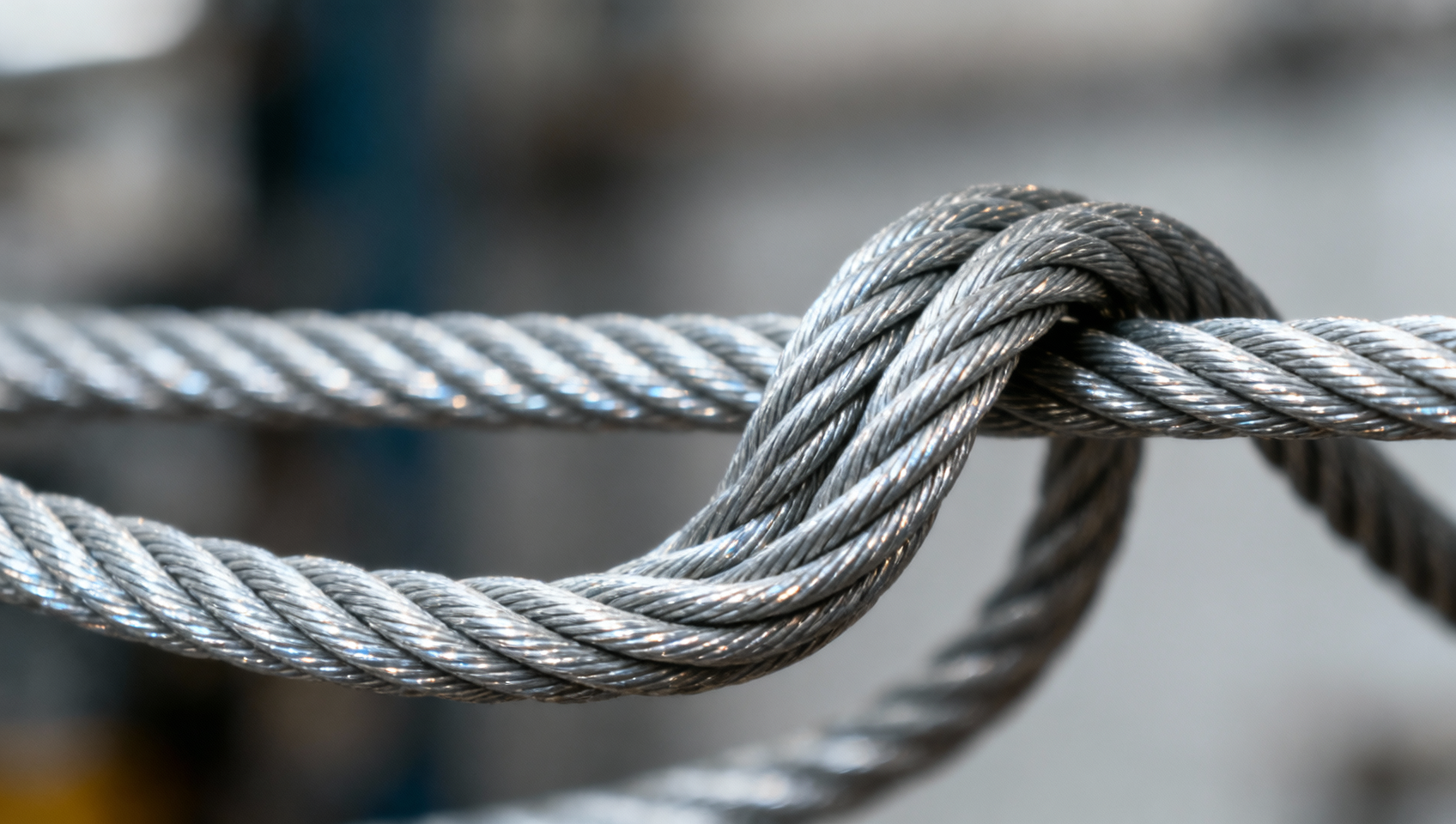
 What is the minimum bend radius for 12mm steel wire rope without permanent deformation?12mm steel wire rope capacity depends on bend radius — discover the safe 72–96mm minimum to prevent permanent deformation, fatigue & failure. Expert rigging insights inside.
Please give us a message


Please enter what you want to find