Choosing between steel square rod and steel round bar is a critical decision for fabrication projects—impacting strength, weldability, weight (e.g., beams weight, I beam weight), and cost-efficiency. Whether you're measuring a steel beam, comparing angle vs channel, specifying steel angle or steel girder components, or sourcing steel wire rope for rigging, material geometry matters. As a trusted structural steel manufacturer & exporter from China, Hongteng Fengda helps global project managers, procurement teams, and fabricators select the right profile—ensuring compliance with ASTM, EN, and GB standards while optimizing for performance, safety, and total project cost.
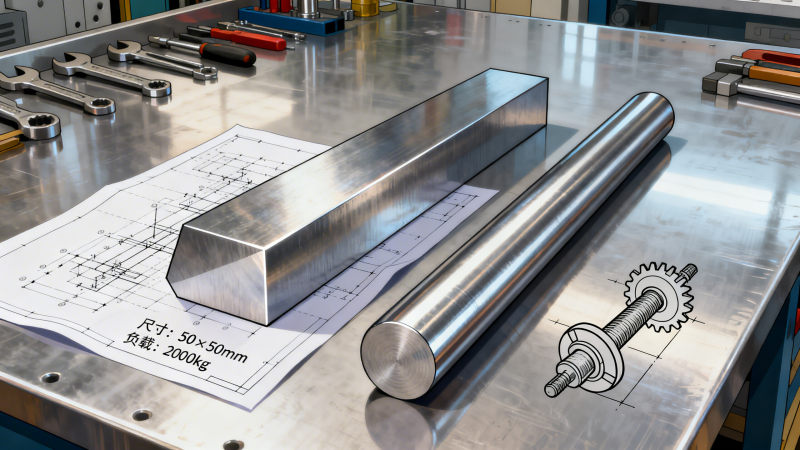
Mechanical Performance & Load-Bearing Behavior
The fundamental difference between steel square rod and steel round bar lies in their moment of inertia distribution and torsional resistance. A round bar offers uniform resistance to bending and twisting in all radial directions—making it ideal for rotating shafts, axles, and applications requiring isotropic stress response. In contrast, square rod delivers higher second moment of area about both principal axes when oriented with flat faces aligned to load direction, enhancing stiffness against lateral deflection in static structural framing. For example, a 50 mm × 50 mm square rod has approximately 28% greater section modulus than a 50 mm diameter round bar—directly influencing how much load it can carry before yielding. This distinction becomes decisive when calculating beams weight or evaluating deflection limits in cantilevered brackets or machine bases.
Moreover, tensile yield strength remains consistent across both geometries if sourced from the same grade (e.g., Q355B carbon steel), but fatigue life diverges significantly under cyclic loading. Round bars exhibit superior endurance in rotating equipment due to absence of stress concentration at corners—where square rods may initiate microcracks without proper corner radiusing. Fabricators must therefore weigh operational duty cycle alongside static capacity. Real-world validation shows that round bar outperforms square rod by up to 40% in high-cycle torsion tests per ASTM E466, especially where surface finish and dimensional tolerance are tightly controlled—a capability supported by Hongteng Fengda’s ISO-certified cold-drawing lines and laser-guided straightness inspection systems.
Fabrication Efficiency: Welding, Machining & Assembly
Weldability and joint preparation differ markedly between the two forms. Steel square rod provides planar contact surfaces that simplify alignment during T-joint or butt-weld assembly—reducing fixturing time and minimizing angular distortion. Its sharp edges also allow precise positioning against jigs and templates, which is advantageous in modular steel angle or channel frame construction. However, those same corners require pre-weld grinding to avoid incomplete fusion and slag entrapment, particularly when using flux-cored arc welding (FCAW) on thicker sections (>12 mm). Conversely, steel round bar demands specialized clamping tools to prevent roll during welding, yet its continuous curvature eliminates edge-related defects and improves penetration consistency in pipe-to-plate connections.
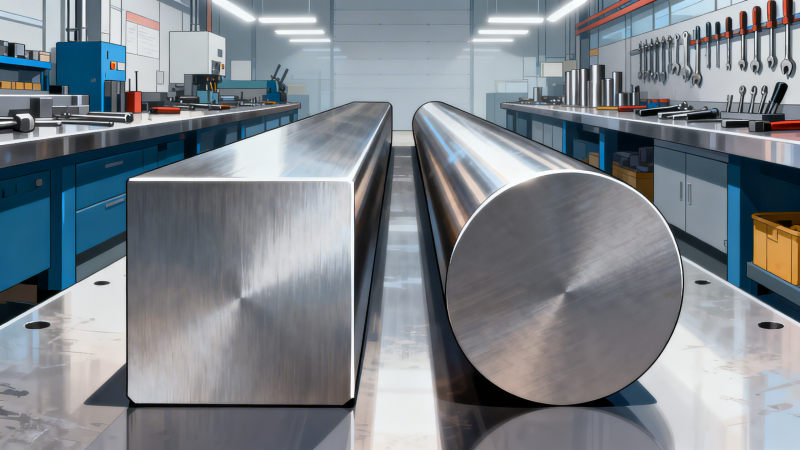
Machining operations further highlight trade-offs. Square rod enables rapid milling of mounting flats or keyways without repositioning, while round bar requires steady-rest support beyond 8× diameter ratios to maintain roundness tolerance (±0.05 mm per DIN 229). For projects involving integrated rigging solutions—such as custom lifting lugs or anchor points—square rod allows direct bolt-hole drilling perpendicular to faces, whereas round bar necessitates additional machining steps like milling flats or adding welded gussets. These process implications directly affect lead times, labor costs, and scrap rates—factors Hongteng Fengda quantifies in OEM feasibility studies prior to quotation.
Dimensional Consistency, Weight Calculations & Standard Compliance
Accurate weight estimation is essential for logistics planning, crane selection, and foundation design. While both profiles follow standard density assumptions (7.85 g/cm³ for carbon steel), their cross-sectional area formulas differ: round bar uses πr², square rod uses side². A misapplied formula leads to cumulative error—especially in multi-ton assemblies. For instance, selecting a 60 mm round bar instead of a 60 mm × 60 mm square rod reduces theoretical weight by ~21.5%, potentially compromising structural redundancy. To avoid such oversights, our technical team provides downloadable calculators for beams weight, I beam weight, and comparative tables compliant with ASTM A6/A6M and GB/T 702.
Hongteng Fengda maintains traceable calibration across all dimensional metrology equipment—including coordinate measuring machines (CMM) certified to ISO 17025—and publishes full mill test reports (MTRs) with each shipment. These documents verify conformance not only to dimensional tolerances (±0.5 mm OD, ±0.05 mm thickness), but also mechanical properties like low-temperature impact toughness (tested per ASTM A370 at –20°C), ensuring suitability for harsh environments across North America and Northern Europe. When sourcing a106 gr b Seamless Pipe, clients benefit from identical QA rigor applied to seamless tube production—where squash and hydrostatic pressure testing guarantee integrity under dynamic service loads.
Application Mapping: Matching Geometry to Functional Requirements
Project success hinges on aligning geometry with functional intent—not just aesthetics or habit. Steel square rod excels in architectural bracing, guardrail posts, and robotic arm frames where orthogonal rigidity, bolt accessibility, and visual continuity matter. Its predictable buckling behavior under axial compression (per Euler’s formula) makes it preferred for temporary shoring systems in civil infrastructure—especially when paired with steel girder substructures. Meanwhile, steel round bar dominates drivetrain components, hydraulic cylinder rods, and tension members in cable-stayed bridges where rotational symmetry and fatigue resistance outweigh ease of bolting.
For hybrid applications—such as lattice towers integrating both steel angle and steel wire rope terminations—engineers often combine geometries strategically: round bar for guy-wire anchors (to minimize stress risers), square rod for diagonal braces (to maximize compressive stability). Hongteng Fengda supports this integrative approach through coordinated mill runs, enabling simultaneous delivery of matched-grade materials—whether specifying angle vs channel for purlin supports or verifying weight of I beam versus equivalent hollow structural sections (HSS). Our engineering support includes free BIM-ready Revit families and DWG detail packages, accelerating design coordination and reducing RFIs.
Conclusion & Next Steps
Selecting between steel square rod and steel round bar isn’t merely about shape—it’s a systems-level decision affecting structural integrity, fabrication speed, lifecycle reliability, and total installed cost. From accurately measuring a steel beam to validating steel girder connections or comparing steel angle versus channel configurations, geometry influences every phase from shop drawing review to final commissioning. At Hongteng Fengda, we combine deep metallurgical expertise, real-world project experience across 32 countries, and rigorous adherence to ASTM, EN, JIS, and GB standards to deliver confidence—not just compliance.
Whether your priority is minimizing beams weight without sacrificing stiffness, achieving repeatable weld quality on high-volume fixtures, or sourcing certified a106 gr b Seamless Pipe for critical fluid conveyance, our technical sales engineers provide application-specific guidance—not generic catalogs. With stable production capacity, documented quality control, and responsive logistics management, we help procurement professionals reduce sourcing risk while empowering project managers to meet deadlines without compromise.
Ready to optimize your next fabrication project? Contact Hongteng Fengda today for a complimentary material selection consultation, dimensional validation support, or customized mill test report review.
Related recommendations
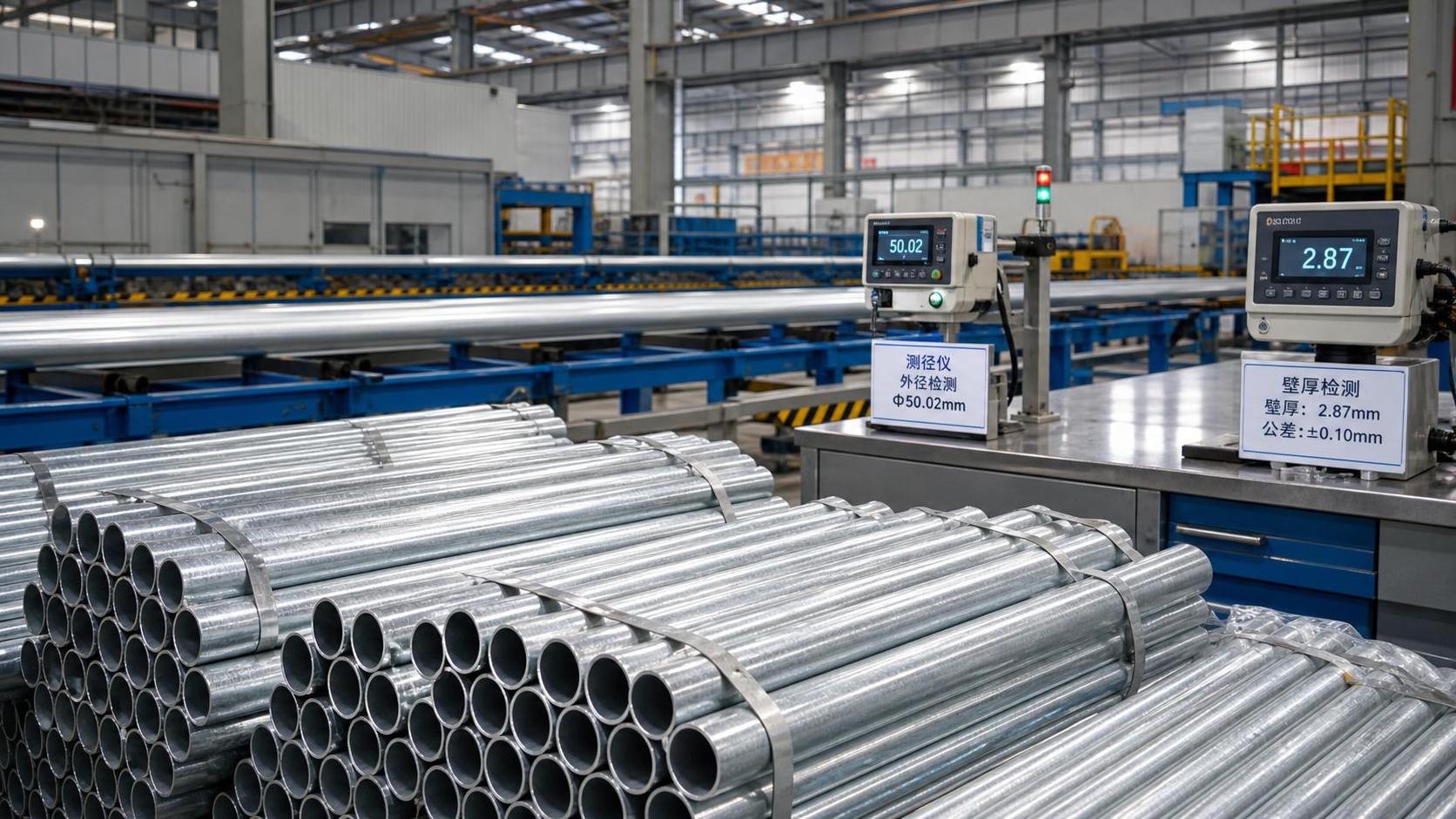
 Galvanized Pipe Manufacturer Selection: Zinc Coating, Tolerance, and ComplianceGalvanized pipe manufacturer selection guide: compare zinc coating quality, tolerance control, and compliance to reduce risk and choose a supplier that delivers reliable steel products.
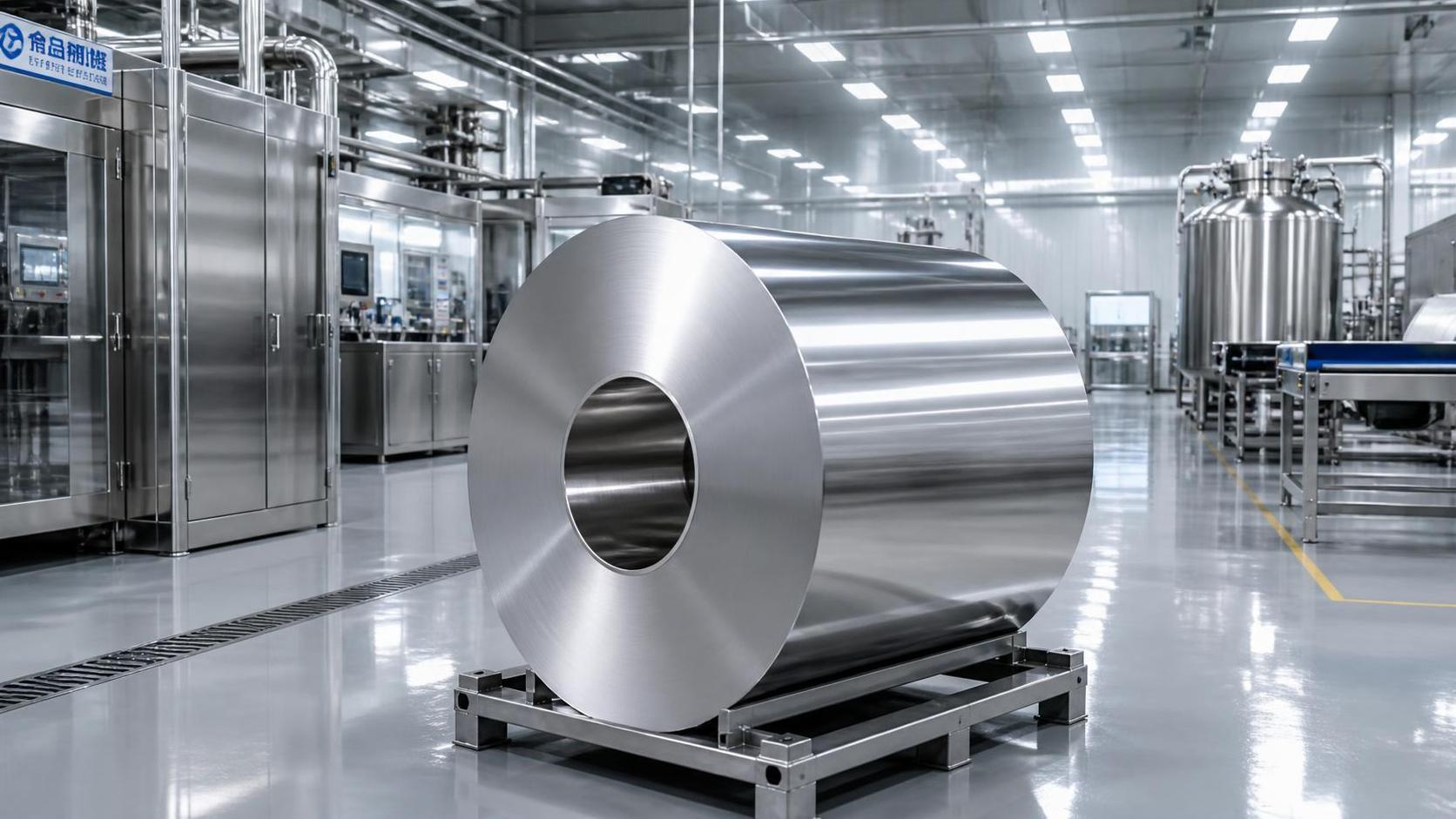
 What to Check Before Choosing an SS Coil Manufacturer for Food EquipmentSS coil manufacturer selection guide for food equipment: compare grade consistency, surface finish, tolerances, hygiene documents, and supply reliability before you buy.
 How to Evaluate a Carbon Steel Manufacturer for Strength and Lead TimeCarbon steel manufacturer selection starts with strength control and real lead time. Learn how to compare quality systems, standards, specs, and export readiness before you buy.
 Buy 304 Stainless Steel Wire 0.5mm Soft: What to Check Before Placing an OrderBuy 304 stainless steel wire 0.5mm soft with confidence. Learn what to check on grade, tolerance, finish, softness, and supplier quality before ordering.
Please give us a message


Please enter what you want to find