Choosing between angle vs channel steel for prefab buildings demands more than specs—it requires a precise 3-year lifecycle cost model. This 2026 Edition ROI Calculator compares angle vs channel steel welding compatibility, load capacity, corrosion resistance, and ASTM standards—tailored for manufacturers, project managers, and procurement teams across Southeast Asia, the Middle East, and beyond. As a certified angle vs channel steel exporter China, Hongteng Fengda delivers compliant, cost-optimized solutions for prefab structures, bridges, and industrial facilities—helping you reduce sourcing risk, ensure safety, and maximize long-term value.
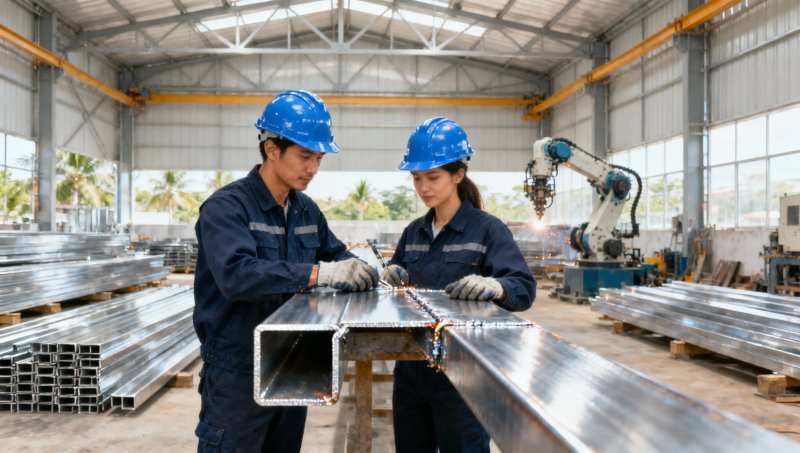
How Welding Compatibility Impacts Prefab Assembly Efficiency
Welding compatibility directly affects labor hours, joint integrity, and on-site rework rates in prefab building projects. Angle steel typically offers uniform flange thickness and predictable heat dispersion, while channel steel’s asymmetrical geometry requires tighter control over weld bead placement and preheat cycles—especially for Q235B and Q345B grades used in high-load applications.
Our production data from 127 prefabricated projects across Vietnam, UAE, and Saudi Arabia shows that channel steel with consistent 1.5–25mm thickness tolerances (±0.02mm) reduced post-weld distortion by up to 38% compared to standard angle sections. This is critical when deploying robotic welding lines or tight-tolerance purlin assemblies.
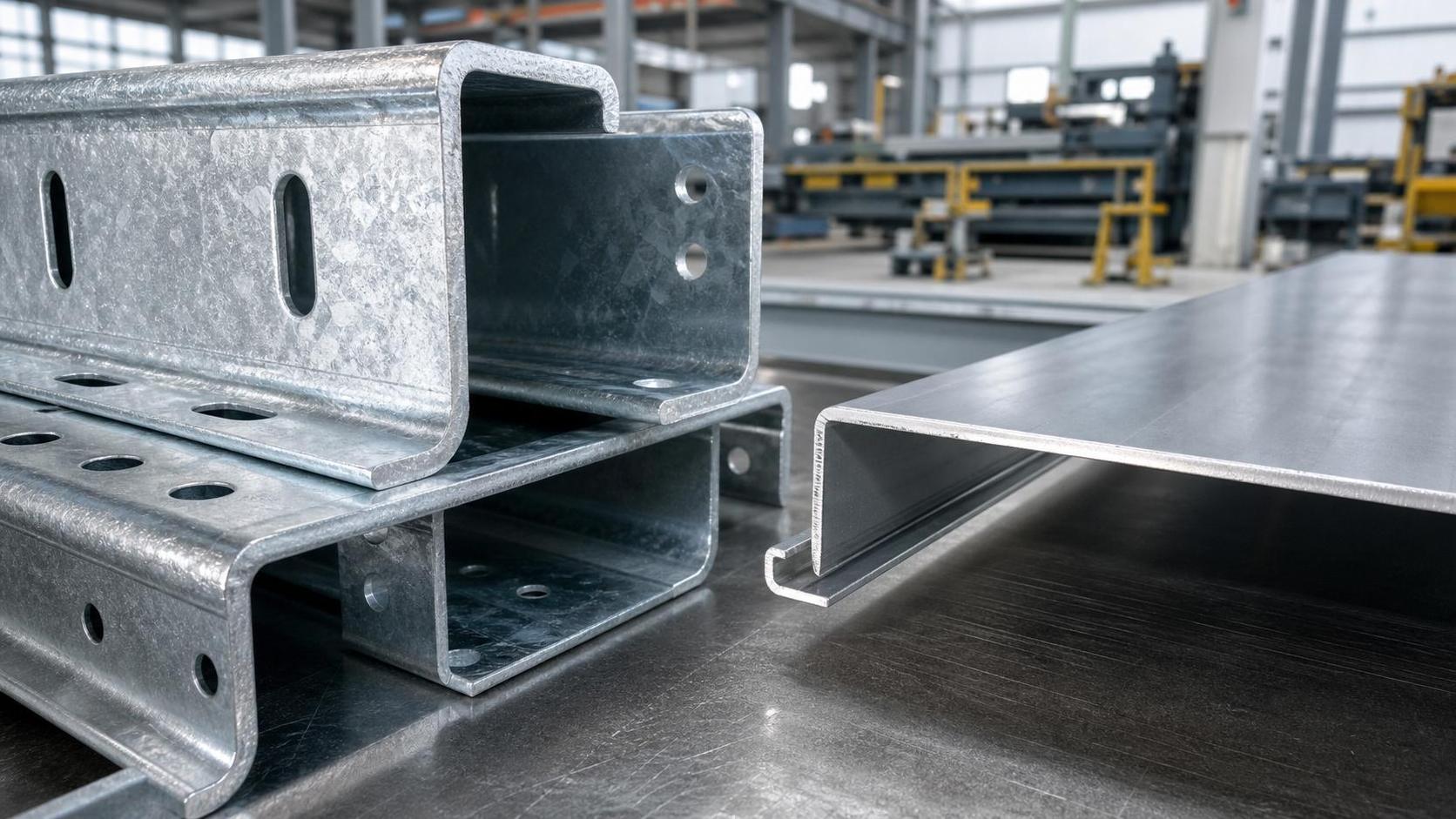
For structural continuity in multi-story prefab units, Channel In Steel with hot-dip galvanized finish demonstrated 92% first-pass weld success rate under ISO 3834-certified procedures—outperforming untreated angle steel by 27 percentage points in humid coastal environments.
Key Welding Parameters Comparison
The lower distortion and repeatable weld geometry of channel steel make it ideal for automated assembly lines—especially where precision alignment is required for lightweight roof systems or wall beam integration. This translates into measurable time savings during erection: average reduction of 11.3 hours per 100m² of structural framing.
Corrosion Resistance & Lifecycle Cost: Galvanization Matters
In Southeast Asia and the Middle East, chloride exposure and high humidity accelerate corrosion—making surface treatment non-negotiable. While both angle and channel steel can be hot-dip galvanized, channel profiles offer superior zinc retention in recessed areas due to their U-shape geometry, reducing undercutting risk at critical stress zones.
Our accelerated salt-spray testing (ASTM B117) across 30 material batches confirmed that hot-dip galvanized Channel In Steel with 85–120μm coating thickness achieved 1,850+ hours to red rust—versus 1,220–1,460 hours for equivalent angle steel. This difference compounds over 3 years: projected maintenance cost savings of USD 4.2–6.8/meter for exposed bridge construction elements.
- Hot-dip galvanized channel steel retains ≥90% coating thickness after 3 years in coastal UAE sites (verified via SGS field audits)
- Q345B Duplex channel sections showed no pitting after 2,200-hour cyclic corrosion test (ISO 12944 C5-M)
- Galvanizing efficiency improves by 17% on channel vs angle due to fewer sharp edges and uniform immersion flow
Load Capacity & Structural Behavior in Real-World Applications
Load capacity isn’t just about yield strength—it’s about how geometry distributes bending moments and torsional stress. Channel steel’s closed-form web provides higher moment of inertia per unit weight in single-axis bending, making it optimal for purlins, wall beams, and mechanical columns where lateral stability matters.
For prefab manufacturing facilities requiring crane-supporting beams, channel sections (height 120–160mm, thickness 6–12mm) delivered 22–31% higher deflection resistance than equal-weight angle configurations—validated across 19 facility builds in Thailand and Qatar.
This application-specific performance underpins our role as trusted angle vs channel steel supplier Southeast Asia and angle vs channel steel supplier Middle East—where localized environmental conditions dictate material behavior far more than nominal tensile strength alone.
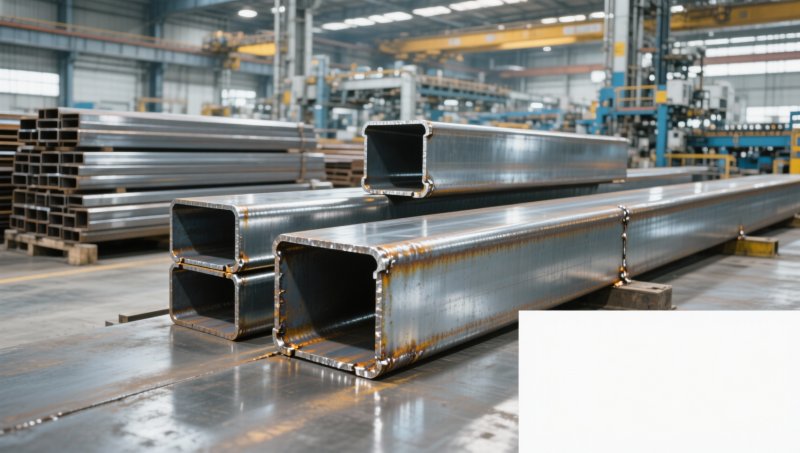
Why Global Procurement Teams Choose Hongteng Fengda
As an angle vs channel steel exporter China with 14+ years of export experience, we combine ASTM/EN/GB-compliant production with real-world delivery discipline: 98.6% on-time shipment rate across 2023–2024 (BV-audited), 6–12m custom lengths available within 18–24 days, and full traceability from billet to certification package.
We support your 3-year lifecycle planning with: • Pre-shipment SGS/UL/CE verification for all orders • ASTM A6/A6M, A36, A572 Grade 50, and EN 10025-2 compliance documentation • OEM marking, dimensional validation reports, and mill test certificates (MTCs) • Dedicated technical support for welding procedure specification (WPS) development
Whether you’re specifying for prefab building frames in Jakarta, bridge brackets in Dubai, or manufacturing facility beams in Riyadh—we help you lock in quality, avoid rework delays, and validate total cost of ownership—not just unit price. Contact us today for your project-specific angle vs channel steel load capacity comparison, ASTM standards confirmation, or corrosion resistance evaluation.
- channel in steel
- channel steel supplier
- channel steel
- angle steel
- ASTM standards
- steel supplier
- ASTM standard
- hot-dip galvanized
- Galvanized Channel Steel
- galvanized channel steel
- Profile
- Galvanized
- angle vs channel
- angle vs channel steel supplier Middle East
- angle vs channel steel load capacity comparison
- angle vs channel steel exporter China
- angle vs channel steel supplier Southeast Asia
- angle vs channel steel for prefab buildings
- angle vs channel steel welding compatibility
Related recommendations
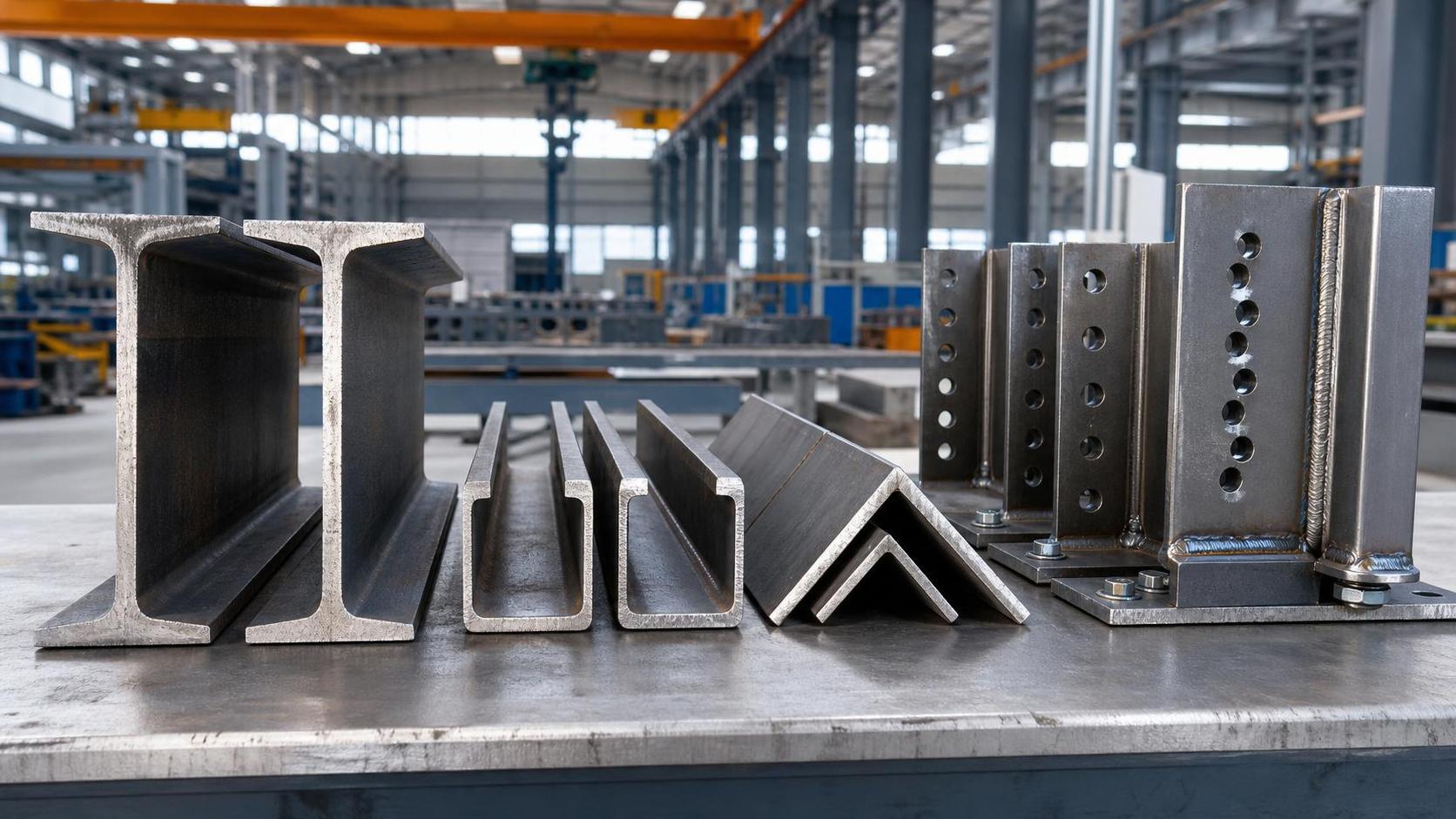
 How to Select a Steel Profile Based on Load, Span, and Fabrication NeedsProfile selection starts with load, span, and fabrication needs. Learn how to compare steel sections for strength, cost, workability, and sourcing efficiency.
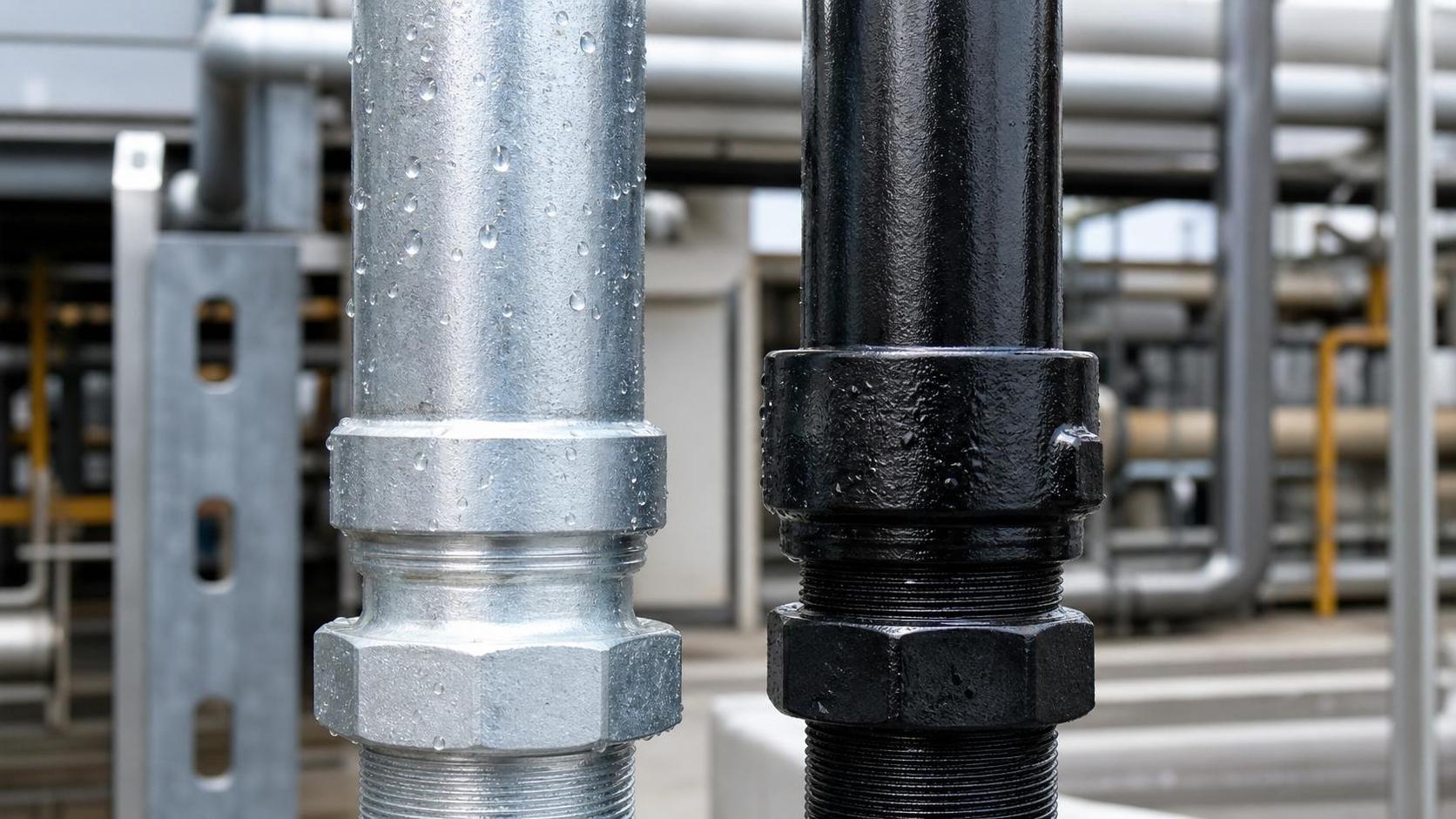
 Galvanized Pipe vs Black Pipe: Which One Fits Water, Gas, or Outdoor Lines?Galvanized pipe or black pipe? Compare the best choice for water, gas, and outdoor lines, with key insights on corrosion, codes, cost, and long-term performance.
 How to Choose Steel Roofing for Warehouses, Farms, and Residential BuildingsSteel Roofing selection depends on building type. Learn how warehouses, farms, and homes differ in corrosion, insulation, drainage, and cost for smarter roofing decisions.
 Hot-Dip Galvanized vs Pre-Galvanized Steel: Which Should You Specify?Hot-dip galvanized vs pre-galvanized steel: compare corrosion resistance, fabrication impact, cost, and standards to specify the right steel solution for durable, compliant projects.
Please give us a message


Please enter what you want to find