Choosing between hot-dip galvanized and pre-galvanized steel can directly affect project durability, compliance, and total procurement cost. For business evaluators comparing suppliers and specifications, understanding the differences in coating process, corrosion resistance, and application suitability is essential. This guide outlines the key factors to help you specify the right galvanized steel solution for structural and industrial projects.
What is the real difference between hot-dip galvanized and pre-galvanized steel?
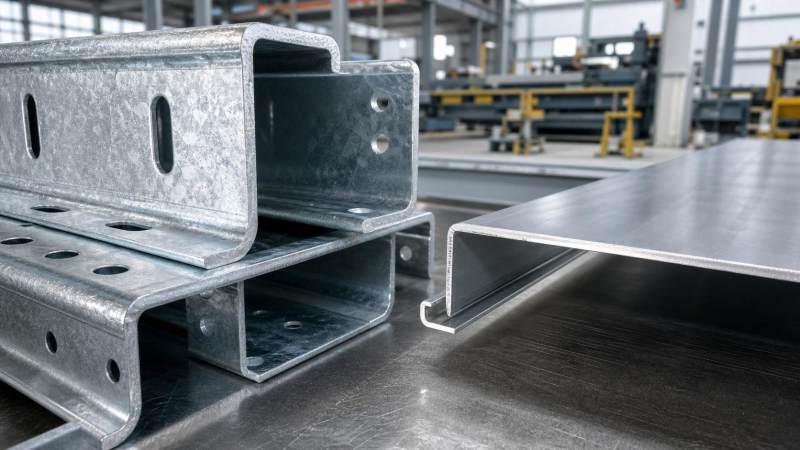
In steel procurement, the two materials are often treated as interchangeable because both use zinc to protect steel from corrosion. In practice, they are produced differently, perform differently in demanding environments, and carry different implications for fabrication, inspection, and service life.
Hot-dip galvanized steel is fabricated first and then immersed in molten zinc. This process creates a zinc coating over the entire surface, including edges, corners, weld zones, and internal areas that are exposed to the bath. Pre-galvanized steel, by contrast, is galvanized at coil or sheet stage before forming, punching, or fabrication.
For business evaluators, the core question is not simply which option is cheaper at purchase. The better question is which option reduces lifecycle risk under the actual project conditions, installation method, and compliance requirements.
- Choose hot-dip galvanized when exposed steel must resist weather, moisture, industrial atmosphere, or long service cycles.
- Consider pre-galvanized steel when components are lighter, indoor, less corrosive, and cost-sensitive.
- Review whether cutting, punching, welding, or post-processing will expose bare edges that reduce corrosion protection.
Why the process matters to project performance
The coating route determines more than appearance. It influences zinc thickness, adhesion, edge protection, maintenance frequency, and the likelihood of premature rust at fabricated points. In steel structures, these factors can affect not only durability but also contractor claims, repainting costs, and inspection outcomes.
The table below gives a practical hot-dip galvanized versus pre-galvanized comparison that procurement teams can use during specification review and supplier evaluation.
This comparison shows why hot-dip galvanized products are more often specified for purlins, supports, outdoor frames, utility steel, and industrial structures. Pre-galvanized material can still be the right choice, but only when exposure, fabrication sequence, and service expectations are aligned.
Which applications favor hot-dip galvanized steel?
Application environment should drive your specification. Business evaluators often face pressure to lower unit price, but corrosion-related replacement, shutdown, or rework can erase early savings. This is especially true in coastal zones, humid warehouses, agricultural settings, and industrial facilities with chemical exposure.
Typical scenarios where hot-dip galvanized is justified
- Outdoor structural framing, where rainwater, condensation, and UV exposure accelerate corrosion.
- Roofing and purlin systems in industrial buildings, where long spans and limited maintenance access increase replacement cost.
- Transport, logistics, and infrastructure components, where mechanical wear and weathering demand robust surface protection.
- Projects requiring compliance with buyer specifications referencing ASTM, EN, JIS, or GB related coating expectations.
Where pre-galvanized steel may still be appropriate
- Indoor cable trays, ducts, partitions, and light framing with low corrosion stress.
- High-volume formed components where low cost and fast roll-forming are priorities.
- Products that will receive additional protection through paint, enclosure, or controlled indoor service.
A useful middle-step for procurement teams is to classify the structure by exposure level, maintenance difficulty, and criticality. If the part is load-bearing, hard to replace, or installed outdoors, hot-dip galvanized usually deserves priority in the specification review.
How do coating thickness, edges, and fabrication affect service life?
Not all galvanized steel fails in the same way. In many projects, rust starts at edges, holes, welds, and cut areas rather than on the main flat surface. That is why evaluating coating only by visual appearance is risky.
Hot-dip galvanized steel generally offers stronger protection after fabrication because the zinc coating envelops more of the finished geometry. Pre-galvanized steel may look uniform before fabrication, but punching, slitting, drilling, and cutting can create vulnerable points unless additional treatment is applied.
For evaluators specifying cold-formed members and secondary steel, coating selection should be reviewed together with profile shape, hole pattern, length, and assembly method. A practical example is Z-beam used in steel structure construction purlins, wall beams, lightweight roofs, brackets, mechanical columns, and light manufacturing beams.
This type of Z-shaped steel profile can be supplied in grades such as Q235B, Q345B, Q420C, Q460C, SS400, S235, S355, A36, and A572, with thickness from 6 mm to 25 mm, length from 2 m to 12 m or customized, tolerance of ±1%, and mill edge or slit edge options. For projects needing galvanized coated or perforated specifications, the profile design and exposure class should be checked together rather than separately.
When a Z-beam is intended for large-scale workshops or roof systems, buyers should confirm whether the galvanizing route matches the final fabrication sequence. That single review step can help prevent exposed cut edges, premature field repairs, and later dispute over coating responsibility.
The table below helps procurement teams connect coating choice with fabrication realities in steel projects.
The takeaway is simple. The more your project depends on finished geometry, punched holes, exposed edges, or long-term outdoor service, the more likely hot-dip galvanized steel will provide safer procurement value.
How should business evaluators compare cost beyond unit price?
Unit price is only one layer of total procurement cost. For galvanized structural steel, real cost should include coating durability, inspection burden, maintenance intervals, replacement risk, field repair work, and logistics coordination.
Key cost drivers to review
- Initial material price and zinc consumption.
- Processing route, especially whether galvanizing occurs before or after fabrication.
- Rework or touch-up requirements at edges, holes, and weld zones.
- Expected maintenance access cost during operation.
- Failure consequences if corrosion affects structural performance or appearance.
The table below is a procurement-oriented selection guide for evaluating hot-dip galvanized steel versus pre-galvanized steel from a cost and risk perspective.
This approach helps evaluators defend decisions internally. A slightly higher purchase price for hot-dip galvanized steel can be commercially justified when it reduces long-term maintenance, quality claims, or replacement risk.
What standards, certifications, and supplier checks matter most?
For cross-border sourcing, technical agreement matters as much as the product itself. Buyers should confirm not only steel grade and profile dimensions, but also applicable standards, coating expectations, tolerances, inspection methods, and document package requirements.
Points to verify before issuing a purchase order
- Base steel grade compatibility with the structure, such as ASTM, EN, JIS, or GB aligned specifications.
- Coating method clearly stated as hot-dip galvanized or pre-galvanized, not simply “galvanized.”
- Required dimensional tolerance, length range, edge condition, and hole layout.
- Inspection documents, mill test certificates, and third-party verification if the project requires them.
- Packaging, marking, and export handling to prevent transit damage to coated surfaces.
Hongteng Fengda supports these evaluation needs through structural steel manufacturing and export service focused on standard sections, cold formed profiles, and customized components. With modern production facilities and quality control, the company supplies products aligned with major international standards including ASTM, EN, JIS, and GB, helping buyers reduce ambiguity in specification and delivery coordination.
For business evaluators, supplier value is not limited to production. It also includes communication accuracy, drawing review support, stable lead times, and the ability to match galvanizing choice with the final use environment. That is often where sourcing risk is either controlled or created.
Common mistakes when specifying hot-dip galvanized steel
Mistake 1: Using “galvanized” as a complete specification
This is one of the most common issues in RFQs. If the request does not define whether the steel should be hot-dip galvanized or pre-galvanized, suppliers may quote different routes, making price comparison misleading.
Mistake 2: Ignoring post-fabrication exposure points
Cut edges, drilled holes, and welded joints are frequent corrosion starting points. Evaluators should ask whether processing is completed before galvanizing or after galvanizing, and what repair method is expected if local coating damage occurs.
Mistake 3: Comparing only by ton price
A lower offer may hide shorter service life, extra field treatment, or weaker export documentation. Total value should include quality consistency, delivery reliability, and the supplier’s ability to support customized structural steel requirements.
FAQ for buyers comparing hot-dip galvanized and pre-galvanized steel
Is hot-dip galvanized always better?
No. Hot-dip galvanized is often better for outdoor and structural service, but not automatically for every application. If the steel is indoors, lightly loaded, and minimally exposed to moisture, pre-galvanized steel may be commercially reasonable.
How should I specify galvanized steel in an RFQ?
State the steel grade, section type, dimensions, tolerance, coating route, application environment, required standards, and whether fabrication occurs before delivery. If holes, slots, or cut lengths are involved, include them clearly in drawings and commercial notes.
What if my project needs both low cost and corrosion resistance?
Segment the application. Use hot-dip galvanized steel for exposed, structural, or maintenance-sensitive parts. Use pre-galvanized steel for protected interior components where lifecycle risk is lower. Mixed specification can improve total project economics.
What should I ask a China steel supplier before approval?
Ask about base material options, coating route, manufacturing scope, dimensional tolerance, inspection practice, export packaging, achievable lead time, and whether customized profiles can meet your project drawings. These questions are more useful than asking only for the cheapest quote.
Why choose us for galvanized structural steel sourcing?
If you are evaluating hot-dip galvanized steel for structural, industrial, or manufacturing projects, Hongteng Fengda can support more than simple product supply. We help buyers confirm the right section, steel grade, coating route, and customization scope according to actual use conditions.
- Parameter confirmation for angle steel, channel steel, steel beams, cold formed profiles, and customized structural components.
- Selection guidance on hot-dip galvanized versus pre-galvanized options based on exposure, fabrication, and compliance needs.
- Lead time review for standard specifications and OEM orders, helping procurement teams plan delivery with fewer surprises.
- Support for certification and standard alignment, including projects referencing ASTM, EN, JIS, and GB.
- Quotation discussion based on drawings, required lengths, perforation, coating needs, and shipment destination.
If you need to compare hot-dip galvanized steel with alternative galvanized options for purlins, beams, brackets, or custom structural members, contact us with your drawings, technical requirements, target market, and expected delivery schedule. We can help you review specification details, coating suitability, export documentation needs, and practical sourcing choices before you commit to purchase.
Please give us a message


Please enter what you want to find