Selecting the right high temperature steel for boiler applications is essential for achieving durability, performance, and cost efficiency in modern industrial systems. As a trusted SGS certified steel supplier in Europe and a leading coil stainless steel exporter in China, Hongteng Fengda offers insights into material grades, thermal resistance, and pricing trends for 2024. Whether you’re sourcing welded stainless tubing for oil and gas, 304 coil for industrial applications, or evaluating ss 316 coil price per ton, understanding key parameters ensures your projects meet both safety and efficiency standards. Hongteng Fengda, as a professional structural steel manufacturer and exporter from China, focuses on delivering customized solutions that align with ASTM, EN, JIS, and GB standards. This guide explores the technical, economic, and operational factors behind high temperature steel selection for boiler systems, helping project owners simplify procurement and ensure performance reliability across diverse industrial environments.
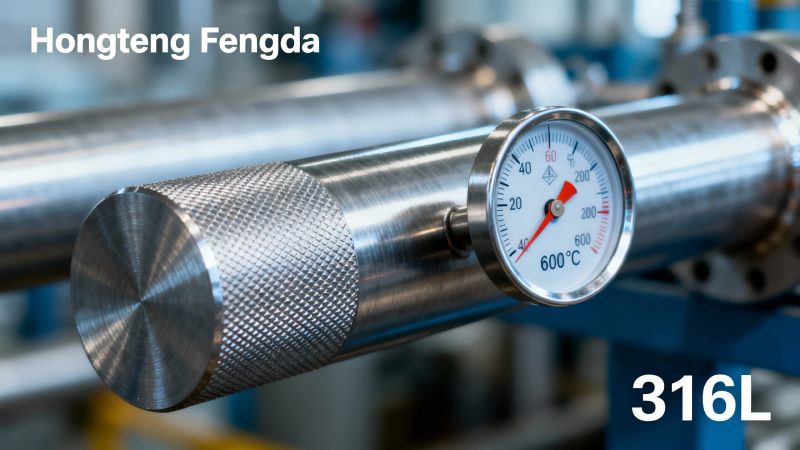
Definition and Key Characteristics of High Temperature Steel
High temperature steels are specialized alloys designed to maintain mechanical strength, oxidation resistance, and microstructural stability at elevated temperatures, often exceeding 500°C. For boiler applications, these properties are vital, as such systems operate under continuous thermal stress and cyclic loading conditions. Steels such as ferritic, austenitic, martensitic, and duplex grades each provide specific advantages in terms of creep resistance, weldability, and corrosion performance. In practical engineering contexts, stainless grades like 304, 316, and high-chromium molybdenum alloys are frequently used due to their durability and cost balance. For example, 316 and duplex grades provide superior resistance to chloride-induced corrosion, crucial in boiler feedwater environments. The choice of material depends not only on thermal resistance but also on the required forming and welding behavior. Within this context, Hongteng Fengda’s experience as a coil stainless steel exporter in China ensures customers receive precise steel solutions meeting technical and environmental demands. Their manufacturing lines can deliver Q195, Q235B, or stainless-based alloys configured for both static and dynamic boiler environments, ensuring smooth performance throughout service life.
Market Overview and Global Supply Trends
The global high temperature steel market continues to expand, driven by heightened energy demand, modernization of thermal power plants, and stricter environmental compliance. As industrial facilities upgrade to meet higher efficiency targets, boiler technology requires materials capable of handling supercritical and ultra-supercritical parameters. European buyers, in particular, rely on SGS certified steel suppliers to validate composition and heat treatment integrity. Asian exporters, including major hubs in China, have built competitive advantages in producing coil stainless steels and customized welded tubing systems suited for oil and gas, chemical processing, and thermal power generation. Market analysts anticipate steady growth in stainless-based boiler materials such as 304 coil for industrial applications and 316 coil for high-pressure systems. Supply chain diversification has also risen in importance; international purchasers seek stable partners with proven logistical reliability. Hongteng Fengda’s role as a structural steel manufacturer and exporter emphasizes quality assurance, efficient shipping timelines, and flexible customization services, enabling customers in North America, Europe, the Middle East, and Southeast Asia to control procurement costs while maintaining material excellence.
Technical Performance and Key Parameters
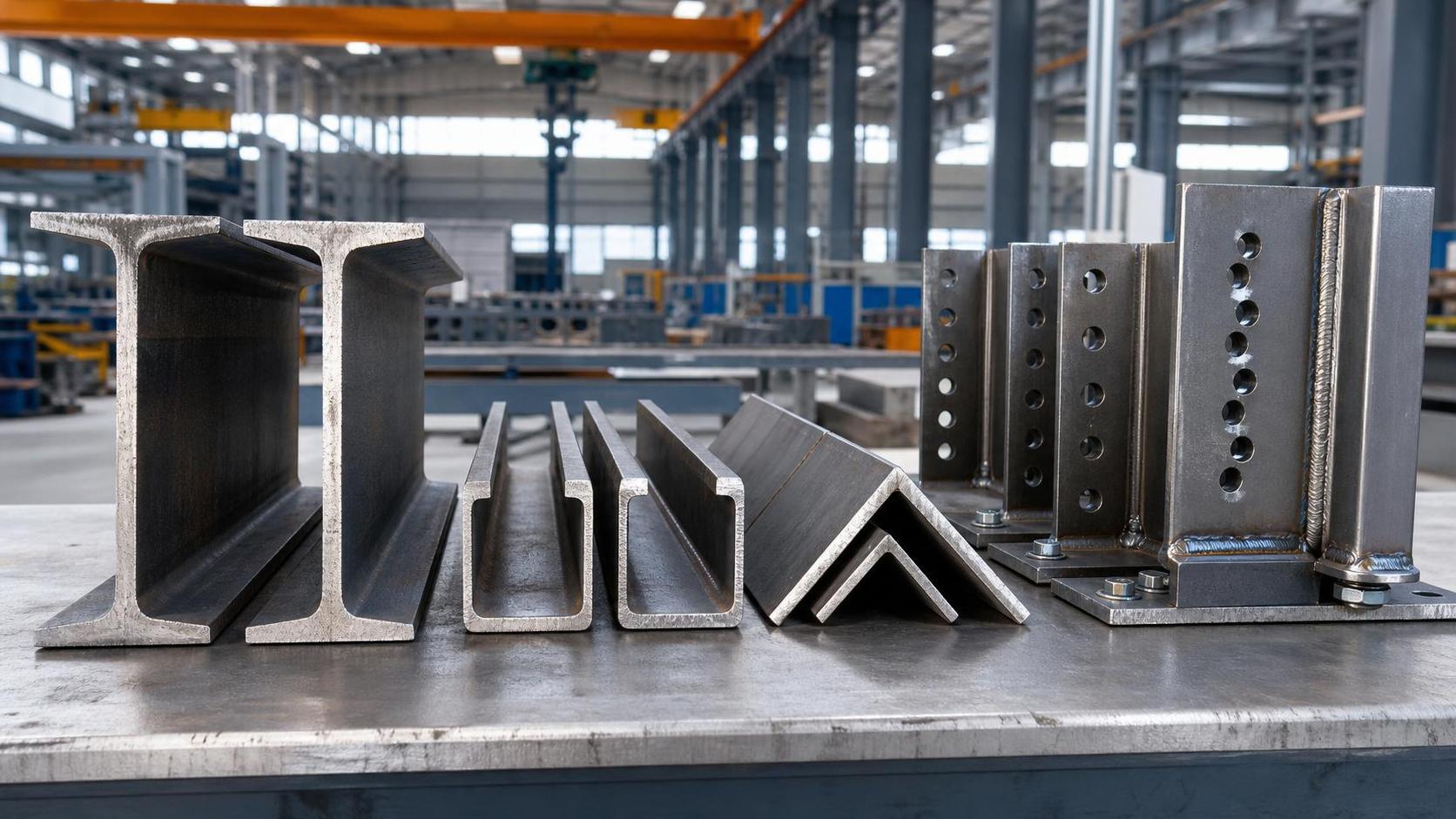
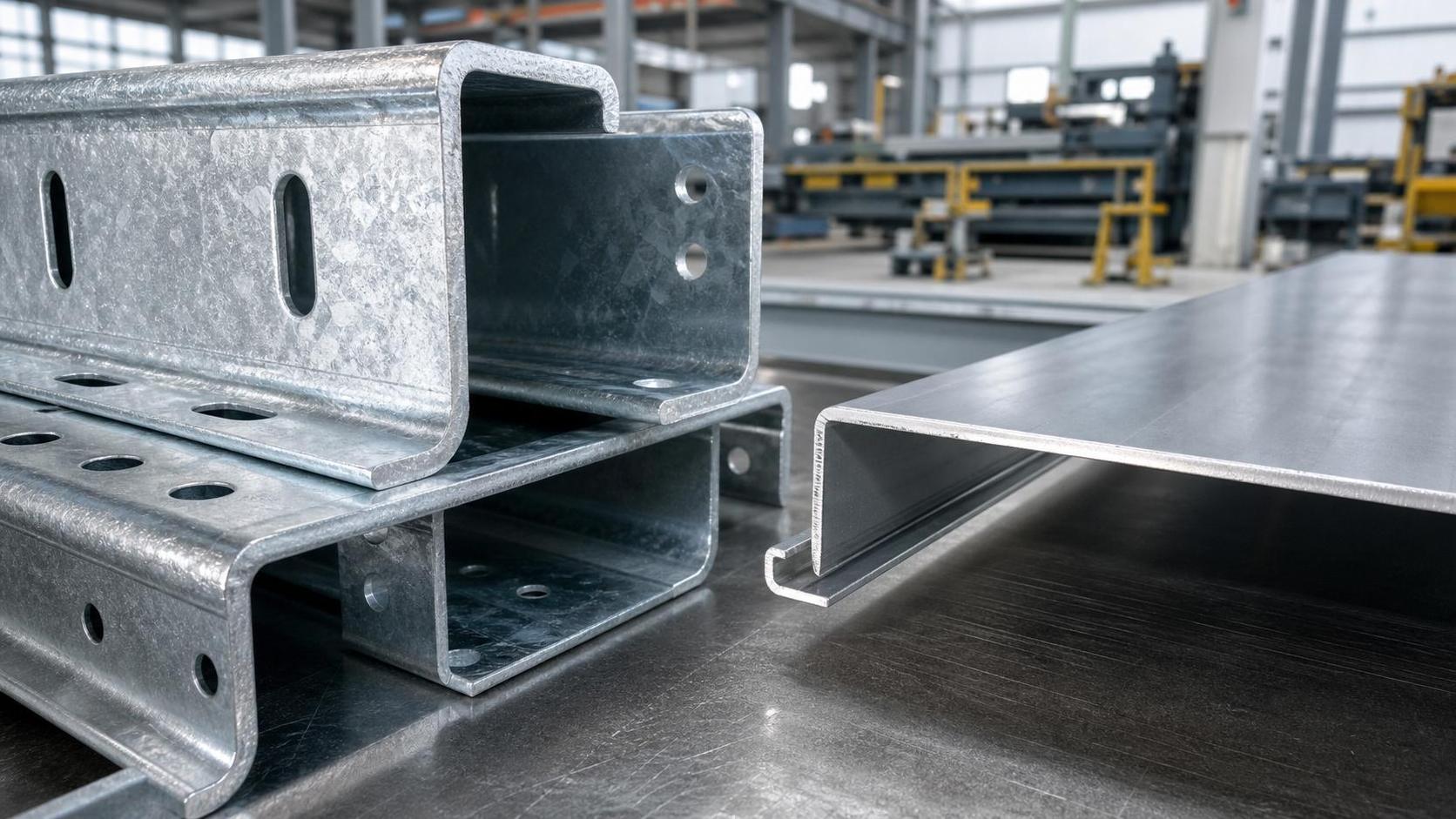
Technical specifications define the reliability of steel under operational stress. Parameters such as creep strength, tensile retention, thermal expansion, weldability, and microstructural stabilization at elevated temperatures form the decision-making core. For instance, boiler-grade stainless steels should retain more than 70% of their room-temperature tensile strength at 600°C. Chrome and molybdenum additions enhance oxidation resistance. When evaluating alternatives, engineers must assess alloy composition, grain refinement, and thermal fatigue behavior. According to industry practice, 304L and 316L grades offer cost-effective solutions for moderate thermal loads, while advanced alloys like 347H or Incoloy grade provide premium performance for ultra-high temperature boilers. For structural assemblies requiring additional support beams or frames, channel-shaped profiles made from Q235B or Q345B prove advantageous. A practical example is the Channel Steel Supplier product series offered by Hongteng Fengda, covering specifications such as thickness 1.5–25mm, lengths up to 12m, and compliance with AISI, ASTM, DIN, and GB/T standards. These profiles are suitable for construction, mechanical columns, and beam support structures within boiler plants, combining durability with easy installation. Technical certifications including ISO, CE, and SGS reinforce product reliability.
Procurement Guide and Selection Process
Selecting high temperature steel involves balancing material performance with economic constraints, supply stability, and compliance with regional regulations. The procurement process typically starts with defining the service environment—temperature range, pressure, corrosion exposure, and expected operational lifespan. Buyers should request mill test certificates and SGS or BV certification documents verifying mechanical and chemical conformity. It is advisable to consult experienced suppliers capable of producing both standard and OEM components for boilers. Hongteng Fengda’s procurement support includes thorough documentation packages, precise dimensional tolerances, and customization for different applications such as welded stainless tubing for oil and gas or cold formed steel profiles for industrial plants. Cost factors should never override safety and operational endurance, yet 2024 trends show competitive ss 316 coil price per ton due to optimized production and raw material logistics across Asia. Long-term procurement strategies should integrate risk-sharing agreements and stable delivery schedules, empowering engineers and investors to mitigate project delays. When choosing suppliers, consider their batch traceability, heat treatment facilities, and commitment to sustainability practices under international environmental standards.
Cost & Alternatives in 2024
Cost dynamics in high temperature steel largely depend on alloying elements like nickel, molybdenum, and chromium, whose market prices fluctuate with global demand. In 2024, procurement executives should monitor stainless coil rates especially for 304 and 316 grades often used in boiler shell fabrication. The average ss 316 coil price per ton has shown marginal variation compared to 2023, with moderate inflation attributed to raw material logistics. Alternatives such as duplex stainless offer enhanced strength-to-weight ratio, reducing overall material consumption while maintaining required thermal resistance. Hot-dip galvanized steels, though not suitable for extreme high-temperature areas, serve well for auxiliary boiler structure support. Combining austenitic plates with carbon-based channel steel can optimize cost and reduce total system mass. Hongteng Fengda’s abundant stock ensures procurement flexibility, letting buyers adjust grade combinations without schedule risk. For packaging and transport, steel strapping for packaging industry use is standardized to protect materials in transit. Moreover, digital quotation systems now allow quick referencing between suppliers, supporting decision-makers in comparing coil stainless steel exporters in China versus regional stainless steel roll manufacturer in Germany to find balanced cost-performance outcomes.
Standards, Certification, and Quality Control
Compliance with international quality standards is fundamental in steel procurement. Boiler-grade materials must conform to ASTM A213, A335, or EN 10216-2 specifications defining mechanical and chemical tolerances. Certified facilities demonstrate consistent traceability through ISO 9001 quality management and ISO 14001 environmental frameworks. Third-party inspections such as SGS, BV, or CE mark verification assure end users of product authenticity. Hongteng Fengda, as an SGS certified steel supplier in Europe and Asia, maintains documentation from material melt point to final shipment. Their process includes ultrasonic testing for internal defects, surface inspection, and dimensional confirmation under GB/T tolerances. The integration of automated welding lines helps ensure uniform fusion during production of welded stainless tubing for oil and gas installations. Such testing regimes assure plant operators and quality control managers that every coil or beam supplied is capable of long-term performance stability. Reliability at elevated temperature is not merely a matter of chemical consistency but also of consistent quality monitoring at each production phase.
Case Studies and Application Scenarios
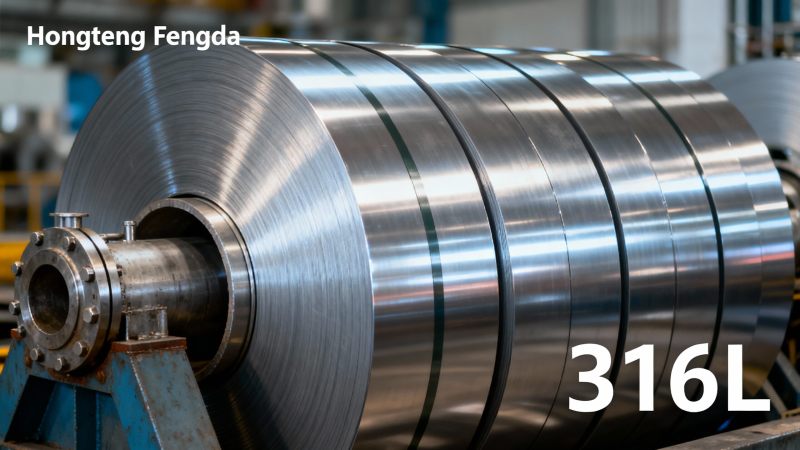
Real-world installations illustrate the versatility of boiler steels. In European power facilities, stainless 316 tubing has replaced older carbon-manganese steels, extending maintenance intervals by 35%. In Southeast Asia, manufacturers adapting 304 coil for industrial applications applied advanced welding techniques to lower joint micro-defects, enhancing efficiency. A North American refinery sourced duplex-grade coils through Hongteng Fengda for their pressure recovery unit, resulting in stable heat exchange under continuous sulfur exposure. Beyond traditional steam plants, high temperature steels appear in waste-heat boilers for the automobile industry and mechanical columns supporting heat treatment furnaces. Structural components such as those supplied by the Channel Steel Supplier portfolio find use as wall beams, purlins, or lightweight roof frames integrated into boiler rooms, ensuring safe load distribution. These examples underline that the proper selection and certified supply chain translate into measurable gains in lifecycle performance, cost savings, and operational safety for project managers and engineering teams worldwide.
Trend and Future Insights
Technological and economic factors increasingly shape the direction of the global high temperature steel industry. 2024 forecasts highlight sustained investment in advanced metallurgy, including powder-based superalloys and microalloyed ferritic grades designed for higher energy efficiency. Digitalization in production allows suppliers like Hongteng Fengda to control processing temperatures, heat treatment curves, and compositional accuracy within narrow tolerances. Sustainability will become a major decision driver. End users now prefer recyclable alloys and low-emission manufacturing practices aligned with global ESG benchmarks. Furthermore, new hybrid materials combining stainless matrices with ceramic coatings are under investigation for next-generation boilers operating above 650°C. Procurement teams should anticipate smarter pricing models enabled by AI-based demand prediction. In this evolving landscape, reliable partners offering transparent supply capabilities across continents will differentiate themselves. Continuous quality improvement, technical consulting, and adaptive logistics will define the next decade of steel sourcing for global boiler construction markets.
Why Choose Hongteng Fengda
Hongteng Fengda stands out as a trusted long-term structural steel partner, integrating technical expertise with manufacturing scale. As a structural steel manufacturer and exporter from China, the company delivers certified materials under ASTM, EN, JIS, and GB standards, ensuring compliance for global customers. Its strong product lineup encompasses angle steel, channel steel, beams, cold formed profiles, and stainless coils tailored for specific industrial environments. The company supports clients in North America, Europe, the Middle East, and Southeast Asia with consistent quality, competitive pricing, and dependable delivery. Whether you are a project manager, purchasing officer, or engineer seeking SGS verified high temperature steel for boiler applications, Hongteng Fengda ensures peace of mind through reliable sourcing, professional guidance, and technical support. Contact their sales engineers to evaluate your 2024 material requirements, explore OEM solutions, and secure sustainable partnerships focused on efficiency and safety.
- channel steel supplier
- channel steel
- steel i
- angle steel
- steel supplier
- steel suppliers
- hot-dip galvanized
- galvanized steel
- structural steel
- steel profiles
- Structural Steel
- high temperature steel
- SGS certified steel
- welded stainless tubing
- stainless coil
- ss coil
- coil stainless
- 304 coil
- ss 316 coil
- stainless steel roll
- steel strapping
- Profile
- Galvanized
- steel profile
- steel strapping for packaging industry
- stainless steel roll manufacturer in Germany
- ss 316 coil price per ton
- 304 coil for industrial applications
- coil stainless steel exporter in China
- welded stainless tubing for oil and gas
- SGS certified steel supplier in Europe
- high temperature steel for boiler applications
Related recommendations
 How to Select a Steel Profile Based on Load, Span, and Fabrication NeedsProfile selection starts with load, span, and fabrication needs. Learn how to compare steel sections for strength, cost, workability, and sourcing efficiency.
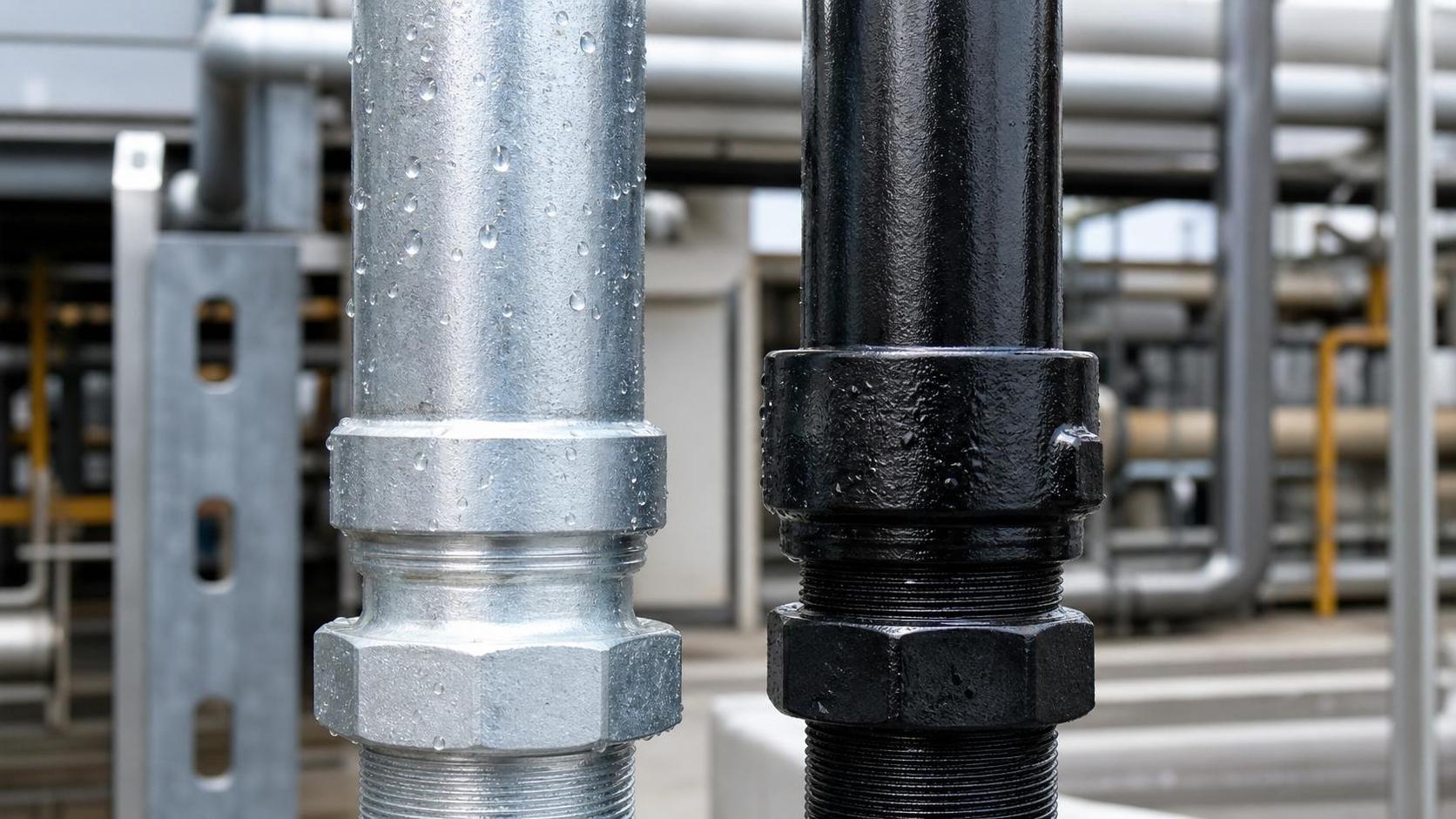
 Galvanized Pipe vs Black Pipe: Which One Fits Water, Gas, or Outdoor Lines?Galvanized pipe or black pipe? Compare the best choice for water, gas, and outdoor lines, with key insights on corrosion, codes, cost, and long-term performance.
 How to Choose Steel Roofing for Warehouses, Farms, and Residential BuildingsSteel Roofing selection depends on building type. Learn how warehouses, farms, and homes differ in corrosion, insulation, drainage, and cost for smarter roofing decisions.
 Hot-Dip Galvanized vs Pre-Galvanized Steel: Which Should You Specify?Hot-dip galvanized vs pre-galvanized steel: compare corrosion resistance, fabrication impact, cost, and standards to specify the right steel solution for durable, compliant projects.
Please give us a message


Please enter what you want to find