Partnering with an SGS certified steel supplier in Europe is a key step toward securing consistent quality and compliance in demanding industrial sectors. For buyers seeking reliable high temperature steel for boiler applications, welded stainless tubing for oil and gas, or a trusted coil stainless steel exporter in China, choosing a verified source ensures traceability and performance. With growing demand for materials such as 304 coil for industrial applications and stainless steel roll manufacturer services in Germany, working with certified suppliers helps reduce sourcing risks while meeting international standards for safety and durability. Industrial buyers, project managers, and quality inspectors all benefit from consistent product records, traceable mill data, and technical transparency. In a market shaped by sustainability and performance targets, SGS certification is an essential symbol of trust and proven consistency.
Definition and Quality Concept Behind SGS Certified Steel Supply
An SGS certified steel supplier in Europe refers to a manufacturer or exporter whose production processes, material sourcing, and product testing procedures have been audited by SGS — an internationally recognized inspection and certification agency. This certification represents a scientific verification of quality control systems and compliance with standards such as ISO 9001, EN 10025, and ASTM A36. When structural or stainless steels for industrial projects are involved, the SGS mark assures purchasers that every batch has undergone chemical composition analysis, tensile strength verification, and dimensional inspection. The advantage for procurement teams and engineers lies in predictable performance and minimized rejection rates, especially for materials used in structural frames, pressure vessels, and pipelines. Choosing an SGS certified steel supplier in Europe also aligns with sustainability goals, as these producers typically maintain detailed life-cycle documentation to support responsible sourcing.
Market Overview: Steel Quality and Compliance Demands in the European Industrial Sector
Europe’s demand for high-grade steel products is driven by construction, energy, transportation, and machinery manufacturing projects that require approved suppliers to meet strict directives. The pressure to achieve EN and ISO conformity has grown in tandem with the region’s push for eco-friendly production and traceable material supply chains. Industrial buyers compare SGS inspection results when evaluating welded stainless tubing for oil and gas projects or coil stainless steel exporter options from China. Especially in critical infrastructure, even minor deviations in tolerance or coating thickness can cause project delays. For instance, high temperature steel for boiler applications must exhibit uniform microstructure stability above 600°C, while ss 316 coil price per ton considerations affect lifecycle cost strategies in marine and chemical sectors. Global suppliers like Hongteng Fengda, as a leading structural steel manufacturer and exporter from China, adapt their production to these requirements—maintaining compliance while offering flexible OEM solutions across angle steel, beams, and cold formed profiles.
Technical Performance and Product Highlights
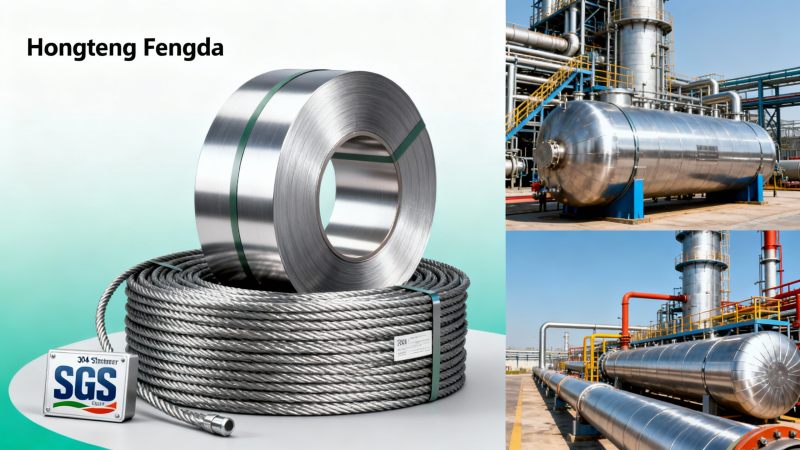
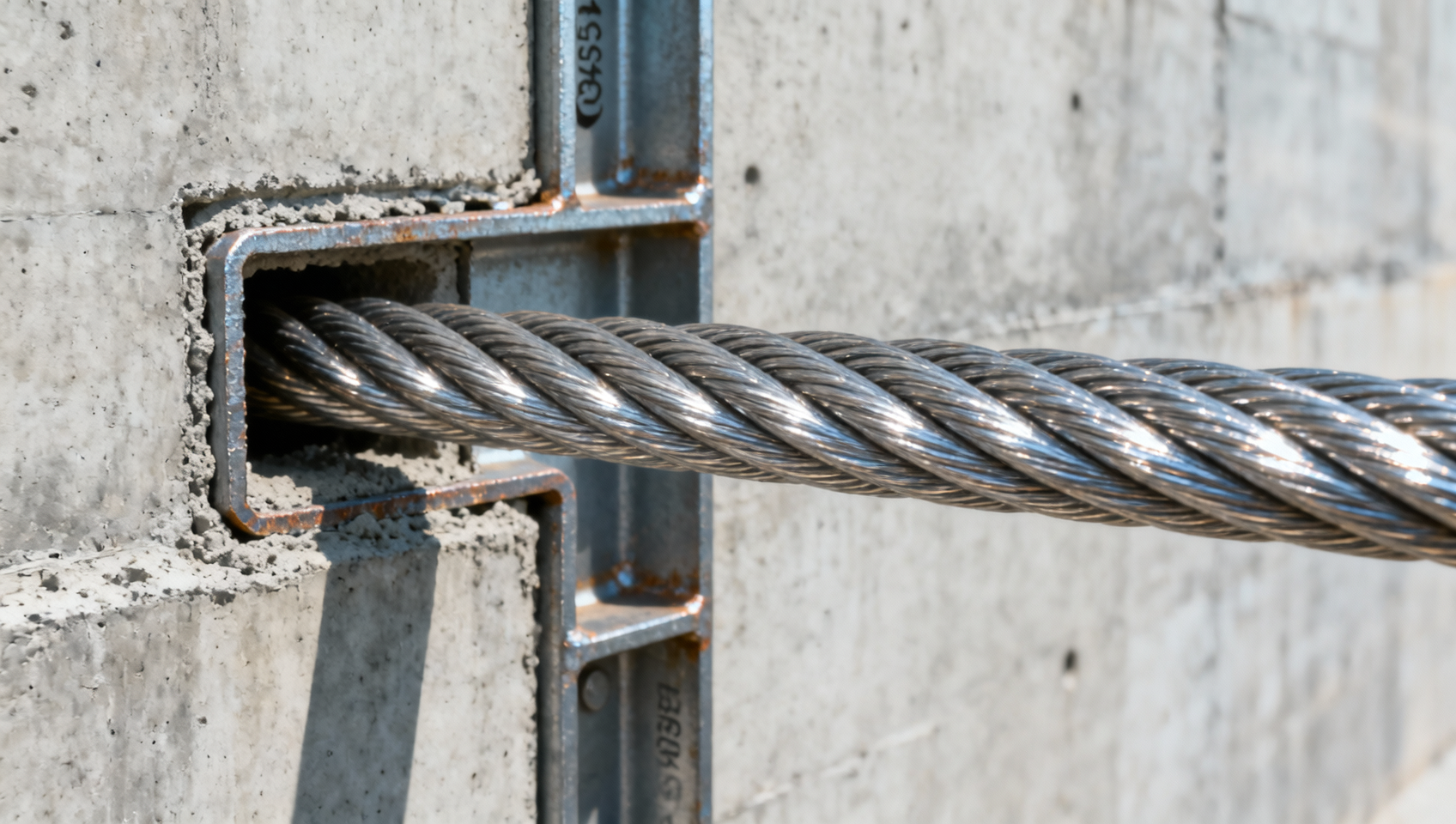
Performance in structural and stainless steel materials is defined through yield strength, corrosion resistance, weldability, and coating integrity. SGS certification verifies that properties such as tensile strength consistency or zinc layer adhesion conform to prescribed limits. For example, products like 0.7mm 0.8mm 1.2mm 1.6mm 1.8mm 2mm diameter Galvanized Steel Wire Rope demonstrate robustness across applications from cranes and elevators to oil drilling rigs. Their steel core and zinc coating variations — thin (15–135 g/m²), medium (60–200 g/m²), and thick (75–260 g/m²) — accommodate diverse corrosion conditions in oil & gas, railways, and marine environments. The tensile strength range from 1470 MPa to 1960 MPa, verified under SGS and ISO 9001 systems, ensures mechanical durability even under dynamic load. This level of testing precision supports industrial-grade applications requiring impeccable dimensional control, and complements structural steel components supplied by Hongteng Fengda under ASTM, EN, JIS, or GB standards.
Application Scenarios and Sector-Specific Requirements
Industries requiring secure load-bearing performance increasingly look for SGS-certified partnership. In construction, SGS certification ensures that channel beams, steel profiles, or inox plate for construction projects meet static and fatigue loading specifications. In energy sectors, certified welded stainless tubing for oil and gas helps prevent leaks and corrosion during offshore drilling, while high temperature steel for boiler applications safeguards thermal systems. Packaging manufacturers select steel strapping for packaging industry solutions with SGS verification to prevent accidents during logistics. For European buyers, the trust comes from knowing that each sheet of flat stainless steel supplier in USA markets or coil supplied from Asia has validated documentation. Hongteng Fengda combines this assurance with strong export support; its coil stainless steel exporter operations in China provide traceable mill certificates, ensuring that engineering teams in Europe can integrate materials directly into EN-approved processes without quality conflicts.
Comparison Analysis: Certified vs. Non-Certified Suppliers
Comparing an SGS certified steel supplier in Europe with an uncertified one highlights tangible differences in accountability, risk mitigation, and documentation accuracy. Certified suppliers follow traceable inspection routes — from raw billet to finished coil — with proper verification of coating thickness, mechanical performance, and heat treatment processes. In contrast, uncertified suppliers often rely on internal, non-standardized testing protocols, leaving uncertainties in mill origin or composition deviation. For procurement departments, relying on meticulous audits directly influences financial outcomes, since poorly documented steel may lead to rework or structural integrity issues. While the certified source might present a slightly higher ss 316 coil price per ton, the lifecycle value is substantially higher, as failures and project interruptions are minimized. This principle extends across all metals, particularly for components used in cranes, ziplines, or photovoltaic support systems, where the reliability of each strand or plate defines occupational safety.
Procurement Guide and Cost Considerations
Effective procurement in the steel industry isn’t solely about price; it’s about predictable functionality aligned with global compliance requirements. When selecting a coil stainless steel exporter in China or stainless steel roll manufacturer in Germany, buyers evaluate documentation formats such as the EN 10204 Type 3.1 certificate, SGS testing summary, and surface finish report. Detailed cost analysis should weigh coating type, tensile grade, and logistics reliability. The inclusion of SGS validation typically reduces inspection duplication on-site, accelerating acceptance by third-party supervision agencies. Organizations like Hongteng Fengda help buyers achieve balanced procurement strategies by offering transparent data sheets, standardized packing, and logistics traceability. Whether sourcing 304 coil for industrial applications or upgraded galvanized wire ropes, firms can optimize overall project schedules while ensuring structural compliance across borders.
Standards & Certification: The Framework That Defines Excellence
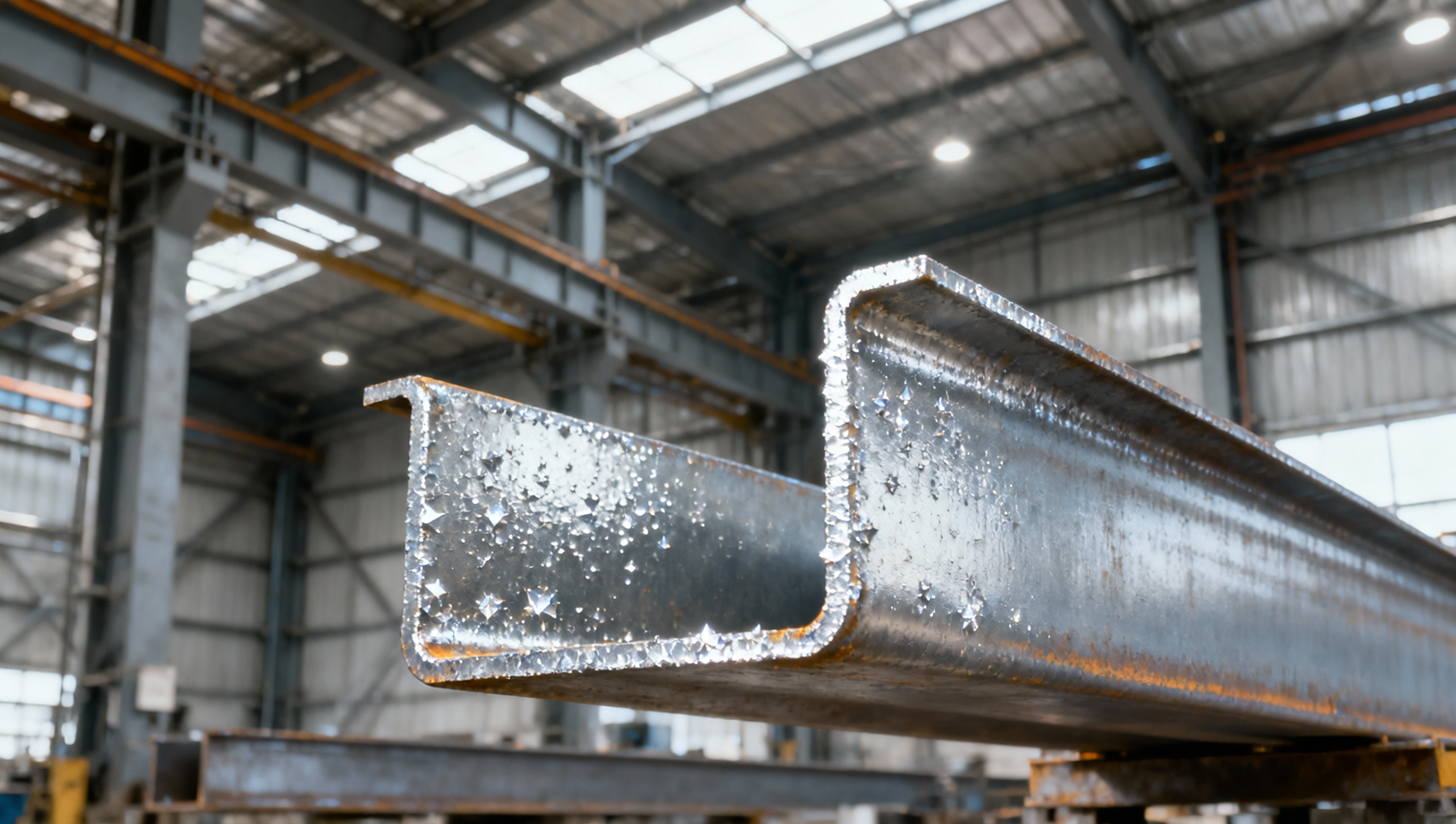
SGS certification acts as the convergence of numerous international benchmarks—ISO 9001 for quality management, ISO 14001 for environmental practices, and EN ISO 9606 for welding qualification. For steel producers, compliance means every weld seam, roll coil, or plate must be traceable via documentation that records chemistry, batch numbers, and inspection criteria. SGS inspectors verify test reports based on EN 10080 (for reinforcement) or GB/T 20116‑2008 (for galvanized wire) standards. This ensures that a buyer in Germany or the UK can confidently specify materials without repeated factory audits. Hongteng Fengda adheres to these frameworks, integrating ASTM A36 and JIS G3101 inspections into continuous production monitoring. The company’s structural beams, channel steels, and cold-formed profiles undergo precise quality verification under certified conditions, making it a dependable partner for clients pursuing European tenders.
Case Study: Delivering Certified Structural Steel Across Markets
One remarkable example involves a manufacturing group in Eastern Europe constructing an automated crane facility. The client required SGS-verified beams, plus galvanized components for lifting systems. By sourcing through Hongteng Fengda, they acquired standardized materials that matched European EN 1090 requirements. SGS auditors confirmed compliance on tensile strength, surface coating, and welding inspectability, resulting in an accelerated acceptance process. Similarly, a marine engineering firm selecting 0.7mm 0.8mm 1.2mm 1.6mm 1.8mm 2mm diameter Galvanized Steel Wire Rope appreciated the structured certification that safeguarded operations under saline conditions. The use of 6×19 + FC model ropes enabled the equipment to run for extended duty cycles without corrosion breakage. Such cases underline how SGS verification transforms buyer confidence from theory into measurable project efficiency, bridging compliance across continents.
Trend & Insights: The Future of Certified Steel Procurement
Globally, digital traceability and sustainability metrics are redefining how steel suppliers demonstrate credibility. European initiatives such as the CE marking framework and green procurement directives are increasing the demand for SGS-certified data transparency. Cloud-based quality management systems now integrate real-time inspection updates, enabling engineers to verify coil data before shipment. Parallel to these trends, the growing focus on high temperature steel for boiler applications and energy storage structures pushes SGS evaluation deeper into metallurgical analysis. Hongteng Fengda is investing in digital QA and low-carbon production, aligning its exports with these evolving standards while maintaining cost-effectiveness. Future procurement decisions will increasingly hinge on how seamlessly suppliers can combine verified quality data with environmental accountability—ensuring that every coil, plate, or rope can be trusted throughout its service life.
Why Choose Hongteng Fengda
Choosing Hongteng Fengda means working with a structural steel manufacturer that upholds rigorous SGS certification and international compliance. From angle steel to custom cold formed profiles, every product is inspected through controlled processes that meet ASTM, EN, JIS, and GB standards. The company’s global expertise allows European clients to streamline procurement, minimize inspection redundancy, and ensure certified documentation accompanies every shipment. Whether you’re a buyer analyzing ss 316 coil price per ton or a project director managing welded stainless tubing for oil and gas, Hongteng Fengda provides dependable quality assurance backed by audited manufacturing systems. Our commitment is long-term collaboration — strengthening industrial reliability and helping global partners complete projects safely, on schedule, and within budget. To discuss upcoming requirements or obtain compliant steel solutions, please contact our international sales team today for professional assistance and technical consultation.
- channel steel
- channel beam
- steel i
- angle steel
- galvanized steel wire
- galvanized wire
- steel supplier
- steel suppliers
- galvanized steel
- ASTM A36
- structural steel
- steel profiles
- Structural Steel
- high temperature steel
- SGS certified steel
- stainless steel supplier
- welded stainless tubing
- coil stainless
- 304 coil
- ss 316 coil
- stainless steel roll
- steel strapping
- flat stainless steel
- inox plate
- Profile
- Galvanized Steel Wire Rope
- Galvanized
- Steel Wire
- steel profile
- steel wire rope
- inox plate for construction projects
- flat stainless steel supplier in USA
- steel strapping for packaging industry
- stainless steel roll manufacturer in Germany
- ss 316 coil price per ton
- 304 coil for industrial applications
- coil stainless steel exporter in China
- welded stainless tubing for oil and gas
- SGS certified steel supplier in Europe
- high temperature steel for boiler applications
Related recommendations
 Top 5 Stainless Steel Coil Manufacturers in Asia: Capabilities, Certifications, and Export Readiness for Global EPC Contractorssteel coil manufacturers: Discover Asia’s top 5 stainless steel coil suppliers—certified, traceable, and export-ready for global EPC projects.
 Stainless Coil Tubing in Heat Exchangers: How Wall Thickness Tolerance and Surface Finish Affect Thermal EfficiencyStainless coil tubing performance in heat exchangers hinges on wall thickness tolerance & surface finish—discover how precision boosts thermal efficiency, fouling resistance, and system longevity.
 Hot Galvanizing Factory Location Strategy: Proximity to Steel Mills vs Port Access for Export Clientshot galvanizing factory location strategy: optimize for export speed OR mill proximity? Data-driven insights for structural steel exporters.
 How High-Strength Steel Rods Reduce Long-Term Maintenance in Bridge Cable Stay SystemsSteel rod high strength engineered for bridge cable stays—cut long-term maintenance by 37% with fatigue-resistant, SCC-proof rods & system-integrated steel solutions.
Please give us a message


Please enter what you want to find