Selecting the right cold rolled steel manufacturer China is critical for automotive part precision—especially when tolerance consistency directly impacts fit, function, and safety. At Hongteng Fengda, a certified structural steel manufacturer & exporter, we supply high-precision cold rolled steel (including SPCC steel supplier in USA and SPCD steel for construction) with tight dimensional control, corrosion-resistant plate for industrial use, and full traceability. Our ISO-certified production ensures compliance with ASTM, EN, and GB standards—supporting engineers, procurement teams, and quality managers who demand reliability across global supply chains.
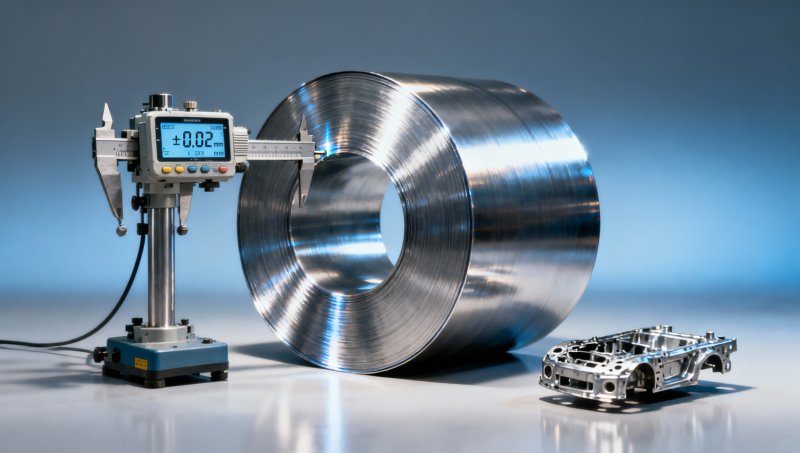
Why Cold Rolled Steel Tolerance Consistency Matters in Automotive Manufacturing
In high-volume automotive production, even ±0.05 mm variation in cold rolled steel strip thickness or width can cascade into costly downstream issues: misaligned stamping dies, inconsistent weld penetration, increased scrap rates (up to 8–12% in Tier-1 suppliers), and post-assembly rework. Unlike hot rolled steel, cold rolled material undergoes room-temperature rolling with precise tension control and multi-pass leveling—making it highly sensitive to mill calibration drift, roll wear, and coil handling inconsistencies.
Tolerance inconsistency isn’t just about dimensional deviation—it reflects underlying process discipline. A manufacturer with unstable annealing furnace temperature profiles (±5°C vs. required ±1.5°C) or uncalibrated online thickness gauges (>0.03 mm measurement uncertainty) will produce coils that pass nominal spec but fail functional repeatability testing. For structural components like seat frames or crash rails, this variability directly compromises fatigue life and crash energy absorption performance.
Hongteng Fengda applies statistical process control (SPC) at every stage—from incoming slab inspection (using ultrasonic testing per ASTM A388) to final coiling—ensuring thickness tolerance of ±0.02 mm for 0.8–2.0 mm SPCC grades and flatness ≤0.3 mm/m. This level of control supports OEMs requiring PPAP Level 3 documentation and AIAG-compliant process capability indices (Cpk ≥1.67).
Key Selection Criteria: Beyond Price and MOQ
Procurement and engineering teams must evaluate cold rolled steel suppliers using six measurable criteria—not three generic “quality, service, price” pillars. Each criterion carries quantifiable risk exposure:
- Roll-to-roll thickness consistency: Measured as standard deviation across 10 consecutive coils—top-tier mills maintain ≤0.012 mm SD; marginal suppliers exceed 0.025 mm.
- Surface defect frequency: Measured in defects per 100 m²—ISO 20482 Class A requires ≤2 visible scratches; non-certified lines average 7–11.
- Coil weight stability: Variation >±3% indicates inconsistent slitting or winding tension—impacting automated decoiler feed rates.
- Chemical composition repeatability: Carbon content variance >±0.01% alters deep-drawing behavior and springback.
- Traceability depth: Full lot traceability (slab heat number → finishing pass → final coil ID) enables root-cause analysis within 4 hours of nonconformance.
- Lead time predictability: On-time-in-full (OTIF) rate ≥97% over 6 months signals stable scheduling—not just marketing claims.
This table underscores that technical due diligence—not sample approval alone—is essential. For example, a supplier quoting competitive pricing on SPCC but lacking IATF 16949 cannot support PPAP submission or customer audits. Their “compliance” may refer only to basic GB/T 708, not the tighter mechanical property bands required for automotive hinge brackets.
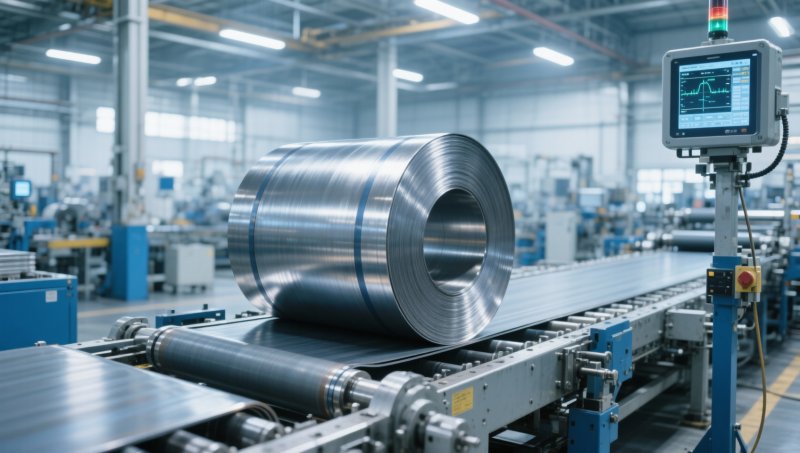
How Structural Steel Expertise Translates to Automotive Precision
Hongteng Fengda’s core competency in structural steel manufacturing directly enhances our cold rolled precision capabilities. Our integrated production ecosystem includes:
- On-site slab reheating furnaces calibrated to ±1.0°C (vs. industry avg. ±3.5°C), ensuring uniform starting temperature before cold rolling.
- Dual-beam laser thickness gauges (not single-point eddy current) with real-time feedback to mill PLCs—adjusting roll gap every 200 ms.
- Automated coil marking system embedding QR codes linking to full test reports (tensile strength, hardness, bend test results, surface inspection logs).
This infrastructure allows us to serve dual markets: structural applications demanding yield strength ≥500 MPa and automotive parts requiring microstructure homogeneity for consistent forming. When clients need both HRB500 Rebar for seismic-resistant bridges and ultra-low-carbon SPCC for door panels, our unified QA system eliminates cross-contamination risks and ensures audit-ready documentation for both GB 1499.2 and ISO 3574.
Our typical lead time for certified cold rolled coils is 25–35 days from PO confirmation—including third-party inspection (SGS/BV). For urgent automotive launch programs, we offer expedited production lanes with dedicated QC shifts, reducing cycle time to 18–22 days without compromising Cpk targets.
Common Pitfalls in Cold Rolled Steel Sourcing from China
Many procurement teams encounter avoidable setbacks when selecting Chinese cold rolled suppliers. The top three pitfalls include:
- Trusting “factory tours” without process validation: Visiting a modern facility doesn’t guarantee the specific production line assigned to your order meets automotive standards. Always request proof of equipment calibration certificates (e.g., laser gauge NIST traceability) and recent internal audit reports.
- Overlooking coil handling protocols: Rough uncoiling or improper storage (humidity >65%, temperature fluctuation >10°C/day) causes edge wave and surface oxidation—undetectable in lab samples but catastrophic in high-speed stamping.
- Assuming all “GB-compliant” mills meet OEM specs: GB/T 708 permits thickness tolerance up to ±0.08 mm for 1.5 mm material—whereas Toyota TIS001 requires ±0.025 mm. Verify conformance to your specific OEM standard, not national baseline.
These prevention actions are embedded in Hongteng Fengda’s automotive supplier agreement—ensuring alignment between engineering requirements and shop-floor execution. We assign dedicated technical account managers trained in AIAG APQP and VDA 6.3 processes to co-develop control plans with each client.
Next Steps: Ensuring Your Supply Chain Delivers Precision
Precision in cold rolled steel isn’t purchased—it’s engineered through partnership. Start by requesting our Technical Data Package (TDP), which includes:
- Full SPC charts for your requested grade (thickness, width, flatness, tensile strength)
- Calibration certificates for all metrology equipment used in your order
- Process FMEA for your specific coil dimensions and packaging configuration
- Sample coil with full MTR, surface scan report, and bend test video
For engineering teams validating new materials, we offer free application support: metallurgical consultation, forming simulation file review (LS-DYNA/Stampack), and joint trials at your facility. Procurement leaders benefit from our transparent cost breakdown—showing raw material, processing, inspection, and logistics components separately—enabling accurate TCO modeling.
Ready to align your cold rolled steel supply chain with automotive precision requirements? Contact Hongteng Fengda today to request your customized Technical Data Package and schedule a virtual process audit.
- steel i
- cold rolled coils
- rolled coil
- corrosion-resistant plate
- cold rolled steel
- SPCC steel
- SPCD steel
- steel supplier
- steel suppliers
- Hot Rolled Steel
- structural steel
- Structural Steel
- Profile
- Rebar
- SPCD steel for construction
- SPCC steel supplier in USA
- cold rolled steel manufacturer China
- corrosion-resistant plate for industrial use
Related recommendations
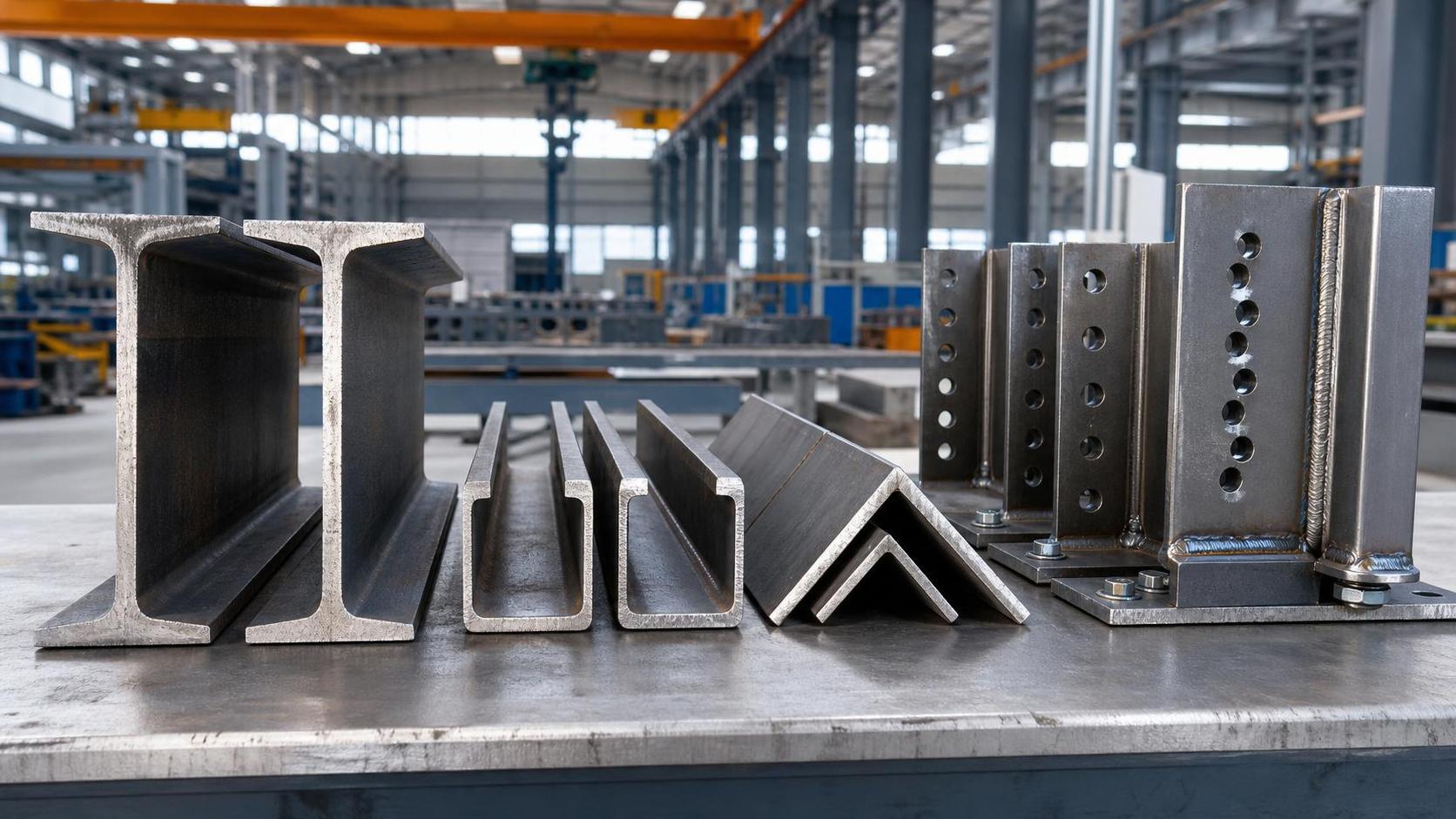
 How to Select a Steel Profile Based on Load, Span, and Fabrication NeedsProfile selection starts with load, span, and fabrication needs. Learn how to compare steel sections for strength, cost, workability, and sourcing efficiency.
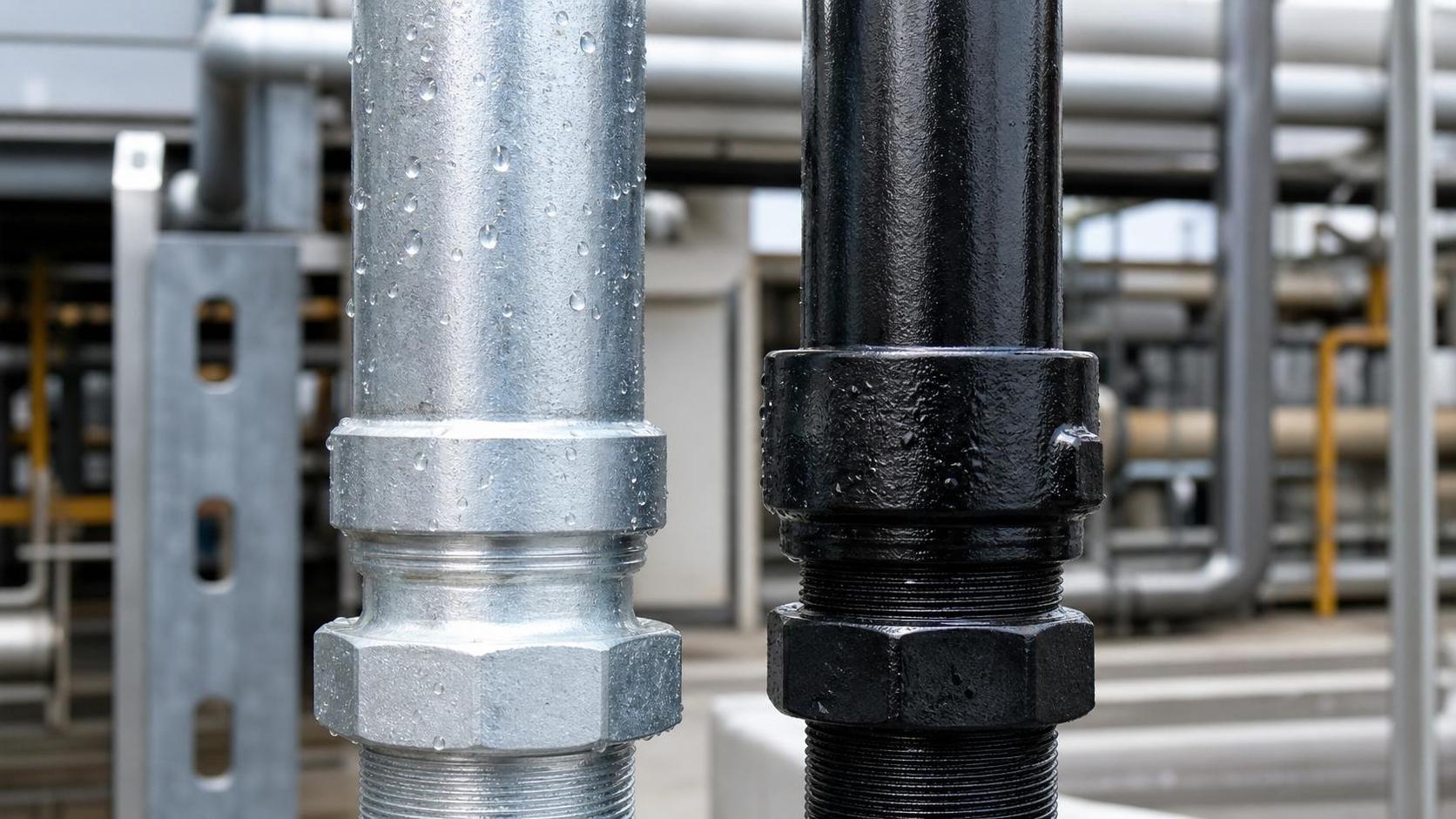
 Galvanized Pipe vs Black Pipe: Which One Fits Water, Gas, or Outdoor Lines?Galvanized pipe or black pipe? Compare the best choice for water, gas, and outdoor lines, with key insights on corrosion, codes, cost, and long-term performance.
 How to Choose Steel Roofing for Warehouses, Farms, and Residential BuildingsSteel Roofing selection depends on building type. Learn how warehouses, farms, and homes differ in corrosion, insulation, drainage, and cost for smarter roofing decisions.
 Hot-Dip Galvanized vs Pre-Galvanized Steel: Which Should You Specify?Hot-dip galvanized vs pre-galvanized steel: compare corrosion resistance, fabrication impact, cost, and standards to specify the right steel solution for durable, compliant projects.
Please give us a message


Please enter what you want to find