Selecting the right high strength steel round bar supplier is crucial for achieving an ideal balance between mechanical performance and cost efficiency. For construction and industrial buyers comparing options like angle vs channel steel, or sourcing ASTM certified steel square rods and steel tube for industrial applications, understanding supplier capabilities makes all the difference. As a professional structural steel manufacturer and exporter in China, Hongteng Fengda offers dependable materials and customized solutions that meet international standards and project demands.
Definition and Key Characteristics of High Strength Steel Round Bars
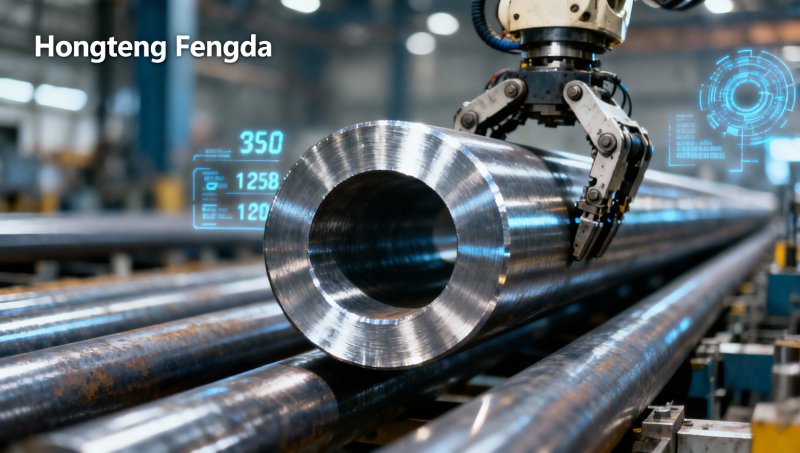
High strength steel round bars are specially engineered rods that deliver superior tensile and yield strength compared to conventional carbon steels. They are designed to withstand extreme loads while maintaining stability and durability under stress. For manufacturing companies, these bars serve as fundamental materials within structural frameworks, machinery shafts, automotive parts, and bridge supports. What makes them particularly advantageous is the combination of high mechanical strength and excellent weldability, providing engineers with the ability to optimize both structural safety and fabrication efficiency. Suppliers offering these products must ensure compliance with international standards such as ASTM, EN, JIS, or GB specifications to maintain consistency across global markets. Structural steel buyers evaluating an angle vs channel steel comparison, or those sourcing steel conduit for electrical wiring, often seek similar levels of mechanical reliability and dimensional tolerance. Therefore, supplier selection becomes a strategic decision impacting not only final product performance but also overall project economics and manufacturing lead times.
Market Overview and Industry Background
The global steel industry has evolved rapidly over the last decade, driven by major infrastructural investments, energy projects, and manufacturing upscaling in North America, Europe, the Middle East, and Southeast Asia. High strength steel continues to gain traction among architects, engineers, and procurement professionals due to its capacity-to-weight advantage and cost efficiency. China has emerged as a leading steel round bar supplier base, integrating advanced production lines with international quality certification. As a Structural Steel Manufacturer & Exporter from China, Hongteng Fengda plays a key role in supporting the shift toward reliable, globally competitive steel sourcing. By combining modern hot-rolling and cold-forming techniques, the company ensures stable mechanical properties and consistent dimensional accuracy. Moreover, global buyers increasingly evaluate steel roof sheet price per square meter, supply availability, and shipment timelines when assessing total procurement cost structures. Within this market, Hongteng Fengda’s adherence to ASTM certified steel square rod production protocols demonstrates how standardized quality assurance directly translates into long-term client trust.
Technical Performance and Material Parameters
The mechanical performance of high strength steel round bars is determined by composition control, refining processes, and post-treatment operations such as quenching and tempering. When compared with mild steels, these bars exhibit higher tensile strengths, typically ranging from 600 MPa to above 1200 MPa depending on the chemical alloying. The yield ratio is also optimized, ensuring better fatigue resistance during repetitive loading—essential for bridge frameworks and mechanical drive components. In addition to round bars, related structural products like H Section Beam feature optimized cross-sectional designs that improve load distribution. Typical specifications such as flange thickness (8–64 mm) and web thickness (5–36.5 mm) support diverse engineering applications. The combination of light weight and strong bending resistance enables project managers to design more efficient frameworks while saving material costs. For instance, the use of Q235B or S355JR materials guarantees a balance between yield strength and weldability that satisfies international construction codes, especially in projects involving steel girder for bridge construction or steel tube for industrial applications.
Comparison Analysis: Angle vs Channel Steel and Round Bar Integration
When considering structural configurations, engineers often analyze geometry differences between angle steel, channel steel, and round bar assemblies. Angle steel offers perpendicular support in frameworks, making it suitable for general structural bracing. Channel steel provides U-shaped rigidity ideal for beam-like constructions. High strength round bars, however, are frequently used in axial force-bearing situations such as machine shafts, tie rods, and reinforcement joints. The decision between these materials depends on structural load conditions, fabrication capabilities, and budget. A comprehensive angle vs channel steel comparison reveals how section geometry impacts moment of inertia and load distribution. The integration of round bars within such frameworks adds axial stability, while the use of ASTM certified steel square rods and tubes supports complex fabrication needs. Hongteng Fengda’s material range covers all these categories, providing both standard and OEM specifications designed to align with various regional building practices and compliance frameworks like EN10025 or ASTM A36.
Procurement and Supplier Selection Guide
Procurement officers and project managers should evaluate suppliers based on technical capability, quality certification, and logistical reliability. A trustworthy high strength steel round bar supplier must not only maintain consistent metallurgical quality but also offer flexibility in size customization, batch consistency, and traceability documentation. Consider whether the supplier complies with standard certifications such as JIS G3101, ASTM A992, or EN10025, and whether mechanical test reports and mill certificates accompany deliveries. Hongteng Fengda’s capacity to provide both hot rolled and cold rolled steel products ensures a broad range of performance options. The company’s production facilities are equipped for large-scale orders with monitored quality checkpoints at every phase, reducing risks of inclusions or dimensional defects. For international buyers balancing quality with budget, proximity to major ports in China provides an advantage by ensuring faster shipping, predictable pricing, and reduced freight costs. Understanding total cost—not just unit material prices—is key to sustainable procurement decisions in modern steel trading.
Standards and Certification Compliance
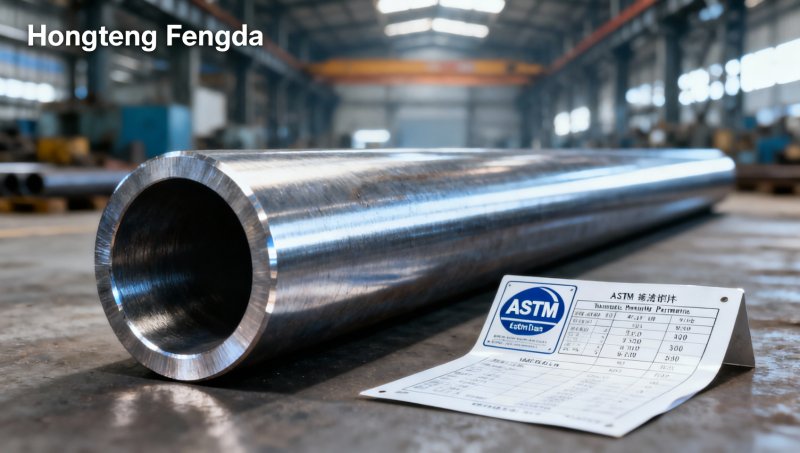
Compliance forms the foundation for international steel trade credibility. Suppliers like Hongteng Fengda align their production with global standards to ensure that high strength steel round bars, beams, and rails meet end-user expectations. ASTM standards define tolerance and mechanical performance; EN series ensure compliance with European projects; and JIS specifications cater to Asia-Pacific markets. Consistency in testing methodologies—such as Charpy V impact testing and ultrasonic inspection—helps quality controllers and safety managers verify reliability before installation. A supplier who adheres to such practices minimizes the risk of structural failure and project delays. In addition to product certification, suppliers should provide third-party inspection access and ensure transparency through material traceability systems. For buyers verifying a steel rail manufacturer in China or sourcing steel girder for bridge construction, adherence to these standards significantly influences supplier credibility and contract negotiations. The presence of documented quality assurance promotes long-term collaboration built on accountability and mutual confidence.
Case Study: Cost Optimization in Structural Applications
A recent engineering project involving mixed-use high-rise construction required both high strength round bars and welded profiles. By partnering with Hongteng Fengda, the procurement team achieved a 12% cost reduction through optimized section design and local sourcing integration. The use of the versatile H Section Beam in combination with round bar reinforcements created a balanced load system that minimized material wastage without compromising safety. Projects using similar methodologies have demonstrated that when procurement professionals actively collaborate with material engineers and production experts, the resulting structure benefits from streamlined costs, reduced assembly time, and extended lifecycle durability. The company’s consistent lead times provided guaranteed delivery schedules, preventing construction bottlenecks. From bridge decking systems to industrial mechanical assemblies, these successful cases illustrate how qualified Chinese suppliers can deliver both technical superiority and commercial advantage, especially when efficiency and reliability are priorities.
Trends and Future Insights in High Strength Steel Development
Advancements in metallurgy and production automation are transforming the steel market. The next generation of high strength steels focuses on microalloying techniques, thermomechanical controlled processing, and surface protective coatings to enhance fatigue resistance and corrosion durability. Global emphasis on sustainability is pushing manufacturers to develop environmentally efficient melting and rolling processes, reducing carbon emissions per produced ton. Moreover, the integration of digital traceability—linking batch data, mechanical test results, and shipment records—enables more transparent supply chains. Engineers in upcoming infrastructures will likely incorporate smart monitoring tools to assess structural health in real time, further enhancing safety and predictability. For buyers evaluating steel roof sheet price per square meter or replacement alternatives, it becomes evident that high strength steels deliver value not only through performance but also through lifecycle cost reduction. Hongteng Fengda’s investment in advanced refining equipment positions the company at the forefront of these innovations, ensuring that clients stay aligned with future engineering demands and compliance expectations.
Why Choose Hongteng Fengda
Choosing Hongteng Fengda means partnering with a structural steel manufacturer that combines technical mastery with customer-centered service. As a professional exporter from China, the company supplies a complete range of angle steel, channel steel, steel beams, and customized profiles that meet major global standards. Each client benefits from dependable after-sales support, flexible order adjustments, and transparent documentation. Whether you are a procurement manager looking to secure high strength steel round bar supply, a quality control engineer validating ASTM certified steel square rods, or a project leader coordinating bridge or industrial plant construction, Hongteng Fengda’s integrated solutions help deliver consistent results. The brand’s track record across North America, Europe, the Middle East, and Southeast Asia proves its ability to balance mechanical excellence with cost control. For consultation or quotes tailored to your project’s specification, contact Hongteng Fengda today to experience the reliability and value that define a proven long-term structural steel partner.
- channel steel
- steel i
- h section beam
- angle steel
- cold rolled steel
- ASTM standards
- ASTM standard
- ASTM A36
- structural steel
- steel beams
- Structural Steel
- Steel Beams
- Profile
- S355JR
- Steel Beam
- carbon steel
- steel conduit
- steel roof sheet
- steel tube
- steel rail
- steel girder
- steel round bar
- steel square rod
- angle vs channel
- high strength steel round bar supplier
- steel tube for industrial applications
- ASTM certified steel square rod
- steel roof sheet price per square meter
- steel girder for bridge construction
- steel conduit for electrical wiring
- steel rail manufacturer in China
- angle vs channel steel comparison
Related recommendations
 Galvanized Pipe Manufacturer Selection: Zinc Coating, Tolerance, and ComplianceGalvanized pipe manufacturer selection guide: compare zinc coating quality, tolerance control, and compliance to reduce risk and choose a supplier that delivers reliable steel products.
 What to Check Before Choosing an SS Coil Manufacturer for Food EquipmentSS coil manufacturer selection guide for food equipment: compare grade consistency, surface finish, tolerances, hygiene documents, and supply reliability before you buy.
 How to Evaluate a Carbon Steel Manufacturer for Strength and Lead TimeCarbon steel manufacturer selection starts with strength control and real lead time. Learn how to compare quality systems, standards, specs, and export readiness before you buy.
 Buy 304 Stainless Steel Wire 0.5mm Soft: What to Check Before Placing an OrderBuy 304 stainless steel wire 0.5mm soft with confidence. Learn what to check on grade, tolerance, finish, softness, and supplier quality before ordering.
Please give us a message


Please enter what you want to find