For procurement teams evaluating structural steel options, an angle vs channel steel comparison is critical—not just for design fit, but for supply chain resilience. Understanding angle steel vs channel steel differences in lead times, MOQs, and supply reliability directly impacts project timelines, cost control, and risk mitigation. As a China-based structural steel manufacturer and exporter, Hongteng Fengda delivers both profiles with certified quality (ASTM/EN/GB/JIS), stable capacity, and transparent sourcing terms—helping global buyers make confident, data-driven decisions.
Definition & Structural Identity
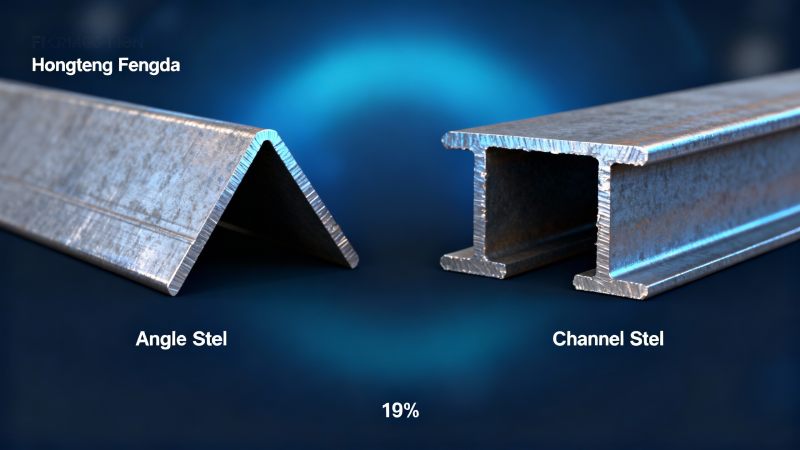
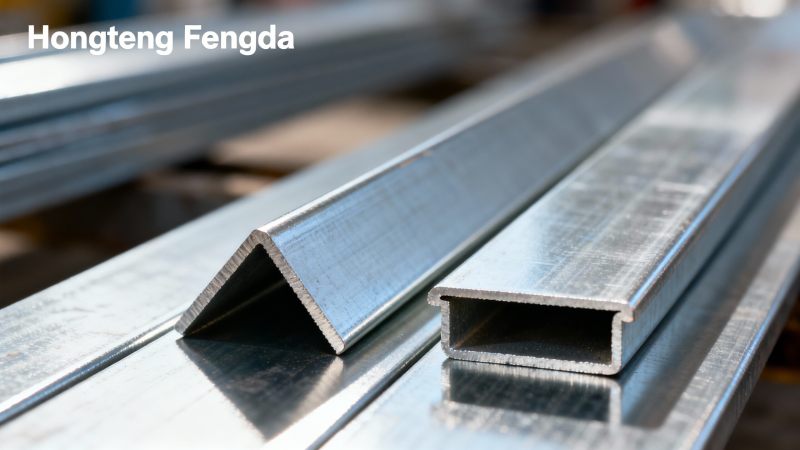
Angle steel and channel steel are two foundational hot-rolled structural profiles widely used across civil, industrial, and infrastructure projects. Angle steel—commonly called L-section—features two perpendicular legs forming a 90° internal corner. It’s available in equal-leg (e.g., 50×50×5 mm) and unequal-leg (e.g., 75×50×6 mm) configurations. Channel steel, by contrast, has a “C”-shaped cross-section with parallel flanges and a web connecting them—offering superior bending resistance about its major axis.
While both belong to the family of open-section structural steels, their geometric asymmetry dictates distinct mechanical behaviors, fabrication approaches, and logistical footprints. This structural identity forms the basis for all downstream procurement decisions—not only engineering suitability but also production planning, inventory strategy, and vendor qualification.
Supply Chain Realities: Lead Times & MOQs
Procurement professionals often underestimate how geometry influences manufacturability—and therefore supply velocity. Angle steel benefits from simpler rolling passes and higher line speeds. At Hongteng Fengda’s ISO-certified mills, standard-angle orders (ASTM A6/A6M or EN 10025-2 S275JR/S355JR) typically ship within 25–35 days after order confirmation—regardless of batch size.
Channel steel requires more complex roll tooling and tighter dimensional tolerancing, especially for deeper sections (>200 mm depth) or thinner webs (<6 mm). As a result, standard channel steel lead times average 38–48 days. However, our modular rolling system enables rapid die changeovers—reducing delays for custom sizes by up to 30% versus industry benchmarks.
Application Scenarios & Functional Fit
Angle steel excels where multi-directional bracing, anchoring, or lightweight framing is required—think transmission towers, scaffolding bases, equipment supports, and mezzanine joist hangers. Its symmetrical or near-symmetrical section allows easy bolting in any orientation, reducing on-site labor time.
Channel steel dominates applications demanding high moment resistance in one plane: crane rails, conveyor frames, structural purlins, and retaining systems. Its closed-flange geometry provides excellent torsional rigidity—critical for long-span cantilevers or dynamic load environments. For water-retaining structures, engineers increasingly pair Hot Rolled Steel Sheet Pile with channel steel wales—leveraging both profiles’ complementary strengths in soil pressure distribution and lateral restraint.
Procurement Guide: What Your Team Should Verify
Before finalizing an angle vs channel steel comparison, procurement teams must go beyond dimensional tables. Ask your supplier: Is interlock compatibility validated per EN 10248? Are tensile elongation reports provided per heat lot? Does mill test certification include Charpy V-notch impact values at service temperature?
At Hongteng Fengda, every shipment includes traceable MTCs (Mill Test Certificates) compliant with ASTM A6/A6M, EN 10204 3.1, or customer-specified formats. We pre-audit documentation workflows for North American DOT, EU CE FPC, and GCC Standardization Organization requirements—ensuring zero customs clearance friction. Our digital portal also offers real-time production tracking, so project managers can align logistics windows with site readiness.
Why Choose Hongteng Fengda?
We’re not just a factory—we’re your structural steel continuity partner. With 12+ years exporting to 37 countries, we’ve built redundancy into every layer: dual rolling lines for angles and channels, buffer stock of top-10 SKUs, and dedicated QC labs accredited to ISO/IEC 17025. When supply volatility hits, our clients report 98.7% on-time delivery—even during Q4 peak season.
Whether you need 5 tons of 65×65×5 mm angle steel for a solar farm substructure—or 42 tons of 200×75×9 mm channel steel for a port terminal expansion—our team co-develops sourcing plans that balance speed, compliance, and total landed cost. Let us simplify your next angle vs channel steel comparison.
Contact Hongteng Fengda today for a customized procurement roadmap—including sample lead time quotes, MOQ waivers for strategic partners, and technical support from certified welding and structural engineers.
Related recommendations
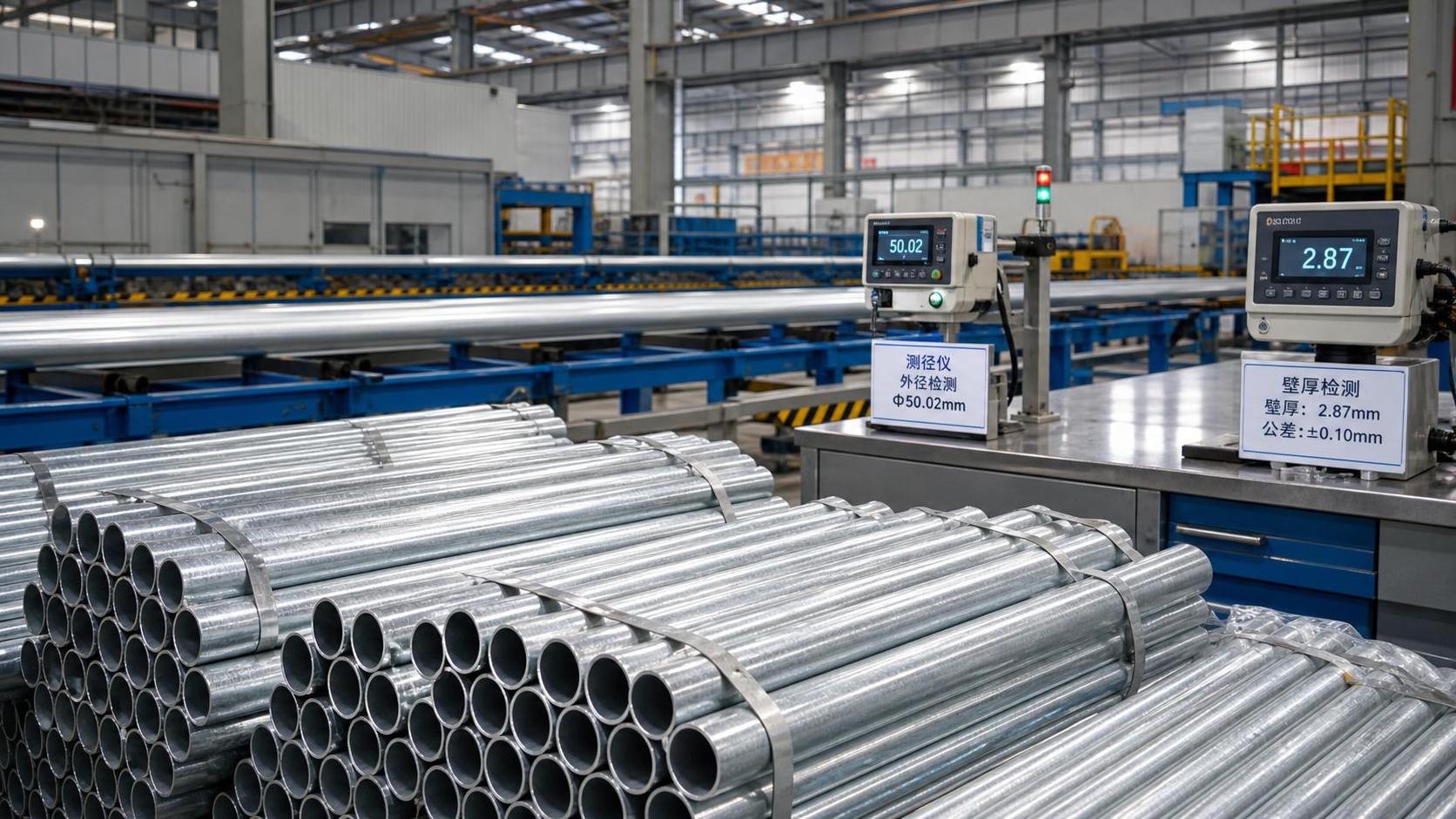
 Galvanized Pipe Manufacturer Selection: Zinc Coating, Tolerance, and ComplianceGalvanized pipe manufacturer selection guide: compare zinc coating quality, tolerance control, and compliance to reduce risk and choose a supplier that delivers reliable steel products.
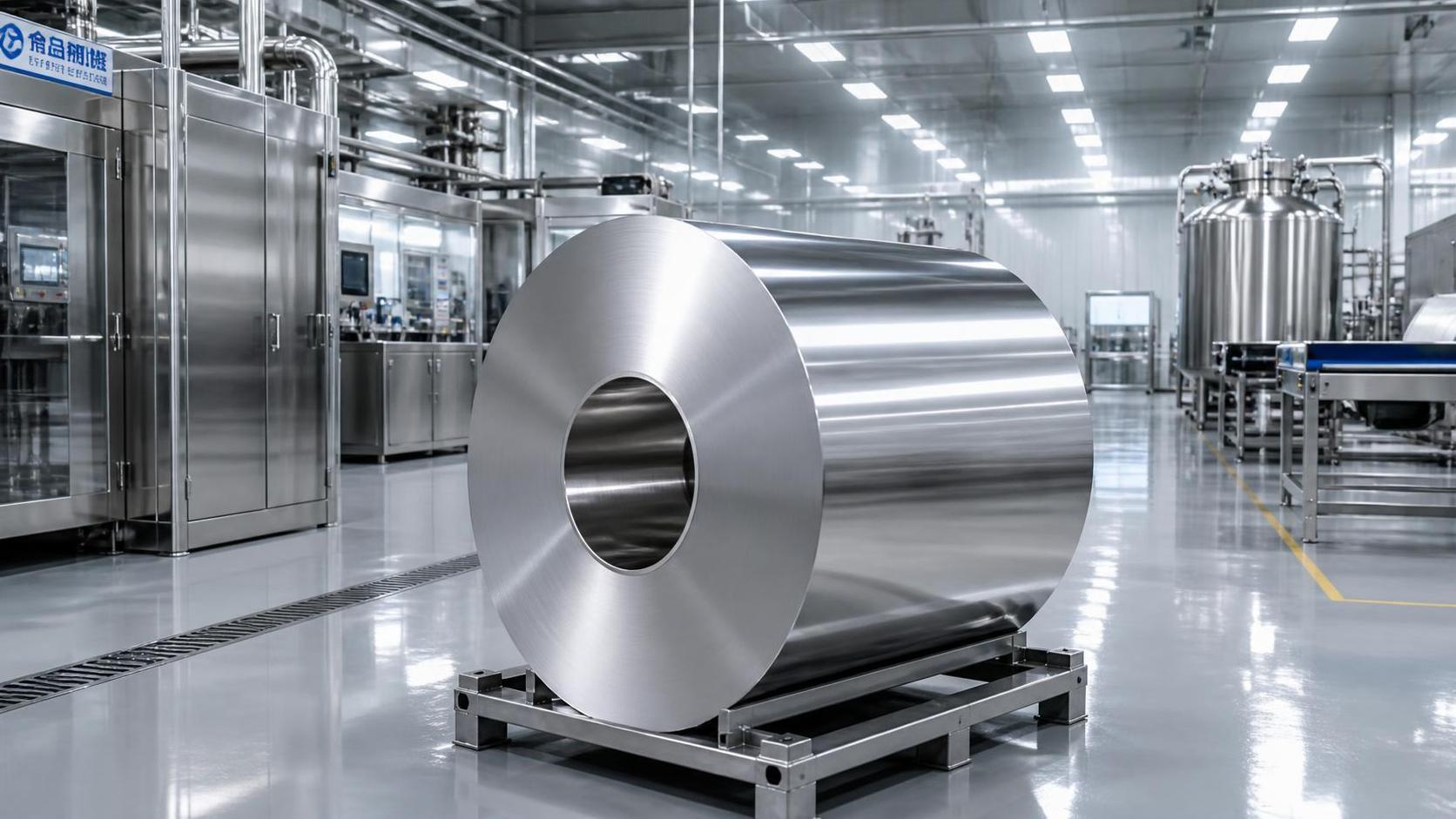
 What to Check Before Choosing an SS Coil Manufacturer for Food EquipmentSS coil manufacturer selection guide for food equipment: compare grade consistency, surface finish, tolerances, hygiene documents, and supply reliability before you buy.
 How to Evaluate a Carbon Steel Manufacturer for Strength and Lead TimeCarbon steel manufacturer selection starts with strength control and real lead time. Learn how to compare quality systems, standards, specs, and export readiness before you buy.
 Buy 304 Stainless Steel Wire 0.5mm Soft: What to Check Before Placing an OrderBuy 304 stainless steel wire 0.5mm soft with confidence. Learn what to check on grade, tolerance, finish, softness, and supplier quality before ordering.
Please give us a message


Please enter what you want to find