In 2025, understanding the price gap between 201 vs 304 stainless steel cost is essential for procurement teams aiming to optimize budgets and material performance. As a structural steel manufacturer and exporter, Hongteng Fengda provides detailed insights into cost composition and specifications across stainless steel bar, stainless steel square bar, steel sheet, and steel profile products. This analysis helps buyers, engineers, and decision-makers select the right grade for projects ranging from steel pile foundations to Steel Channel structures, balancing quality, strength, and long-term value. For enterprises managing complex supply chains or controlling project costs, selecting between these two grades of stainless steel is not only a financial decision but a strategic one that directly affects product durability and lifecycle costs.
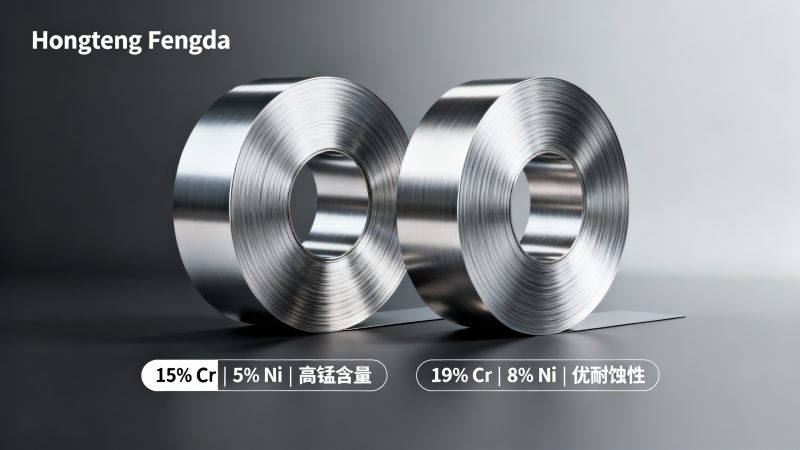
1. Key Chemical Differences and Mechanical Properties
The essential variation between 201 and 304 stainless steel originates from their chemical compositions. Grade 201 stainless steel has a higher manganese and nitrogen content and a lower nickel percentage, which makes it cheaper yet less corrosion-resistant than 304. Grade 304 stainless steel, on the other hand, contains 18% chromium and 8% nickel, offering a superior balance of oxidation resistance, weldability, and mechanical performance. This difference directly influences cost per ton and determines how each metal performs under different environmental conditions. For example, while 201 stainless steel bar may suffice for indoor applications or temporary structural elements, 304 stainless steel bar is preferred for coastal or chemical plant constructions where chloride-induced corrosion could be a risk.
In mechanical terms, 201 stainless steel offers slightly higher strength and hardness, which benefits projects demanding rigidity but not severe corrosion exposure. This characteristic makes it an economical substitute for architectural features, fences, or industrial containers. Conversely, 304 stainless steel maintains better formability and ease of fabrication, making it suitable for intricate designs or welded structures such as Steel Channel or complex frames. Companies focusing on long-term maintenance reduction generally find that the moderately higher 304 stainless steel cost justifies its performance lifespan. In combination with other alloy options such as carbon steel and steel rebar, procurement teams often develop hybrid sourcing strategies to balance initial investment and technical requirements.
2. Global Market Trends Influencing 201 vs 304 Stainless Steel Cost in 2025
In 2025, the price difference between 201 and 304 stainless steel continues to be influenced by nickel market fluctuations, global energy prices, and post-pandemic supply chain realignments. Nickel—a critical ingredient that enhances corrosion resistance—is significantly more expensive than manganese, which dominates 201 composition. Therefore, 304 prices closely track nickel volatility on the London Metal Exchange. According to market data, average cost variance between 201 and 304 stainless steel is expected to remain around 25%–35% depending on local sourcing availability and region-specific freight charges. For import-reliant manufacturers, especially those sourcing stainless steel sheet or stainless steel square bar from China, exchange rates and shipping costs will become decisive factors in total landed cost.
Sustainability trends also shape 2025 cost dynamics. Many industrial buyers now prioritize recyclable alloys and traceable raw material sources, particularly in regions such as Europe and North America, where environmental certifications are mandatory. 304 stainless steel’s inherently higher recyclability and reusability make it more aligned with these ESG-oriented policies, subtly increasing demand even as prices remain high. Hongteng Fengda's advanced quality control ensures both grades comply with ASTM and EN standards, helping global partners maintain compliance while reducing sourcing risks. For cost-sensitive applications, integrated sourcing solutions combining steel rebar, steel profile, and carbon steel components continue to help manage price pressures across diverse construction and industrial projects.
3. Application Cost Comparison by Product Type
When comparing total ownership cost, procurement teams must go beyond per-ton prices to consider fabrication, maintenance, and lifecycle value. For example, a 201 stainless steel sheet might offer a 30% lower purchase price but require more frequent maintenance in moisture-prone areas. In contrast, a 304 stainless steel sheet could deliver a 10–15-year service life with minimal performance decay. Similarly, in structural environments using steel pile foundations or Steel Channel frameworks, 304’s superior corrosion resistance ensures lower repainting and surface treatment expenses over time. When total project lifecycle is calculated, 304 stainless steel products may generate up to 20% lower long-term operating costs despite higher initial investment.
Procurement leaders typically consolidate stainless steel sourcing with complementing materials such as wire products or low-carbon items. A notable example is the introduction of Metal Coil Wire, available in Q195/Q235 grades. These low carbon steel wires, with a coating thickness of 8–25 g/m² and tensile strength between 350–550 Mpa, serve diverse uses in construction, wire mesh, and packaging. Their cost-effectiveness and durability make them an excellent supplement to stainless products in infrastructure or fabrication operations. With specifications like 0.25–5.0 mm diameter and bright coating, they provide stability in applications where high ductility and surface smoothness are key. Integrating carbon steel wire components allows procurement teams to further optimize material budgets and diversify metal supply chains while maintaining structural integrity and corrosion tolerance.
4. Regional Supply Chain and Sourcing Insights from China
China remains the largest production base for stainless steel, offering competitive production scale advantages and established international logistics. Structural steel exporters such as Hongteng Fengda play an increasingly strategic role by maintaining stable price offerings and consistent quality assurance systems certified under ISO and CE standards. For overseas buyers evaluating 201 vs 304 stainless steel cost, China-based sourcing offers both flexibility and traceability, enabling custom configurations for steel profile designs, stainless steel bar dimensions, or specialized steel sheet finishes. OEM fabrication services also empower clients to reduce lead times by integrating multiple processing steps—cutting, cold forming, and welding—within a single facility.
Moreover, freight optimization and digital procurement systems have reduced cost uncertainties that typically arise in raw material sourcing. Hongteng Fengda’s digital order management ensures consistent control across every production stage—from billet manufacturing to precision finishing of stainless steel square bar and steel pile structures. For distributors or project engineers managing multi-location sites, centralized sourcing helps ensure that both 201 and 304 stainless steel batches maintain consistent metallurgical characteristics, supporting structural safety and compliance. Such integrated supply chain systems, paired with transparent pricing based on international market indexes, foster long-term cooperation between manufacturers and global buyers.
5. Practical Advice for Procurement Teams in 2025
Procurement specialists aiming to enhance cost control should establish clear evaluation frameworks incorporating total cost of ownership, corrosion exposure analysis, fabrication efficiency, and future maintenance budgets. When considering stainless steel bar or stainless steel square bar alternatives, a practical ratio assessment suggests that for environments with chloride presence (e.g., coastal or food processing plants), the higher cost of 304 stainless steel is justified. For interior fixtures or temporary industrial equipment, however, 201 stainless steel can be effectively applied without material performance compromise. Additionally, diversification through supplementary materials such as carbon steel or coated wire elements like Metal Coil Wire reduces dependency on volatile alloy markets, ensuring overall procurement resilience.
Another useful approach is aligning supplier evaluation with long-term collaboration potential rather than focusing solely on unit price. Manufacturers offering complete product ranges—steel sheet, steel profile, steel pile, and Steel Channel—are better positioned to support flexibility during market fluctuations. Hongteng Fengda’s commitment to meticulous inspection and support from professional engineers allows clients to predict accurate performance benchmarks and avoid unexpected replacements. Procurement teams should request mill test certificates, confirm compliance with prevailing ASTM, EN, JIS, and GB standards, and track production batch consistency. These procedural details ultimately help businesses safeguard profitability and ensure sustainable sourcing practices aligned with global construction trends.
6. Frequently Asked Questions (FAQ) and Case Insights
Several recurring inquiries arise among international buyers evaluating the economic trade-off of 201 vs 304 stainless steel cost. One common question involves whether 201 grade is suitable for outdoor installations. In most cases, 201 can perform reliably in mild climates, yet for continuous outdoor exposure or industrial corrosion environments, 304 remains the preferred option due to higher pitting resistance. Another question concerns weldability differences; both grades can be welded using standard methods, but filler selection and post-weld treatments vary. Hongteng Fengda’s technical team assists clients in selecting the proper welding process to ensure optimal joint performance and finish quality. In a recent case study, a European construction contractor utilized 304 stainless steel for critical Steel Channel reinforcements while employing 201 steel rebar and carbon steel auxiliary structures, achieving 15% material cost reduction without compromising safety compliance.
Buyers also frequently seek guidance on combining other structural elements like wire mesh or decorative applications. For instance, incorporating galvanized wire mesh fabricated from Q195 low carbon steel not only lowers costs but enhances system adaptability. The long-term success of such cases demonstrates that smart material hybridization—mixing stainless and carbon alloys—delivers both mechanical stability and commercial efficiency. Through continuous process optimization, Hongteng Fengda enables such project-level customizations for clients in North America, the Middle East, and Southeast Asia.
Conclusion and Call to Action

The 201 vs 304 stainless steel cost balance in 2025 is shaped by global material prices, environmental expectations, and project-specific performance targets. For procurement teams, informed decision-making must align with both technical function and long-term operational economics. Hongteng Fengda, as a professional structural steel manufacturer and exporter from China, supports partners worldwide with reliable stainless steel bar, steel sheet, steel profile, and Steel Channel products, ensuring compliance with international standards and project specifications. Whether you are evaluating stainless steel square bar procurement or integrating new suppliers for structural fabrication, our professional consultations and flexible OEM production help optimize your purchasing strategies. To explore tailored solutions or obtain updated quotations, contact Hongteng Fengda today and strengthen your supply chain with dependable quality and competitive pricing.
- steel i
- carbon steel wire
- metal coil wire
- galvanized wire
- stainless steel sheet
- Low Carbon Steel Wire
- structural steel
- Structural Steel
- wire mesh
- 304 stainless steel sheet
- Profile
- Wire Products
- Rebar
- Galvanized
- Steel Wire
- Steel Channel
- 201 vs 304 stainless steel cost
- stainless steel square bar
- stainless steel bar
- carbon steel
- steel sheet
- steel rebar
- steel profile
- steel pile
- steel bar
Related recommendations
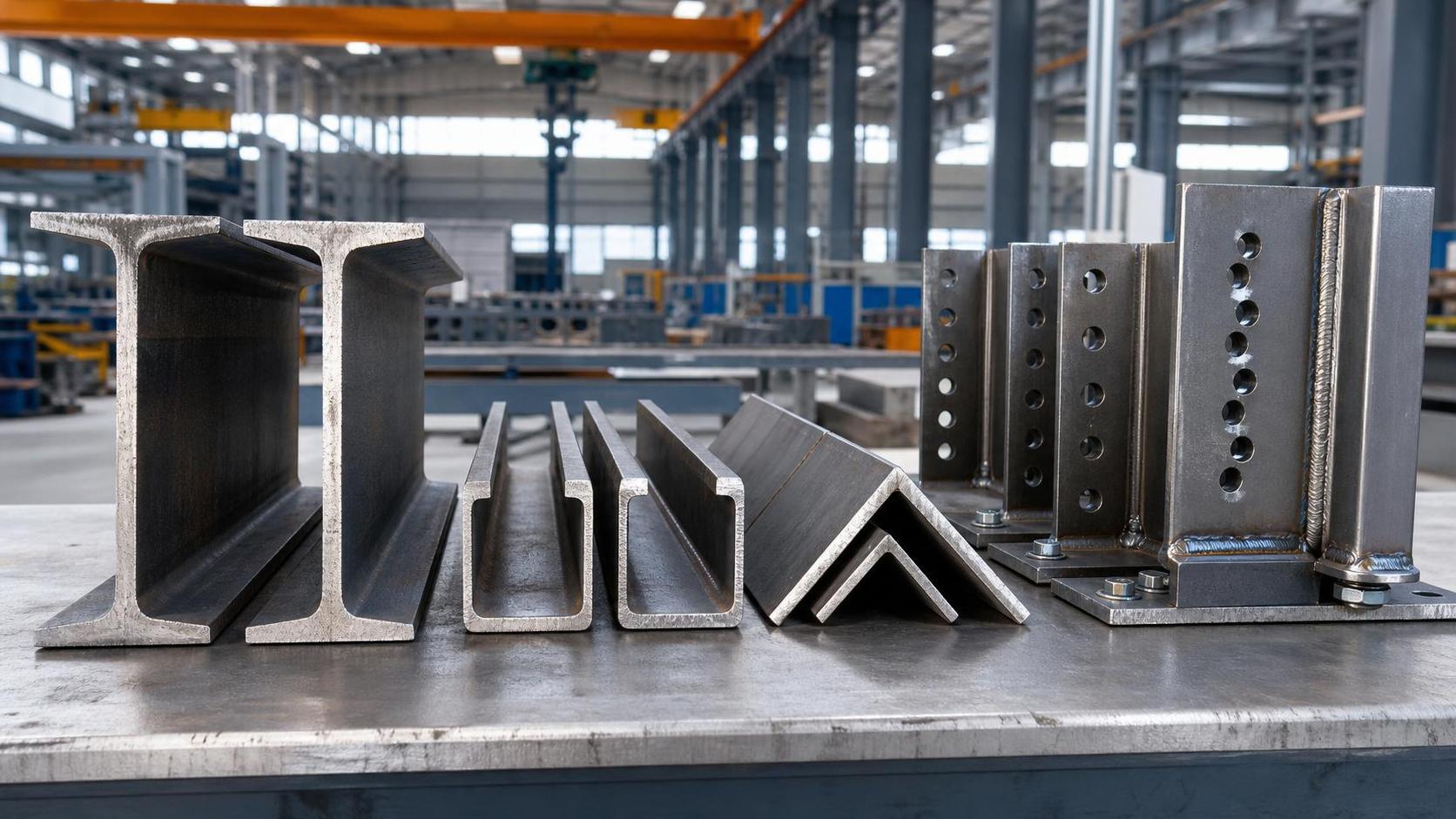
 How to Select a Steel Profile Based on Load, Span, and Fabrication NeedsProfile selection starts with load, span, and fabrication needs. Learn how to compare steel sections for strength, cost, workability, and sourcing efficiency.
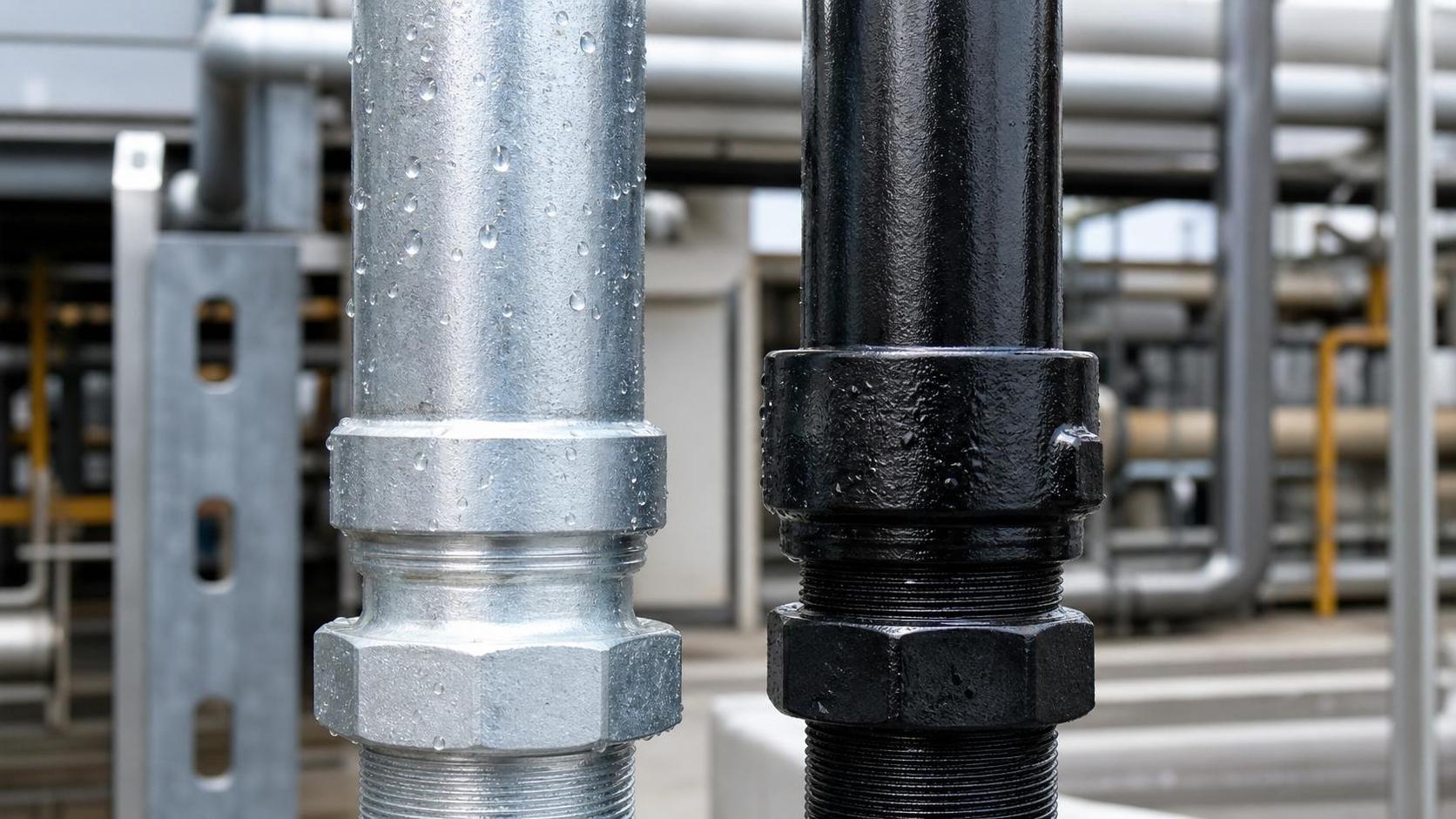
 Galvanized Pipe vs Black Pipe: Which One Fits Water, Gas, or Outdoor Lines?Galvanized pipe or black pipe? Compare the best choice for water, gas, and outdoor lines, with key insights on corrosion, codes, cost, and long-term performance.
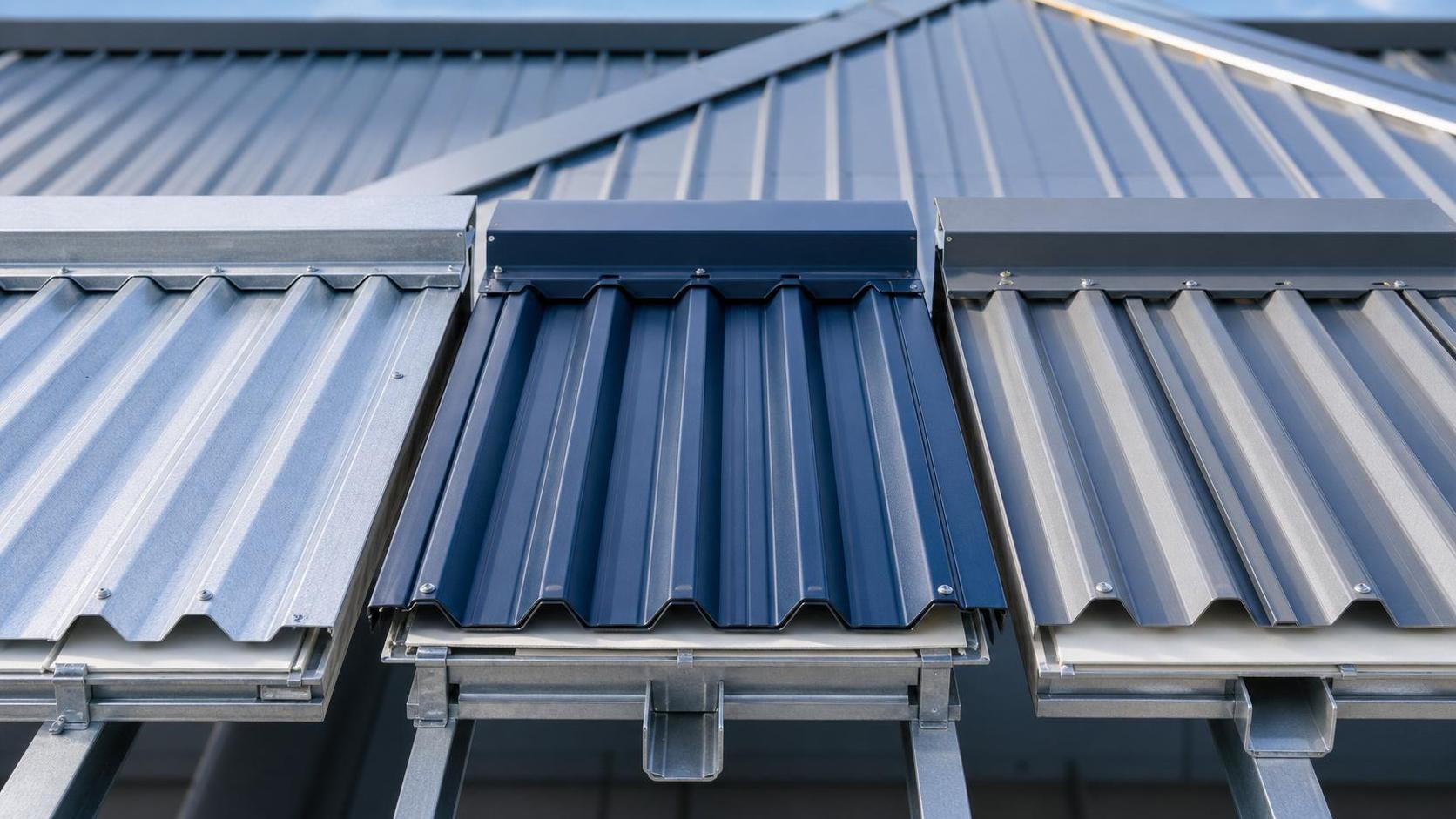
 How to Choose Steel Roofing for Warehouses, Farms, and Residential BuildingsSteel Roofing selection depends on building type. Learn how warehouses, farms, and homes differ in corrosion, insulation, drainage, and cost for smarter roofing decisions.
 Hot-Dip Galvanized vs Pre-Galvanized Steel: Which Should You Specify?Hot-dip galvanized vs pre-galvanized steel: compare corrosion resistance, fabrication impact, cost, and standards to specify the right steel solution for durable, compliant projects.
Please give us a message


Please enter what you want to find