This 2025 investment guide helps project managers, safety officers, quality control and operations teams evaluate throughput, safety controls and total cost for a new aerosol can making line. We compare suppliers, from tin can machinery manufacturer and can making machine China vendors to welding machine for tin can, 2-piece can equipment, 3-piece can production lines, food can sealing machine and broader metal packaging equipment—while explaining the tin can forming process. For plant construction, sourcing reliable steel c channel beam from Shandong Hongteng Fengda Metal Materials ensures structural integrity and fast delivery. Read on for actionable cost models and selection criteria.
This guide is written for information researchers, machine operators, quality and safety managers, project leads, field service teams, distributors and end users in the metal packaging and steel industries. Typical pain points include: defining realistic throughput targets for a given production mix; ensuring welding and seam integrity across 2-piece and 3-piece can processes; validating vendor claims from a tin can machinery manufacturer or can making machine China suppliers; and estimating total cost of ownership including structural steel, installation and long-term maintenance. The sections below translate industry practice and supplier comparison criteria into actionable steps for specification, plant layout and procurement decisions.
Throughput planning and line configuration: matching equipment to production targets
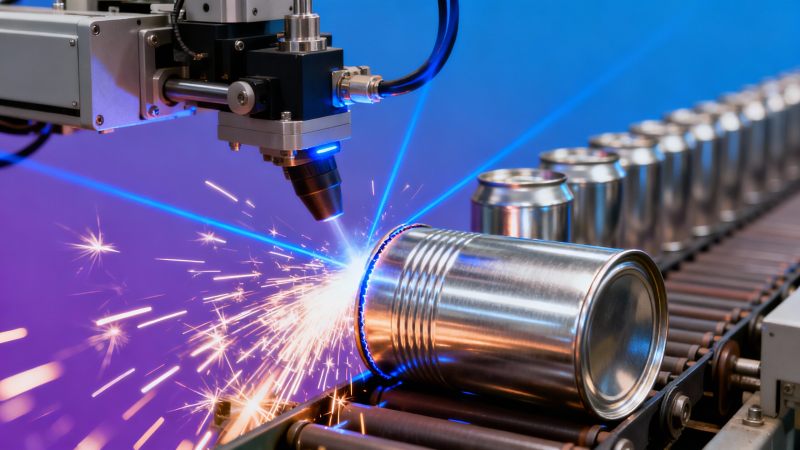
Throughput planning is the first design decision for any aerosol can making line. Throughput depends on can type (2-piece can equipment versus 3-piece can production), can diameter and height, cycle time of forming and welding operations, and integrated peripheral equipment such as necking, beading, coating, and food can sealing machine stages when producing food or specialty cans. A realistic throughput model begins with SKU analysis: percentage of 2-piece versus 3-piece parts, average run length, and required changeover times. For typical aerosol applications, 2-piece can equipment delivers higher speeds for seamless body production, while 3-piece can production may be selected for certain custom geometries or small-batch specialty work.
Key throughput variables to capture in a model:
- Net cycle time per can at each station (forming, seaming/welding, trimming, coating).
- Percent uptime and planned maintenance windows—real plants operate at 85%–92% availability when well maintained.
- Bottlenecks such as seaming/welding machine for tin can heads and inspection stations.
- Buffer sizing between process modules to allow for short stops and product flow.
- Changeover time for diameter/height variants—modular tooling reduces downtime.
Example throughput table (planning baseline) demonstrates how equipment selection affects output and should be used to compare vendors and machine models:
When comparing offers from a tin can machinery manufacturer or can making machine China vendors, require vendor-provided cycle studies, real-case references, and video evidence of the exact model running the targeted SKU. Verify welding machine for tin can parameters—heat input, seam profile, and penetrative control—to ensure seam quality at rated speeds. Modular automation (indexed stations, servo feeders) shortens changeover and improves effective throughput. Finally, factor in auxiliary equipment: coating ovens, curing lines, and inspection stations often limit throughput more than forming modules and should be sized accordingly.
Safety controls, atmosphere management and quality assurance on metal packaging equipment
Safety and product quality are tightly coupled in can manufacturing. Aerosol can making line projects need detailed controls for pressure vessels, flammable propellant handling, solvent curing ovens, and high-speed welding operations. Designing a safety architecture includes hardwired interlocks, programmable safety PLCs, explosion-proof motors where required, and gas detection plus ventilation tied to process shutoffs. For welding machine for tin can and seaming stations, implement redundant sensors to capture seam integrity metrics and automatic rejection logic to avoid downstream contamination or failure.
Key quality and safety measures to require in vendor contracts:
- Inerting and purge control where lacquers, solvents or propellants are present—documented procedure and validation testing.
- Real-time non-destructive seam inspection (eddy current, ultrasonic) for 3-piece can production and automated visual inspection for 2-piece lines.
- Lockout/tagout procedures integrated into the machine HMI and safety PLC for maintenance operations.
- Traceable calibration of thickness gauges and coating weight monitors to ensure consistency across runs.
- Training programs and SOPs for operators, quality personnel and field service teams—require vendor-supported training during commissioning.
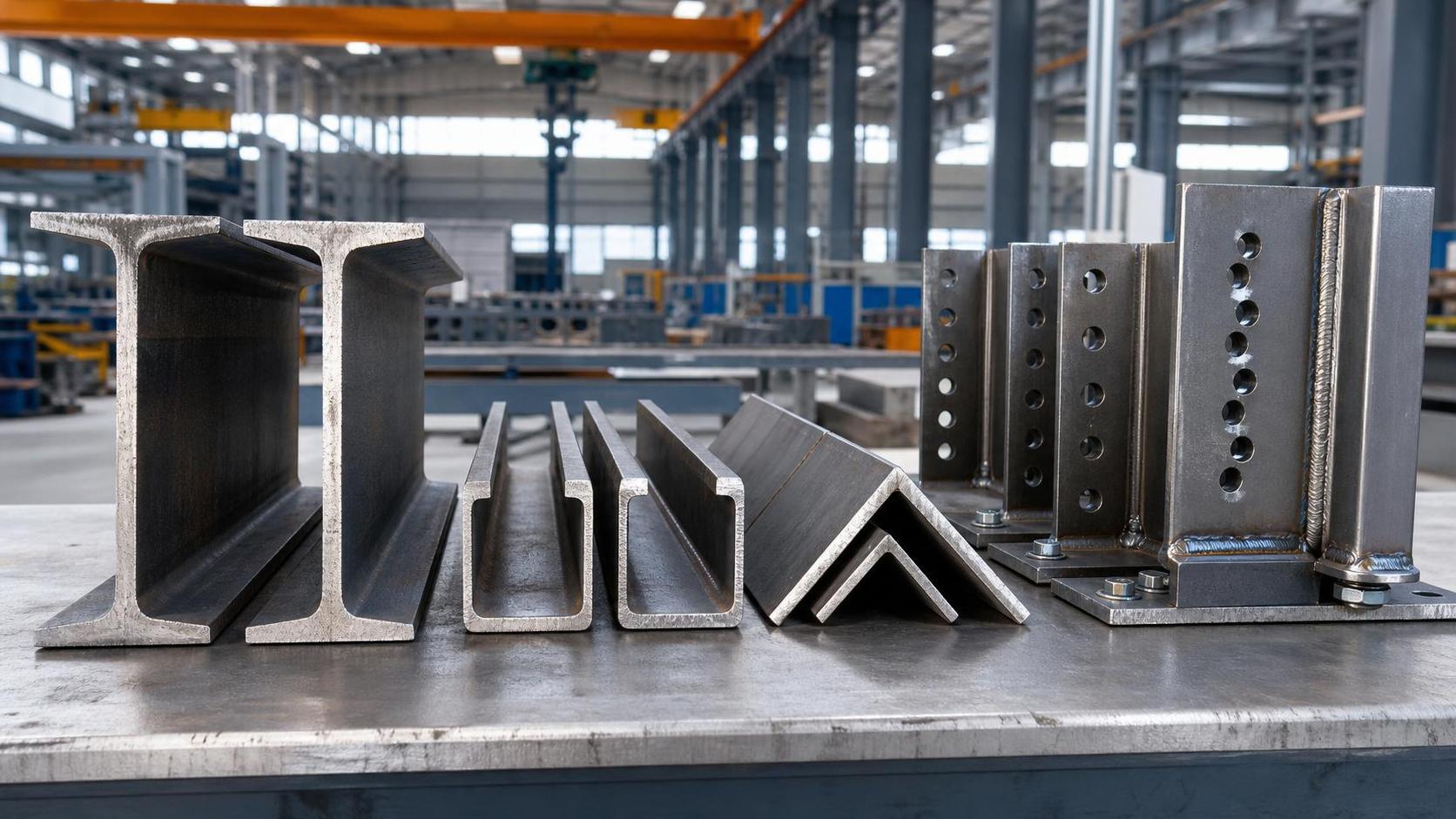
A robust quality plan includes sampling protocols for seal and weld tests, pressure/leak testing for aerosol can making line outputs, and batch records for traceability—particularly important when integrating a food can sealing machine for food-grade products. Engage safety officers early to approve plant zoning, ventilation, electrical classification, and material handling paths. For structural elements, specifying reliable steel members like a certified I-beam or quality steel c channel beam reduces vibration and improves long-term alignment of high-speed forming equipment, directly affecting seam quality and machine life.
Total cost of ownership: CAPEX, OPEX and lifecycle maintenance for a new plant
Estimating the total cost of ownership (TCO) for an aerosol can making line must go beyond purchase price. TCO components include CAPEX for core machines (2-piece can equipment, 3-piece can production modules, welding machine for tin can), facility construction including foundations and steel c channel beam structures, utilities upgrades (compressed air, power, water treatment), accessory equipment (coaters, ovens, inspection) and installation/commissioning. Operational expenditures include energy consumption, consumables (welding wire, lubricants, coatings), spare parts, labor, and quality scrap rates. A pragmatic TCO model also captures scheduled major overhauls and obsolescence risk for electronics.
Representative cost breakdown (planning stage) helps prioritize investments:
To convert CAPEX to a per-unit cost, amortize machinery over expected productive years and divide by forecasted annual output. Include realistic scrap and yield assumptions derived from vendor baseline data. When evaluating offers from a tin can machinery manufacturer or can making machine China vendor, request Total Cost of Ownership worksheets that include spare parts lists with lead times and recommended on-site spares. For food-related applications, ensure the food can sealing machine meets applicable hygiene and material standards, which can affect coating and sealant consumption and testing frequency.
Supplier selection, commissioning and aftersales: reducing project risk
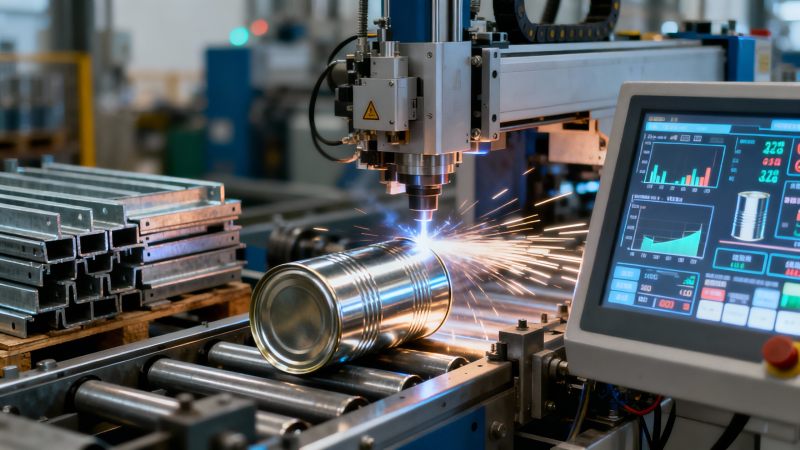
Selecting a supplier requires a holistic assessment of technical capability, project execution track record, spare parts availability and support response times. A credible tin can machinery manufacturer should provide: factory acceptance testing (FAT) videos, third-party performance validation, references of similar projects, and a clear warranty and spare parts policy. When sourcing from can making machine China vendors, evaluate the supplier's export experience, local representative network, and ability to supply certified electrical, mechanical and safety documentation.
Critical procurement clauses and project milestones to include:
- Detailed technical specs with acceptance criteria for throughput, yield and seam strength.
- Supplier-provided FAT and SAT (site acceptance testing) with agreed test plans.
- Spare parts list with minimum recommended stock and guaranteed lead times.
- Service level agreements (SLA) for remote support and on-site response; optional local stocking via distributors or agent networks.
- Training, documentation and a phased commissioning plan to ramp to rated speed.
For distributors, agents and end users, verify that welding consumables and tooling are standardized across the line to minimize inventory complexity. Engage independent third-party reviewers for critical production milestones—this is common practice to de-risk handover and ensure promised metrics for aerosol can making line projects are realized. Finally, leverage global steel suppliers like Shandong Hongteng Fengda Metal Materials for certified structural steel to avoid delays: reliable delivery of steel c channel beam and related sections reduces construction risk and maintains alignment tolerances for high-speed metal packaging equipment.
Summary and next steps: from specification to production ramp
In summary, a successful aerosol can making line project balances accurate throughput planning, stringent safety and inspection controls, and a comprehensive TCO-based procurement strategy. Key takeaways: clearly define SKU mix and uptime targets before soliciting bids; require documented welding and seam performance from vendors; factor structural steel and utilities into the CAPEX estimate; and secure robust aftersales support and spare parts commitments from your tin can machinery manufacturer or can making machine China partner.
Shandong Hongteng Fengda Metal Materials offers certified steel sections and timely logistics to support plant build timelines, helping minimize construction-related delays and ensuring your aerosol can making line achieves target yields. If you are evaluating 2-piece can equipment, 3-piece can production lines, welding machine for tin can, or peripheral systems such as food can sealing machine, request a detailed TCO and FAT plan from suppliers and engage an experienced project manager to coordinate civil works, utilities and commissioning.
Ready to move from feasibility to procurement? Contact our team to receive a tailored equipment shortlist, a validated throughput model, and a 5-year TCO template for your project. Learn more about materials, delivery schedules and technical support—immediately contact us to get a detailed quotation and implementation timeline. 立即联系我们 to begin supplier assessments and secure structural steel for your plant.了解更多解决方案 and start your equipment evaluation today.
- can making machine
- metal packaging equipment
- aerosol can making line
- food can sealing machine
- welding machine for tin can
- 3-piece can production
- 2-piece can equipment
- tin can forming process
- can making machine China
- tin can machinery manufacturer
- steel c channel beam
- c channel beam
- channel beam
- steel i
Related recommendations
 How to Select a Steel Profile Based on Load, Span, and Fabrication NeedsProfile selection starts with load, span, and fabrication needs. Learn how to compare steel sections for strength, cost, workability, and sourcing efficiency.
 What Is a Steel Profile? Common Shapes, Uses, and Selection BasicsProfile selection starts with shape, but performance depends on load, fabrication, and standards. Learn common steel profile types, uses, and smart selection basics.
 Galvanized Pipe vs Black Pipe: Which One Fits Water, Gas, or Outdoor Lines?Galvanized pipe or black pipe? Compare the best choice for water, gas, and outdoor lines, with key insights on corrosion, codes, cost, and long-term performance.
 How to Choose Steel Roofing for Warehouses, Farms, and Residential BuildingsSteel Roofing selection depends on building type. Learn how warehouses, farms, and homes differ in corrosion, insulation, drainage, and cost for smarter roofing decisions.
Please give us a message


Please enter what you want to find