As distributors, OEMs, and project managers plan inventories for 2025, understanding metal packaging equipment trends is essential to accelerate ROI. This guide highlights the Top 10 innovations - from high-speed can making machine China lines and advances by tin can machinery manufacturers to optimized tin can forming process workflows - covering 2-piece can equipment, 3-piece can production, welding machine for tin can, food can sealing machine, and aerosol can making line upgrades. Operators, quality and after-sales teams will get actionable stocking insights that align with steel c channel beam sourcing and cost-effective supply chains.
As product portfolios and capital plans are revisited for 2025, stakeholders across distribution, OEMs, and project teams need a clear purchasing roadmap built around faster turnaround, reduced downtime, and predictable margin recovery. Typical pain points include long lead times for specialized components, inconsistent supplier quality for assemblies such as welding and sealing sub-systems, and rising steel costs that affect capital expenditure on frames and conveyors (for instance, when sourcing steel c channel beam for line structures). This guide translates market signals into seven practical stocking and specification recommendations, with additional technical context for buyers, operations staff, quality teams, and after-sales maintenance groups.
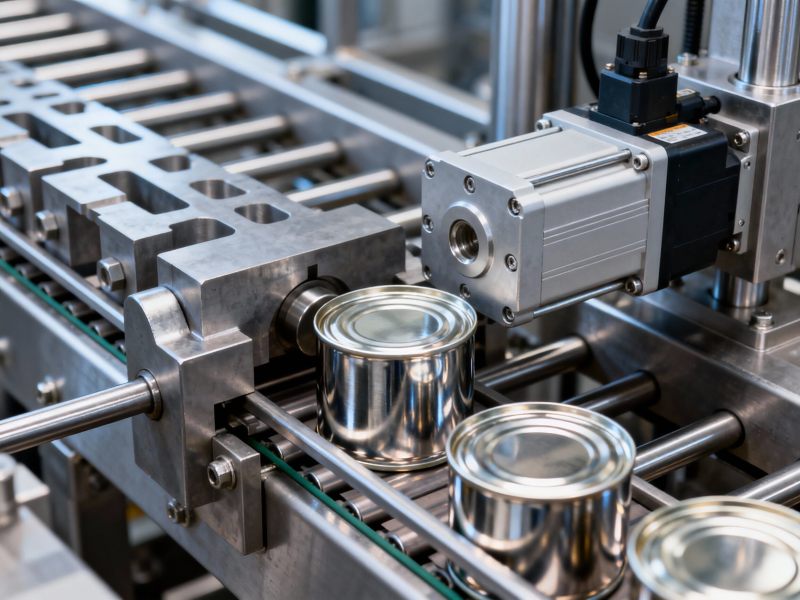
Trend 1 — High-speed integrated can making lines and what to stock
High-throughput lines remain the primary lever for improving ROI on metal packaging equipment. Modern can making machine China lines now integrate forming, necking, trimming, and seaming stations into compact footprints that reduce factory floor costs and raw material handling time. For distributors and OEM buyers, the focus should be on validated modules that allow incremental upgrades: a base line capable of supporting both 2-piece can equipment and 3-piece can production with plug-and-play add-ons minimizes capital risk while expanding end-customer applicability.
Key stocking recommendations: keep a mix of complete can making machine China line packages for new builds and retrofit kits for existing lines. Retrofit kits typically include servo-driven feed modules, upgraded PLCs, and spare parts kits for high-wear items. Components such as servo motors, precision tooling sets, and standardized seaming heads should be stocked to support both can types. For distributors targeting food and beverage OEMs, ensure availability of certified spares for food can sealing machine interfaces and sanitary-rated components compliant with common standards (for instance, stainless contact surfaces specified to ASTM/EN grades).
From a supplier selection standpoint, evaluate tin can machinery manufacturer partners by their field failure rates, retrofit success cases, and spare parts lead-time guarantees. A manufacturer that documents mean-time-between-failure (MTBF) metrics and provides on-line diagnostic toolkits reduces downtime risk for end users. When specifying inventory, prioritize items that support modularity across product families and those compatible with multiple control platforms — these yield faster ROI by reducing changeover time between two-piece and three-piece cans and enabling cross-customer sales.
Trend 2 — Flexible forming and welding technologies: optimizing the tin can forming process
Advances in forming and welding technologies are reshaping the economics of tin can production. The tin can forming process now leverages servo-driven presses, adaptive tooling, and in-line quality inspection to maintain tolerances at higher speeds. For buyers, understanding distinctions between dedicated two-piece forming presses and multi-purpose forming platforms is critical: the former maximizes throughput for a single SKU, while the latter supports SKU agility for customers with diverse product portfolios.
Welding machine for tin can systems have evolved beyond single-point resistance welding. Laser-assisted and hybrid ultrasonic-weld systems offer lower heat-affected zones and faster cycle times for certain 3-piece can geometries. When stocking welding modules or spares, include consumables for resistance welding, alignment fixtures, and calibration tools that speed setup. Service contracts should cover regular weld-parameter verifications and recalibration, because weld integrity is a critical quality attribute tied directly to product safety and leakage rates.
Practical stocking checklist for the tin can forming process: spare forming punches/dies, rapid-change die clamps, servo motor controllers, force sensors for press monitoring, and consumables for welding and sealing heads. It is also prudent to carry vendors' recommended tooling refurbishment kits. Operational teams will appreciate pre-configured diagnostic packs that allow field engineers to re-establish process windows quickly after maintenance. Distributors should qualify at least one tin can machinery manufacturer with proven retrofit experience to supply both equipment and expertise for transitioning legacy lines to advanced forming workflows.
In one regional case, an OEM retrofitting a mixed-use plant with adaptive forming tooling increased usable uptime by 18% and reduced changeover labor costs by 24% within six months — demonstrating how targeted investments in forming and welding sub-systems deliver measurable ROI. When combined with a strategic spare parts plan, these technology upgrades meaningfully shorten breakeven timelines for both distributors and end users.
Trend 3 — End-to-end automation, predictive maintenance and the role of sensors
Automation is no longer a premium add-on — it is expected. Integrated SCADA, AI-assisted vision inspection, and predictive maintenance routines are driving higher first-pass yield and lower unplanned downtime. For buyers evaluating metal packaging equipment, prioritize systems that expose diagnostic telemetry for both OEM support and distributor-managed service agreements. Investing in sensor packages and condition-monitoring spares (vibration sensors, temperature probes, encoder modules) reduces emergency part shipping costs and supports remote troubleshooting.
Predictive maintenance requires a different spare parts strategy: instead of stocking only the largest components, build a tiered inventory that includes medium-cost replaceable elements that typically fail before structural items. Examples include encoder modules, coupling assemblies, lubrication pumps, and network interface cards. These items keep lines running while major repairs are scheduled. For aerosol can making line installations, ensure availability of pressure-sensitive transducers and sealing head consumables to avoid product loss during high-pressure forming steps.
When specifying control systems, demand OPC-UA compatibility and secure remote-access architecture to enable effective vendor diagnostics. Distributors that offer configuration templates, pre-loaded PLC logic for common use-cases, and bundled training accelerate commissioning and reduce field-service cycles. For quality teams, onboard vision inspection standards for weld seam geometry, lid integrity, and seam overlap to reduce customer complaints. The combined effect of automation and predictive stocking strategies is a measurable reduction in mean time to repair (MTTR) — a core metric for operators concerned with faster ROI.
Finally, consider lifecycle support programs that include regular firmware updates, cybersecurity patches, and spare parts refresh plans. These programs extend equipment life and protect asset value for distributors and OEMs who resell or maintain metal packaging equipment on multi-year service contracts.
Trend 4 — Materials, coatings and supply chain resilience (including a practical stainless steel reference)
Material selection impacts both product safety and line performance. Stainless steels and surface treatments reduce galling and corrosion on contact parts in food can sealing machine stations and forming dies. For structural elements like machine frames and conveyors, consistent sourcing of profiles such as steel c channel beam stabilizes assembly tolerances and reduces rework. Distributors should maintain relationships with steel suppliers who can provide certified mill test reports and traceability documentation.
A practical stocking item for sanitary equipment and critical contact surfaces is high-grade stainless plate. In specific projects, users will request corrosion-resistant materials for sealing tables, tooling bases, and washdown zones. One suitable option frequently specified by engineering teams is 316 Stainless Steel Plate, which offers enhanced resistance to chlorides and is commonly used where chemical cleaning and food-contact durability are required. Including a limited quantity of certified plates or offering short lead-time procurement as a service can win specification approval on competitive bids.
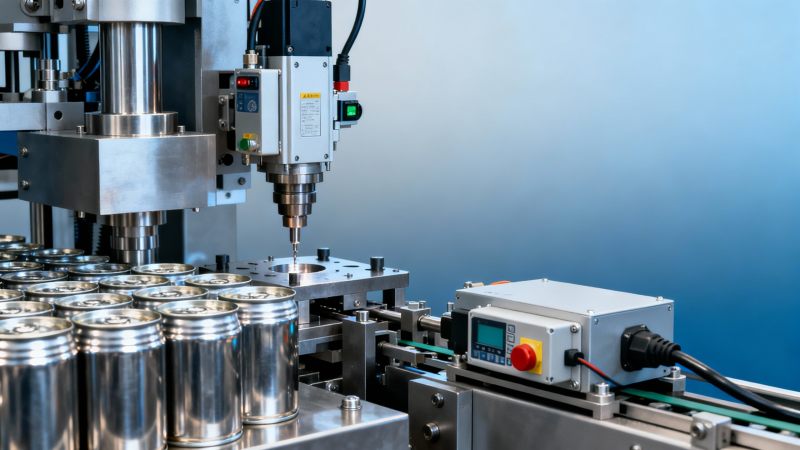
Beyond stainless plate, consider coatings and surface finishes that reduce friction and improve sealability in can making operations. Hardfacing, PVD coatings on tooling, and optimized surface roughness for sealing heads all contribute to lower rejection rates. For distributors, proactively stocking coated tooling alternatives and offering surface-treatment partnerships increases conversion rates with engineers who are optimizing for uptime and yield.
Supply chain resilience also means diversifying vendor risk for critical subsystems. For example, sourcing alternate suppliers for welding transformers and pneumatic actuators ensures continuity when a single supplier is constrained. Documented sourcing strategies for common items like welding tips, seaming rolls, and spare parts for the aerosol can making line reduce lead-time volatility and give buyers confidence when negotiating long-term service agreements.
Summary and recommended next steps
In summary, faster ROI in 2025 will be driven by modular high-speed can making machine China lines, investment in flexible tin can forming process tooling, expanded automation with predictive maintenance, and resilient materials sourcing. Distributors and OEMs should prioritize: (1) modular line packages that support both 2-piece can equipment and 3-piece can production; (2) stocking medium-cost consumables and diagnostic sensor spares for predictive maintenance; (3) partnerships with reliable tin can machinery manufacturer suppliers that provide retrofit and training services; and (4) access to certified materials such as stainless plates and reliable structural steel like steel c channel beam for machine frames.
Shandong Hongteng Fengda Metal Materials Co.. Ltd. can support sourcing of steel and plate inputs for line builds and retrofits through established production technology and global logistics. With complete processing equipment and a service-forward approach, suppliers like this help reduce procurement cycles and provide consistent quality documentation that operations and quality teams require for regulatory compliance and audit trails.
Next steps: audit your spare parts coverage against the checklist above, prioritize modular line items for stock, and qualify at least one tin can machinery manufacturer for retrofit projects. For tailored procurement support, technical specifications, and lead-time guarantees, contact our sales engineering team to discuss solution packages and supply options. Act now to secure parts and line modules and accelerate your 2025 ROI—reach out to learn more and request a customized stocking plan.
Please give us a message


Please enter what you want to find