Navigating Food Can Sealing Machine Compliance 2025 demands that manufacturers and suppliers—from tin can machinery manufacturers and can making machine China vendors to metal packaging equipment integrators—align sealing lines with stricter hygiene standards to reduce rework on the line. This guide highlights practical controls across the tin can forming process, 2-piece can equipment and 3-piece can production, welding machine for tin can and aerosol can making line setups, helping operators, QC and project managers select reliable solutions—from structural supports such as steel c channel beam to precision sealing heads—and optimize installations to lower contamination risk and simplify maintenance.
Regulatory landscape and hygiene controls for 2025-compliant sealing lines
Food packaging and canning operations face tightening expectations from buyers and regulators for 2025. Leading compliance frameworks that affect sealing equipment include ISO 22000-based food safety management, HACCP principles applied to packaging lines, and regional directives on materials in contact with food (for example, EU materials regulations and national sanitary codes). Project managers and QC teams must map these requirements to the sealing line: materials selection, hygienic design of the sealing head, cleaning regimes, and traceability of parts and consumables. In practice, compliance requires clear technical acceptance criteria—surface finish Ra values for sealing contact faces, CIP compatibility for head housings, and gasket materials with documented food-grade certifications.
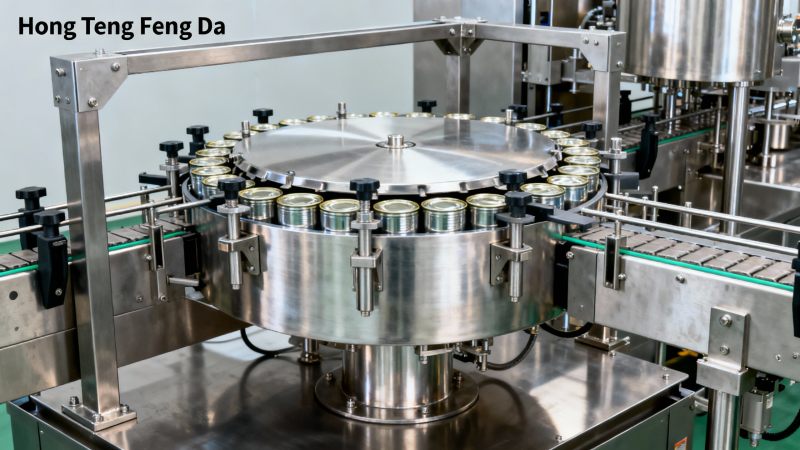
For tin can forming process and 2-piece can equipment, contamination risks concentrate at bead formations, seaming heads and weld zones in 3-piece can production. Controls include specifying stainless contact points, segregated drain paths for wash water, and access panels sized for rapid verification and maintenance. Where welding machine for tin can operations are present—particularly in 3-piece can production—shielding gases and extraction must be specified to prevent particulate deposition on adjacent sealing equipment. Operators and safety managers should require supplier documentation demonstrating hygienic design reviews and test reports. Practical KPIs to track on the line include first-pass yield on sealed units, visible contamination incidents per million cans, and mean time to rework for seam defects. These metrics convert hygiene investments into measurable reductions in rework and warranty exposure.
Mechanical design, structural supports and material choices: why steel matters
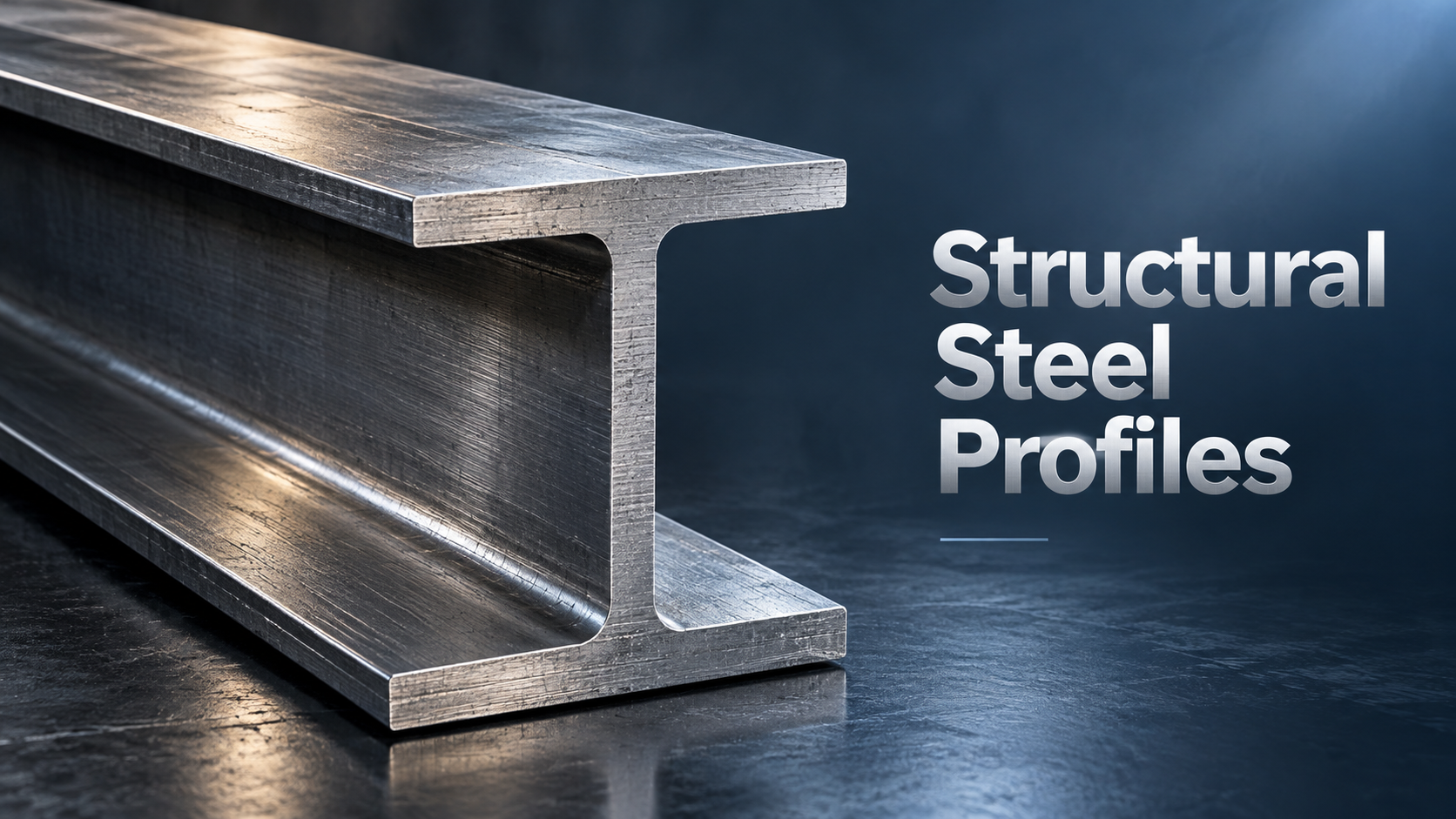
The structural backbone of any robust sealing line is steel-based framing and supports. Choosing appropriate cross-sections and corrosion-resistant finishes for frames reduces vibration, maintains sealing head alignment and facilitates hygienic cleaning. A well-engineered support system built around a qualified steel c channel beam reduces deflection under dynamic loading and simplifies retrofits for new sealing heads or 2-piece can equipment modules. Where higher load-bearing or long-span supports are required, integrating a standard industrial section such as an I-beam can be an efficient choice to maintain straightness tolerances without excessive weight.
In the context of metal packaging equipment, finish and coating selection for structural steel is critical. Galvanized or food-industry-grade epoxy coatings on frames reduce corrosion risk from washdowns while preserving dimensional stability. Stainless-steel contact surfaces for sealing heads and conveyors should be specified with surface roughness limits; suppliers of can making machine China and tin can machinery manufacturer partners must provide material certificates and passivation records. From a procurement perspective, buy decisions should weigh lifecycle cost: cheaper steel sections may require more frequent alignment checks and increase the incidence of sealing head misloads that lead to rework. Engineering teams can mitigate this by standardizing on proven steel profiles for modular machine frames and by maintaining a parts library that includes prequalified steel c channel beam specifications and fasteners that resist washdown-induced loosening.
Process optimization to cut rework: sealing heads, welding, and in-line inspection
Reducing rework on the line begins with integrating sealing technology, welding controls, and inspection into a single quality loop. For food can sealing machine installations, precision of the sealing head and consistent clamp force are primary contributors to first-pass seal integrity. Modern sealing heads with feedback-controlled torque or force sensors enable adaptive sealing across tin can forming process variations and can reduce seal failures caused by dimensional drift. In lines that include welding machine for tin can steps—commonly in 3-piece can production—coordinate weld parameters with downstream seaming settings to prevent local distortion that compromises sealing.
Inline inspection and data-driven root cause analysis are also key. Use vision systems to detect seam anomalies immediately after sealing and deploy non-destructive testing (eddy current, vacuum leak sampling) at rate-based sampling intervals. Integrate that quality data with PLC and MES systems so that when defect patterns emerge—such as increased seaming defects tied to a specific can diameter or coil batch—teams can isolate the cause to either material (coil or plate) or machine parameters. For operators and maintenance staff, clear lockout‑tagout and quick-change procedures reduce downtime during corrective actions. For suppliers of 2-piece can equipment or aerosol can making line components, offering prevalidated sealing head packages and documented setting tables for common can sizes shortens commissioning and lowers initial rework volumes.
Installation, maintenance and supplier selection for sustained compliance
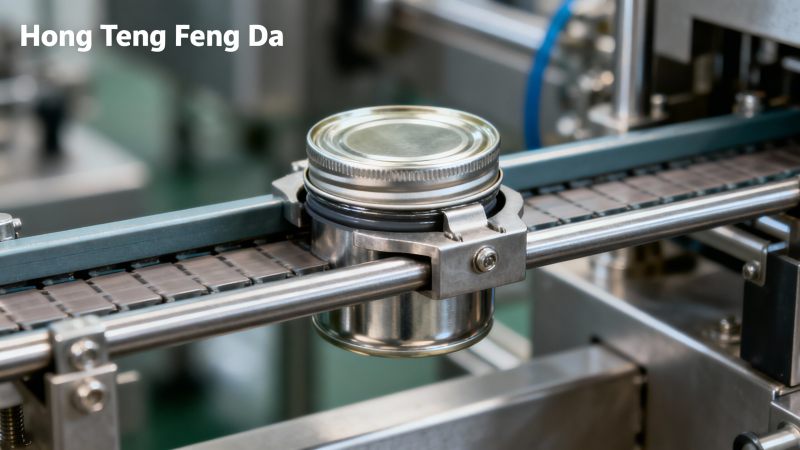
Selecting the right vendor mix—tin can machinery manufacturer, can making machine China vendor, and specialized metal packaging equipment integrator—affects long-term compliance and operating expense. Due diligence should include factory acceptance tests (FAT) with hygienic cleaning cycles, verification of sealing performance across expected material variations, and demonstration of weld compatibility where applicable. After-sales support expectations must be explicit: spare parts availability, calibration schedules for sealing heads, and rapid response for welding machine for tin can repairs reduce mean time to repair and keep rework metrics low.
Maintenance teams need clear documentation and training: wear part catalogs for seambands, torque setting tables for sealing heads, and preventive maintenance checklists for drive and frame alignment. Distributors and agents should commit to stocking common consumables and maintaining a network of certified technicians who understand both food hygiene requirements and the steel structures that support the line. Case studies from high-volume facilities show that partnering with suppliers who combine experience in steel fabrication and packaging machine design leads to faster root-cause resolution—whether the issue is coil edge quality, seaming mismatch, or structural vibration transmitted through an undersized support such as a nonstandard steel c channel beam. For procurement, require references from existing customers operating 2-piece can equipment or 3-piece can production lines and validate that the vendor can meet documentation and traceability obligations for food-contact materials.
Practical checklist for operators, QC and project managers
- Validate materials: request certificates for all food-contact parts and structural steel finishes.
- Hygienic design audit: inspect for drain paths, cleanability, and access for inspection and repair.
- Sealing performance: require FAT with sampling across expected can sizes and materials, including 2-piece can equipment and 3-piece can production scenarios.
- Traceability: ensure consumables and wear parts are serialized or batch-tracked for recalls or OOS investigations.
- Service agreements: define SLA for critical failures on welding machine for tin can and food can sealing machine components.
Summary and next steps
Meeting Food Can Sealing Machine Compliance 2025 is a multidisciplinary effort: material selection, structural design using appropriate steel profiles, hygienic machine design, and a data-driven approach to reduce rework. Integrating stainless contact surfaces, validated sealing heads, controlled welding processes and robust inspection loops will materially lower rework rates and support consistent product safety. For the steel industry and suppliers of metal packaging equipment, offering prequalified frames, standardized steel c channel beam specifications and documented hygienic design packages speeds customer acceptance and reduces lifecycle costs.
Shandong Hongteng Fengda Metal Materials Co.. Ltd. delivers the steel expertise and production capacity to support these needs—supplying consistent steel plates, coils and profiles that meet structural and hygienic demands for modern sealing lines. If your project requires validated steel sections, pre-engineered supports or collaboration on canning line integrations with can making machine China vendors and tin can machinery manufacturer partners, contact us to discuss tailored solutions. Act now to reduce contamination risk, cut rework and ensure your sealing line meets 2025 expectations: immediately contact our project team to request specifications, FAT protocols and a quotation for metal packaging equipment supports and frames. Understand more about our capabilities and request technical documents to accelerate compliance and commissioning.
- can making machine
- metal packaging equipment
- aerosol can making line
- food can sealing machine
- welding machine for tin can
- 3-piece can production
- 2-piece can equipment
- tin can forming process
- can making machine China
- tin can machinery manufacturer
- steel c channel beam
- c channel beam
- channel beam
- steel i
- structural steel
- steel profiles
- steel plate
Related recommendations
 What is an H-Beam and How Does it Differ from an I-Beam?Discover what an H-beam is and how it differs from an I-beam. Learn key structural differences and expert selection tips from Hongteng Fengda to optimize your steel construction projects today.
 How to Select the Correct Steel Sheet Grade for Auto PartsSelect the ideal steel sheet for auto parts by balancing performance and cost. Discover expert sourcing strategies to avoid manufacturing traps and optimize procurement. Read our guide now!
 Hot Rolled vs. Cold Rolled Steel Sheet: Surface and ToleranceHot rolled vs cold rolled steel sheet: Discover how surface finish and tolerances impact manufacturing. Optimize material selection, reduce costs, and ensure quality. Read our expert guide today!
 Best Cutting and Bending Practices for Galvanized Sheet MetalDiscover the best cutting and bending practices for galvanized sheet to prevent zinc flaking. Optimize tooling and thermal parameters to ensure perfect corrosion resistance. Read the full guide!
Please give us a message


Please enter what you want to find