Overview and Introduction
Understanding how steel angle bending limits affect load paths and connection integrity is vital for project managers, safety officers and fabricators. This 2024 case study examines failures and remediation of cold formed angle members — from right angle steel plate and sheet steel angle distortions to angle bars and 90 angle steel buckling — showing how improper forming of sheet metal angle and steel metal angle can compromise structural angle iron performance. Learn practical thresholds, inspection tips, and supplier-quality cues to reduce risk and ensure compliant, durable installations.In the context of structural design and on-site fabrication, the behaviour of a structural angle iron under bending is a decisive factor in whether an assembly sustains the intended loads or experiences premature localized failure. Many projects use cold formed angle and angle bars because they are economical, readily available, and provide predictable section properties when manufactured to specification. However, deviations that occur during bending — such as local buckling of 90 angle steel corners, through-thickness waviness of sheet metal angle, or residual stresses in right angle steel plate weld-ons — can change load paths, reduce stiffness, and increase the probability of connection slip or fastener tear-out. For information researchers and end users alike, recognizing how small fabrication errors translate into service-level risks is essential. This introduction establishes why we focus on measurable bending limits, provides a quick glossary of terms (cold formed angle, 90 angle metal, sheet steel angle, steel metal angle), and sets expectations for the modules that follow in this document. It is written to help decision-makers, quality managers, and operators identify the symptoms early and prescribe corrective measures that keep projects on time and within budget. The remainder of the article combines market context, technical thresholds, a detailed 2024 project case study, procurement guidance, and practical inspection advice aimed at reducing rework and increasing long-term safety for both simple and complex structural systems.
Industry Background and Market Overview
The steel angle market remains a backbone of construction and industrial fabrication globally, with demand driven by infrastructure renewal, modular building trends, and light-gauge structural framing. From angle bars used in bracing to sheet metal angle sections employed for secondary members, the market shows steady preference for components that combine low cost with consistent mechanical properties. For suppliers, adherence to specification tolerances for right angle steel plate and cold formed angle is a commercial differentiator: buyers increasingly request documented bending limits, residual stress reports, and production traceability. Trends in procurement show a tilt toward vertically integrated suppliers who control coking, sintering, steelmaking and rolling processes and therefore can offer better batch consistency and faster delivery. In this landscape, distributors and project managers look for partners that can supply both standard structural angle iron and specialized 90 angle steel with predictable performance under bending and connection loads.Key market drivers include: availability of complete production technology and related equipment that reduces variability; global sales networks that support export markets across North America, Europe, Middle East and Southeast Asia; and the growing emphasis on low-cost, high-quality supply chains that reduce on-site rework. For quality managers, specifications often reference ASTM and EN standards for cold formed angle geometry and mechanical values; compliance with these standards shortens approval cycles and reduces the need for on-site qualification tests. From the perspective of distributors and end consumers, buying from a supplier capable of full-process control — from steelmaking to rolling — ensures consistent section modulus, predictable yield, and fewer surprises after bending. This is one reason why purchasers often prefer companies with integrated capabilities, rapid logistics, and a reputation for honoring delivery and quality commitments in both domestic and export markets.
Technical Performance: Bending Limits, Failure Modes and Inspection Criteria
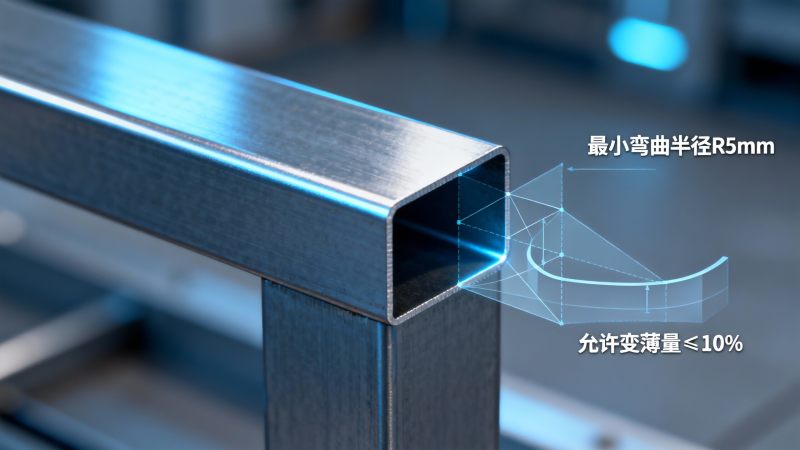
Understanding technical performance requires clear, measurable criteria. For cold formed angle and sheet metal angle members, bending limits should be defined by a combination of geometric tolerance, minimum bend radius, and allowable thinning. Typical parameters that engineers and fabricators monitor include: minimum internal bend radius relative to material thickness, maximum local thickness reduction (often limited to 10% for critical connections), edge straightness tolerances, and residual stress magnitudes after forming. When any of these exceed prescribed limits, common failure modes can appear: local buckling in the turnaround of a 90 angle metal, lateral torsional buckling of long slender angle bars under compression, fastener tear-out where a deformed right angle steel plate prevents full bearing, and fatigue initiation at corners where sheet metal angle exhibits micro-cracking.Inspection criteria that translate technical limits into practical checks:- Visual deformation: identify out-of-plane distortion, rounding of right-angle corners, and localized wrinkling.- Dimensional check: measure leg lengths, angles, and bend radii against shop drawings and tolerance bands.- Thickness check: use ultrasonic or micrometer spot checks at bent zones to detect thinning.- Fastener engagement: confirm full bearing of bolts and weld fillet sizes where angle attaches to primary members.Engineers should document allowable stress reductions when angles are bent beyond the tightest tolerances. For example, a cold formed angle whose inner radius is below recommended limits can suffer a loss of effective section modulus, which reduces moment capacity and increases deflection. Comparison analysis between as-rolled and as-formed properties helps quantify safety margins. Where standards permit, a rigorous approach is to require manufacturer-provided bending coupons demonstrating compliance with mechanical property retention after forming. These technical controls are essential for quality managers and safety officers who need to validate that an installed structural angle iron will perform under design loads without unexpected yielding or fatigue initiation.
2024 Case Study: Failure, Root Cause and Remediation
This section walks through a representative 2024 project where structural performance was compromised by improper forming of angle members. The project involved a medium-span mezzanine support system that used a mix of angle bars and prefabricated brackets. Early in the installation phase, installers noted misalignment at connections and observable buckling at several 90 angle steel corners. Investigation revealed multiple contributing factors: improper bending tooling that produced an internal bend radius smaller than recommended, inconsistent thickness reduction in sheet steel angle ends, and fastener holes positioned too close to the bent edge in right angle steel plate pieces. These issues produced a complex failure pathway: localized thinning reduced bearing strength; out-of-plane distortions redistributed loads through secondary members; and misfit at bolted connections concentrated shear on fewer fasteners — accelerating slip and fretting.Root-cause analysis combined on-site measurements, metallurgical spot testing, and a review of supplier documentation. The supplier had provided material without bending coupons and had not included residual stress data. Corrective actions included: re-fabricating the most critical brackets with controlled bend tooling, increasing hole edge distance for bolted connections, and retrofitting problematic connections with reinforcing doublers to restore bearing capacity. For long-term prevention, the project team updated procurement specifications to require producer-supplied bend tests and traceability to rolling batches. As a practical note for those sourcing materials, an example of an acceptable product line used in a parallel project was the galvanized reinforcement and round bar packs; to keep the supply chain lean, one component used on non-structural secondary elements was Galvanized Round Steel, selected because its finish and dimensional stability reduced handling damage during installation. The case demonstrates the value of early supplier engagement, on-site mock-ups, and contractual requirements for forming tolerances to protect both schedule and safety.
Procurement Guide, Standards, FAQs and Why Choose Us
Procurement decisions determine whether a project enjoys predictable performance or endures costly rework. For buyers and project managers, a practical procurement checklist includes: specifying minimum bend radii, requiring manufacturer-provided post-form tensile or bend coupons, demanding dimensional inspection reports on delivered angle bars and sheet metal angle pieces, and insisting on delivery of mill certificates that confirm chemical and mechanical properties. Familiar reference standards include ASTM A36, ASTM A572, and relevant EN specifications for cold formed sections; these standards provide baseline requirements, but project-level tolerances should be tighter where connection integrity is critical.Common FAQs and misconceptions answered briefly:- Q: Does galvanizing affect bend performance? A: Hot-dip galvanizing can introduce surface irregularities; when bends are tight, specify adequate protective coatings and ensure bending occurs before galvanizing where practical. - Q: Can we accept small wrinkles in a sheet metal angle? A: Minor aesthetic wrinkles may be permissible on non-critical members, but any wrinkling near bolt holes or connection faces is a red flag and should be rejected.- Q: Are cold formed angles always weaker than hot-rolled angles? A: Cold forming alters residual stress but can produce equal or superior section properties if done within controlled limits.Why choose our recommended supplier profile? Shandong Hongteng Fengda Metal Materials Co.. Ltd.is a leadingdomestic enterprise specializing in the production and export of varioussteel plates and coils, profiles, and grids.lt has a complete set of productiontechnology and related equipment such as coking, sintering, steelmaking andsteel rolling, as well as related energy and power systems. At the same time, ihas realized the completeness and systematization of modern iron and steelindustry production technology.Through the global sales network, the products sell well at home and abroad.Our products are widely sold all over the country and exported to North America,Europe, Middle East, South America, Southeast Asia, Africa, Australia and other placesOur quality and service are highly appreciated.The company is committed to providing customers with high-quality and low-coststeel products as the goal, and strives to create value for customers. With advancedKaiping processing equipment and a strong logistics distribution system, it can meetcustomer needs at any time. With the operating advantages of completespecifications, low prices, and fast delivery, and the service concept of keepingpromises and emphasizing quality, the company has won the trust and praise of themaiority of users. These capabilities matter because they reduce variability in bend results, improve delivery reliability for projects, and support documentation needs for quality and compliance.Contact and next steps: for inspection templates, supplier qualification checklists, or sample bending coupons, reach out to your procurement lead or request a sample package during the tender phase. Choosing a supplier with integrated rolling, processing and logistics capability reduces on-site surprises and helps ensure that the structural angle iron you install meets both design intent and in-service safety requirements.
Related recommendations
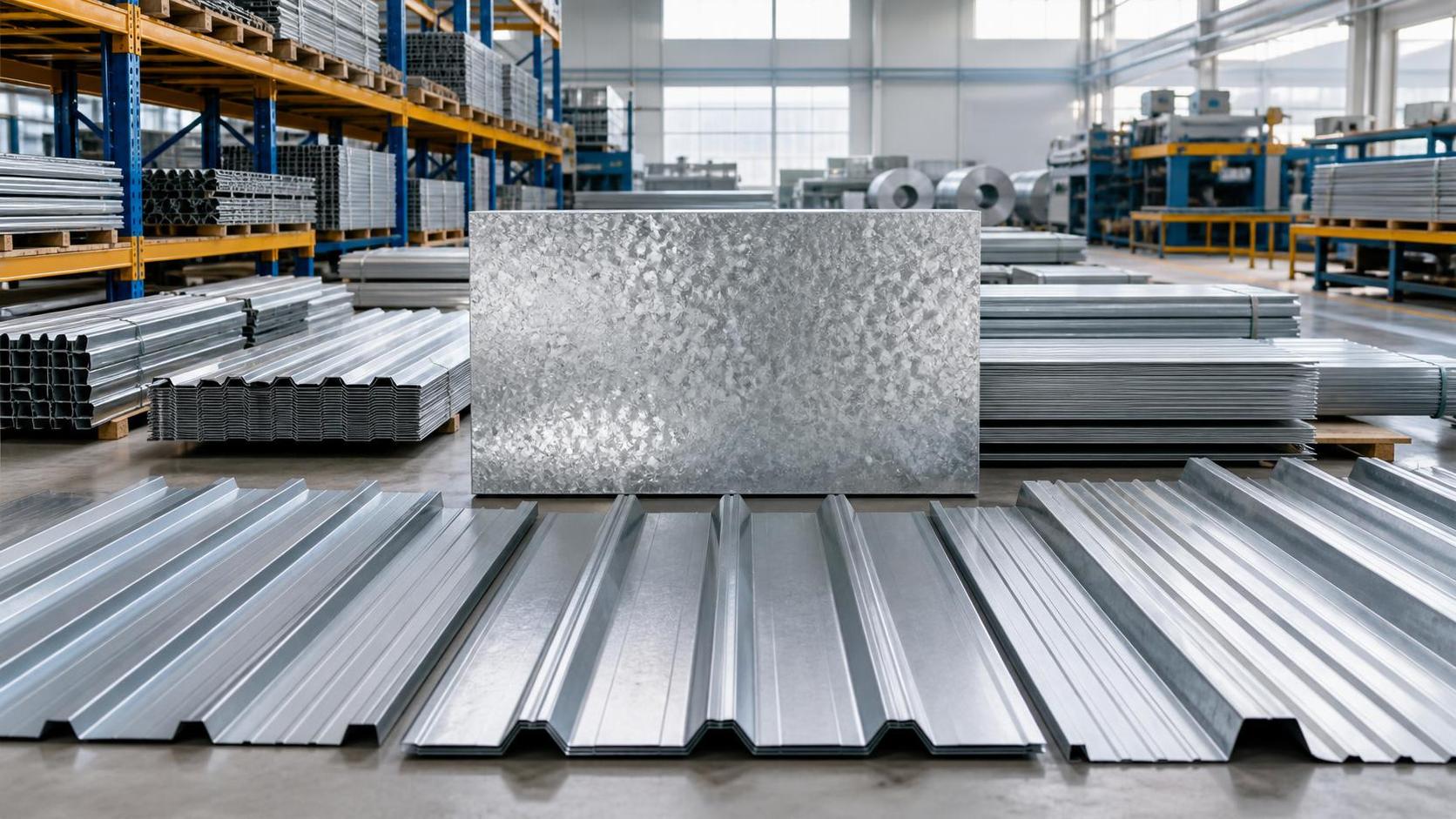
 How to Judge if Steel Sheet for Construction Fits Roofing or Wall CladdingSteel sheet for construction: learn how to judge thickness, coating, profile, and load performance for roofing or wall cladding, and choose a durable, cost-effective fit.
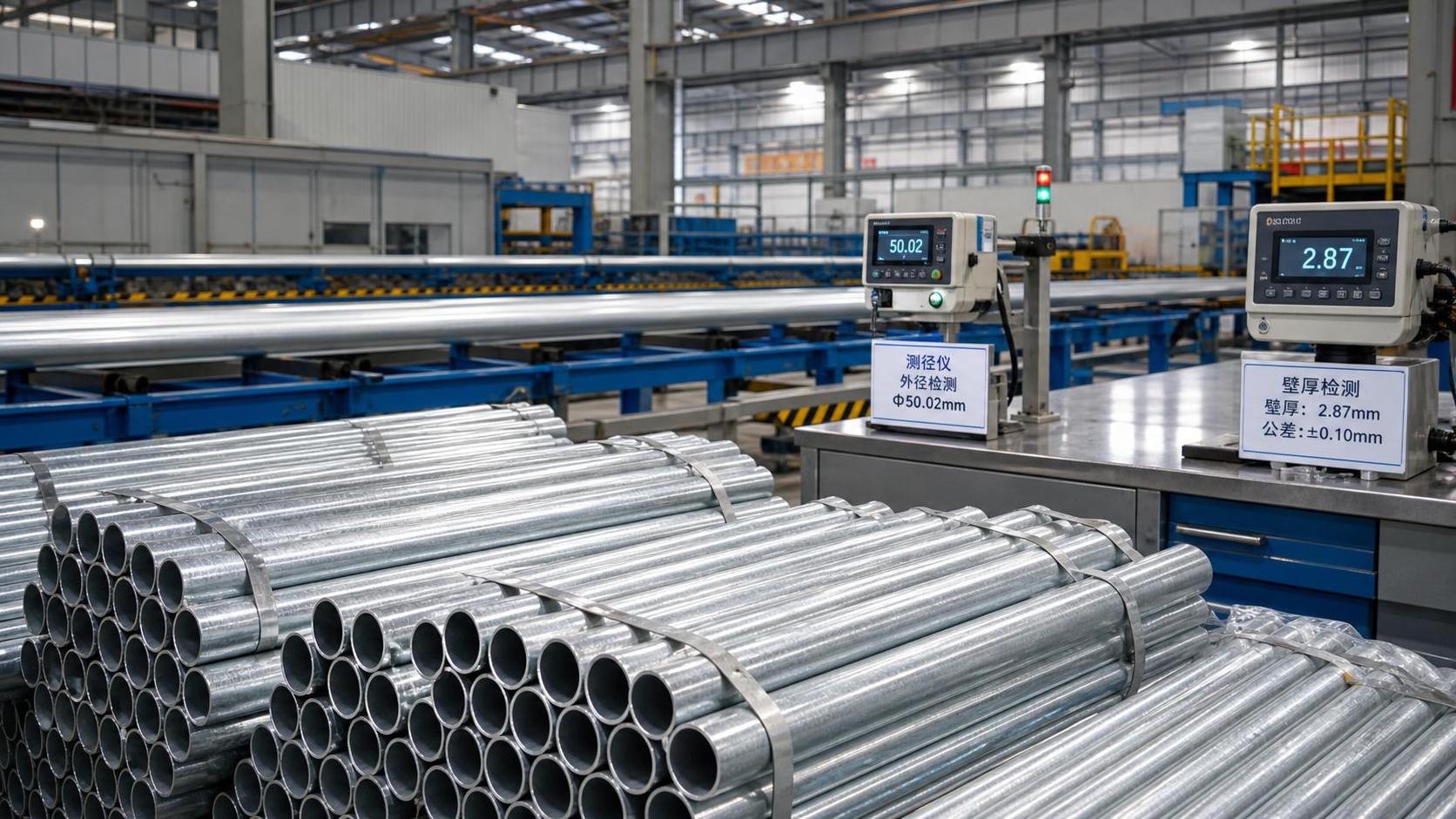
 Galvanized Pipe Manufacturer Selection: Zinc Coating, Tolerance, and ComplianceGalvanized pipe manufacturer selection guide: compare zinc coating quality, tolerance control, and compliance to reduce risk and choose a supplier that delivers reliable steel products.
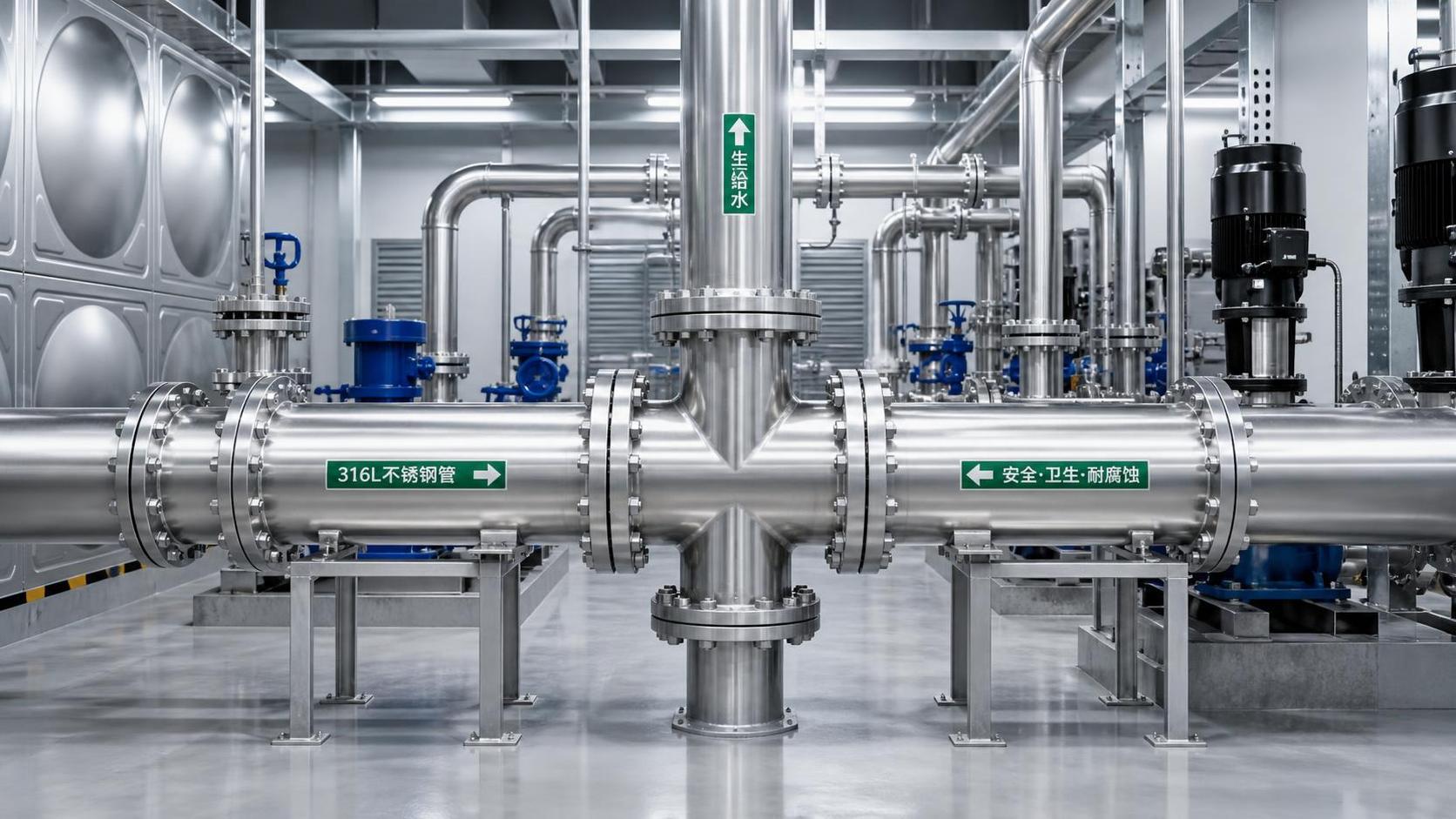
 How to Choose SS Pipe for Water Supply in Corrosion-Prone BuildingsSS pipe for water supply selection guide for corrosion-prone buildings. Compare 304 vs 316 grades, water chemistry, specs, and lifecycle cost to choose a safer, longer-lasting system.
 Steel Wire Rope Manufacturer Standards That Matter in Lifting ApplicationsSteel wire rope manufacturer standards for lifting: learn how to assess traceability, testing, compliance, and real quality control before choosing a safer, more reliable supplier.
Please give us a message


Please enter what you want to find