In 2024, sustainability has become a defining factor in selecting steel profile for stadium construction. As global demand grows for eco-efficient infrastructure, the use of durable and recyclable materials such as carbon steel for chemical plants, steel channel for shelving systems, and steel sheet for roofing is at the forefront of engineering innovation. Hongteng Fengda, a leading structural steel manufacturer and exporter from China, provides high-quality and customized solutions that support sustainable development across stadium projects and other large-scale constructions. Steel has long been associated with strength and reliability, yet today, the attention turns toward its ecological footprint, life cycle performance, and potential for circular economy integration. For procurement specialists, project managers, and quality control teams, understanding the sustainability aspects of structural steel determines not just project viability but also long-term environmental commitments. This article explores key sustainability considerations and advanced approaches that make steel profile for stadium construction a cornerstone of green architecture.
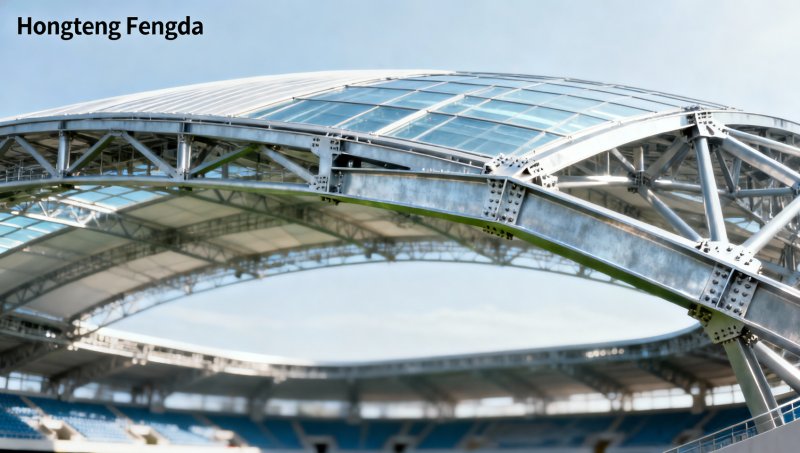
1. Sustainable Material Selection and Life Cycle Impact
Choosing the appropriate steel profile for stadium construction in 2024 means focusing on the full life cycle of the material—from raw extraction and production to usage, maintenance, and end-of-life recycling. Modern stadiums are increasingly designed with environmental certifications such as LEED or BREEAM in mind, and structural steel plays a central role in achieving these standards. The recyclability of steel eliminates waste and reduces the need for virgin resources. In addition, carbon steel for heavy machinery and steel rebar for infrastructure projects reflect engineering strategies that promote both resilience and resource efficiency. Manufacturers like Hongteng Fengda are investing in low-emission production technologies, energy-efficient furnaces, and closed-loop systems to minimize the carbon footprint. The introduction of eco-friendly galvanized coatings, combined with robust mechanical performance standards such as ASTM and EN, ensures that steel profiles deliver enduring quality while advancing sustainability goals.
2. Design Adaptability and Structural Efficiency
When it comes to constructing modern stadiums, flexibility in design and structural performance are essential. Engineers must consider the load-bearing capacity, aesthetic requirements, and ease of assembly of each steel profile. Steel channel for mezzanine flooring and steel bar for transmission towers allow modularity in large-span constructions. Similarly, precise fabrication methods, such as those used by Hongteng Fengda, reduce material waste and shorten erection time on-site. One example is the integration of Galvanized Round Steel, a high-strength, anti-corrosion material particularly suited for substation ancillary facilities, street light poles, and building components. Its galvanized finish offers low maintenance and a long service life, contributing to better resource management and fewer replacements over time. Moreover, its compliance with AiSi, ASTM, BS, GB, and JIS standards ensures compatibility across global projects, making it a smart addition to the sustainable construction supply chain. These innovations allow stadiums not only to meet structural demands but also to express new architectural languages of efficiency and durability.
3. Energy Efficiency and Environmental Performance
Energy efficiency extends beyond the stadium’s operational stage. The processes of steel manufacturing, coating, and assembly significantly influence environmental performance. By utilizing technologies that recycle water, lower heat emissions, and adopt renewable power sources, steel manufacturers ensure eco-friendly outputs. For example, the choice of steel pile for riverbank protection demonstrates how structural steel can support environments exposed to extreme weather, preventing erosion while maintaining sustainability. In large venues where illumination and air conditioning account for high energy use, lightweight yet strong steel sheet for roofing helps optimize daylight control and thermal management. Innovations in thermal coatings and green surface treatments lower heat absorption, maintaining internal comfort without excessive energy demand. Hongteng Fengda’s modern facilities apply advanced cold forming processes that reduce energy intensity and promote high dimensional precision. This not only aligns with the global mission towards carbon neutrality but also positions steel profile for stadium construction as a benchmark for smart infrastructure design. Every kilogram saved in manufacturing or transportation translates directly into carbon savings and a smaller global environmental footprint.
4. Longevity, Safety, and Structural Integrity
One of the most crucial attributes of any stadium structure is its long-term durability. With public facilities hosting tens of thousands of visitors regularly, safety cannot be compromised. Steel rebar for highway construction and carbon steel for chemical plants both demonstrate the combination of excellent mechanical strength and safety under thermal and dynamic stress. Hongteng Fengda’s approach to longevity includes advanced surface treatments and corrosion protection—critical for outdoor and coastal environments. The anti-corrosion capabilities of Galvanized Round Steel ensure exceptional resistance against moisture, oxidation, and environmental pollutants. This is why such materials are favored in marine components, light industry, and public utility structures. By extending maintenance cycles, operators significantly reduce resource use and maintenance wait times, promoting operational stability. Additionally, the out-of-roundness and tolerance precision standards listed as ISO h8 and h9 ensure that every structural connection is safe, efficient, and durable. Safety audits show that galvanized steel profiles can significantly outperform untreated materials when exposed to critical weathering, reaffirming their role in sustainable and safe project design.
5. Supply Chain Transparency and Global Compliance
Sustainability does not end with materials—it extends across the supply chain. Project decision-makers require transparent sourcing, ethical labor practices, and accurate compliance documentation. Hongteng Fengda’s global network spanning North America, Europe, the Middle East, and Southeast Asia emphasizes traceability through digital documentation and standardized testing protocols. Certifications according to ASTM, EN, JIS, and GB confirm the structural and safety parameters of steel profiles. For large-scale undertakings like stadium developments, collaboration between design engineers, procurement teams, and logistic partners ensures streamlined operations and predictable lead times. Steel Channel for shelving systems and Steel Channel for mezzanine flooring not only support internal infrastructure but also contribute to modular procurement and design synergy. Supply chain optimization, combined with real-time communication tools, allows distributors and end-users to track production progress, monitor quality benchmarks, and confirm shipments—all crucial for sustainability auditing. This level of transparency underlines how responsible manufacturing supports global climate objectives while improving buyer confidence and project efficiency.
6. Market Outlook and Innovation Trends for 2024
By 2024, the global structural steel market is projected to exceed new growth thresholds, driven by accelerating urban development and green-building policies. Trends such as the reuse of steel components, adoption of AI-driven quality monitoring, and development of low-carbon smelting technologies are reforming the industry landscape. For instance, carbon steel for heavy machinery will increasingly feature hybrid compositions with reduced alloy footprints. In addition, steel rebar for infrastructure projects and steel bar for transmission towers are expected to integrate recycled scrap ratios above 70%, reflecting circular economy principles. Research and pilot projects in Europe and Asia show that cold-formed steel technologies can reduce carbon emissions by up to 25% compared to traditional hot rolling. Hongteng Fengda’s innovations in high-precision forming and corrosion control contribute to these milestones, providing reliable materials that align with international environmental goals. Moreover, emerging applications in modular stadium construction, where prefabricated elements are assembled like building blocks, demonstrate the efficiency and recyclability of structural steel. The challenge ahead is to couple technological advancements with policy frameworks, ensuring that green infrastructure remains both attainable and economically viable.
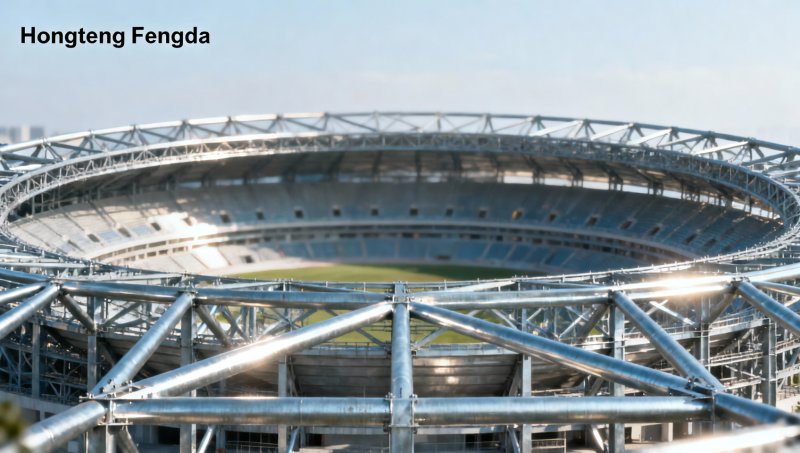
7. Practical Recommendations for Project Designers and Buyers
For design consultants, procurement professionals, and facility operators involved in stadium projects, a strategic approach to steel material selection is imperative. First, prioritize suppliers with conforming standards and proven traceability, ensuring every steel profile for stadium construction meets robust mechanical performance and ecological standards. Second, opt for products that integrate anti-corrosive features and high tensile strength—parameters between 570 and 820 MPa, such as those offered by Hongteng Fengda’s galvanized series, can withstand demanding conditions. Third, plan for lifecycle management by setting up material reuse guidelines and recycling partnerships post-construction. This reduces waste while maintaining the economic vitality of future renovations or expansions. Lastly, engage early with manufacturers that provide technical documentation, test reports, and customization options—ensuring fit-for-purpose solutions across locations and climates. In doing so, stadium developers can maximize both structural integrity and environmental accountability, aligning with national green development targets while controlling total project budgets.
Conclusion: Building a Sustainable Future with Steel
In conclusion, sustainability considerations in steel profile for stadium construction encompass far more than material strength—they embody responsible resource use, environmental awareness, and engineering innovation. Across every phase, from design through production to operation, Hongteng Fengda delivers structural steel solutions that help partners meet green objectives without compromising performance. Whether using carbon steel for chemical plants, steel sheet for roofing, or specialized profiles for stadium seating structures, the company ensures the balance of efficiency and ecology. For global buyers and project leaders seeking to implement eco-conscious, cost-effective, and durable steel systems, partnering with an experienced manufacturer is vital. Hongteng Fengda continues to redefine structural excellence, offering dependable products and consistent quality supported by international certifications and R&D growth. To explore tailored solutions or learn more about advanced steel technologies for sustainable stadium construction, please contact Hongteng Fengda today and start building the future responsibly.
- galvanized steel
- structural steel
- steel profiles
- Structural Steel
- galvanized steel profile
- Profile
- Rebar
- Galvanized
- Steel Channel
- carbon steel
- steel sheet
- steel rebar
- steel profile
- steel pile
- steel bar
- steel rebar for infrastructure projects
- carbon steel for heavy machinery
- Steel Channel for mezzanine flooring
- steel bar for transmission towers
- steel pile for riverbank protection
- steel profile for stadium construction
- steel rebar for highway construction
- steel sheet for roofing
- carbon steel for chemical plants
- Steel Channel for shelving systems
Related recommendations
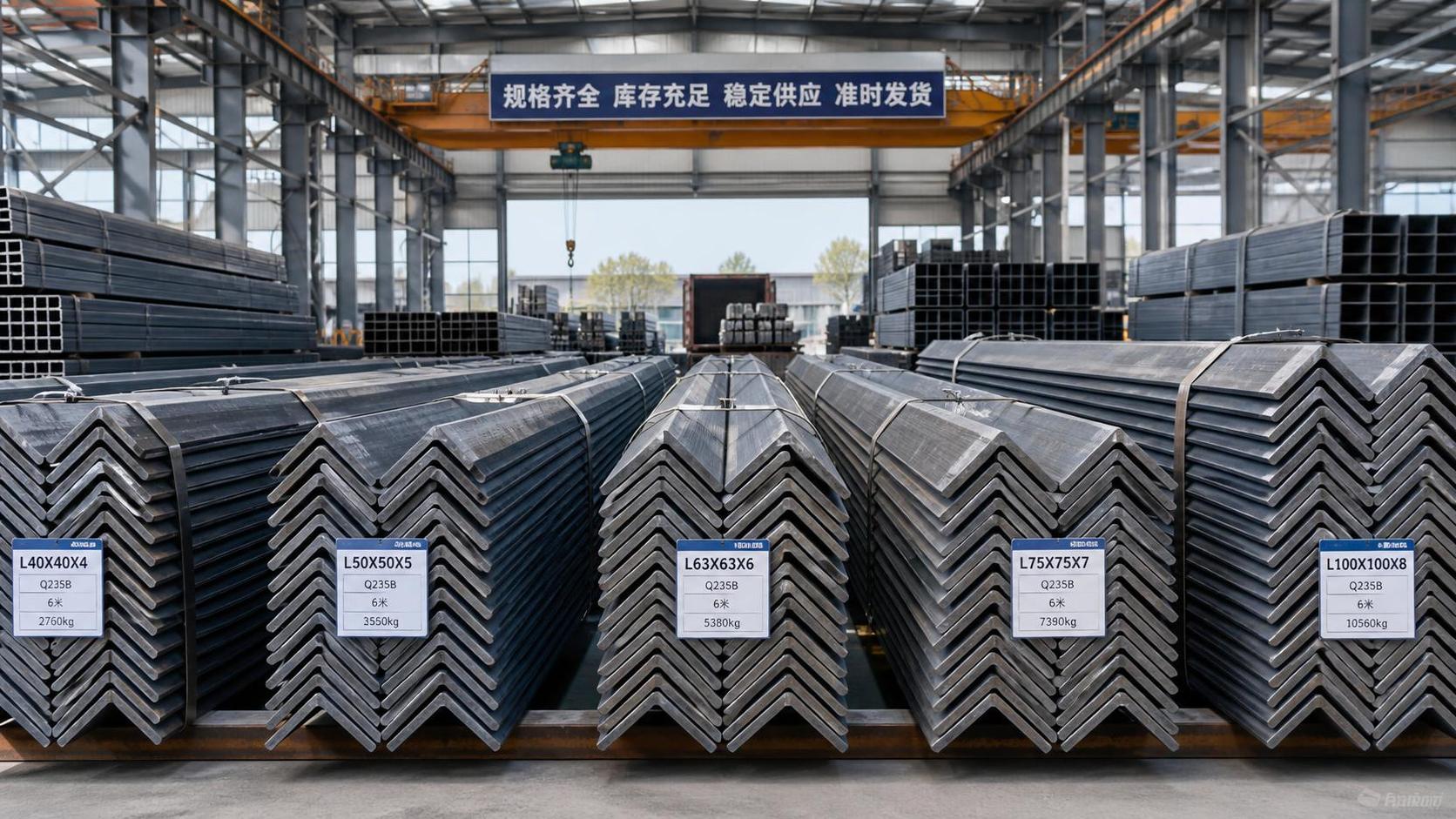
 What Drives Angle Steel Price Changes in Building Frame ProjectsAngle steel price changes can reshape building frame budgets. Learn the key drivers behind fluctuations and how to secure stable, cost-effective sourcing.
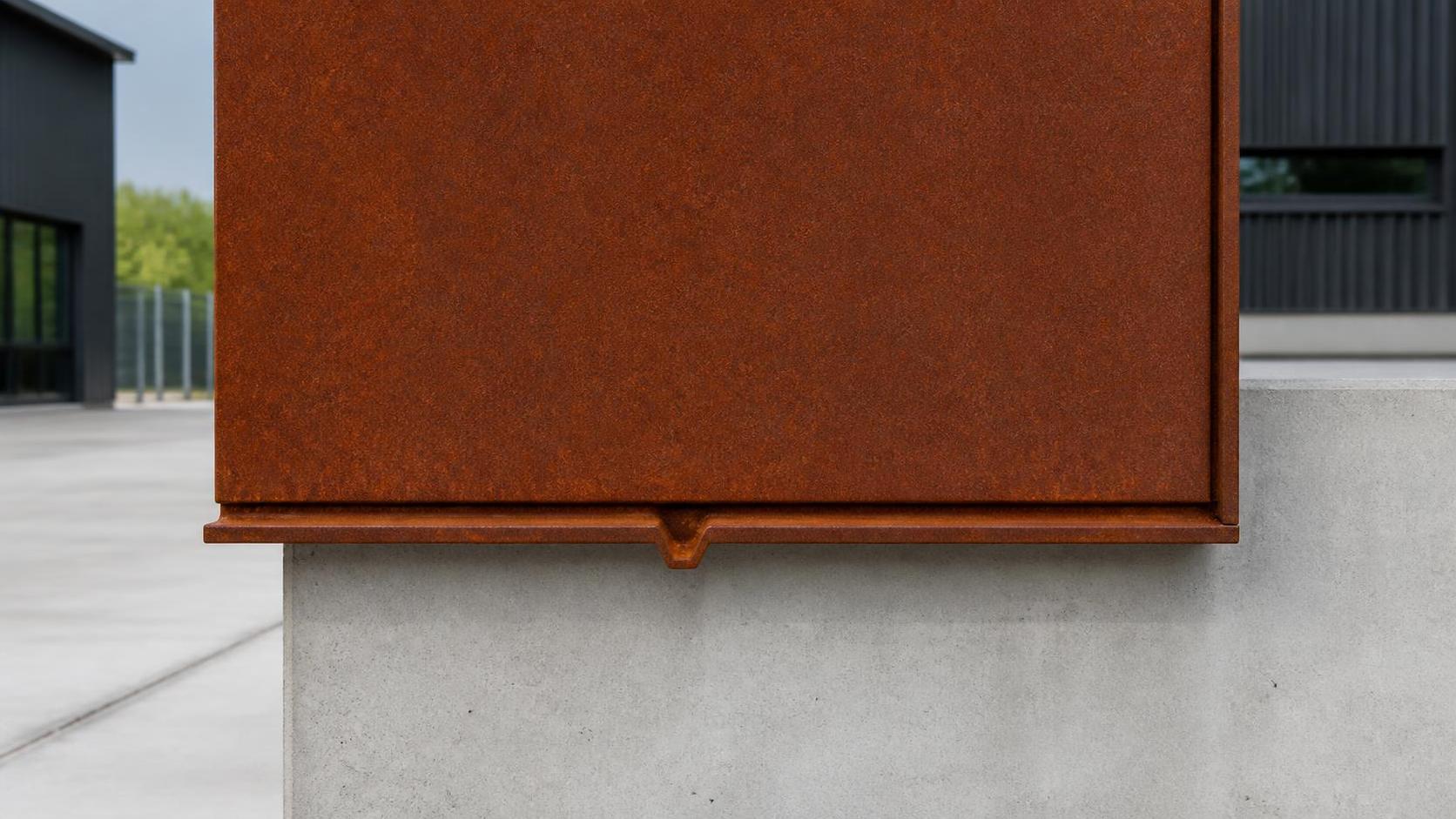
 Corten Steel Plate: Weathering Limits, Drainage, and Staining RisksCorten steel plate guide: learn weathering limits, drainage design, and staining risks to avoid corrosion issues, protect nearby surfaces, and choose the right steel solution.
 What Drives Steel Rod Price Changes in Building Projects?Steel Rod price changes can reshape construction budgets fast. Learn what drives costs—from steel, zinc, specs, compliance, and lead times—to make smarter, lower-risk buying decisions.
 Galvanized Pipe Specifications: Which Standards Matter for Water and Gas Lines?Galvanized pipe specifications determine whether water and gas lines pass code, pressure, and coating checks. Learn which standards matter most to avoid costly approval and installation risks.
Please give us a message


Please enter what you want to find