For safety managers overseeing critical infrastructure or shipbuilding projects, mill-specific carbon steel plate traceability isn’t optional—it’s non-negotiable. When sourcing carbon steel plate for shipbuilding or high-stress structural applications, every shipment must carry full mill-origin documentation to ensure compliance, accountability, and failure prevention. As a trusted carbon steel plate manufacturer and supplier from China, Hongteng Fengda delivers ASTM/EN-certified carbon steel plate—including high carbon steel plate—with full batch-level traceability per mill, heat number, and test report. Whether you’re a procurement professional, project manager, or quality/safety officer, this transparency reduces risk, supports audits, and strengthens your supply chain integrity.
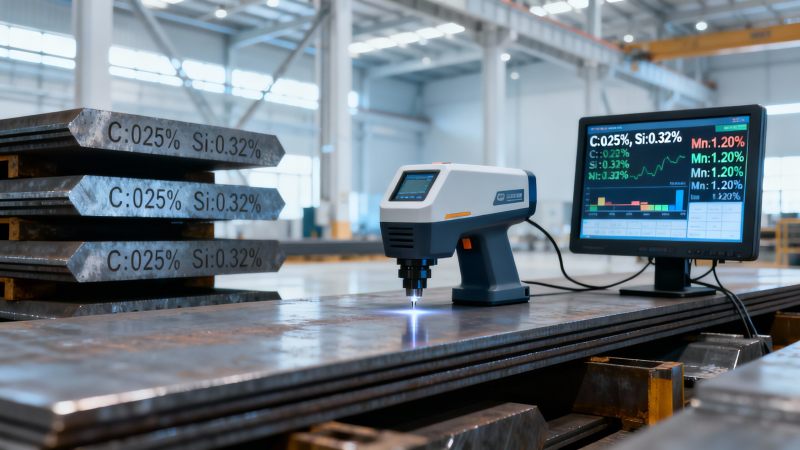
Why Mill-Level Traceability Is a Non-Negotiable Requirement in Structural Steel Procurement
In high-consequence industries—such as naval architecture, offshore energy platforms, nuclear containment structures, and seismic-resistant civil infrastructure—the performance of carbon steel plate under extreme mechanical and environmental loads is governed not just by nominal chemistry or tensile strength, but by the precise metallurgical history embedded in each heat. A “carbon steel plate” labeled only with grade (e.g., ASTM A36 or EN S355JR) tells half the story; without mill-specific traceability—linking physical material to its originating furnace, casting method, rolling schedule, cooling rate, and post-rolling heat treatment—you cannot verify whether that plate was produced under controlled conditions compliant with ASME BPVC Section II, ISO 10474, or Lloyd’s Register Marine Certification requirements. For safety managers, this gap represents an unquantifiable liability: one undocumented deviation in deoxidation practice or insufficient grain refinement can propagate microstructural anomalies that remain invisible until fatigue cracking initiates under cyclic loading. At Hongteng Fengda, every carbon steel plate shipment includes a certified Mill Test Report (MTR) cross-referenced to its unique heat number, rolling mill ID, and third-party verification records—enabling real-time forensic analysis during incident investigations, regulatory inspections, or warranty claims. This level of accountability is why global shipyards in South Korea, Norway, and Singapore specify mill-traceable carbon steel plate supplier partners—not just generic vendors—and why our clients across North America and the Middle East consistently renew contracts based on audit-ready documentation integrity.
Technical Performance & Compliance: How Traceability Enables Predictable Behavior
Carbon steel plate performance hinges on three interdependent variables: chemical composition control (especially C, Mn, Si, P, S), thermal-mechanical processing history, and final microstructure uniformity. High carbon steel plate, for instance, demands tighter control over carbon segregation and pearlite banding to avoid brittle fracture at low temperatures—a concern in Arctic-class vessels or LNG carrier hulls. Without mill-specific traceability, verifying such parameters becomes speculative: a generic “high carbon steel plate” certificate may list nominal carbon content (e.g., 0.60–0.80%), but it cannot prove whether the actual heat was ladle-refined with calcium treatment to suppress MnS stringers, or whether hot rolling occurred within the austenite-ferrite two-phase zone to optimize grain boundary cohesion. At Hongteng Fengda, our production line integrates online spectrographic analysis (OES), ultrasonic thickness mapping, and automated heat-number stamping synchronized with rolling logs—ensuring every carbon steel plate batch carries verifiable evidence of compliance with ASTM A6/A6M (for general structural plates), ASTM A131 (for shipbuilding), or EN 10025-2 (for hot-rolled structural steels). Our traceability system also embeds mechanical test data—including Charpy V-notch impact values at –20°C or –40°C—directly into digital MTRs accessible via secure client portal. This granular linkage between physical product and process metadata transforms passive certification into active engineering assurance—critical for safety managers validating design margins and for project managers defending change orders tied to material substitution.
Procurement Guide: What to Demand from Your Carbon Steel Plate Supplier
Procurement professionals face mounting pressure to balance cost, lead time, and compliance—but compromising on traceability invites cascading failures. Begin due diligence by requiring suppliers to disclose their traceability architecture upfront: Do they assign unique identifiers per heat *before* casting? Are MTRs issued prior to shipment—or generated retrospectively? Can test reports be verified against independent lab databases (e.g., SGS, Bureau Veritas, or TÜV)? Avoid suppliers offering “traceability upon request”—a red flag indicating manual, error-prone processes. Instead, prioritize carbon steel plate manufacturers like Hongteng Fengda, whose ERP-integrated quality management system auto-generates heat-linked documentation at the point of finishing mill exit. We further support procurement teams with customizable reporting dashboards: filter by heat number, mill location (Baoshan vs. Tangshan facility), delivery date, or EN/ASTM standard compliance status. For distributors and agents managing multi-tier supply chains, we provide white-labeled traceability portals—allowing end customers to validate authenticity without exposing upstream commercial terms. Notably, our traceability extends beyond carbon steel plate: for corrosion-critical applications like marine components or substation ancillary facilities, our Galvanized Round Steel carries identical heat-level tracking, including galvanizing bath temperature logs and zinc coating thickness maps per meter length—proving that anti-corrosion performance is engineered, not assumed.
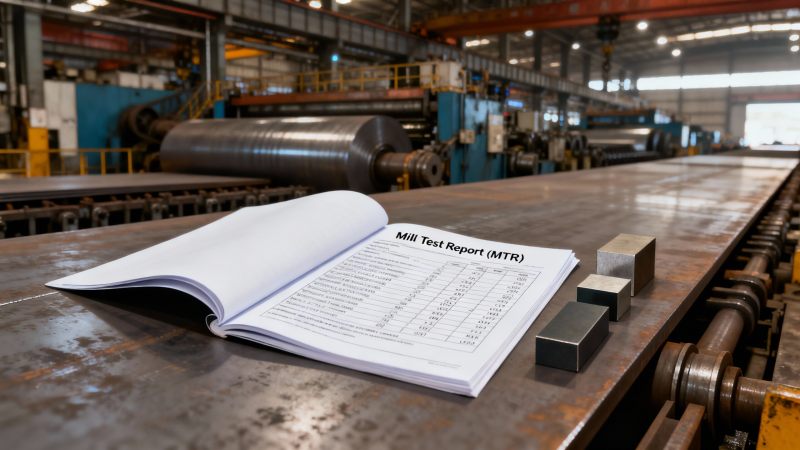
Case Study: Preventing Recurrent Weld Cracking in Offshore Jacket Fabrication
A Tier-1 offshore contractor in the North Sea experienced repeated cold cracking in fillet welds on ASTM A572 Gr.50 carbon steel plate used in jacket leg splices. Initial root cause analysis blamed welding procedure—yet identical WPS performed flawlessly on plates from another supplier. Forensic metallurgy revealed inconsistent manganese-to-sulfur ratios across heats, causing localized hardenability spikes undetectable via bulk chemistry checks. With Hongteng Fengda’s mill-specific traceability, the contractor cross-referenced crack locations against heat numbers and identified two problematic heats where desulfurization time fell below minimum thresholds during ladle refining. Our corrective action included retesting residual stress profiles via X-ray diffraction and issuing replacement plates with documented Mn/S ratios ≤15:1—a specification now contractually mandated for all future orders. This case underscores how traceability shifts safety management from reactive damage control to predictive risk mitigation. Today, that client mandates mill-level carbon steel plate traceability across all structural steel categories—not just for shipbuilding, but for wind turbine transition pieces and hydrogen storage vessels where hydrogen-induced cracking remains a latent threat.
Why Choose Hongteng Fengda as Your Trusted Carbon Steel Plate Partner
As a structural steel manufacturer and exporter from China with over 18 years of export experience, Hongteng Fengda merges deep metallurgical expertise with enterprise-grade traceability infrastructure. Unlike commodity-focused suppliers, we treat each carbon steel plate order as a mission-critical engineering deliverable—backed by ISO 9001-certified quality systems, dual-certified mills (ASTM + EN), and a dedicated traceability team supporting clients from quotation through commissioning. Whether you source carbon steel plate for shipbuilding, require high carbon steel plate for wear-resistant machinery frames, or need OEM-grade structural components with full pedigree documentation—we deliver consistency, compliance, and clarity. Contact our technical sales team today to request a sample MTR package, schedule a virtual mill tour, or integrate our traceability API into your ERP system. Let’s build safer, more auditable, and more resilient projects—together.
- carbon steel plate manufacturer
- high carbon steel plate
- carbon steel plate
- carbon steel plate supplier
- Steel Plate Supplier
- ASTM A572
- ASTM standard
- ASTM A36
- structural steel
- Structural Steel
- steel plate
- Profile
- steel plate for shipbuilding
- S355JR
- Galvanized
- carbon steel
- carbon steel plate for shipbuilding
Related recommendations
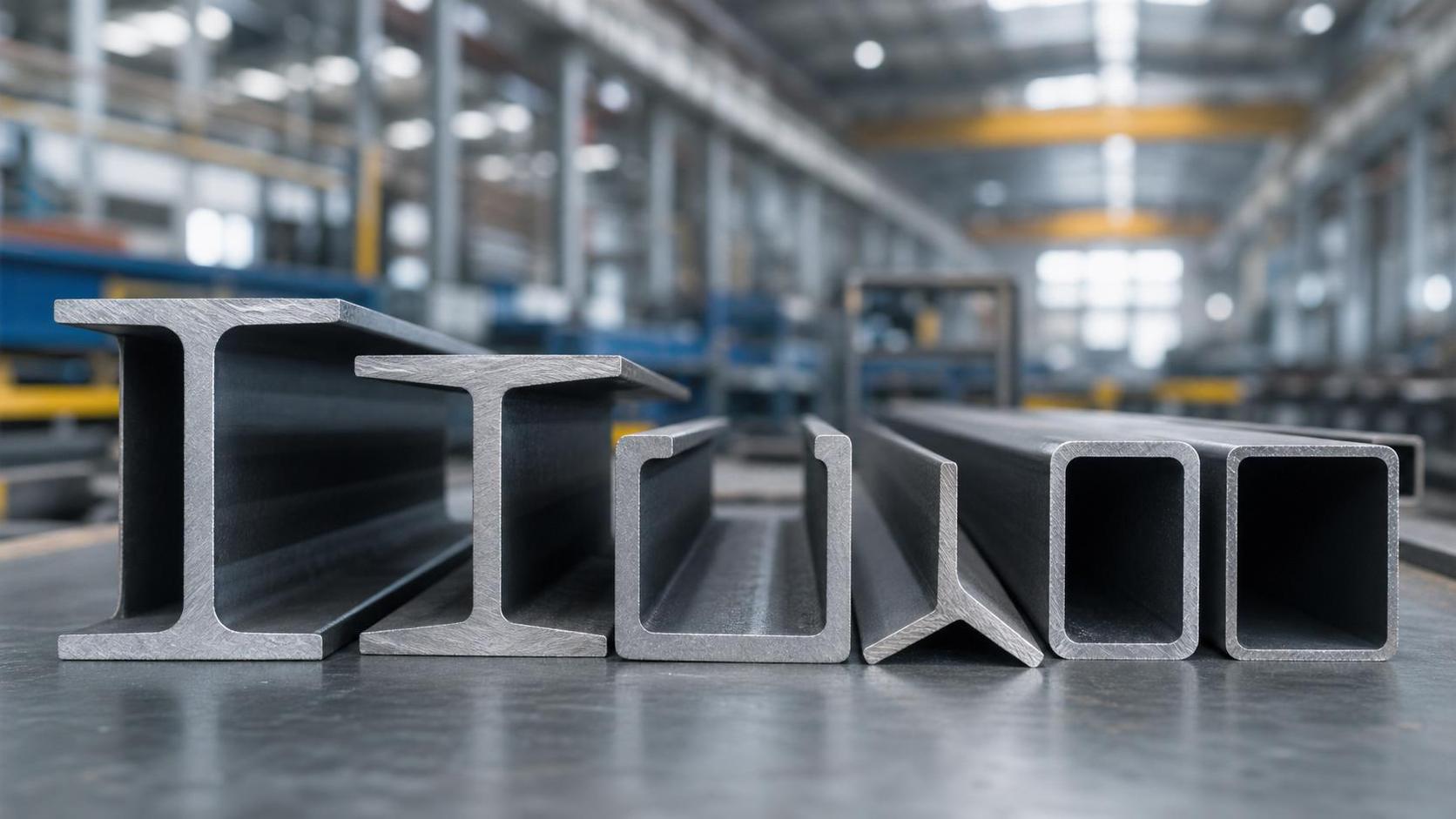
 What Is a Steel Profile? Common Shapes, Uses, and Selection BasicsProfile selection starts with shape, but performance depends on load, fabrication, and standards. Learn common steel profile types, uses, and smart selection basics.
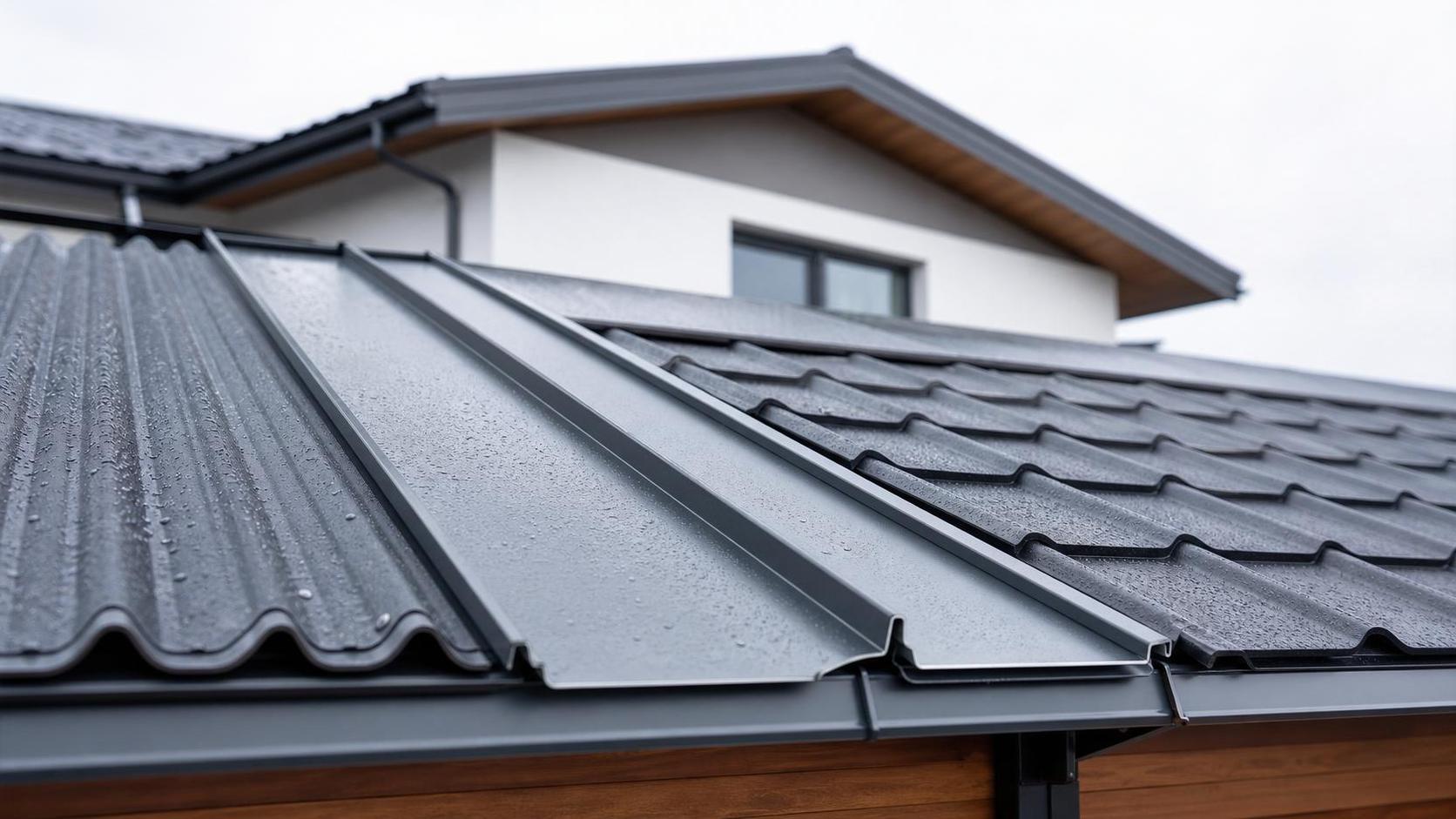
 Steel Roofing Types Explained: Corrugated, Standing Seam, and Metal ShinglesSteel Roofing guide comparing corrugated panels, standing seam, and metal shingles. Discover costs, durability, weather performance, and how to choose the best roof for your home.
 How Hot-Dip Galvanized Coating Thickness Affects Service LifeHot-dip galvanized coating thickness directly affects steel service life. Learn how the right zinc layer improves corrosion protection, controls cost, and supports smarter project decisions.
 Pipe Stainless Grades Explained: 304 vs 316 for Corrosion ResistancePipe stainless grades explained: compare 304 vs 316 for corrosion resistance, cost, and service life. Learn which stainless pipe grade fits marine, chemical, and water system applications.
Please give us a message


Please enter what you want to find