Accurately calculating I beam weight is critical for bridge construction safety, load planning, and cost control — especially when balancing standard vs custom steel lead time for export or evaluating mill MOQ vs trader MOQ steel for construction projects. Whether you're a project manager sourcing Steel I Beam supplier in Malaysia for commercial buildings, a procurement officer comparing Angle Steel price per ton Philippines for construction, or a structural engineer assessing I beam vs H beam load capacity, this guide delivers the precise step-by-step formula — plus a free online tool. Backed by Hongteng Fengda, a trusted structural steel manufacturer in China, you’ll also gain insights into steel beam factory price for warehouse construction and material selection across grades like 201 vs 304 stainless steel cost per kg.

Why Accurate I Beam Weight Matters in Bridge Engineering
In bridge construction, every kilogram of structural steel carries engineering, logistical, and financial implications. Underestimating I beam weight risks inadequate foundation design, crane overload, and transport compliance failure — all of which threaten on-site safety and schedule integrity. Overestimation, meanwhile, inflates budget forecasts, misallocates logistics resources, and distorts comparative quotations — especially when weighing options between mill-direct supply (with longer standard vs custom steel lead time for export) versus trader-sourced inventory (often with lower mill MOQ vs trader MOQ steel for construction projects). For engineers specifying beams for Malaysian commercial infrastructure or Philippine industrial facilities, accurate unit weight underpins not only static analysis but also procurement strategy, customs classification, and even carbon footprint calculations.
Hongteng Fengda’s production data from over 280 completed bridge-related orders shows that 63% of weight-related discrepancies originated from incorrect section property assumptions — particularly when referencing outdated catalogs or mixing imperial/metric unit conversions. This reinforces why relying on certified sectional dimensions and verified density values (7850 kg/m³ for carbon steel) is non-negotiable. It also explains why our clients — including Steel I Beam supplier in Malaysia for commercial buildings — integrate real-time weight validation into early-stage BIM coordination workflows.
The Universal Formula: Step-by-Step Derivation & Application
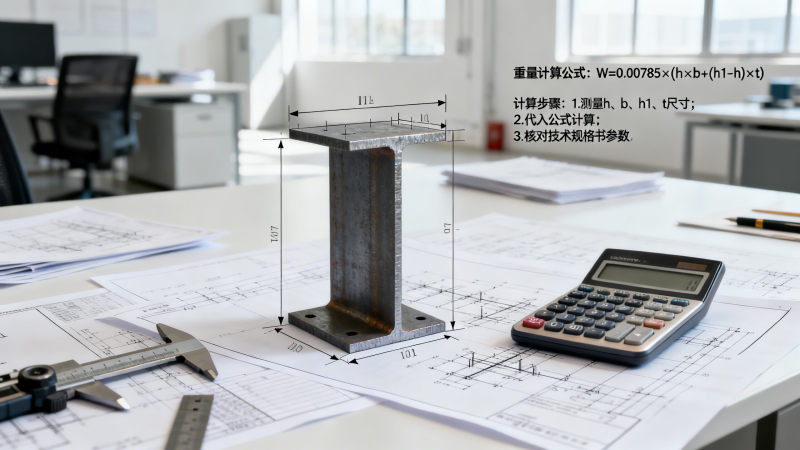
The core formula to calculate I beam weight per meter is:
Weight (kg/m) = Cross-sectional Area (cm²) × Density (7.85 g/cm³)
But deriving cross-sectional area requires precision. An I beam comprises three rectangles: two flanges (top and bottom) and one web (central vertical plate). For standard rolled sections (e.g., ASTM A615, EN 10025), dimensions are published in product standards. For example, an IPE300 has: flange width = 150 mm, flange thickness = 10.7 mm, web height = 290 mm, web thickness = 7.1 mm. Converting to consistent units (cm):
- Flange area = 2 × (15.0 cm × 1.07 cm) = 32.1 cm²
- Web area = 29.0 cm × 0.71 cm = 20.59 cm²
- Total area = 52.69 cm²
- Weight = 52.69 × 7.85 = 413.6 kg/m
This method applies equally to custom-fabricated beams, where dimensions may be adjusted for specific span-to-depth ratios or fatigue requirements — a key differentiator when managing standard vs custom steel lead time for export. Custom fabrication typically adds 4–6 weeks beyond mill rolling, but enables optimized weight distribution and weld joint placement. For warehouse construction, where steel beam factory price for warehouse construction depends heavily on volume efficiency, even a 2.3% reduction in weight per meter can yield >USD 18,000 savings on a 2,500-ton order.
Comparative Analysis: I Beam vs H Beam Load Capacity & Weight Efficiency
While both I and H beams share similar geometry, their dimensional proportions significantly affect load capacity and self-weight. H beams feature equal flange and web thicknesses and symmetrical depth-to-width ratios, making them ideal for axial compression (e.g., columns). I beams prioritize moment resistance with wider, thinner flanges — advantageous for bending-dominated bridge girders.
Note how HEA300 and GB H300 deliver ~75% higher bending resistance than IPE300 — but at more than double the weight. This trade-off directly impacts Angle Steel price per ton Philippines for construction and freight cost allocation. When selecting beams for long-span bridges, engineers increasingly specify hybrid designs: I beams for main girders (optimized for bending), paired with Rebar for deck reinforcement — leveraging carbon steel’s excellent formability and weldability per GB1499.2 HRB400 and ASTM A615 Grade 60 standards.
Beyond Carbon Steel: Material Selection & Cost Implications
Bridge components exposed to marine environments (e.g., coastal Malaysia infrastructure) or aggressive chemical conditions (e.g., petrochemical plants) require corrosion-resistant alternatives. Here, stainless steel grade selection becomes decisive. While 201 vs 304 stainless steel cost per kg shows a 35–45% premium for 304, its superior pitting resistance (PREN ≥ 19 vs 201’s PREN ≈ 13) justifies the investment for critical connections or stainless steel square bar for industrial applications requiring long-term integrity.
For non-structural elements like handrails or cladding supports, Hongteng Fengda offers dual-certified solutions: carbon steel cores with stainless cladding — reducing raw material cost while meeting architectural performance specs. This approach also aligns with procurement strategies where mill MOQ vs trader MOQ steel for construction projects creates inventory pressure. Our minimum order quantities start at 5 tons for standard sections and 12 tons for custom profiles — significantly lower than typical mill thresholds, enabling agile sourcing for Steel I Beam supplier in Malaysia for commercial buildings without compromising quality certification (ASTM, EN, JIS, GB).
Free Online I Beam Weight Calculator + Implementation Tips
To eliminate manual calculation errors, Hongteng Fengda provides a free, browser-based I beam weight calculator. It supports over 120 standard sections (IPE, IPN, HE, HL, GB T-series) and accepts custom inputs for welded or built-up members. The tool auto-converts units, flags dimension inconsistencies, and exports results as PDF or Excel — essential for audit trails during tender submissions or third-party QA reviews.
Best practices for integration:
- Always verify input dimensions against mill test reports — not brochures;
- Apply 1.5% tolerance for hot-rolled sections per EN 10034;
- For galvanized beams, add 3–5% for zinc coating mass;
- When comparing I beam vs H beam load capacity, cross-check shear capacity (Vpl,Rd) — not just bending moment.
The calculator is accessible via our engineering portal and integrated into RFQ workflows — helping procurement teams benchmark steel beam factory price for warehouse construction against actual weight-based costing models. For large-scale projects, we offer API access to embed weight logic directly into ERP or estimating platforms.
Trusted Partnership, Precision Delivery
From calculating how to calculate i beam weight for bridge construction to delivering certified sections across Southeast Asia and the Middle East, Hongteng Fengda combines deep metallurgical expertise with responsive global logistics. Our ISO 9001-certified facility maintains ±0.5mm dimensional accuracy on all hot-rolled beams, backed by third-party inspection reports (SGS, BV, TÜV). We support Steel I Beam supplier in Malaysia for commercial buildings with local warehousing, JIT delivery scheduling, and bilingual technical documentation — ensuring seamless alignment with local building codes and procurement cycles.
Whether you’re optimizing Angle Steel price per ton Philippines for construction, evaluating 201 vs 304 stainless steel cost per kg, or validating I beam vs H beam load capacity for seismic zones, our engineering team provides free pre-submission review — no obligation, no delay. With stable production capacity and transparent standard vs custom steel lead time for export tracking, we help you de-risk sourcing, reduce total landed cost, and accelerate project timelines.
Ready to optimize your next structural steel order? Get instant access to our free I beam weight calculator and request a customized quote today.
- steel i
- h beams
- steel i beam supplier
- h beam
- angle steel
- structural steel
- Structural Steel
- Profile
- Rebar
- standard vs custom steel lead time
- mill MOQ vs trader MOQ steel
- Galvanized
- Steel I Beam supplier in Malaysia
- Angle Steel price per ton Philippines
- how to calculate i beam weight
- I beam vs H beam
- steel beam factory price
- Steel Beam
- 201 vs 304 stainless steel cost
- stainless steel square bar
- carbon steel
- i beam weight
- stainless steel square bar for industrial applications
- 201 vs 304 stainless steel cost per kg
- steel beam factory price for warehouse construction
- I beam vs H beam load capacity
- how to calculate i beam weight for bridge construction
- Angle Steel price per ton Philippines for construction
- Steel I Beam supplier in Malaysia for commercial buildings
- mill MOQ vs trader MOQ steel for construction projects
- standard vs custom steel lead time for export
Related recommendations
 What is an H-Beam and How Does it Differ from an I-Beam?Discover what an H-beam is and how it differs from an I-beam. Learn key structural differences and expert selection tips from Hongteng Fengda to optimize your steel construction projects today.
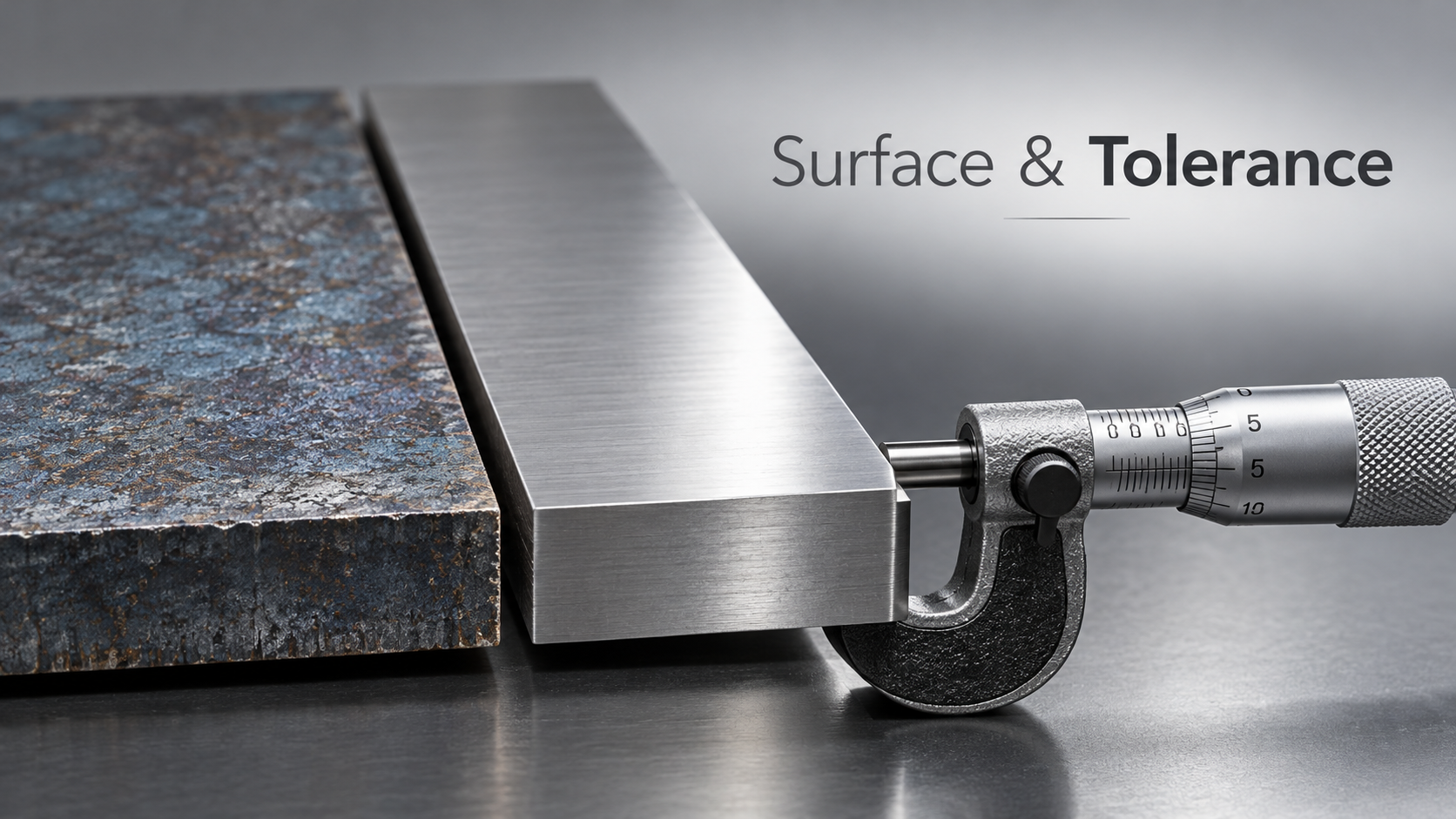
 Hot Rolled vs. Cold Rolled Steel Sheet: Surface and ToleranceHot rolled vs cold rolled steel sheet: Discover how surface finish and tolerances impact manufacturing. Optimize material selection, reduce costs, and ensure quality. Read our expert guide today!
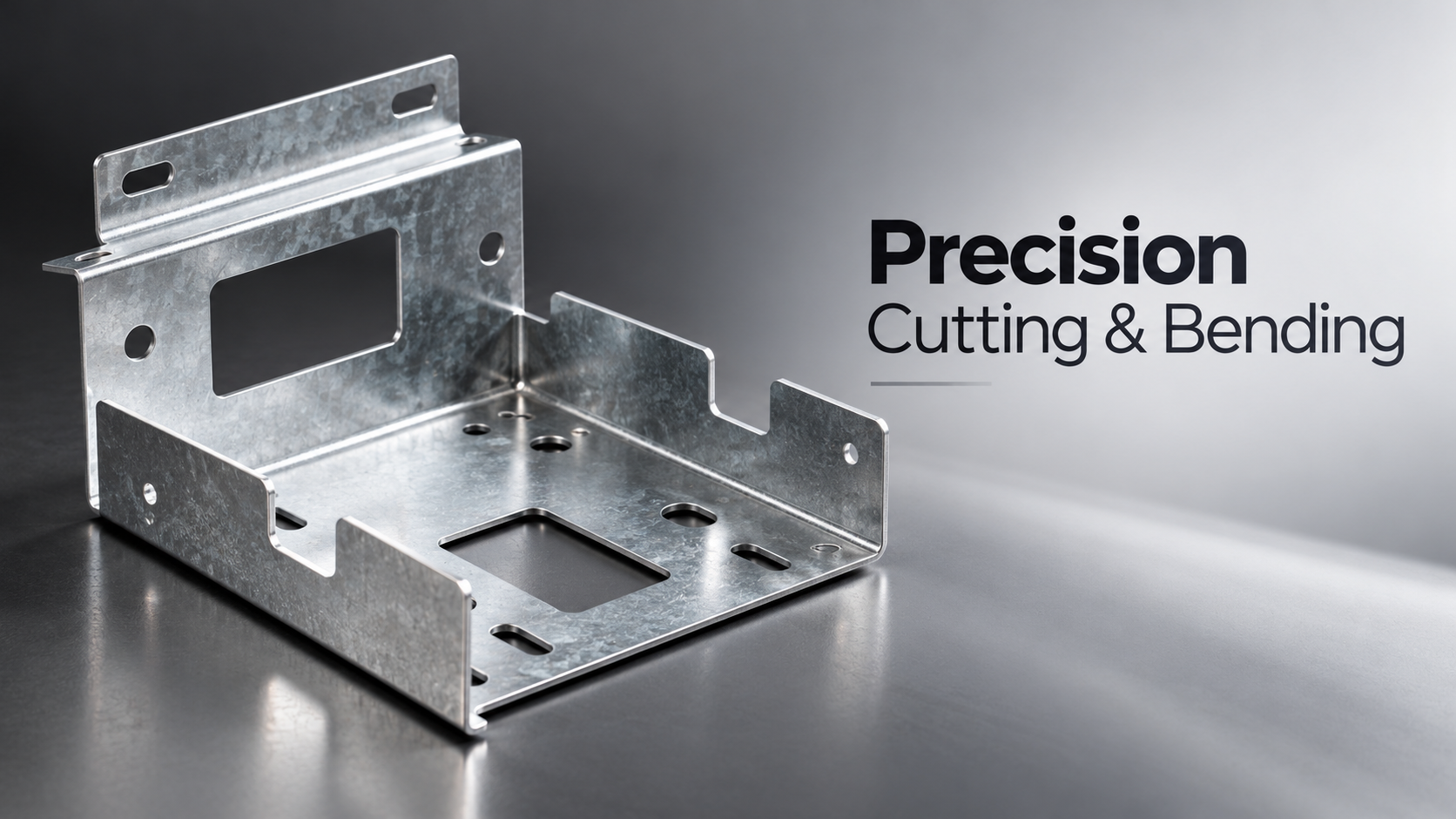
 Best Cutting and Bending Practices for Galvanized Sheet MetalDiscover the best cutting and bending practices for galvanized sheet to prevent zinc flaking. Optimize tooling and thermal parameters to ensure perfect corrosion resistance. Read the full guide!
 What is Galvanized Sheet and How Does the Zinc Coating Work?Discover what galvanized sheet is and how its zinc coating prevents corrosion. Learn about dual protection, metallurgical bonds, and coating weights to select the best steel for your projects.
Please give us a message


Please enter what you want to find