Looking for accurate, up-to-date steel beam factory price in Middle East for 2024? This benchmark report breaks down rates by grade (ASTM A36, EN S275, etc.), delivery terms (FOB/CIF), and regional variations — critical for procurement teams weighing standard vs custom steel lead time for industrial buyers. We also clarify mill MOQ vs trader MOQ steel for industrial applications, helping project managers and distributors optimize cost and schedule. As a certified structural steel manufacturer & exporter from China, Hongteng Fengda supports infrastructure projects across the region — including Steel I Beam supplier in Malaysia and Angle Steel price per ton Philippines — with full traceability, EN/ASTM compliance, and reliable lead times.
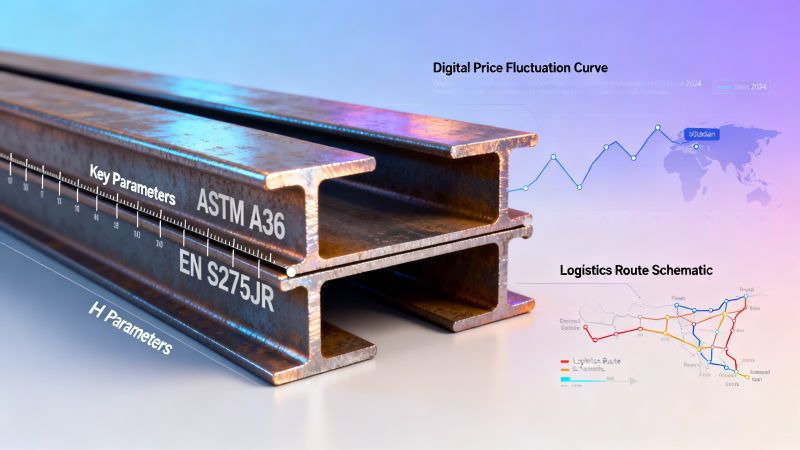
Market Overview: Steel Beam Pricing Dynamics Across the Middle East in 2024
The Middle Eastern steel market continues to evolve amid shifting energy policies, regional infrastructure investment surges, and global supply chain recalibration. In 2024, steel beam factory price in Middle East reflects three key drivers: raw material volatility (especially iron ore and scrap), logistics costs post-Red Sea disruptions, and localized demand spikes from Saudi Vision 2030, UAE’s COP28 legacy projects, and Qatar’s post-World Cup urban expansion. Unlike spot-traded rebar or mesh, structural beams—especially hot-rolled I-beams and H-beams—are subject to longer planning cycles, making factory-direct pricing more strategic than speculative.
Regional divergence remains pronounced: UAE and Qatar often absorb premium CIF premiums due to high customs efficiency and port readiness, while Oman and Kuwait show tighter FOB spreads but longer inland clearance timelines. Notably, buyers sourcing Rolled Coil for secondary fabrication report 12–18% lower landed cost versus pre-fabricated beams—highlighting how material form factor influences total project economics.
Grade-by-Grade Benchmark: Factory Prices (USD/MT, FOB China)
All figures below reflect Q2 2024 factory gate prices from ISO-certified mills in China, inclusive of ASTM A36, EN S275JR, GB/T 700 Q235B, and JIS G3101 SS400 grades. Excluded are value-added services (e.g., shot blasting, coating) and export documentation fees.
Procurement Guide: Mill MOQ vs Trader MOQ & Lead Time Realities
Industrial buyers face a fundamental trade-off: mill MOQ vs trader MOQ steel for industrial applications. Mills like Hongteng Fengda enforce minimum order quantities (MOQs) of 25–50 MT per grade/specification—ensuring production efficiency and metallurgical consistency. Traders may offer 5–10 MT flexibility but introduce variable heat traceability, inconsistent surface finish, and 3–5 week longer lead times due to layering orders.
Standard vs custom steel lead time for industrial buyers is equally decisive. Standard sections (e.g., IPE200, UPN120) ship in 25–35 days from order confirmation. Custom profiles—such as tapered beams or perforated flanges—require 65–90 days, including tooling validation and third-party inspection. For infrastructure-critical projects, this difference impacts cash flow, site mobilization, and penalty clauses.
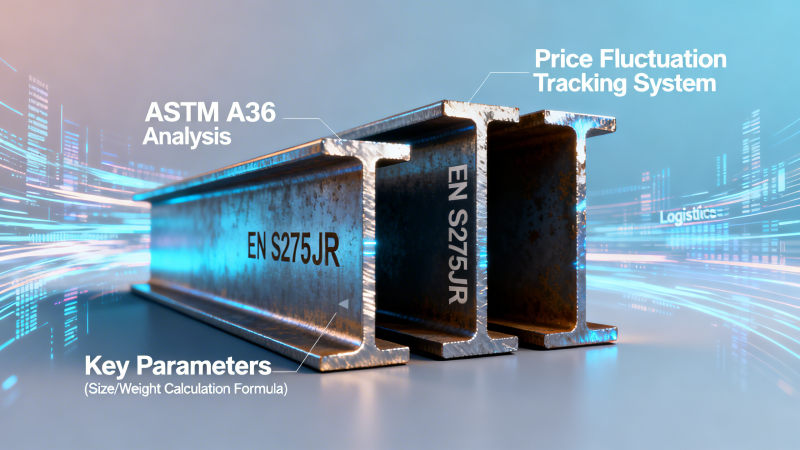
Technical Performance & Application Fit
Selecting between I beam vs H beam for residential construction hinges on load path clarity and connection simplicity—not just aesthetics. I-beams offer superior bending resistance in single-axis loading (e.g., floor joists); H-beams provide balanced axial + flexural capacity ideal for columns and portal frames. Meanwhile, Rolled Coil serves as foundational feedstock for cold-formed purlins and roof decking—leveraging its excellent weldability and cold working properties per GB/T 700-2006 and ASTM A653 standards.
How to calculate I beam weight for industrial projects? Use: W = (Flange Width × Flange Thickness × 2 + Web Height × Web Thickness) × Density (7.85 g/cm³). Digital calculators exist—but verified mill test reports remain non-negotiable for safety-critical lifts and seismic zones.
Why Choose Hongteng Fengda?
As a Structural Steel Manufacturer & Exporter from China, we combine vertically integrated production (from billet casting to final inspection), EN/ASTM/JIS/GB multi-standard compliance, and dedicated Middle East logistics coordination—including Dubai-based warehousing partners for urgent partial shipments. Our clients—from Philippine power substations to Saudi NEOM utility corridors—rely on us not just for competitive steel beam factory price in Middle East, but for audit-ready documentation, real-time production tracking, and engineering support for non-standard connections.
Whether you’re evaluating Angle Steel price per ton Philippines for industrial use, seeking a Steel I Beam supplier in Malaysia for infrastructure projects, or assessing stainless steel square bar for architectural use, our team delivers clarity—not just quotes. Contact Hongteng Fengda today for a tailored benchmark sheet aligned to your project timeline, volume, and certification requirements.
- steel i
- h beams
- steel i beam supplier
- h beam
- angle steel
- rolled coil
- ASTM A36
- structural steel
- Structural Steel
- I-Beam
- Profile
- Rebar
- H-beam
- standard vs custom steel lead time
- mill MOQ vs trader MOQ steel
- Steel I Beam supplier in Malaysia
- Angle Steel price per ton Philippines
- how to calculate i beam weight
- I beam vs H beam
- steel beam factory price
- Steel Beam
- stainless steel square bar
- i beam weight
- stainless steel square bar for architectural use
- steel beam factory price in Middle East
- I beam vs H beam for residential construction
- how to calculate i beam weight for industrial projects
- Angle Steel price per ton Philippines for industrial use
- Steel I Beam supplier in Malaysia for infrastructure projects
- mill MOQ vs trader MOQ steel for industrial applications
- standard vs custom steel lead time for industrial buyers
Related recommendations
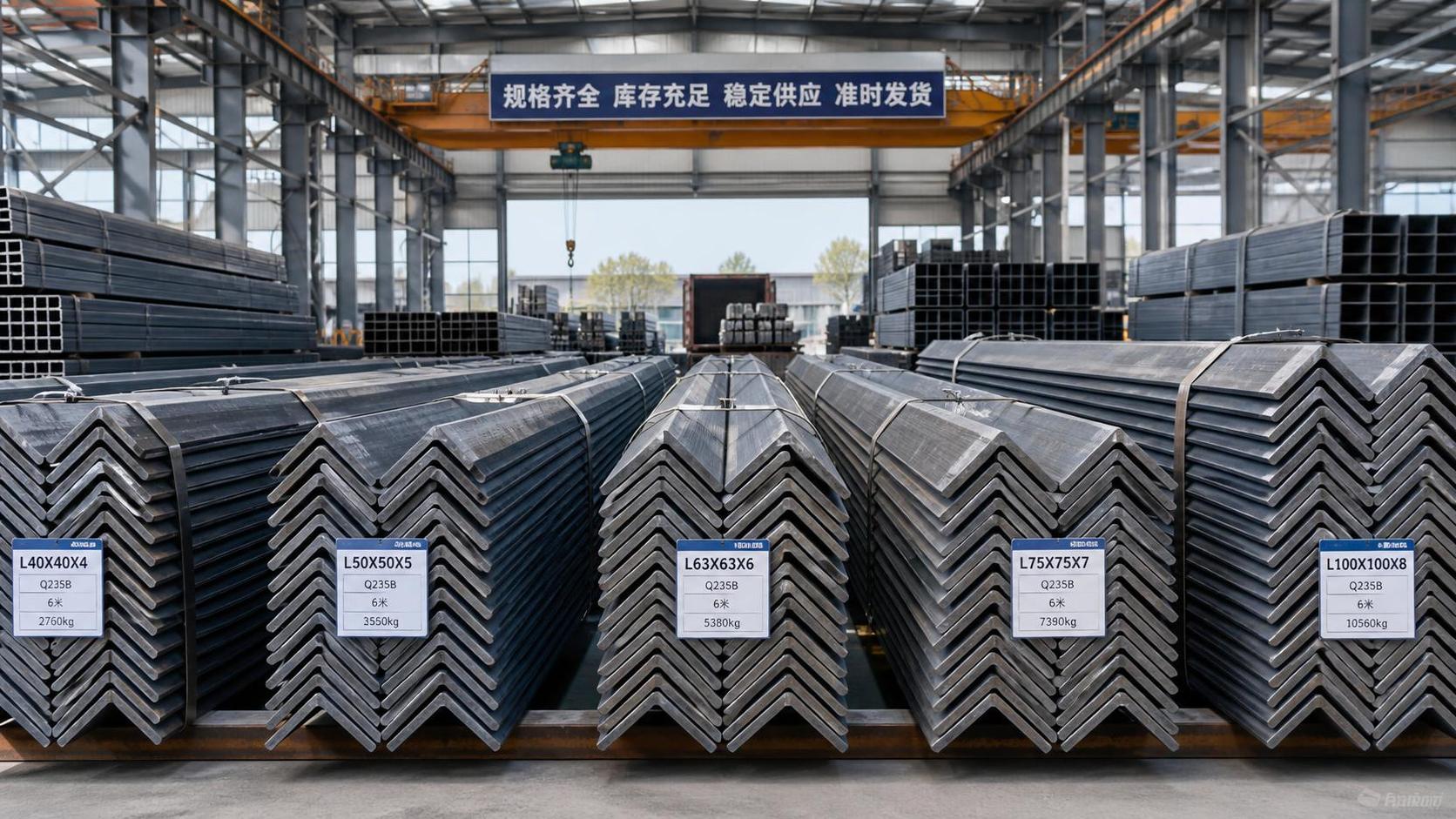
 What Drives Angle Steel Price Changes in Building Frame ProjectsAngle steel price changes can reshape building frame budgets. Learn the key drivers behind fluctuations and how to secure stable, cost-effective sourcing.
 Corten Steel Plate: Weathering Limits, Drainage, and Staining RisksCorten steel plate guide: learn weathering limits, drainage design, and staining risks to avoid corrosion issues, protect nearby surfaces, and choose the right steel solution.
 What Drives Steel Rod Price Changes in Building Projects?Steel Rod price changes can reshape construction budgets fast. Learn what drives costs—from steel, zinc, specs, compliance, and lead times—to make smarter, lower-risk buying decisions.
 Galvanized Pipe Specifications: Which Standards Matter for Water and Gas Lines?Galvanized pipe specifications determine whether water and gas lines pass code, pressure, and coating checks. Learn which standards matter most to avoid costly approval and installation risks.
Please give us a message


Please enter what you want to find