Selecting the right I beam weight specifications for warehouse construction isn’t just about strength—it’s about compliance, safety, and long-term structural integrity. Whether you’re a project manager verifying load capacity against local building codes, an engineer using an I beam weight calculator for construction engineers, or a distributor sourcing weight of I beam supplier in Europe or USA, precise beam weight calculation is critical. This guide covers how to measure a steel beam for industrial warehouse applications, references beams weight charts for steel manufacturers, and aligns I beam weight for construction projects with ASTM, EN, and GB standards—backed by Hongteng Fengda’s expertise as a trusted structural steel manufacturer & exporter from China.
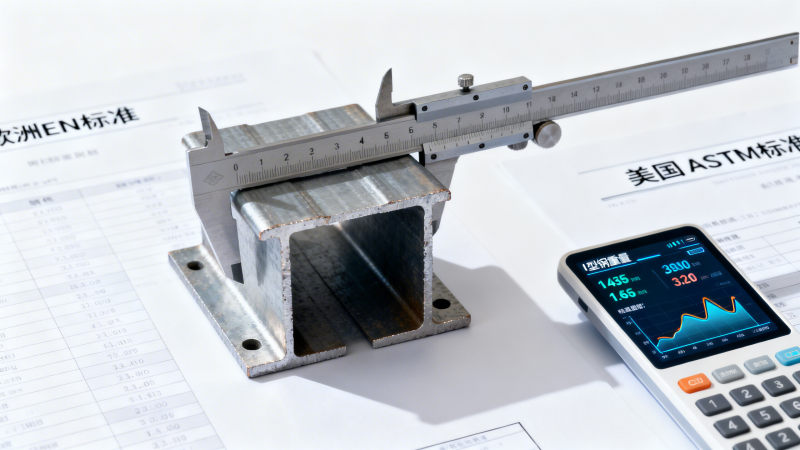
Why I Beam Weight Specifications Matter in Warehouse Design
Warehouse structures demand predictable, repeatable load-bearing performance across wide-span bays, multi-level racking systems, and dynamic material handling environments. An under-specified I beam risks deflection, fatigue cracking, or catastrophic failure—especially under seismic or high-wind loads. Over-specification, meanwhile, inflates material costs, transportation logistics, and installation labor. That’s why I beam weight specifications for warehouse construction must be derived not only from static load tables but also from dynamic usage patterns, column spacing, roof cladding integration, and regional climatic stressors.
For example, a 30-meter clear-span cold-storage warehouse in Northern Germany requires different beam weight tolerances than a 12-meter eave-height distribution center in Dubai. Local codes—like Eurocode 3 (EN 1993-1-1), ASCE 7 in the USA, or China’s GB 50017—mandate minimum live load allowances, snow accumulation factors, and wind pressure coefficients that directly influence required section modulus and, therefore, beam mass per meter.
How to Measure a Steel Beam for Industrial Warehouse Applications
Measuring a steel beam accurately begins before fabrication—not after delivery. For industrial warehouses, the process includes three interdependent steps: dimensional verification, material grade confirmation, and geometric tolerance assessment. First, use calibrated calipers and laser distance meters to validate flange width, web thickness, depth, and overall length—never rely solely on mill certificates. Second, cross-check heat numbers and mill test reports (MTRs) against ASTM A6/A6M or EN 10025-2 to confirm yield strength and chemical composition. Third, inspect for camber, sweep, and twist per ISO 13920 tolerances—critical when aligning crane rails or mezzanine decking.
Note: How to measure a steel beam for bridge projects differs significantly due to fatigue-critical connections and cyclic loading; warehouse beams prioritize uniform load distribution and fire resistance duration. Always document measurements digitally with timestamped photos and GPS-tagged location metadata for QA/QC traceability.
Beams Weight Chart for Steel Manufacturers & Global Standards Alignment
Below is a comparative reference chart showing nominal weights (kg/m) for common hot-rolled I sections used in warehouse framing, aligned across major international standards. All values assume carbon structural steel (S235/S355 in EN; A36/A992 in ASTM; Q235/Q345 in GB). Actual delivered weight may vary ±3% due to rolling tolerances and surface treatments—including galvanization, which adds ~5–7% mass.
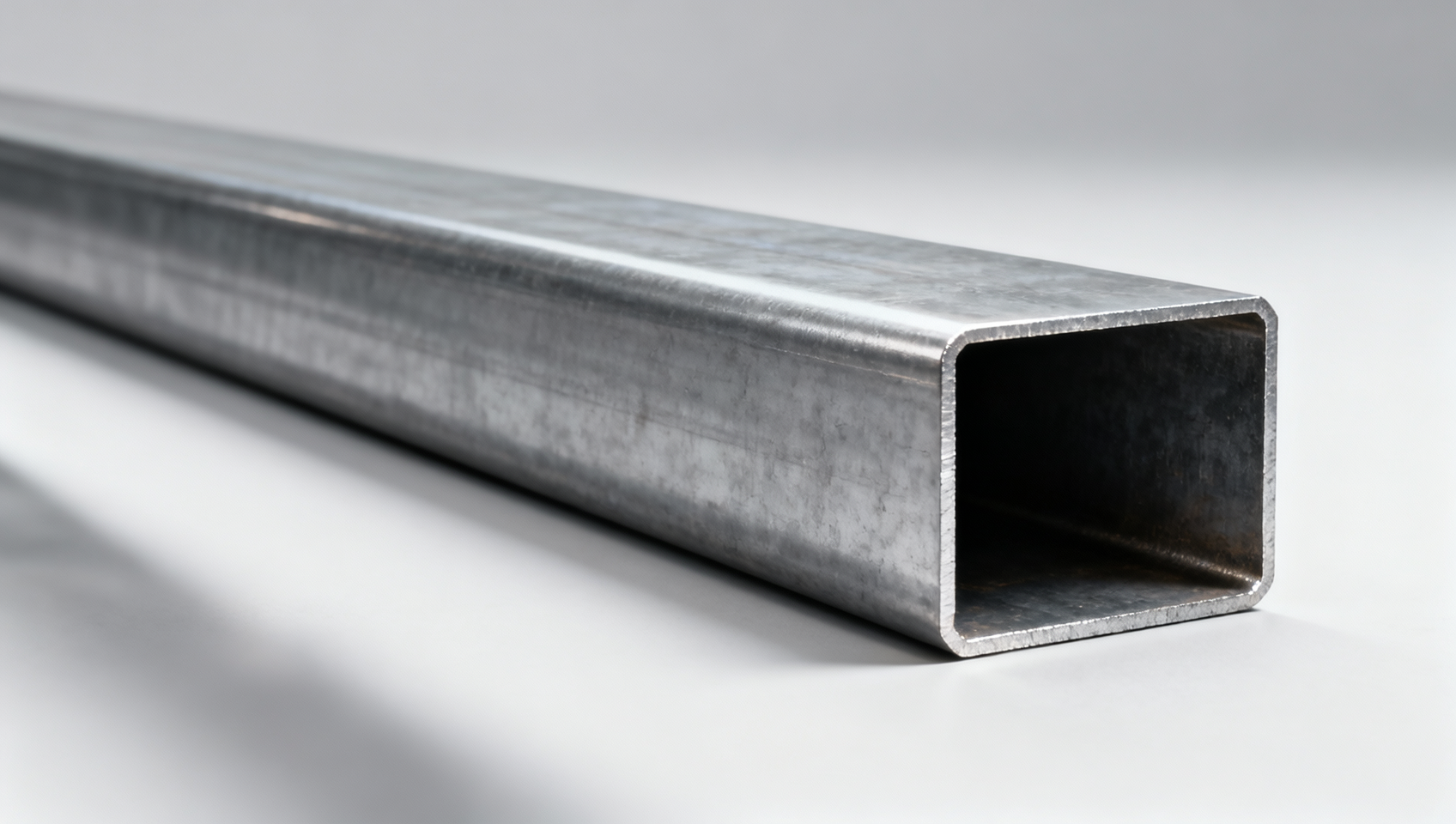
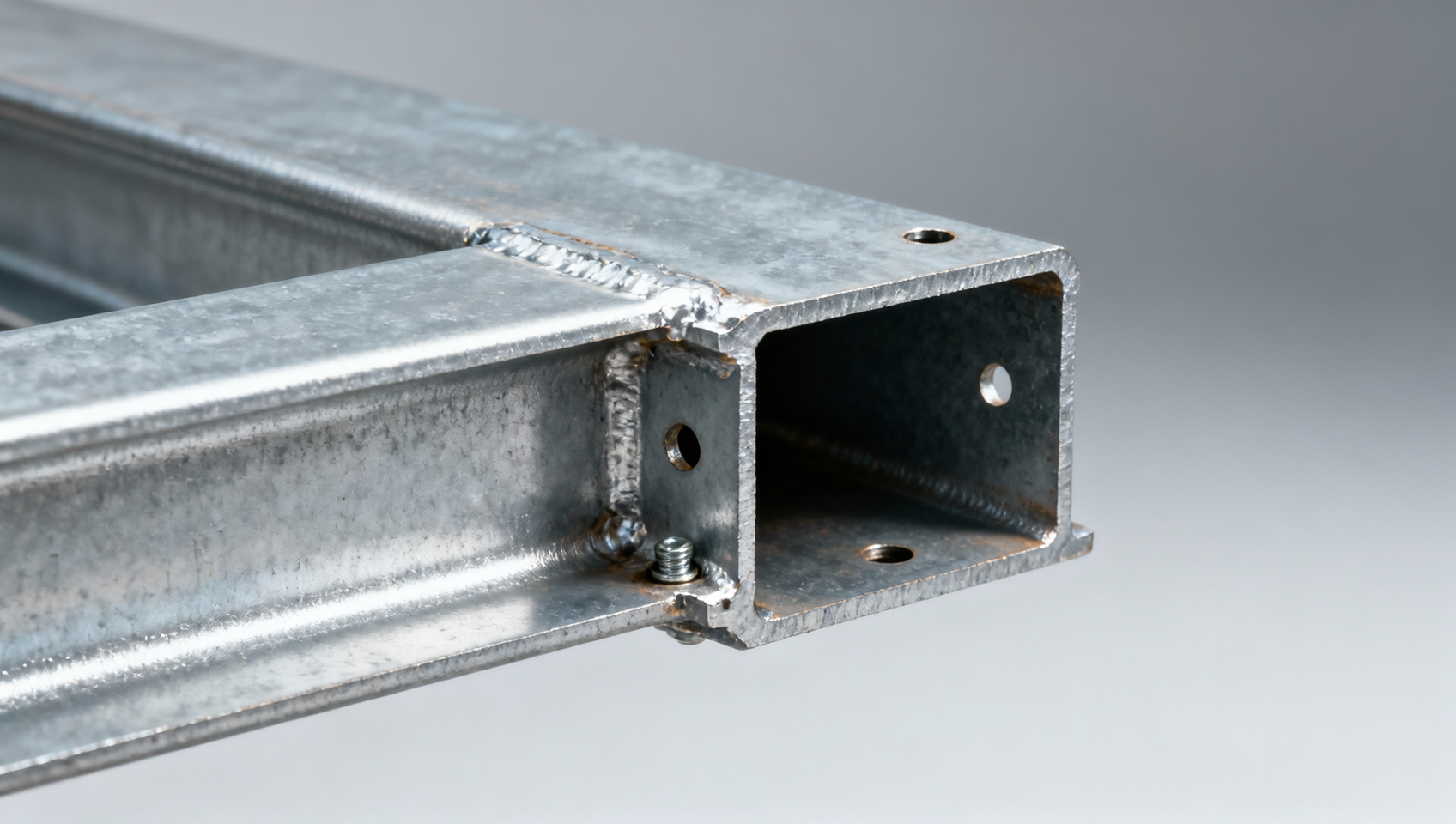
Hongteng Fengda supplies all listed sections with full EN 10204 3.1 certification and optional third-party inspection (SGS, BV, TÜV). Our Galv Steel Tube line complements I-beam frameworks in hybrid roof systems and bracing—enhancing corrosion resistance without compromising weldability or fire rating.
Procurement Guide: Choosing Your I Beam Weight Supplier
When evaluating a weight of I beam supplier in Europe, USA, or Southeast Asia, look beyond catalog data. Ask for: (1) real-time mill production logs—not just theoretical weights; (2) batch-specific tensile test results; (3) documentation of non-destructive testing (UT/MPT); and (4) evidence of consistent adherence to dimensional tolerances (e.g., EN 10034 for I-sections). Many suppliers quote “standard” weights but deliver ±5% variance—unacceptable in tight-tolerance automated racking installations.
As a structural steel manufacturer & exporter from China, Hongteng Fengda maintains ISO 9001-certified quality gates at every stage—from slab reheating to final ultrasonic scanning. We offer pre-shipment dimensional audits and coordinate with your local code authority for pre-approval packages—reducing rework risk and expediting permitting timelines. Our OEM service includes custom cut-to-length, pre-drilled connection holes, and integrated galvanized anchoring plates.
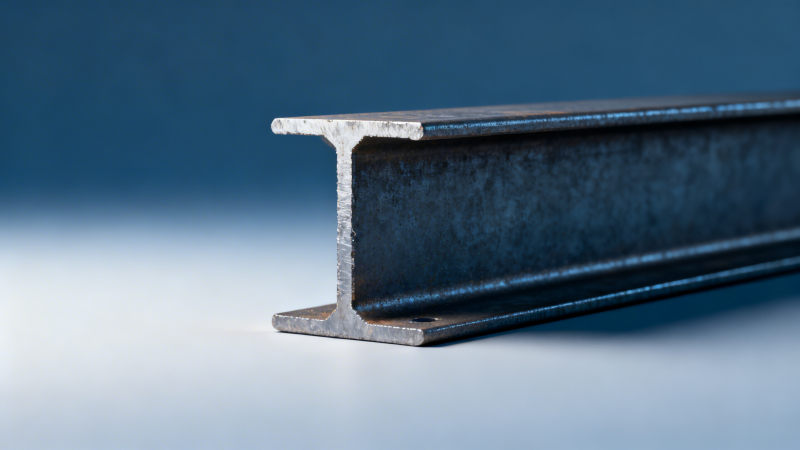
Standards & Certification: Where Compliance Meets Confidence
Compliance isn’t optional—it’s contractual and legal. I beam weight for construction projects must reflect certified physical properties, not marketing brochures. Hongteng Fengda products meet ASTM A6/A6M (USA), EN 10025-2 (Europe), JIS G3101 (Japan), and GB/T 706 (China). Each shipment includes MTRs traceable to ladle chemistry and mechanical test bars. For fire-rated warehouse applications, we supply beams with intumescent coating compatibility verification per EN 13381-8.
Crucially, our beams weight calculation for structural steel integrates thermal expansion coefficients and creep behavior over 50-year design life—ensuring long-term stability even in high-humidity logistics hubs. This level of technical rigor makes us a preferred partner for Tier-1 contractors across North America and the EU.
Why Choose Hongteng Fengda?
You need more than steel—you need certainty. As a professional structural steel manufacturer and exporter based in China, Hongteng Fengda delivers precision-engineered I beams backed by stable production capacity, consistent quality, and dependable lead times. Whether you’re a project manager needing fast-turnaround samples, a distributor seeking volume pricing with bonded inventory options, or a safety officer requiring full traceability down to the heat number—we support your workflow at every stage.
Contact us today for a customized I beam weight calculator for construction engineers, free access to our digital beams weight chart for steel manufacturers, or consultation on how to measure a steel beam for industrial use according to your local code jurisdiction. Let’s build safer, smarter, and more sustainable warehouses—together.
- steel i
- galv steel tube
- structural steel
- Structural Steel
- I-Beam
- Galvanized
- Steel Beam
- steel tube
- weight of i beam
- i beam weight
- how to measure a steel beam
- beams weight
- I beam weight for construction projects
- How to measure a steel beam for industrial use
- Beams weight calculation for structural steel
- I beam weight specifications for warehouse construction
- How to measure a steel beam for bridge projects
- Weight of I beam supplier in Europe
- Beams weight chart for steel manufacturers
- I beam weight calculator for construction engineers
- How to measure a steel beam for industrial warehouse
Related recommendations
 Sustainability Trends in the Global Steel Tubing MarketsExplore sustainability trends in the global steel tubing market. Discover insights on carbon accounting, metallurgical limits, and lifecycle optimization to enhance procurement and reduce emissions.
 Lifecycle Cost Analysis of Steel Roofing vs. Traditional TilesDiscover how Steel Roofing outperforms traditional tiles in lifecycle cost analysis. Learn about CapEx savings, lower maintenance, and higher ROI for your commercial project.
 Why do 20 feet square pipe prices vary significantly between inland and port-adjacent warehouses?20 feet square pipe price varies by location—discover why port-adjacent warehouses often deliver better total cost, speed & ROI. Get the finance-approved breakdown.
 Do the advantages of galvanized steel outweigh long-term maintenance costs in humid industrial zones?Advantages of galvanized steel in humid industrial zones? Yes—when engineered right. Discover how proper specification cuts long-term maintenance costs by 2–3×.
Please give us a message


Please enter what you want to find