Global Overview: Supply Chain Stability Across the Steel Industry in 2024
In 2024, the global steel industry continues to face shifts in supply chain stability and price dynamics, particularly across steel profile, steel bar, steel rebar, and steel sheet segments. As a leading structural steel manufacturer and exporter from China, Hongteng Fengda provides insights into how carbon steel and stainless steel—including stainless steel bar and stainless steel square bar—are shaping market trends. This report explores cost factors such as 201 vs 304 stainless steel cost and highlights developments in Steel Channel and steel pile supply for global projects.
The structural steel business remains a cornerstone of global infrastructure, serving industries such as construction, manufacturing, transportation, and energy. In 2024, raw material fluctuations, regional supply disruptions, and logistical constraints continue to influence the overall stability of the steel profile supply chain. Manufacturers and buyers pay close attention to material grades, sustainability initiatives, and international standards such as ASTM, EN, JIS, and GB. Hongteng Fengda’s extensive production capabilities and quality control systems allow for consistent delivery, helping clients mitigate risks from upstream cost surges or limited cargo availability.
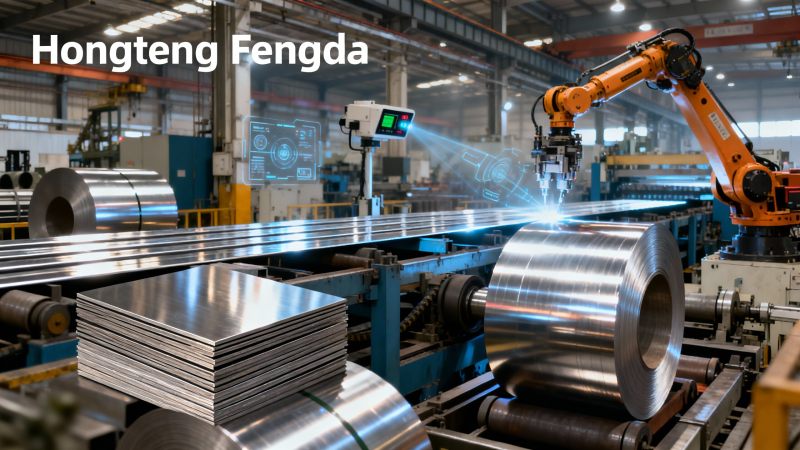
Factors such as carbon emission policies, ore mining output, and shipping cost adjustments have brought new challenges but also opportunities for innovation. Smart manufacturing, automation, and the digital tracking of inventories are increasingly being adopted to maintain efficiency across steel bar and steel rebar production lines. In this context, firms emphasizing stable steel profile quality and reliable logistics performance stand out as preferred partners for engineering and procurement teams worldwide.
Steel Price Dynamics and Market Forecast for 2024
The pricing behavior of steel products—including carbon steel, stainless steel, and specialized profiles—has shown both volatility and resilience through the first half of 2024. Global market data indicates that steel rebar and steel sheet prices have largely stabilized after a period of sharp increases in late 2023, driven by the recovery of construction activities in Asia and the Middle East. On the other hand, energy-intensive manufacturing markets in Europe and North America have sought more energy-efficient production routes that align with sustainability goals, influencing trade flow and pricing benchmarks.
One of the strongest topics of industrial analysis this year is the comparison between 201 and 304 stainless steel. The 201 vs 304 stainless steel cost difference continues to be a deciding factor for project managers seeking to optimize budgets without sacrificing corrosion resistance or tensile strength. While the 304 grade shows excellent resistance to oxidizing environments, the 201 grade provides a cost-effective alternative with moderate performance for less demanding applications. Hongteng Fengda has leveraged its manufacturing versatility to supply different stainless compositions that match region-specific compliance and mechanical expectations.
In markets exposed to construction and heavy machinery projects, the demand for Steel Channel, steel beam, and steel pile materials has remained stable. OEM partners expect not only material variety but also consistent thickness and precision tolerance. Through continuous technical upgrades, Hongteng Fengda’s production of hot-rolled and cold-formed steel profiles enables customers to meet diverse project requirements while maintaining competitive lead times. This balance of quality, cost control, and flexibility defines the core advantage of leading Chinese exporters in 2024’s competitive environment.
Technological Improvements Driving Structural Steel Manufacturing
Advanced manufacturing technologies are reshaping how steel profile and steel bar materials are produced, tested, and distributed. Computerized rolling systems, real-time thickness measurement, and energy recovery mechanisms have enhanced efficiency within steel mills. Hongteng Fengda’s integration of such systems reduces production waste and ensures every steel rebar or steel sheet conforms to its designated specifications. Quality assurance processes, including non-destructive testing and chemical composition analysis, fortify product reliability across markets.
Product diversification plays a vital role in building resilience. For instance, in addition to structural bars and beams, the company manufactures stainless steel tubing for use in chemical plants, food processing equipment, and water treatment systems. The 201 Stainless steel pipe serves as a representative example of this innovation. Built from 201 or 304 stainless steel, it delivers a tensile strength of at least 520MPa and a yield strength exceeding 205MPa, ensuring toughness and corrosion resistance even under high-pressure or high-temperature conditions. Available in round, square, or rectangular tube formats with variable wall thickness and surface finishes like bright polished or matt surface treatment, the product meets ASTM, JIS, and EN standards for industrial-grade reliability.
The adoption of automation further enhances consistency and traceability throughout the production lifecycle. Each steel profile batch is digitally monitored from raw material receipt to final shipment. Such traceability not only meets compliance requirements but also builds transparency for stakeholders including procurement personnel and quality management teams. Suppliers who can guarantee both traceability and steady pricing gain trust among EPC contractors and distributors who must manage time-sensitive project schedules.
Market Opportunities: Regional Supply Chain Integration
Regional steel demand patterns differ substantially, influencing product specifications and sourcing strategies. In North America and Europe, sustainability-driven construction standards have elevated interest in low-carbon steel profile and recycled steel rebar. Asia continues to expand infrastructure investments, requiring high-strength, low-alloy steel bars and customized Steel Channel designs capable of handling seismic and wind loads. The Middle East, driven by oil and gas infrastructure, exhibits a pressing need for corrosion-resistant stainless steel bar and pipe systems suitable for harsh environments.
To support these differing market realities, Hongteng Fengda works closely with regional distributors and project owners to align supply schedules and certification requirements. Its export-ready product portfolio covers an array of steel pile and beam configurations adhering to ASTM, EN, and GB grades. From cold-formed profiles supporting prefabricated structures to heavy-section steel beams for industrial foundations, every solution reflects precise engineering calibration. These capabilities not only extend supply consistency but also anchor long-term trust with international partners across energy, construction, and transportation sectors.
Strategic partnerships, particularly with logistics providers and port authorities, have minimized risk across global trade routes. By combining strong warehousing resources with predictive supply analytics, Hongteng Fengda offers clients a transparent overview of material flow and cost impacts. For instance, customers deploying water treatment plants or breweries often specify stainless steel piping to meet sanitary standards, and the company’s 201 Stainless steel pipe fulfills this niche efficiently with its corrosion resistance and quality certificates from ISO, SGS, and BV. Such examples demonstrate how hybrid product mixes contribute to a robust global steel supply network that sustains growth through diversification.
Comparative Insights: Carbon Steel vs Stainless Steel in Modern Projects
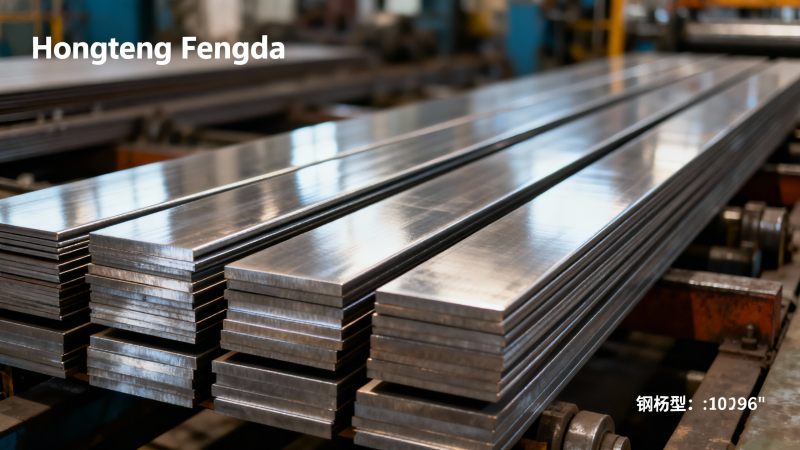
Selecting the right material has become a crucial design and cost factor in industrial projects. Carbon steel remains favored for its affordability and strength balance, making it ideal for heavy loading elements such as steel pile foundations and structural frames. However, stainless steel’s corrosion resistance and longevity make it indispensable for environments with high humidity or chemical exposure. Engineers commonly assess carbon steel and stainless steel bar grades based on both mechanical performance and life-cycle maintenance cost.
In recent years, the growth of smart cities and green architecture has shifted preferences. Designers seek steel sheets and channels that deliver both structural efficiency and aesthetic flexibility. Cold-formed steel profiles, coated with advanced anti-rust film, are increasingly specified for prefabricated systems that emphasize recyclability and modular installation. Although 304 stainless steel is traditionally seen as superior, the 201 variant’s relatively lower cost makes it attractive to small and medium-scale manufacturers striving to remain competitive. Understanding the balance between performance and economy is therefore essential for procurement specialists and project managers alike.
Hongteng Fengda’s technical experts frequently collaborate with international engineers to fine-tune alloy selection for unique applications—whether in chemical processing units, oil and gas refineries, or pharmaceutical manufacturing lines. This collaborative development approach enhances resource utilization, lowers waste, and strengthens the overall reliability of steel profile components. The practice underscores a central philosophy: integrating technical expertise with customer-oriented flexibility creates real value in a rapidly evolving global market.
Conclusion and Call to Action
Through its 2024 insights, Hongteng Fengda reaffirms its commitment to providing stable, high-quality structural steel products for international customers. Despite continuous economic and logistical challenges, the company upholds consistent supply chain performance, ensuring dependable delivery across steel bar, steel profile, and steel rebar categories. Its integration of cutting-edge production systems and adherence to international certifications reinforce trust among global buyers in construction, industrial manufacturing, and infrastructure sectors.
Looking forward, sustainability and intelligent manufacturing will continue to reshape the steel industry’s competitive landscape. Hongteng Fengda is dedicated to fostering that evolution through innovation, customer support, and transparent cooperation. Whether your project requires carbon steel beams, specialized Steel Channel sections, or precision-engineered stainless steel square bar, our expert team can deliver customized solutions aligned with your design and performance targets. To strengthen your supply reliability and gain up-to-date pricing perspectives—including data on factors like 201 vs 304 stainless steel cost—contact our specialists today and explore optimized sourcing options that sustain your project success.
- steel channel sections
- steel i
- carbon steel beams
- steel tubing
- steel pipe
- structural steel
- steel beams
- steel profiles
- Structural Steel
- Steel Beams
- 201 stainless steel pipe
- stainless steel tubing
- stainless steel pipe
- 1 stainless steel pipe
- Profile
- Rebar
- Steel Beam
- Steel Channel
- 201 vs 304 stainless steel cost
- stainless steel square bar
- stainless steel bar
- carbon steel
- steel sheet
- steel rebar
- steel profile
- steel pile
- steel bar
Related recommendations
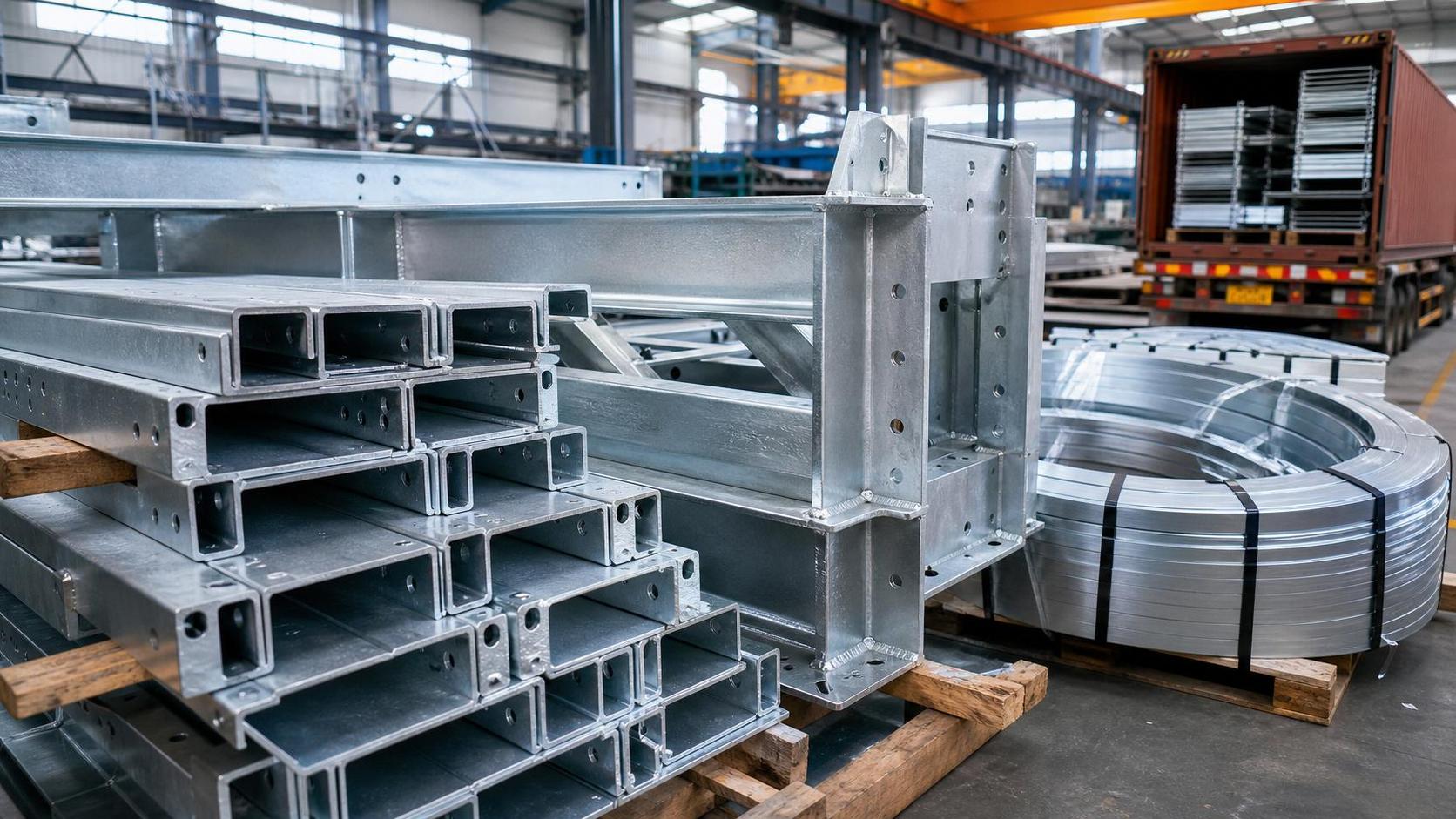
 What Affects the Cost of Galvanized Steel in Fabrication Projects?Galvanized steel costs vary far beyond raw material price. Learn how coating, steel grade, fabrication, logistics, and hidden quote items affect project budgets before you buy.
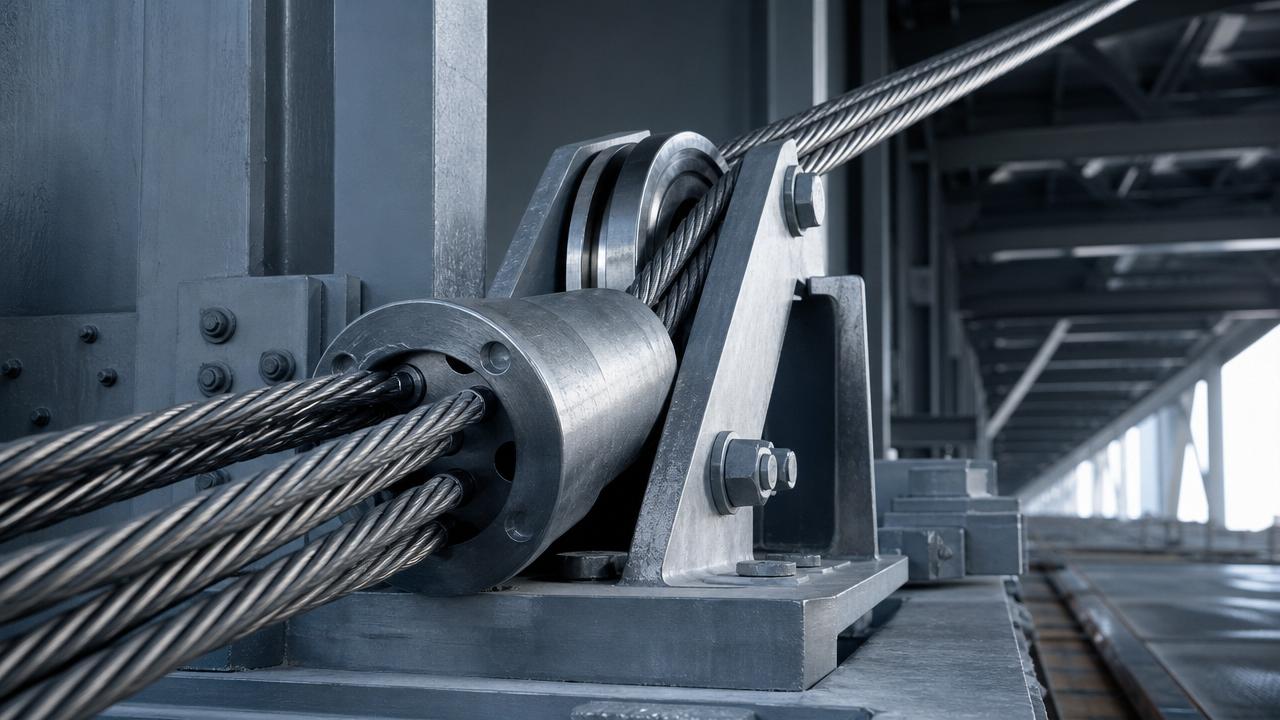
 Steel Wire Strand Applications in Lifting and Support: Key Load and Safety ConsiderationsSteel wire strand selection for lifting and support starts with real load, fatigue, corrosion, and anchoring conditions. Learn how to improve safety, service life, and structural reliability.
 Architectural Steel Angle in Facades, Edges, and Clean LinesArchitectural steel angle improves facade edges, clean lines, and structural precision. Discover how it supports durability, faster installation, and smarter project control.
 Where Cold Formed Steel Angle Works Best in Modern BuildsCold formed steel angle works best in modular builds, secondary framing, and utility supports. Learn where it adds value, what to verify, and how to choose the right profile with confidence.
Please give us a message


Please enter what you want to find