When comparing steel pile and concrete pile options, understanding their cost, durability, and performance is essential for civil engineers and project managers. Steel pile systems, made from high-quality steel bar, steel profile, and steel sheet materials, offer greater flexibility and long-term strength in demanding environments. As a structural steel manufacturer and exporter, Hongteng Fengda provides reliable carbon steel and stainless steel bar solutions, including stainless steel square bar and Steel Channel products, helping construction professionals make smarter choices for efficient and cost-effective foundations. In major infrastructure projects, the selection between these materials directly impacts project safety, cost-efficiency, and sustainability. Civil engineers, procurement specialists, and decision-makers must evaluate both structural and economic aspects to ensure the most appropriate foundation solution for different geological and design conditions.
Cost Comparison Between Steel Pile and Concrete Pile
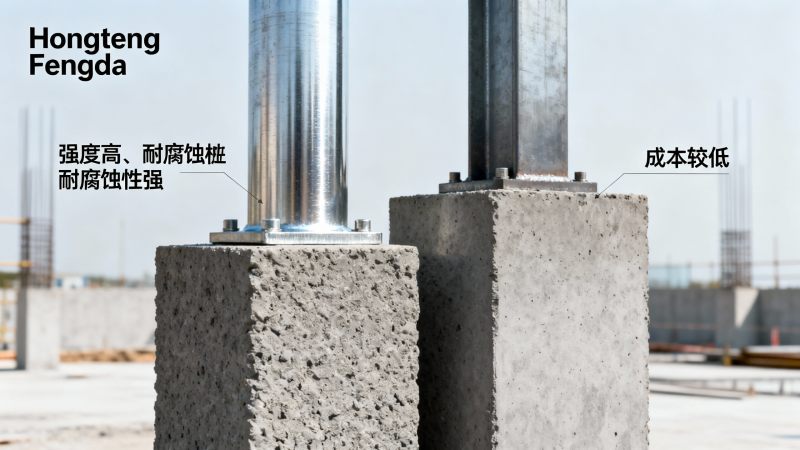
Evaluating cost is often the first step in deciding between steel pile and concrete pile systems. Although concrete piles tend to have lower raw material costs, their production, transportation, and installation expenses can significantly rise due to their heavy weight and longer installation time. Steel pile systems, on the other hand, provide a more predictable pricing structure because they rely on high-grade steel bar and steel rebar materials that meet international standards such as ASTM, EN, JIS, and GB. For temporary or reusable foundations, the recyclability of steel piles further enhances cost recovery. Additionally, modern manufacturing techniques allow structural steel producers to customize the length, profile, and dimensions of steel piles, minimizing material waste and logistics complexity. In contrast, concrete piles often require expensive molds and large-scale on-site casting, leading to higher labor intensity and time cost. When project managers analyze life-cycle costs, including maintenance and decommissioning, steel pile solutions typically outperform due to their flexibility in modification and ease of replacement. Combining carbon steel and stainless steel bar solutions enables engineers to adapt structures for both onshore and offshore projects with optimized cost-performance ratios.
Structural Performance and Durability Analysis
In terms of performance, steel piles possess superior load-bearing capacity and excellent ductility, which allows them to withstand dynamic forces, including seismic activity and wave impact. The mechanical strength of steel profile materials ensures stable structural integrity even under extreme loading conditions. Concrete piles, though strong under compression, often suffer from brittle failure without proper reinforcement, especially when subjected to bending or tension. Using steel rebar reinforcement improves their performance, but corrosion and cracking remain persistent challenges over long service periods. Innovative coating technologies and alloy developments in stainless steel pile systems offer enhanced corrosion resistance, critical for marine structures and industrial facilities exposed to aggressive environments. For instance, employing austenitic stainless steel such as 304 or duplex grades like 2205 significantly extends the service life of foundation systems. The application of high-quality stainless steel square bar and Steel Channel elements in pile assemblies also reduces maintenance requirements while ensuring long-term reliability. Engineers should also consider environmental adaptability: steel piles perform well across various soil types, from cohesive clay to gravel, and their installation generates less vibration and noise compared to driving precast concrete piles. This makes them suitable for urban or sensitive project areas.
Installation Efficiency and Project Management Considerations
Beyond material properties, installation efficiency plays a decisive role in foundation engineering. Steel piles are lighter, easier to transport, and can be driven or screwed into place with reduced equipment and time requirements. Adjustable lengths and easy splicing methods allow construction teams to adapt quickly to unforeseen soil variations, minimizing downtime. Concrete piles, while structurally stable, involve a lengthy curing period and often need heavy lifting equipment, which may not be feasible on constrained urban sites. From a project management perspective, using prefabricated steel pile components manufactured in controlled environments ensures dependable quality and predictable installation schedules. This approach aligns with global trends in modular and prefabricated construction practices, where timeline optimization directly influences return on investment. Additionally, manufacturers such as Hongteng Fengda control the production of steel sheet, steel bar, and carbon steel components according to strict tolerance standards to guarantee precision fit on site. Integration with digital measurement systems allows engineers to track installation performance, ensuring compliance with design specifications. When considering project lifecycle efficiency, the use of durable and recyclable materials supports sustainability objectives and reduces future remediation costs, contributing positively to total project economics.
Environmental Sustainability and Lifecycle Impact
Sustainability is an increasingly critical factor in modern civil engineering. Steel pile systems contribute to lower carbon emissions through recyclability and reduced material wastage. At the end of a project, steel piles can be extracted and reused with minimal loss of mechanical strength, unlike concrete piles that often remain buried as non-recoverable waste. The production of carbon steel and stainless steel bar materials continues to evolve, with manufacturers adopting electric arc furnace technology to minimize energy consumption. Concrete pile production, by comparison, consumes large amounts of cement, a major source of CO₂ emissions. For green-certified projects, using stainless steel solutions such as duplex or 304 alloys supports compliance with LEED and other environmental rating systems. Environmental engineers also value the lean logistics associated with prefabricated steel pile systems, which reduce on-site pollution and shorten disruption time in populated areas. The global supply chain established by Hongteng Fengda ensures consistent delivery of certified materials across regions, reinforcing the industry’s transition toward circular construction models. As part of comprehensive foundation design, combining robust steel Channel profiles with corrosion-resistant coatings enhances structural longevity, contributing to sustainable infrastructure resilience and reducing maintenance costs over time.
Application Insights and Product Integration
For engineers managing both industrial and residential construction, material selection extends beyond piles to interconnected piping and infrastructure systems. Stainless steel components play an essential role in ensuring consistent flow, durability, and aesthetic integration throughout the structure. The 304 Stainless steel pipe is widely applied in residential decoration, food and medical sectors, and industrial piping systems. It features excellent corrosion resistance, strong mechanical properties, and high workability, serving as a universal stainless steel pipe benchmark product. Available in models including 200 Series to Duplex 2507, with lengths from 3000–12000mm, it provides cost-effective options for diverse project scales. Integrating such materials within structural or utility frameworks ensures consistent performance between foundation and superstructure. For cost-sensitive comparisons such as 201 vs 304 stainless steel cost, decision-makers can balance initial investment against long-term maintenance and reliability. Choosing high-grade materials certified to ASTM standards not only reduces failure risks but enhances reputation for quality and compliance. Hongteng Fengda supports global buyers with tailored technical guidance, enabling engineers to define specifications precisely from thickness 0.6mm to 30mm and diameters up to 2500mm, meeting both industrial and decorative needs seamlessly.
Future Trends and Industry Outlook
The future of piling technology is moving toward smart materials and integrated monitoring systems. Structural steel manufacturers are developing sensors embedded within steel profiles to detect stress, corrosion, and deformation in real time. These advances allow civil engineers to implement predictive maintenance strategies, reducing safety risks and lifecycle costs. In global markets, preferences for carbon steel and stainless steel bar products continue to grow, driven by infrastructure upgrades and renewable energy projects. Steel piles are also being engineered with hybrid coatings like zinc-aluminum-magnesium layers to enhance corrosion performance without increasing cost significantly. Parallelly, the adoption of digital fabrication and BIM technology ensures precise data integration between design and field execution, further improving installation efficiency. The 304 Stainless steel pipe and associated structural products exemplify how innovation in steel manufacturing can serve both mechanical and architectural purposes. For distributors and project managers evaluating procurement strategies, diversifying product lines across standard and OEM specifications will strengthen competitiveness. As sustainability and cost optimization remain core objectives, cooperation with global suppliers like Hongteng Fengda ensures consistent access to high-quality steel sheet, steel rebar, and Steel Channel materials, supporting the continuous development of high-performance foundation systems worldwide.
Conclusion and Call to Action
In conclusion, both steel pile and concrete pile systems serve critical roles in foundation engineering, but their economic and mechanical advantages differ significantly. Steel piles offer adaptability, superior load-bearing strength, and long-term durability, especially in demanding environmental conditions. By contrast, concrete piles remain cost-effective for static or large-area foundations. For complex projects requiring flexibility, rapid installation, and recyclability, steel pile systems reinforced with high-quality carbon steel and stainless steel bar materials are the preferred choice. Hongteng Fengda continues to provide global clients with dependable and customized structural steel solutions, ensuring compliance with international standards and delivering tangible cost savings. From versatile steel profile design to efficiently produced steel sheet and Steel Channel products, the company is positioned to assist project teams in achieving optimal foundation reliability. To explore advanced solutions and receive professional consultation on tailored material options for your next engineering project, contact Hongteng Fengda today to learn more about their extensive structural steel offerings and long-term partnership opportunities.
- ASTM standards
- ASTM standard
- steel pipe
- structural steel
- steel profiles
- Structural Steel
- 304 stainless steel pipe
- stainless steel pipe
- Profile
- Rebar
- Steel Channel
- 201 vs 304 stainless steel cost
- stainless steel square bar
- stainless steel bar
- carbon steel
- steel sheet
- steel rebar
- steel profile
- steel pile
- steel bar
Related recommendations
 What Is a Steel Profile? Common Shapes, Uses, and Selection BasicsProfile selection starts with shape, but performance depends on load, fabrication, and standards. Learn common steel profile types, uses, and smart selection basics.
 Steel Roofing Types Explained: Corrugated, Standing Seam, and Metal ShinglesSteel Roofing guide comparing corrugated panels, standing seam, and metal shingles. Discover costs, durability, weather performance, and how to choose the best roof for your home.
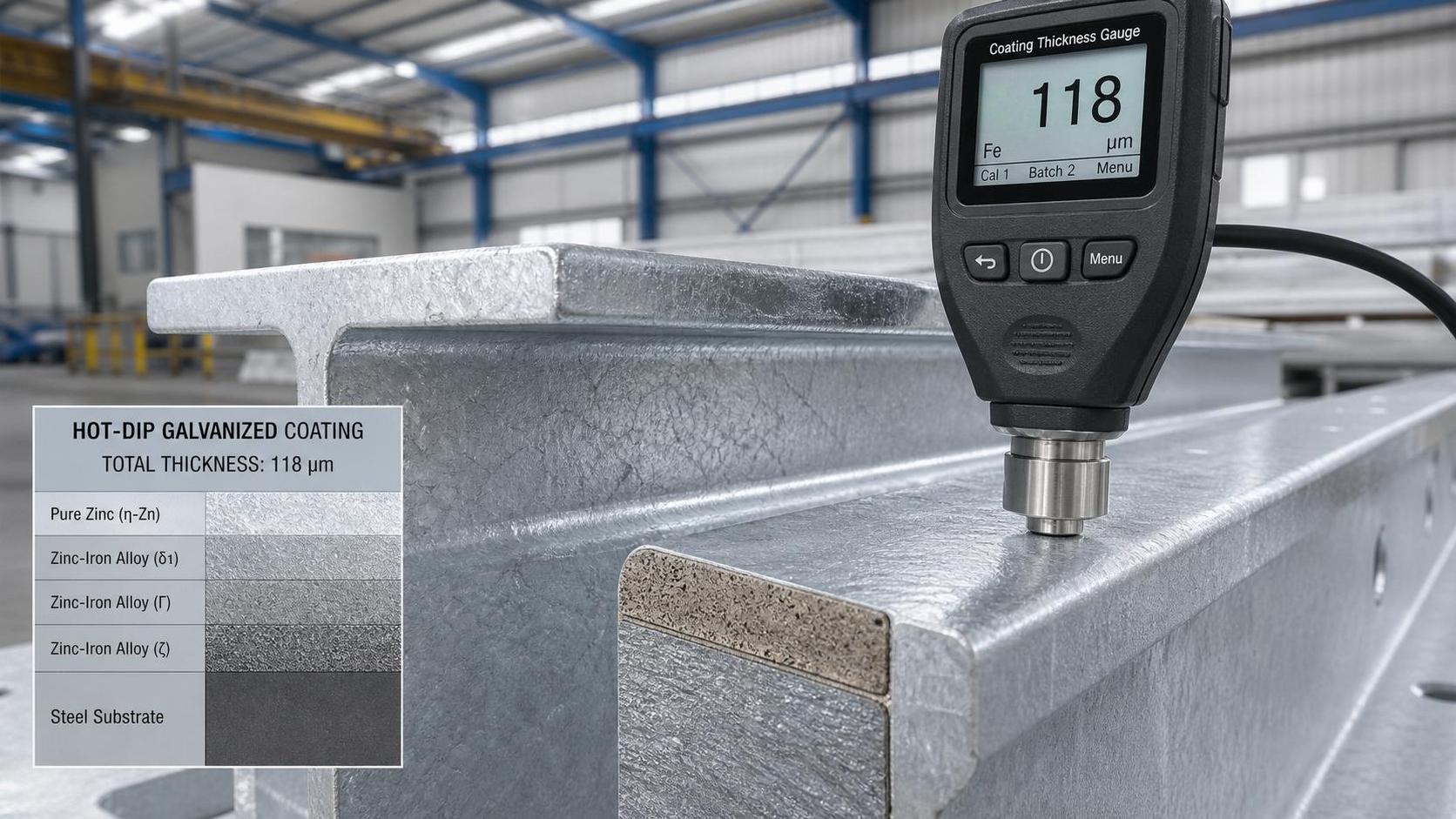
 How Hot-Dip Galvanized Coating Thickness Affects Service LifeHot-dip galvanized coating thickness directly affects steel service life. Learn how the right zinc layer improves corrosion protection, controls cost, and supports smarter project decisions.
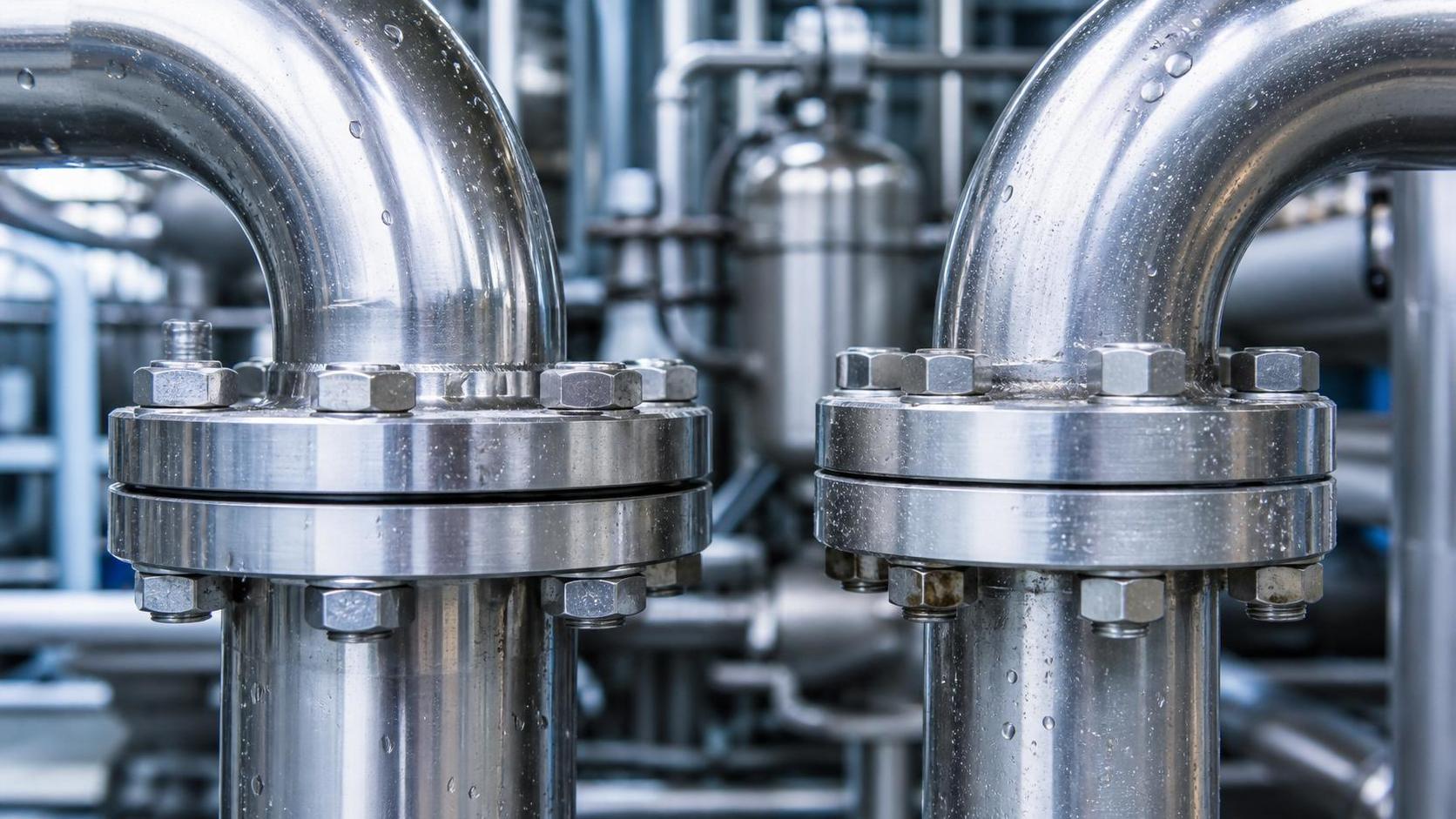
 Pipe Stainless Grades Explained: 304 vs 316 for Corrosion ResistancePipe stainless grades explained: compare 304 vs 316 for corrosion resistance, cost, and service life. Learn which stainless pipe grade fits marine, chemical, and water system applications.
Please give us a message


Please enter what you want to find